
China travel blogPutopisi iz Kine · 24 October 202524. listopada 2025.
Eastern Mausoleum: The Resting Place of Qing Emperors
Istočni mauzolej: počivalište careva dinastije Qing
After settling in Beijing, it is time to try out new things – traveling with a long-distance bus. It is a much different story from traveling with trains. First of all, you cannot buy bus tickets on trip.com, which makes it much more challenging to buy tickets in advance. Also, finding information about bus schedule is difficult. A lot of online information is out of date, but still usable. If the bus isn’t going at 7:40, as it said online, it will go at 8:00, which is what happened to me. Finally, buses are less reliable than trains and can get stuck in traffic. You are incredible unlucky if you end up in a high-speed train that is late, buses being late is just standard occurrence.
Nakon što sam se smjestio u Pekingu, vrijeme je da isprobam nešto novo – putovanje međugradskim autobusom. To je sasvim drukčija priča od putovanja vlakom. Kao prvo, autobusne karte ne možete kupiti na trip.com, pa ih je puno teže kupiti unaprijed. Teško je naći i informacije o voznom redu. Mnogo toga na internetu je zastarjelo, ali se i dalje može iskoristiti. Ako autobus ne ide u 7:40, kako je pisalo na internetu, ići će u 8:00, što se meni i dogodilo. Na kraju, autobusi su manje pouzdani od vlakova i mogu zaglaviti u prometu. Morate imati nevjerojatnu nesreću da završite u brzom vlaku koji kasni, a kašnjenje autobusa sasvim je uobičajena stvar.
Since bus trip is around 3 hours one-way, I decided to take an early bus. The buses to Eastern Mausoleum take off from Sihui Long Distance Bus Station, which is right next to Sihui subway station. Thus, it is very easy to get there. The station is to the east of Tiananmen square and Forbidden city. You need to take the bus number 57 to Zunhua. The best that I could understand is that the bus should drop you off at the village called Shimenzhen, which is a couple of kilometers away from the entrance to the Mausoleum complex. However, my bus driver took me and the rest of the passengers to the main gate of the Mausoleum complex. He was saying a lot of things in Chinese that I did not understand, but I think he went out of his way to take me to my destination, even though it is not exactly on his route.
Budući da vožnja autobusom traje oko 3 sata u jednom smjeru, odlučio sam krenuti ranim autobusom. Autobusi za Istočni mauzolej polaze s međugradskog autobusnog kolodvora Sihui, koji je odmah pokraj stanice podzemne željeznice Sihui. Zato je do njega vrlo lako doći. Kolodvor je istočno od trga Tiananmen i Zabranjenog grada. Trebate sjesti na autobus broj 57 za Zunhuu. Koliko sam uspio shvatiti, autobus bi vas trebao ostaviti u selu Shimenzhen, koje je nekoliko kilometara udaljeno od ulaza u kompleks mauzoleja. No moj je vozač mene i ostale putnike odvezao do glavnih vrata kompleksa mauzoleja. Govorio je puno toga na kineskom što nisam razumio, ali mislim da se posebno potrudio odvesti me do mog odredišta, iako mu ono nije baš na ruti.
If you end up at the bus station in the village Shimenzhen, it is not the end of the world. You can taxi the taxi to the main gate of the complex. Technically, you can walk these few kilometers but I would not advise it. It is not a nice walk by any stretch of the imagination. You will mostly be walking on open road.
Ako završite na autobusnoj stanici u selu Shimenzhen, nije smak svijeta. Do glavnih vrata kompleksa možete uzeti taksi. Teoretski tih nekoliko kilometara možete i prehodati, ali ne bih to preporučio. To ni uz najbolju volju nije ugodna šetnja. Uglavnom ćete hodati po otvorenoj cesti.

When you get to the main entrance, you have to decide which tickets you want to buy. There is no need to buy the tickets in advance. Almost no one speaks English there, however, and the lady selling the tickets has tried the old proven method that if a foreigner does not understand the word you said, just repeat it 100 times and he will figure it out eventually. The word she kept repeating was passport. Often when you buy tickets they will ask you for your passport and will put your passport number into the ticket they issue. Coming to think about it, is it that difficult to, after repeating the word for the 49th time, maybe open your wallet, take out your ID and show it to me?! That would help me understand what she wants from me. I have decided that the explanation is that there are very few non-Chinese tourists in that Mausoleum so she is just not used to working with people who have mastered only two Chinese words: nihao (hello) and xiexie (thank you). On the other hand, I was still getting used to using the benefits of google translate.
Kad dođete do glavnog ulaza, morate odlučiti koje karte želite kupiti. Karte ne treba kupovati unaprijed. No tamo gotovo nitko ne govori engleski, a gospođa koja prodaje karte isprobala je staru provjerenu metodu: ako stranac ne razumije riječ koju si rekao, samo je ponovi 100 puta i on će na kraju shvatiti. Riječ koju je stalno ponavljala bila je putovnica. Kad kupujete karte, često vas traže putovnicu i broj putovnice upišu na kartu koju izdaju. Kad malo bolje razmislim, je li toliko teško, nakon što riječ ponoviš 49. put, možda otvoriti novčanik, izvaditi osobnu i pokazati mi je?! To bi mi pomoglo da shvatim što želi od mene. Zaključio sam da je objašnjenje u tome što u tom mauzoleju ima vrlo malo turista koji nisu Kinezi, pa jednostavno nije navikla raditi s ljudima koji su svladali samo dvije kineske riječi: nihao (bok) i xiexie (hvala). S druge strane, ja sam se još privikavao na blagodati Google prevoditelja.
The complex includes tombs of 5 emperors, 4 empresses and many concubines. Not all emperors of the Qing Dynasty are buried here. The other five Emperors are buried in the Western Mausoleum. The oldest tomb in the complex is that of the Emperor Shunzi, the first Qing Emperor to rule from Beijing. However, the biggest star is Emperor Kangxi, the greatest Qing Emperor and the longest reigning Emperor in Chinese history. However, none of these tombs are open to the public. Instead, you can visit the tombs of Emperor Qianlong, Empress Dowager Cixi and Concubine Wu. Buy the combo tickets and also buy the shuttle bus tickets. The tombs are very far away from the entrance to the tomb complex.
U kompleksu su grobnice 5 careva, 4 carice i mnogih konkubina. Nisu svi carevi dinastije Qing pokopani ovdje. Ostalih pet careva pokopano je u Zapadnom mauzoleju. Najstarija grobnica u kompleksu pripada caru Shunziju, prvom caru dinastije Qing koji je vladao iz Pekinga. No najveća je zvijezda car Kangxi, najveći car dinastije Qing i car s najdužom vladavinom u kineskoj povijesti. Ipak, nijedna od tih grobnica nije otvorena za javnost. Umjesto njih možete posjetiti grobnice cara Qianlonga, carice udove Cixi i konkubine Wu. Kupite kombinirane karte, a kupite i karte za shuttle autobus. Grobnice su jako daleko od ulaza u kompleks.
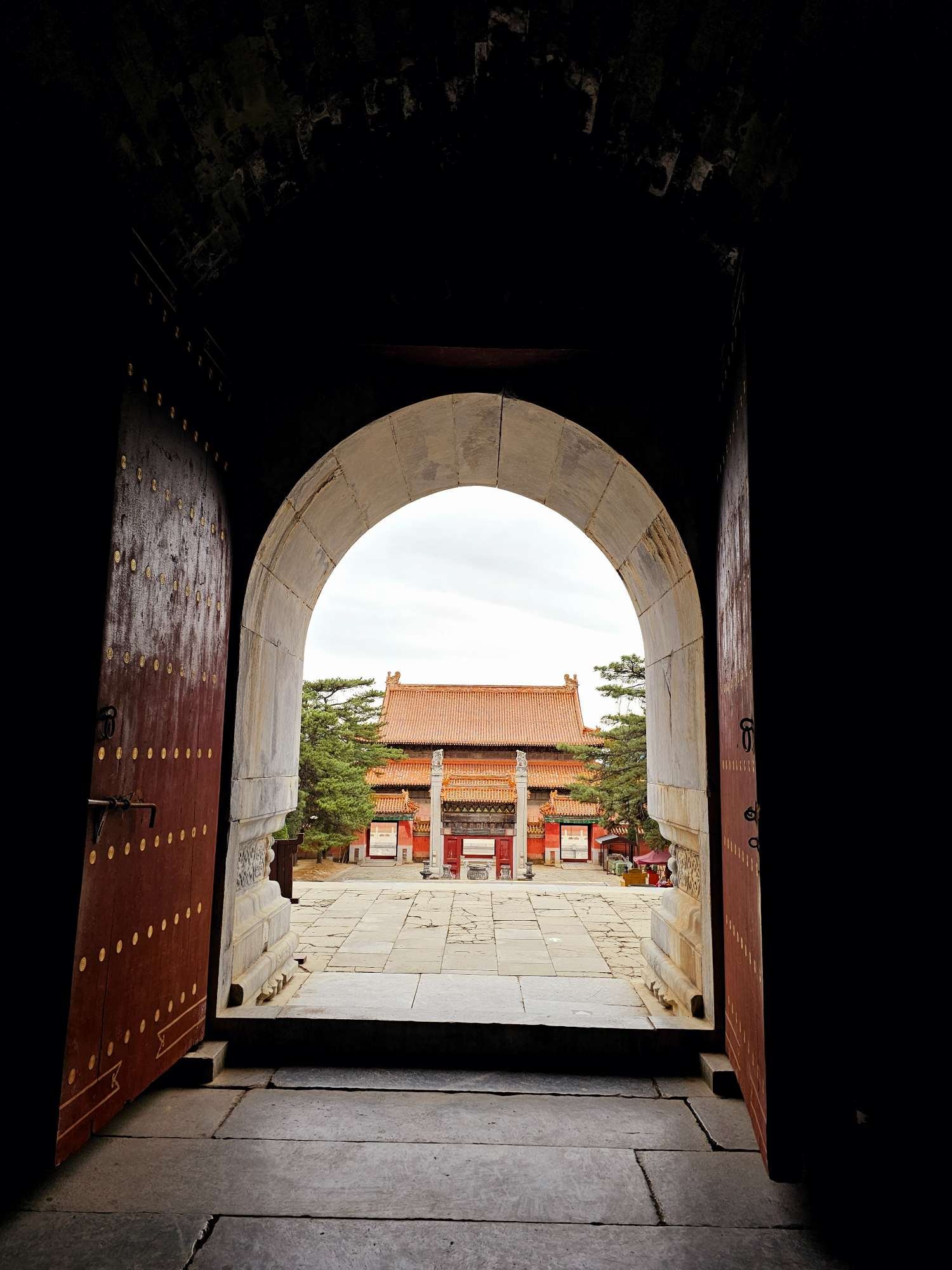
I boarded the shuttle and the driver took us to the venues. He offered to drop us off at the Sacred Way – the path that leads to all the tombs in the complex. The sight was almost copy paste of the Sacred Way in the Ming Tombs: it even had statues of the same 6 animals, two generals and two ministers guarding the path! It was super cold when I visited so I have decided to skip this part and go straight for the tombs. My first stop was the Empress Dowager Cixi’s tomb.
Ukrcao sam se u shuttle i vozač nas je odvezao do lokacija. Ponudio je da nas ostavi na Svetom putu – stazi koja vodi do svih grobnica u kompleksu. Prizor je bio gotovo copy-paste Svetog puta kod grobnica dinastije Ming: čak je imao kipove istih 6 životinja, dvojice generala i dvojice ministara koji čuvaju stazu! Kad sam bio tamo, bilo je strašno hladno, pa sam odlučio preskočiti taj dio i krenuti ravno prema grobnicama. Prva postaja bila mi je grobnica carice udove Cixi.
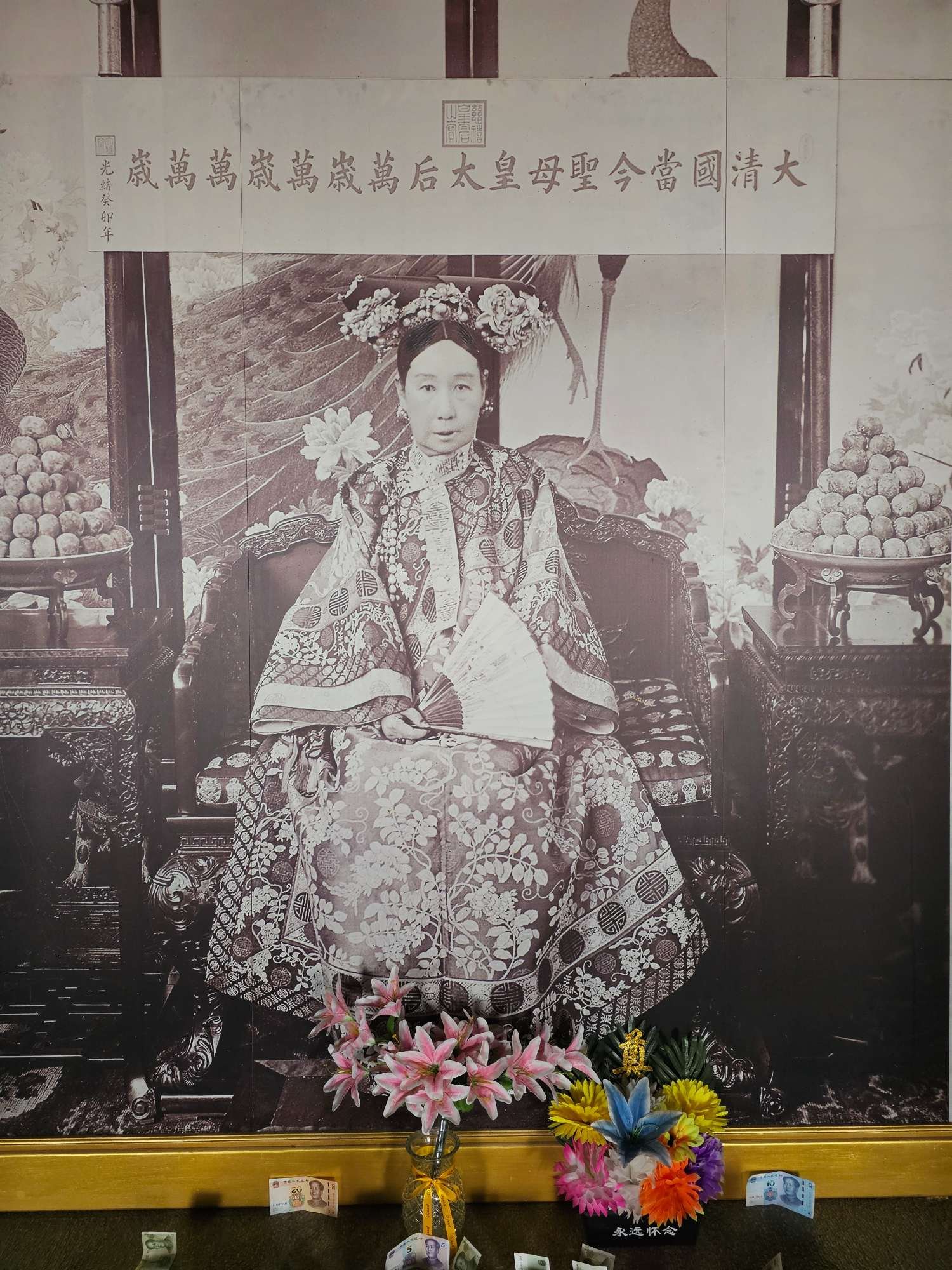
Empress Dowager Cixi – the Dragon Empress, as she will be known in the West, has never ruled China in her own name and right, which is why she is only the second most important woman in Chinese history, after Empress Wu Zetian, the only woman to rule China in her own name and right. Empress Dowager Cixi, as her name suggest, ruled China as a regent for the underage emperors. This was all good and approved by the Confucian scholars. However, empress dowager is expected to relinquish her powers after the emperor comes of age. Well, let’s just say Cixi was not planning to go along with Confucian scholars’ expectations. In one way or another, Cixi will dominate Chinese politics for around 45 years, which is truly a remarkable achievement, especially for a woman in high Chinese politics. But you would be soundly mistaken if you think that this accomplishment would garner her respect from the Chinese: Cixi is widely despised and blamed for many of China’s ills. In 1928, during the chaos that followed the collapse of the Empire, a warlord named Sun Dianying, decided to organize war exercises (read looting) of the Qing tombs. The tomb of Empress Dowager Cixi was the first to be violated. After blowing up the entrance to the tomb, the robbers found their way to the main burial chamber, where they not only stole her favorite jewels but also desecrated her corpse: tearing off her undergarments, shoes and socks, and taking all the pearls and jewels on her body. The looters even pried open her jaws and took the rare pearl from her mouth. Her body was discarded as trash.
Carica udova Cixi – Zmajska carica, kako će je zvati na Zapadu, nikad nije vladala Kinom u svoje ime i po vlastitom pravu, i zato je tek druga najvažnija žena u kineskoj povijesti, nakon carice Wu Zetian, jedine žene koja je Kinom vladala u svoje ime i po vlastitom pravu. Carica udova Cixi, kako joj i ime govori, vladala je Kinom kao regentica maloljetnih careva. To je sve bilo u redu i konfucijanski su učenjaci to odobravali. No od carice udove očekuje se da se odrekne vlasti kad car postane punoljetan. Pa, recimo samo da Cixi nije namjeravala ispuniti očekivanja konfucijanskih učenjaka. Na ovaj ili onaj način Cixi će dominirati kineskom politikom oko 45 godina, što je doista izvanredno postignuće, osobito za ženu u visokoj kineskoj politici. Ali grdno biste se prevarili ako mislite da joj je to postignuće donijelo poštovanje Kineza: Cixi je naširoko prezrena i krive je za mnoge kineske nevolje. Godine 1928., u kaosu koji je uslijedio nakon raspada Carstva, gospodar rata po imenu Sun Dianying odlučio je organizirati vojne vježbe (čitaj: pljačku) u grobnicama dinastije Qing. Grobnica carice udove Cixi oskvrnuta je prva. Nakon što su digli u zrak ulaz u grobnicu, pljačkaši su pronašli put do glavne grobne komore, gdje su joj ne samo ukrali omiljene dragulje nego i oskvrnuli tijelo: strgnuli su joj donje rublje, cipele i čarape i uzeli sve bisere i dragulje s tijela. Pljačkaši su joj čak silom rastvorili čeljust i uzeli rijedak biser iz usta. Njezino je tijelo odbačeno kao smeće.
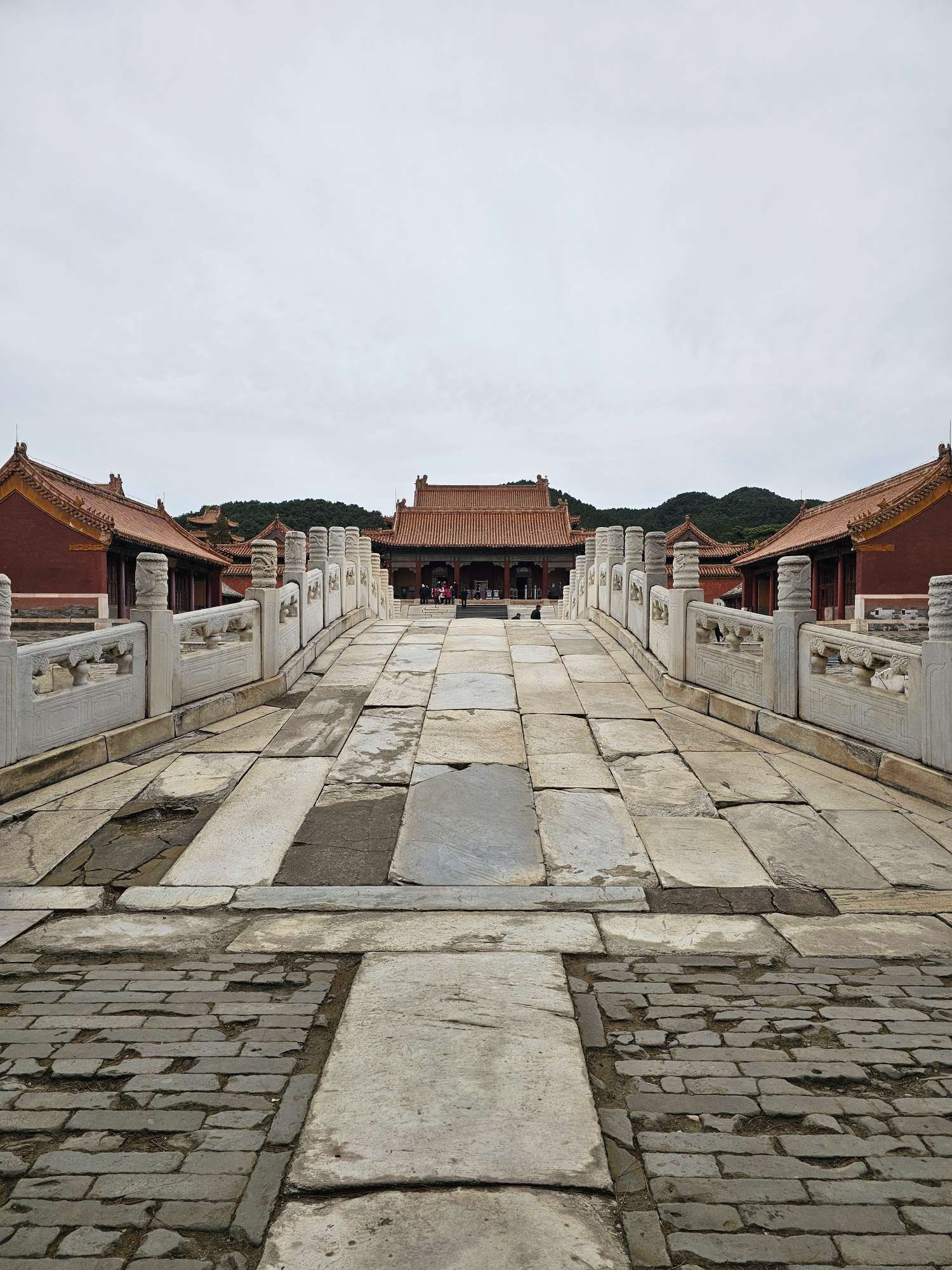
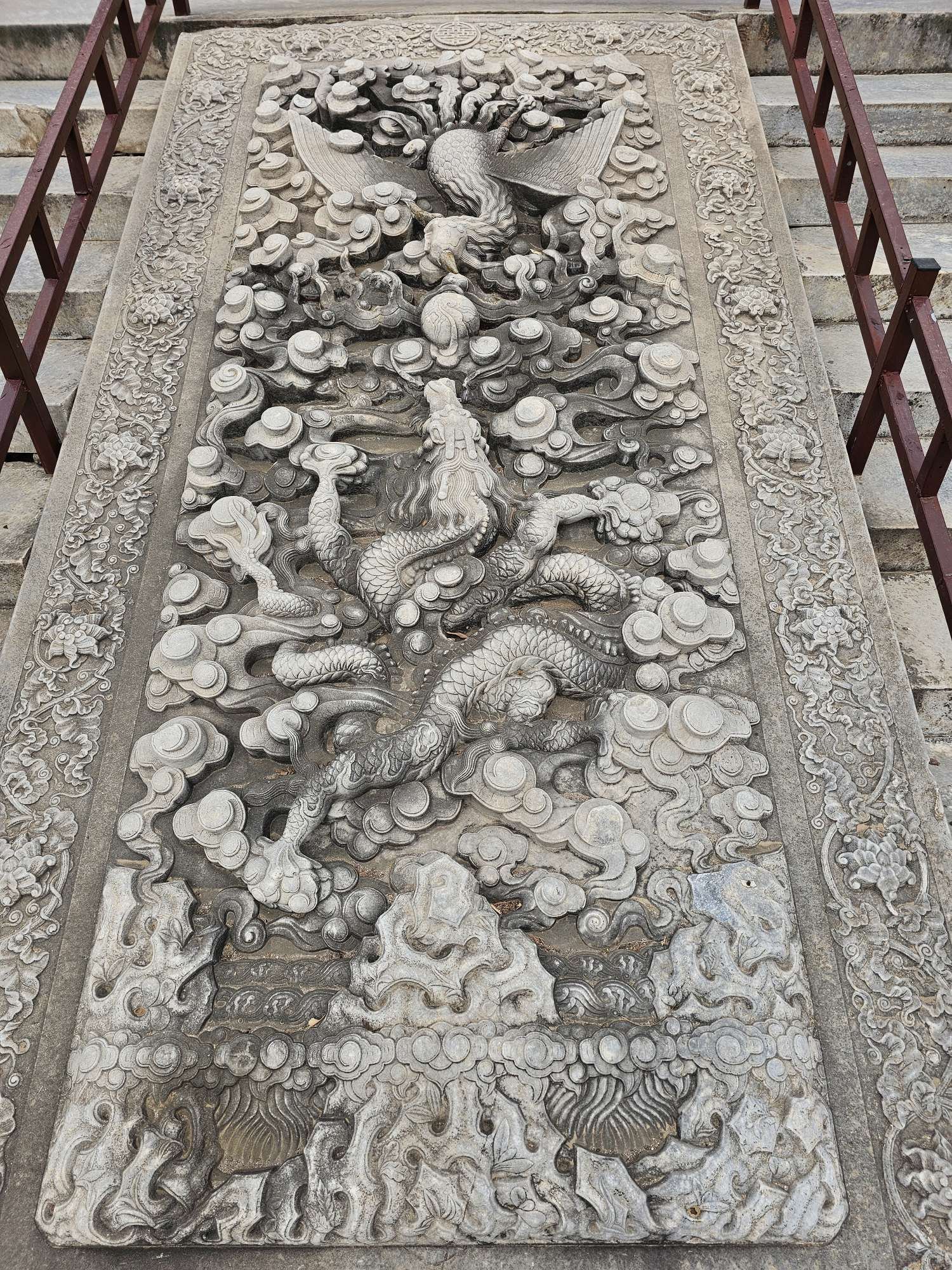
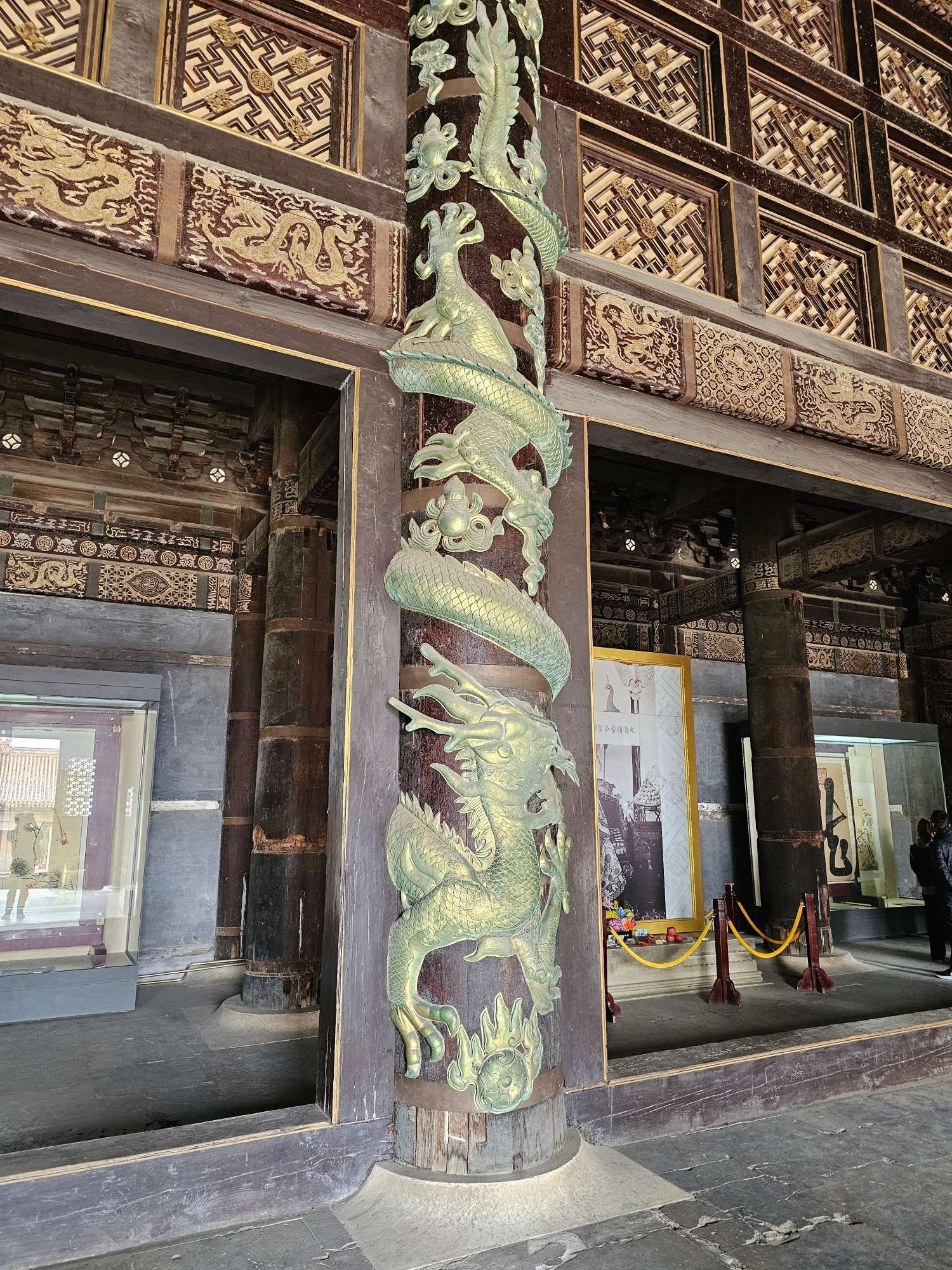
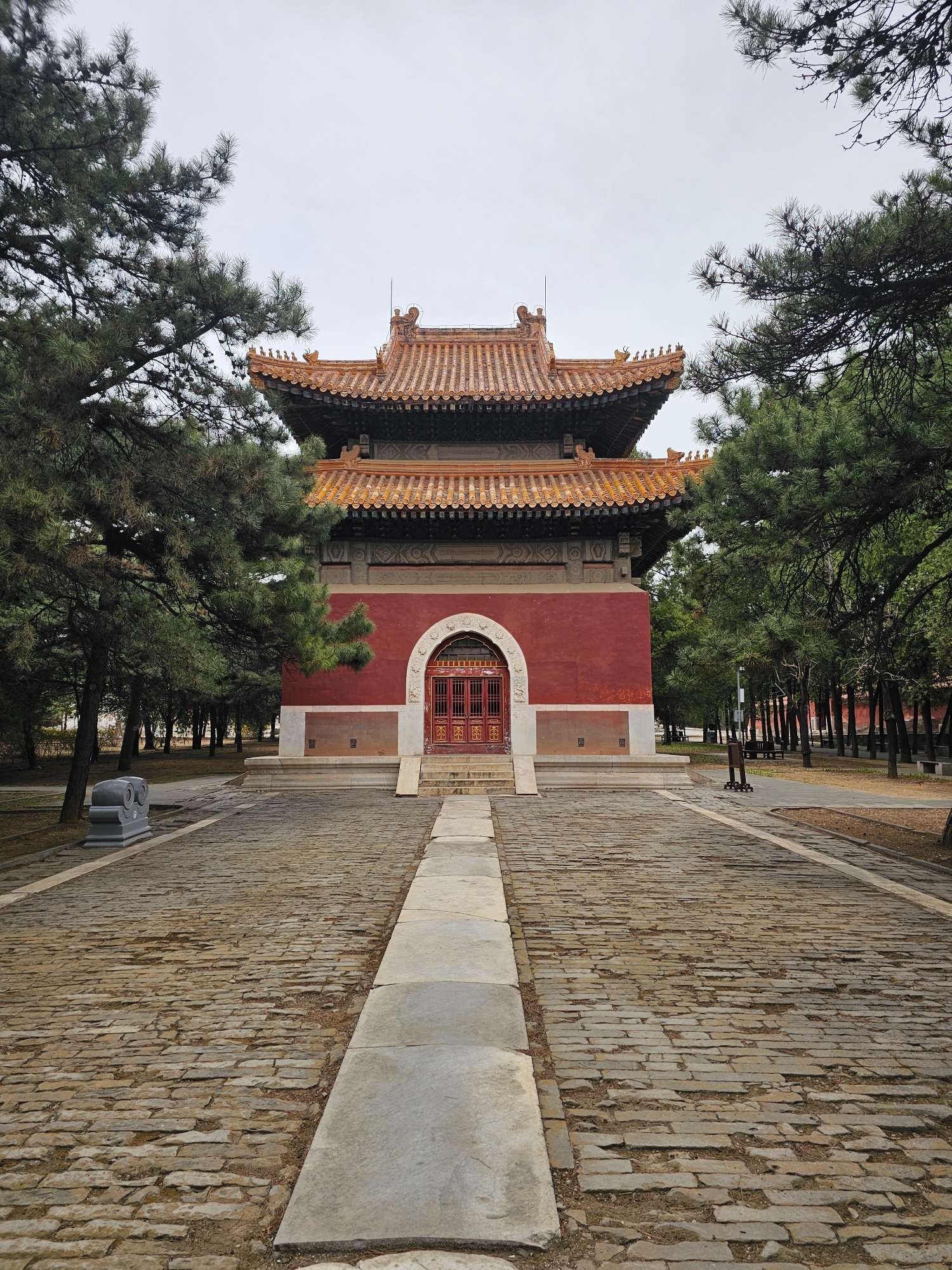
Another fascinating thing about Cixi’s tomb is that it is a perfect mirror image of the tomb right next to it – the tomb of the Empress Dowager Ci’an. These two women could not be more polar opposite – one was dumb as a rock but kind, the other extremely intelligent and utterly ruthless. One will be celebrated and hated by many, the other will be forgotten. Wanna guess which one is who? Perhaps it is due to their differences that these two women have never seen themselves as rivals but have worked together and will end up being united in their death.
Još jedna fascinantna stvar kod Cixine grobnice jest to što je ona savršena zrcalna slika grobnice odmah do nje – grobnice carice udove Ci’an. Te dvije žene nisu mogle biti veće suprotnosti – jedna je bila glupa kao klada, ali dobra, druga iznimno inteligentna i potpuno nemilosrdna. Jednu će mnogi slaviti i mrziti, druga će biti zaboravljena. Hoćete li pogađati koja je koja? Možda se upravo zbog tih razlika te dvije žene nikad nisu doživljavale kao suparnice, nego su surađivale, a na kraju će biti ujedinjene i u smrti.
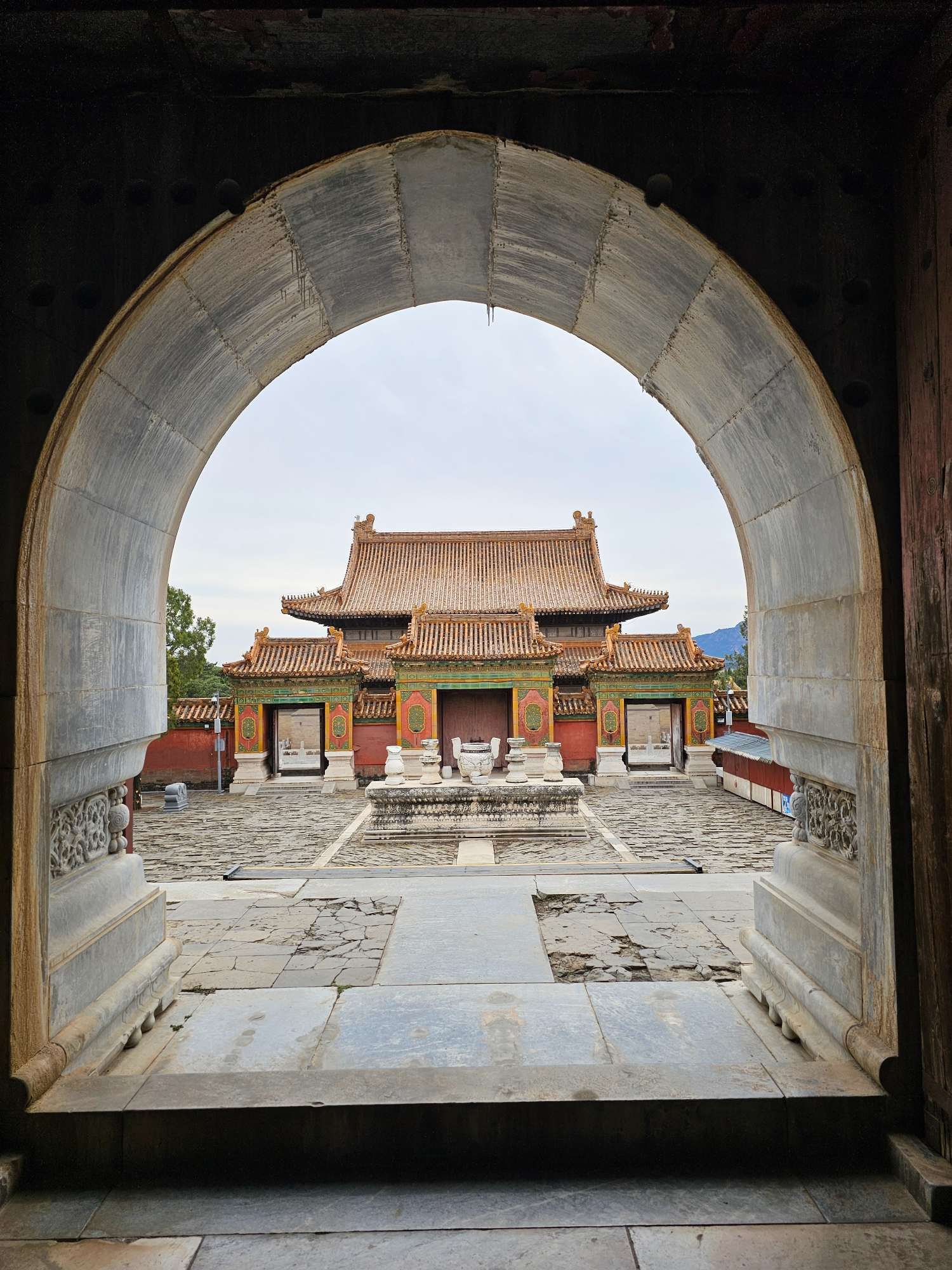
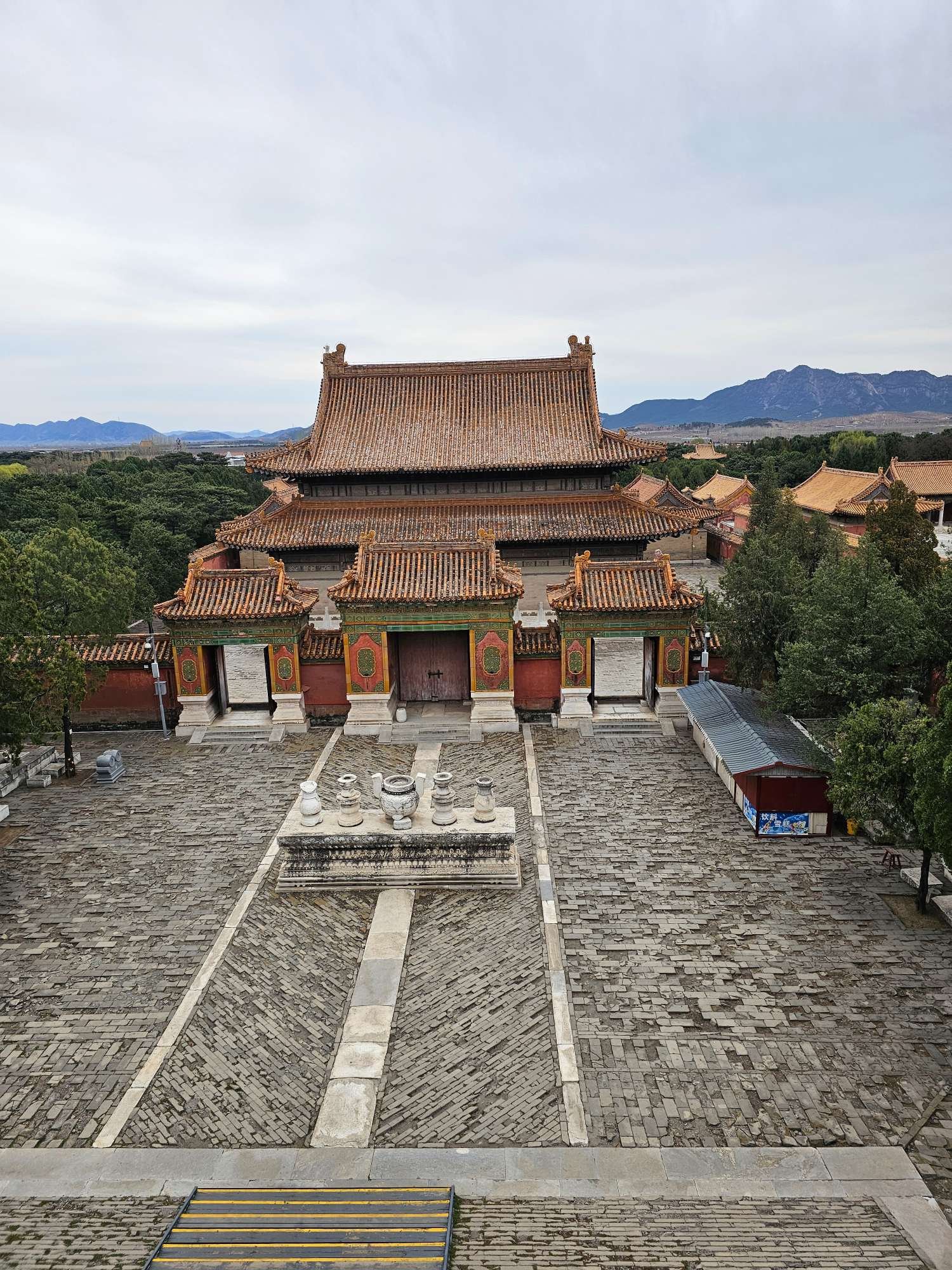
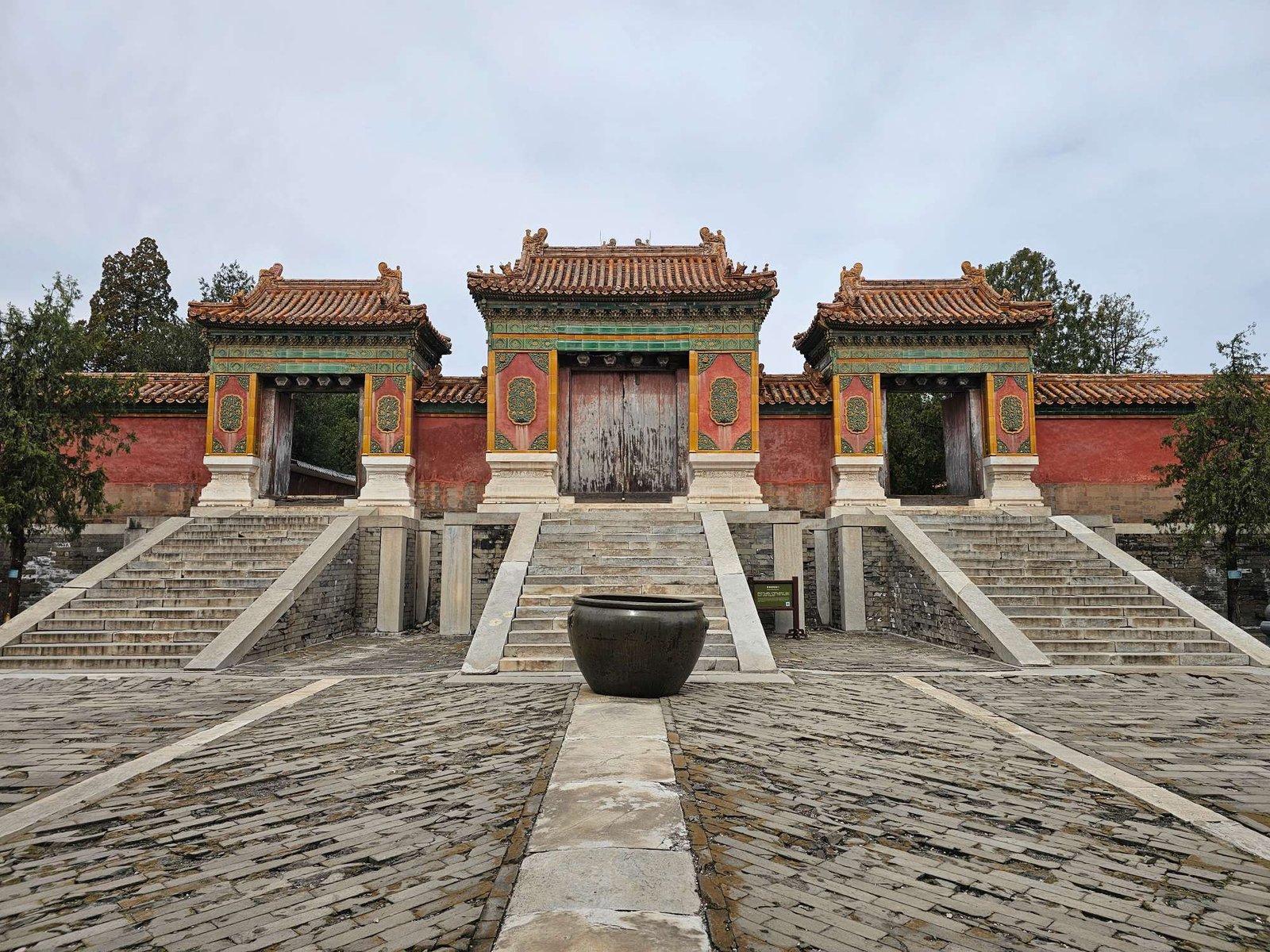
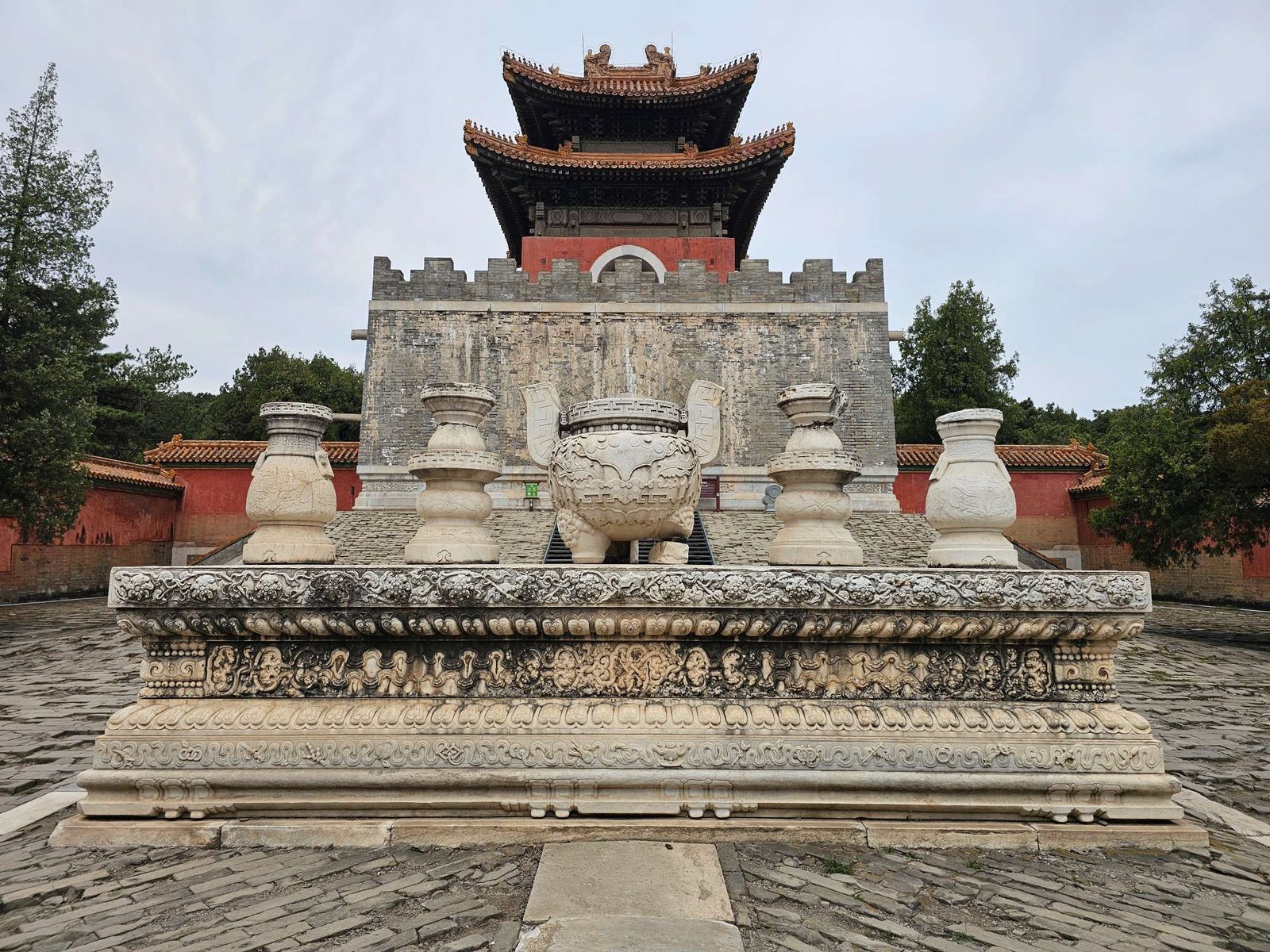
After that you can walk to the tomb of Emperor Qianlong. On the way there, you will reach the tomb of Qianlong’s imperial consort Wu. there is nothing special about this concubine, she was just one of many, but her grave was dug open so you can visit it. When you are already there, no reason to skip it. Otherwise, absolutely unremarkable. The only memorable thing was to see so many tombs next to her’s. these were all tombs of imperial concubines. It is a bit chilling to see how many woman can an emperor take for himself.
Nakon toga možete prošetati do grobnice cara Qianlonga. Putem ćete doći do grobnice Qianlongove carske supruge Wu. Ta konkubina nije ni po čemu posebna, bila je samo jedna od mnogih, ali njezin je grob otkopan pa ga možete posjetiti. Kad ste već tamo, nema razloga da ga preskočite. Inače je posve neupečatljiv. Jedino što se pamti jest koliko je grobnica pokraj njezine. Sve su to bile grobnice carskih konkubina. Pomalo je jezivo vidjeti koliko žena car može uzeti za sebe.
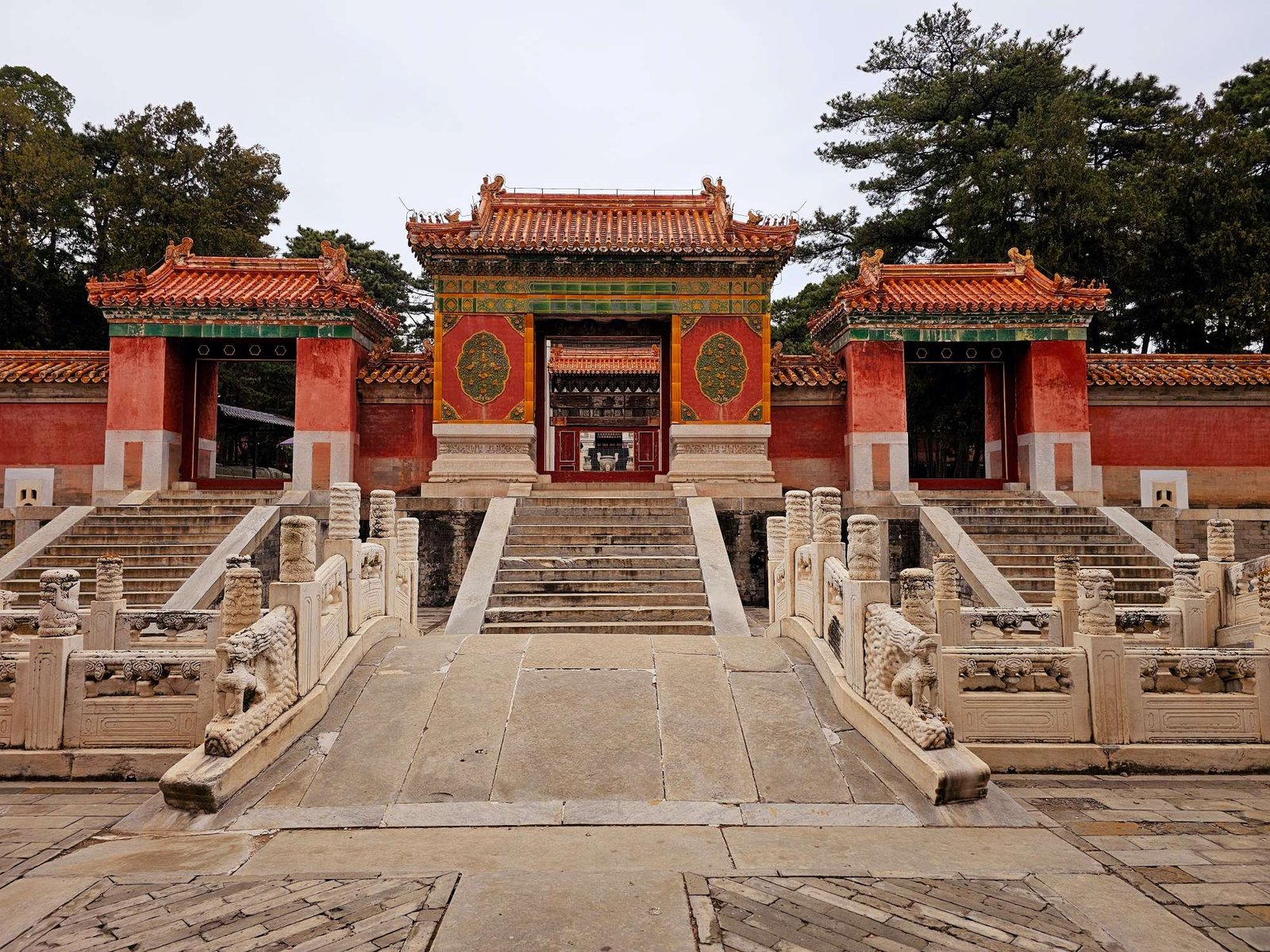
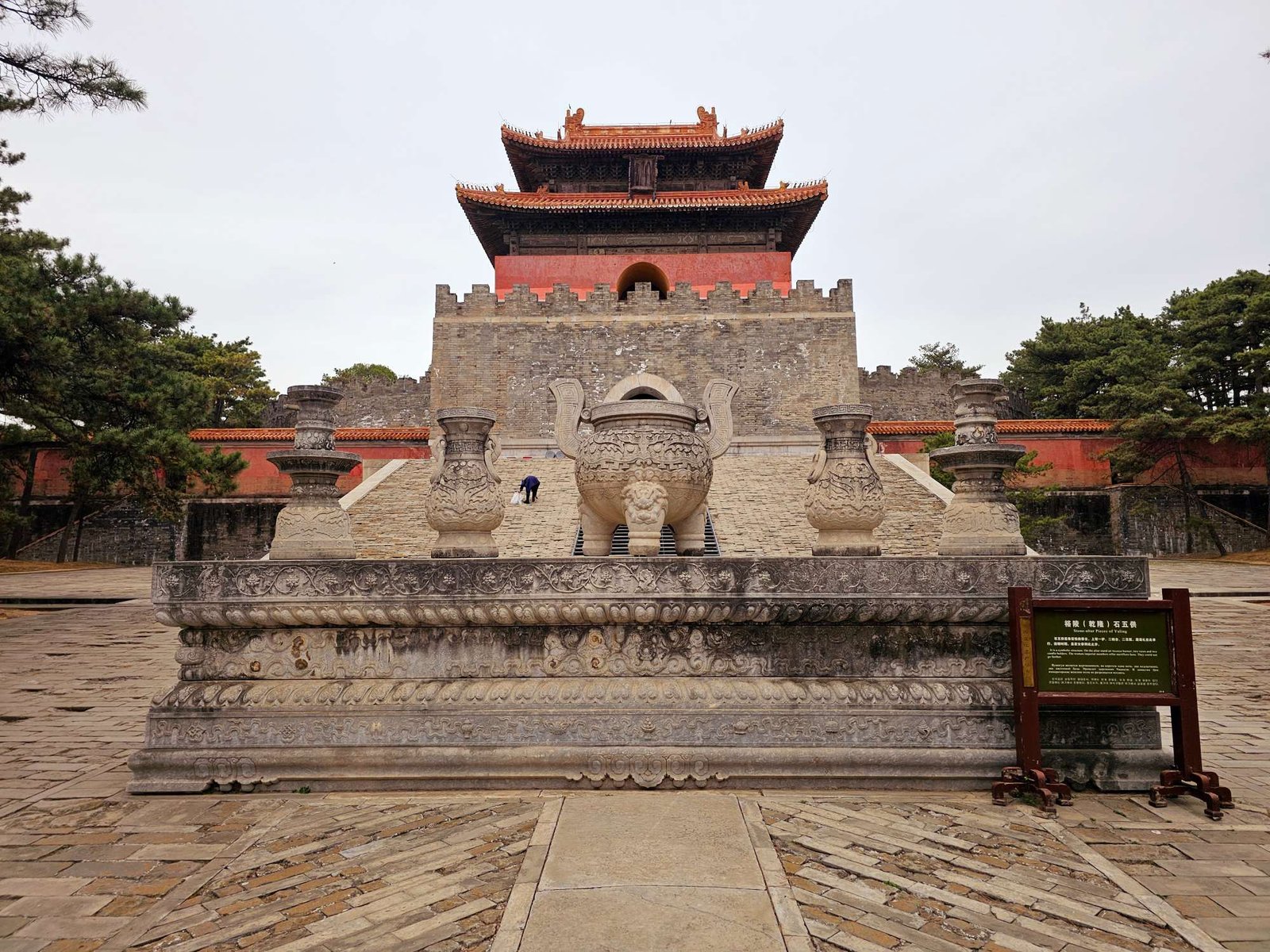
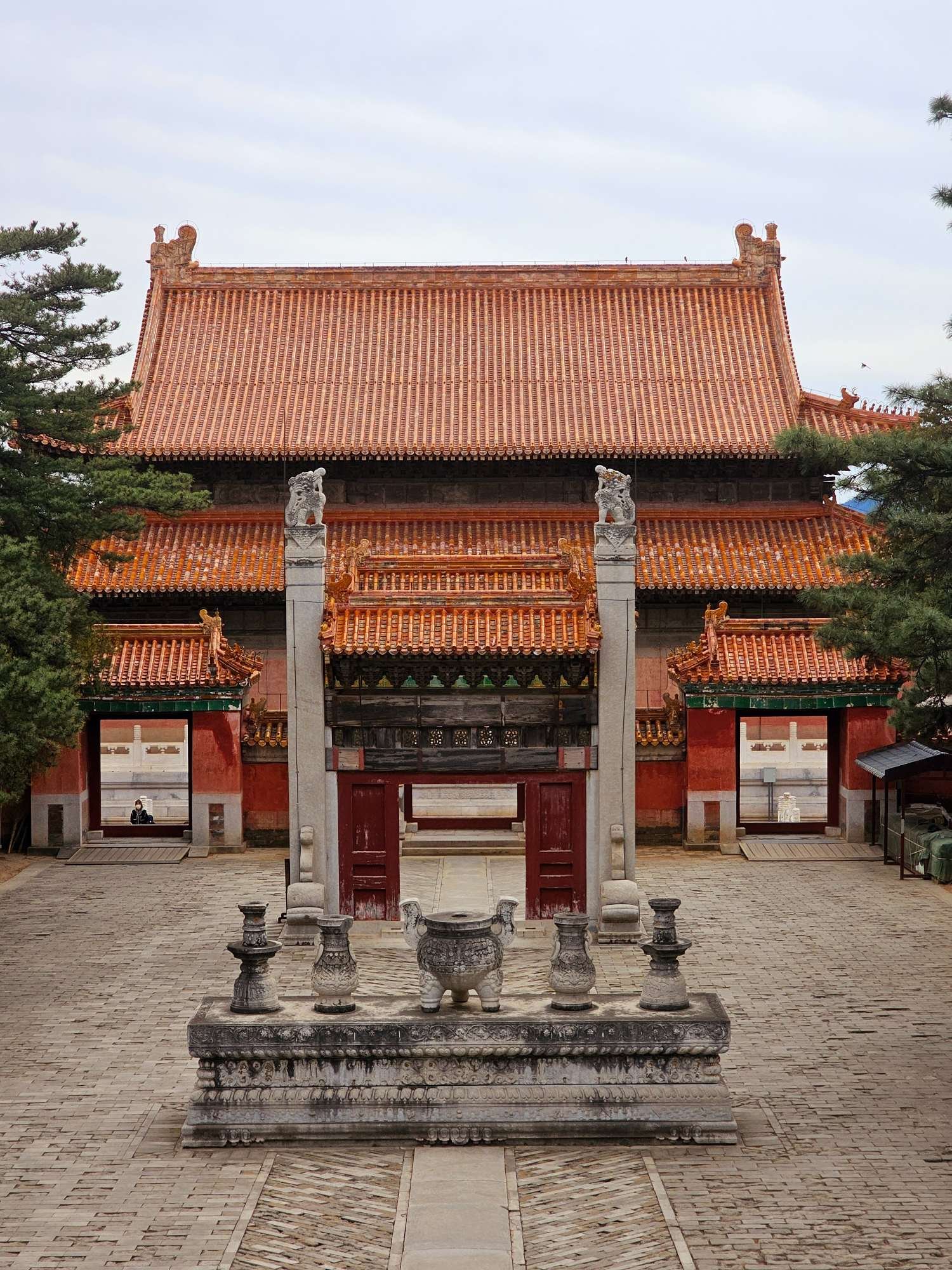
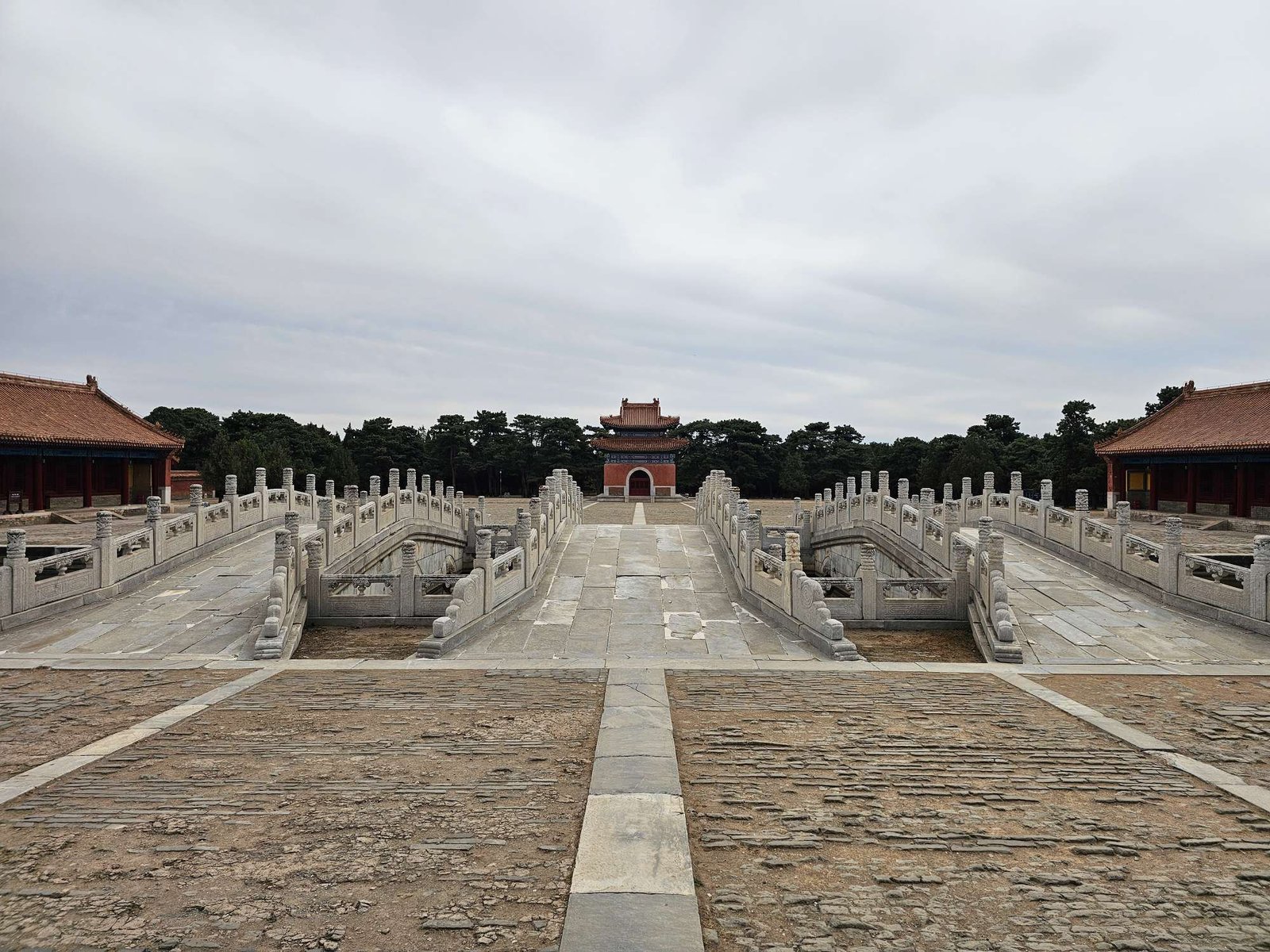
Last but not least on the list is Emperor Qianlong’s tomb. Emperor Qianlong is considered a part of the golden age of the dynasty, together with Emperors Kangxi and Yongzheng have ruled China for 150 years. Qianlong was the contemporary of Catherine the Great, Frederick the Great, Maria Teresa and the French Revolution. In fact, Emperor Qianlong was the closest thing that China got to the European style of enlightened empire builder. No wonder China has reached its greatest size under his reign. However, his ambitions have been curtailed by dovish mandarins. There was little appetite for wars of expansion in China, especially compared to Europe, so Emperor Qianlong has managed to implement only 10 glorious military campaigns. Come to think of it, it might have been better that the bureaucrats kept saying no to new wars since out of these ten great campaigns, five ended in complete disaster.
Posljednja na popisu, ali ne i najmanje važna, grobnica je cara Qianlonga. Car Qianlong smatra se dijelom zlatnog doba dinastije: zajedno s carevima Kangxijem i Yongzhengom vladao je Kinom 150 godina. Qianlong je bio suvremenik Katarine Velike, Fridrika Velikog, Marije Terezije i Francuske revolucije. Zapravo je car Qianlong bio nešto najbliže europskom tipu prosvijećenog graditelja carstva što je Kina imala. Nije čudo što je Kina za njegove vladavine dosegnula svoju najveću veličinu. No njegove su ambicije obuzdavali miroljubivi mandarini. U Kini nije bilo previše volje za osvajačke ratove, pogotovo u usporedbi s Europom, pa je car Qianlong uspio provesti samo 10 slavnih vojnih pohoda. Kad malo bolje razmislim, možda je i bolje što su birokrati stalno govorili ne novim ratovima, jer je od tih deset velikih pohoda pet završilo potpunom katastrofom.
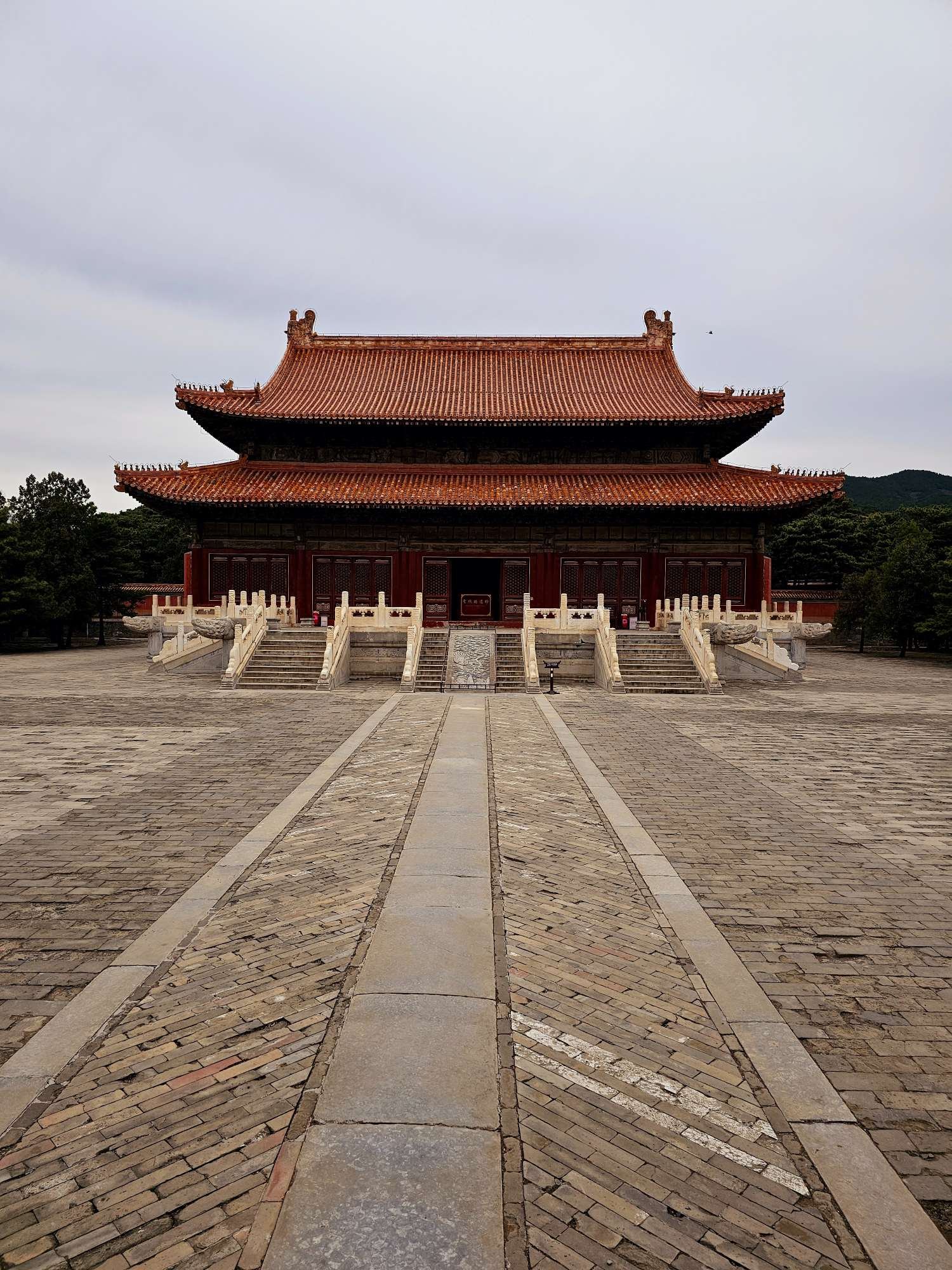
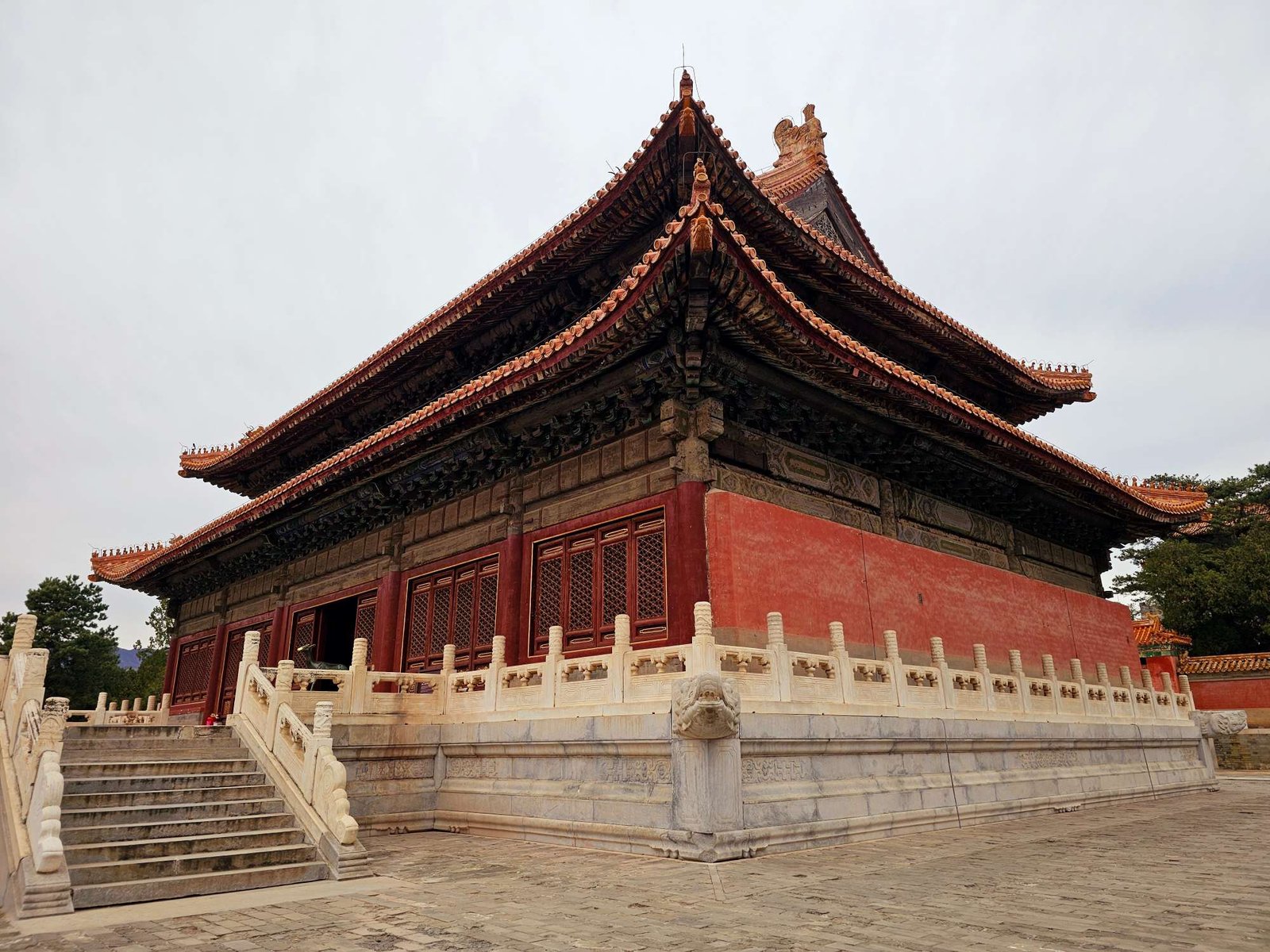
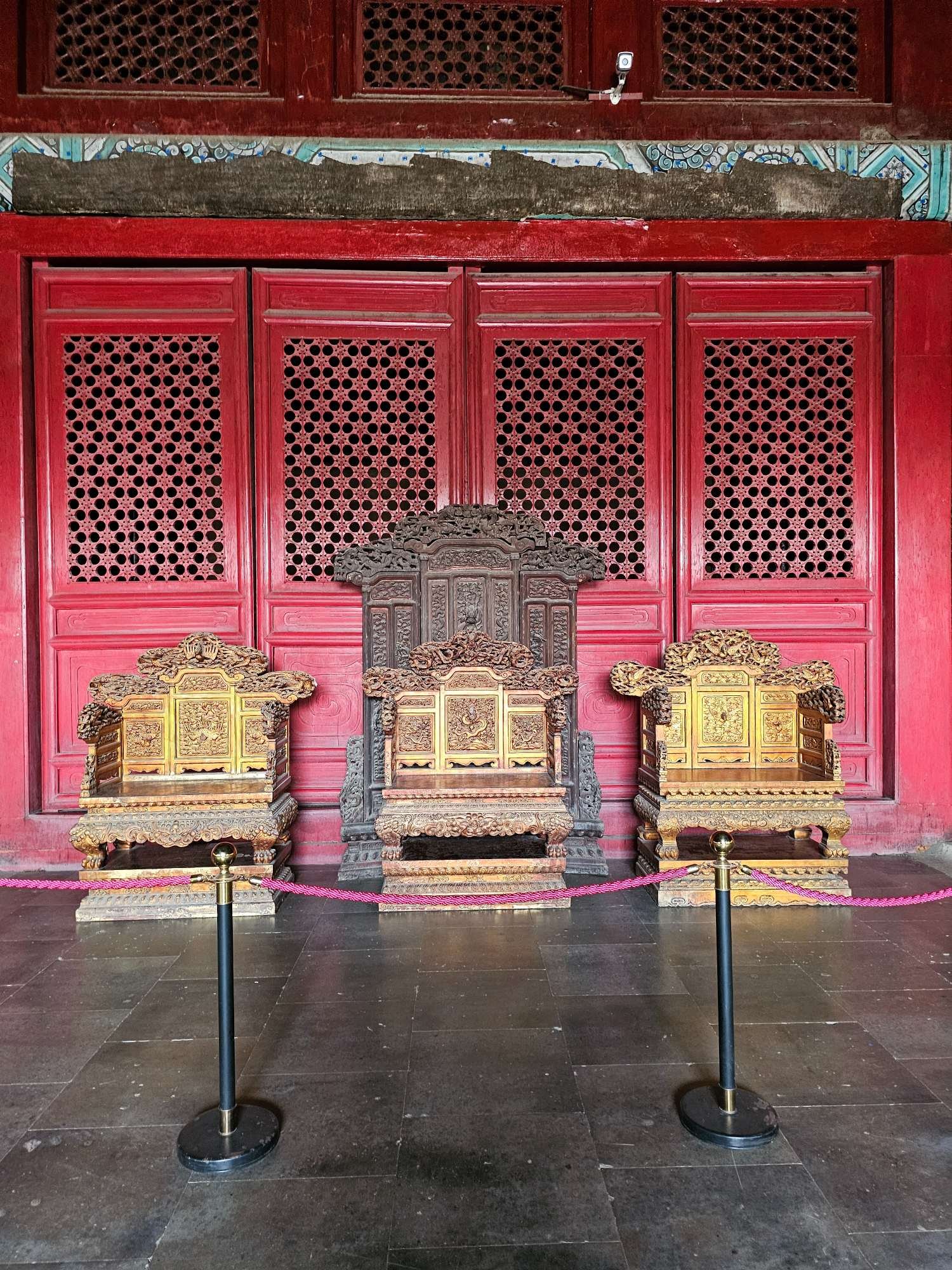
I remember his most fondly as the emperor who told the British delegation, sent by George III in 1792 to open up trade between United Kingdom and China. The British have proudly demonstrated the climax of British engineering and technology, including telescope, watches even carriages in order to impress the Chinese. Emperor Qianlong’s reply was more or less: these would make good toys for Chinese children. Though Qianlong would certainly make a name for himself as a comedian, his policy of keeping China closed to the world will prove to
Najradije ga se sjećam kao cara koji je odbrusio britanskom izaslanstvu, koje je 1792. poslao George III. kako bi otvorilo trgovinu između Ujedinjenog Kraljevstva i Kine. Britanci su ponosno pokazali vrhunac britanskog inženjerstva i tehnologije, među ostalim teleskop, satove, pa čak i kočije, kako bi zadivili Kineze. Odgovor cara Qianlonga glasio je otprilike: ovo bi bile dobre igračke za kinesku djecu. Iako bi se Qianlong sigurno proslavio kao komičar, njegova politika držanja Kine zatvorenom prema svijetu pokazat će se
To get back to Beijing, a woman working on the reception at the ticket office offered to take me to the bus station in the village Shimenzhen for 10 yuan (1.2 euros). This has cemented my suspicions that the bus driver on my way here was also supposed to drop me off at that station, but he instead decided to take the side road just to drop me off to the main entrance of the tombs. She also helped me to buy the tickets. They only accepted WeChat – the most popular Chinese mobile phone payment app, which does not work for me since it does not support foreign credit cards so I paid her with Alipay – another mobile phone payment app – and she bought the ticket for me with her WeChat.
Za povratak u Peking žena koja radi na recepciji blagajne ponudila se da me za 10 juana (1,2 eura) odveze do autobusne stanice u selu Shimenzhen. To je potvrdilo moju sumnju da me i vozač autobusa na dolasku trebao ostaviti na toj stanici, ali je umjesto toga odlučio skrenuti na sporednu cestu samo da bi me ostavio na glavnom ulazu u grobnice. Pomogla mi je i kupiti karte. Primali su samo WeChat – najpopularniju kinesku aplikaciju za plaćanje mobitelom, koja meni ne radi jer ne podržava strane kreditne kartice, pa sam njoj platio Alipayem – drugom aplikacijom za plaćanje mobitelom – a ona mi je kartu kupila svojim WeChatom.
I have spent around 2 hours exploring the Tombs. You can stay there a lot longer, especially if you do not bypass the Sacred Way and other “introductory” sights to the main tombs. I normally wouldn’t but it was really, really cold that day. You do spend 6-7 hours in the bus, but I still think it was worth it. It is a beautiful place and for me, Empress Dowager Cixi is one of the most fascinating figures in the entire Chinese history, so being on the place where she was buried and her corpse was later desecrated… what can I say, I am a history freak.
U razgledavanju grobnica proveo sam oko 2 sata. Možete ostati i puno duže, pogotovo ako ne zaobiđete Sveti put i druge „uvodne“ znamenitosti prije glavnih grobnica. Inače ih ne bih preskočio, ali taj je dan bilo stvarno, stvarno hladno. Istina, u autobusu provedete 6-7 sati, ali i dalje mislim da se isplatilo. Mjesto je prekrasno, a meni je carica udova Cixi jedna od najfascinantnijih osoba u cijeloj kineskoj povijesti, pa biti na mjestu gdje je pokopana i gdje je njezino tijelo kasnije oskvrnuto… što da kažem, ja sam povijesni frik.