
China travel blogPutopisi iz Kine · 8 November 20258. studenoga 2025.
Manchuria
Mandžurija
Manchuria was not originally a part of my travel itinerary. However, I have managed to finish my goals in other parts of China sooner than I thought so I have decided to reward myself with a super-fast tour of Manchuria.
Mandžurija prvotno nije bila dio mog plana putovanja. No ciljeve u drugim dijelovima Kine uspio sam ostvariti brže nego što sam mislio, pa sam se odlučio nagraditi superbrzom turom po Mandžuriji.
My first stop was ancient city of Mukden, now called Shenyang, the former capital of Manchuria. My goal was to explore the origins of the last imperial dynasty of China – Qing Dynasty, which ruled China from 1644 to 1912, when China became Republic.
Prva postaja bio mi je drevni grad Mukden, koji se danas zove Shenyang, nekadašnji glavni grad Mandžurije. Cilj mi je bio istražiti korijene posljednje kineske carske dinastije – dinastije Qing, koja je Kinom vladala od 1644. do 1912., kada je Kina postala republika.
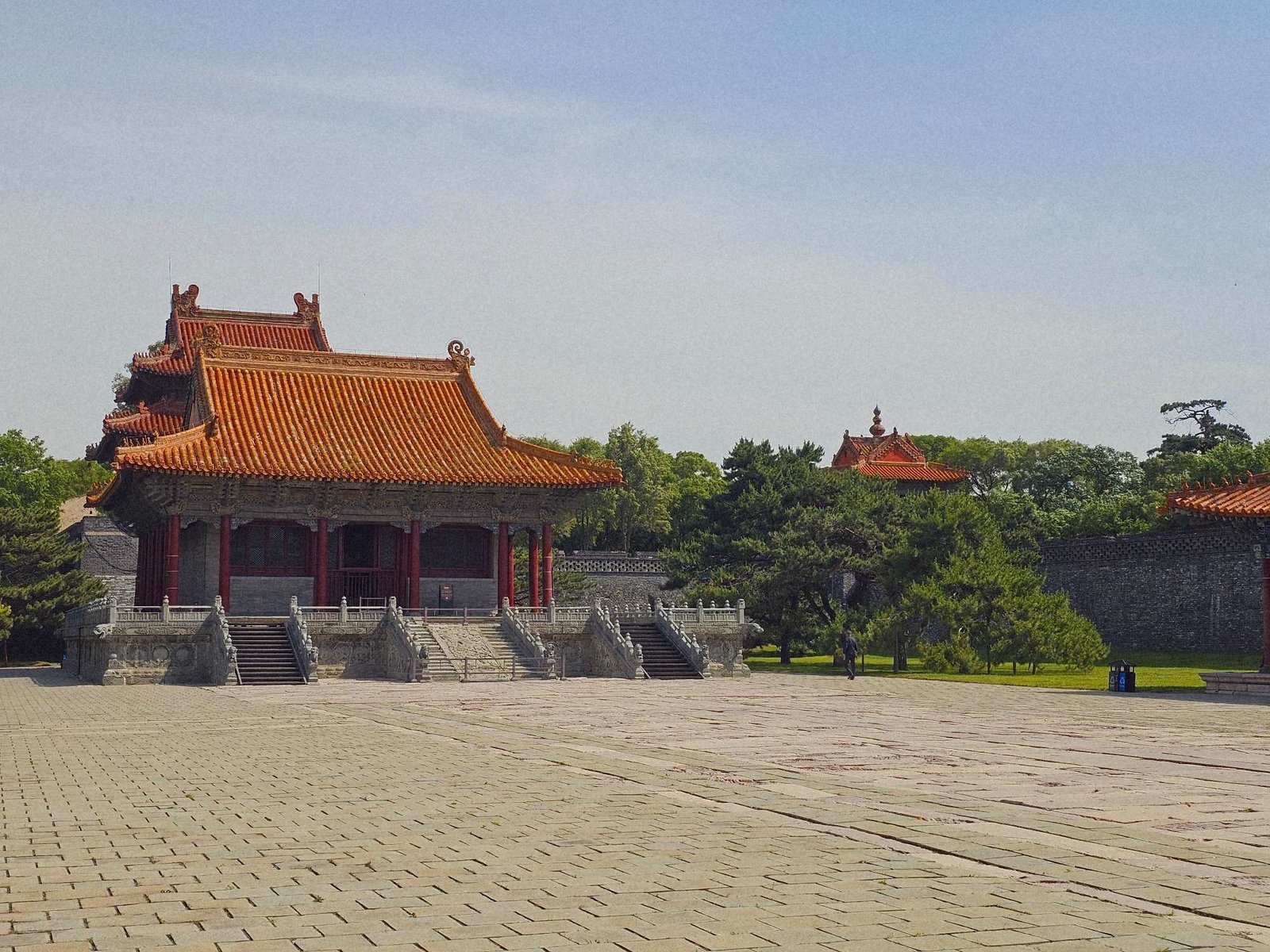
My first destination was Zhao Mausoleum, the tomb of the first Qing Emperor Hong Taiji, also knows as Emperor Taizong. Hong Taiji was not just the founder of the Dynasty, he was the nation builder. It was he who changed the name of his people from Jurchen to Manchu.
Prvo odredište bio mi je mauzolej Zhao, grobnica prvog cara dinastije Qing Hong Taijija, poznatog i kao car Taizong. Hong Taiji nije bio samo osnivač dinastije, bio je i graditelj nacije. Upravo je on promijenio ime svog naroda iz Džurdži u Mandžurci.

The origins of the Qing Dynasty are complicated and politically motivated. Hong Taiji did not create a new empire from nothing, he inherited it from his ancestors, but they called their dynasty Later Jin Dynasty. They aimed to draw heritage on the Jin Empire that ruled Manchuria and Northern China until it was destroyed by the Mongols in 1234.
Počeci dinastije Qing zamršeni su i politički motivirani. Hong Taiji nije stvorio novo carstvo ni iz čega, naslijedio ga je od svojih predaka, ali oni su svoju dinastiju zvali Kasnija dinastija Jin. Htjeli su se pozvati na nasljeđe Carstva Jin, koje je vladalo Mandžurijom i sjevernom Kinom sve dok ga 1234. nisu uništili Mongoli.

So why would Emperor Hong Taiji cut ties with such glorious ancestry? Well, his ambition was to conquer all of China, and to understand why Later Jin dynasty would not be a suitable candidate to replace the Ming Dynasty, which ruled China at that time, we must understand the theory of Five Elements (Wuxing). According to this theory the world is in constant fluctuation between five elements: water, earth, metal, fire and wood. Every dynasty had its “avatar” element. Jin Dynasty’s element was metal, while Ming Dynasty’s element was fire. It is clear that metal cannot defeat fire. To make the transition from Ming to Manchu rule palatable to Chinese, Hong Taiji created a new dynasty with a new element – water. Water will defeat fire and thus make it obvious to the Chinese why the Mandate of Heaven was withdrawn from the Ming and given to the Qing Dynasty.
Zašto bi onda car Hong Taiji prekinuo veze s tako slavnim podrijetlom? Pa, njegova je ambicija bila osvojiti cijelu Kinu, a da bismo shvatili zašto Kasnija dinastija Jin ne bi bila prikladan kandidat za zamjenu dinastije Ming, koja je tada vladala Kinom, moramo razumjeti teoriju pet elemenata (Wuxing). Prema toj teoriji svijet se stalno mijenja između pet elemenata: vode, zemlje, metala, vatre i drva. Svaka je dinastija imala svoj element „avatar“. Element dinastije Jin bio je metal, a element dinastije Ming vatra. Jasno je da metal ne može pobijediti vatru. Kako bi Kinezima prijelaz s vladavine Minga na vladavinu Mandžuraca učinio prihvatljivim, Hong Taiji stvorio je novu dinastiju s novim elementom – vodom. Voda će pobijediti vatru i tako će Kinezima biti očito zašto je Mandat Neba oduzet dinastiji Ming i dan dinastiji Qing.
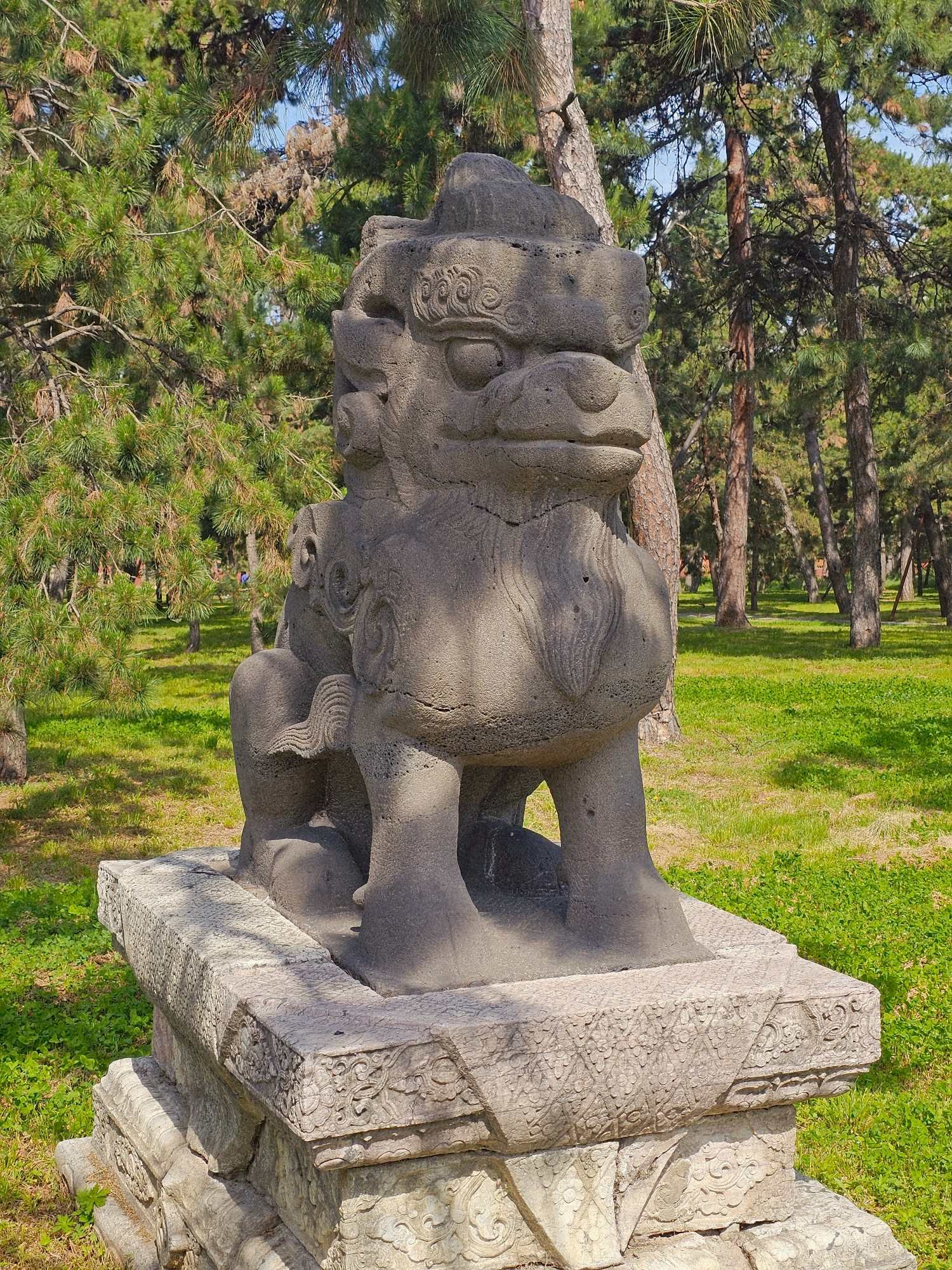
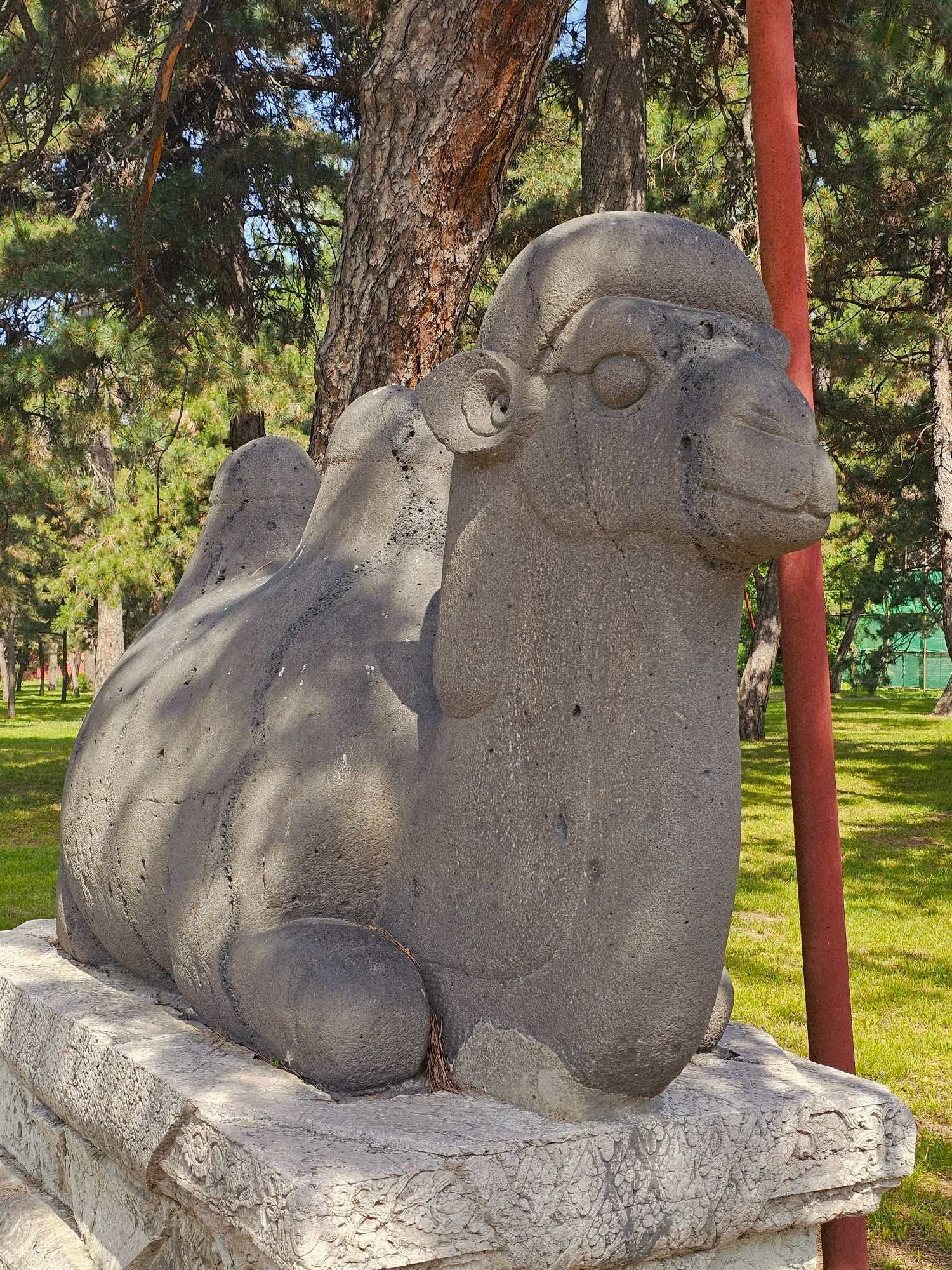
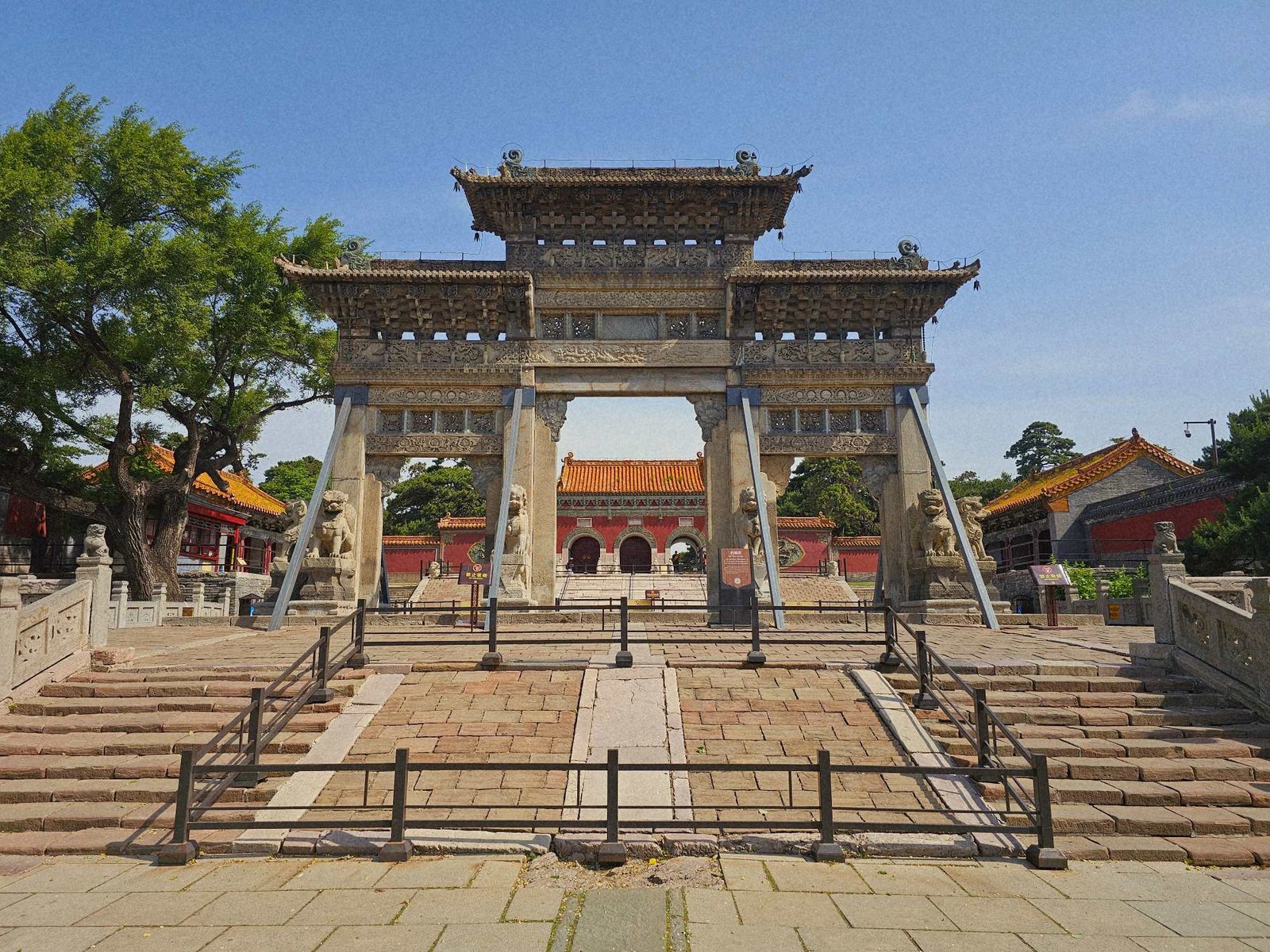
The tomb was built along the same principles as the Ming tombs in China. As you pass through the entrance, you will reach the sacred way, which is guarded by statues of animals. In the case of Emperor Hong Taiji, he was protected by lions, xiezhi and qilin (two mythical Chinese animals), horses, camels and elephants.
Grobnica je izgrađena po istim načelima kao i grobnice dinastije Ming u Kini. Kad prođete kroz ulaz, doći ćete do svetog puta, koji čuvaju kipovi životinja. Cara Hong Taijija štitili su lavovi, xiezhi i qilin (dvije mitske kineske životinje), konji, deve i slonovi.
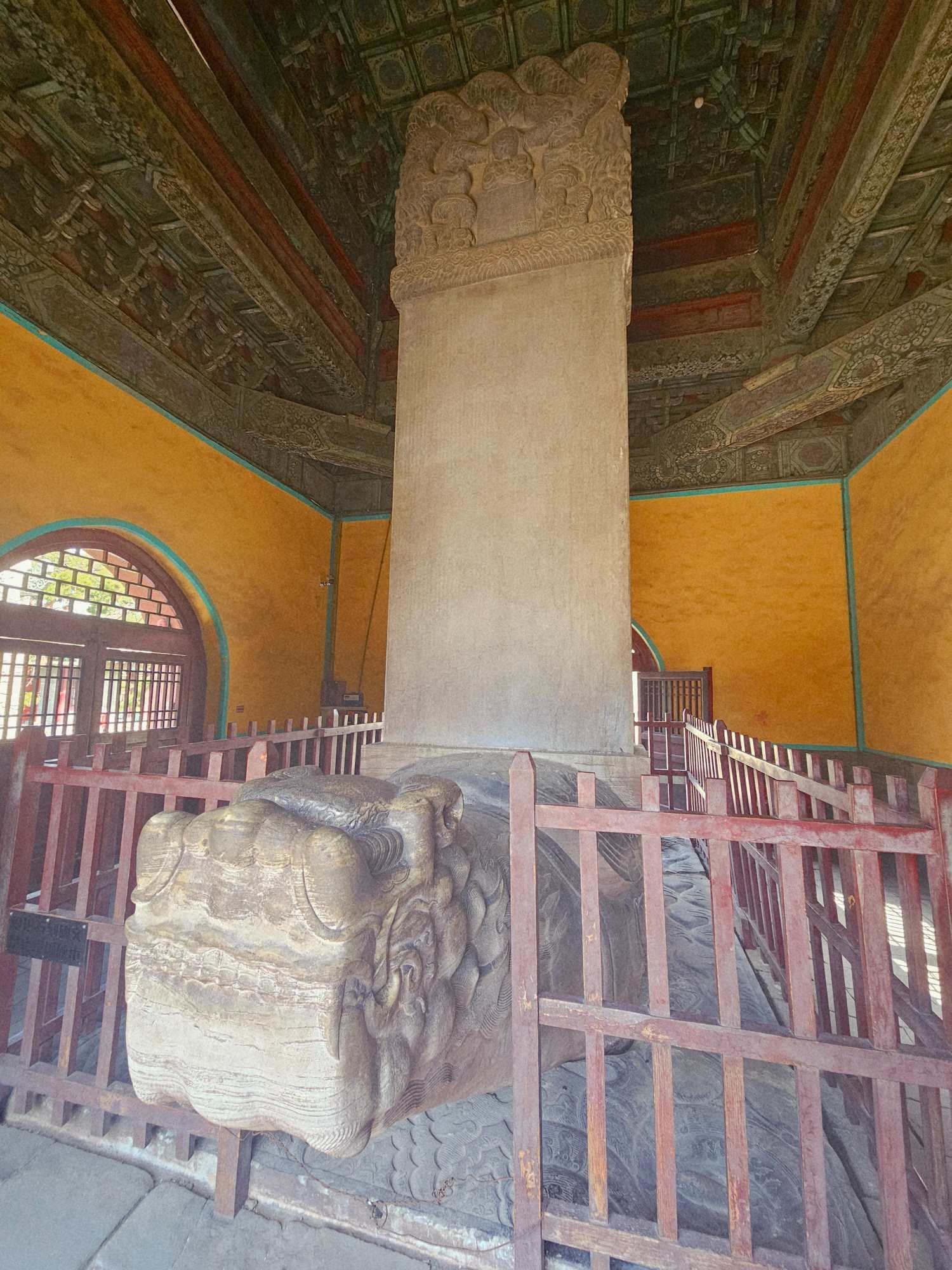

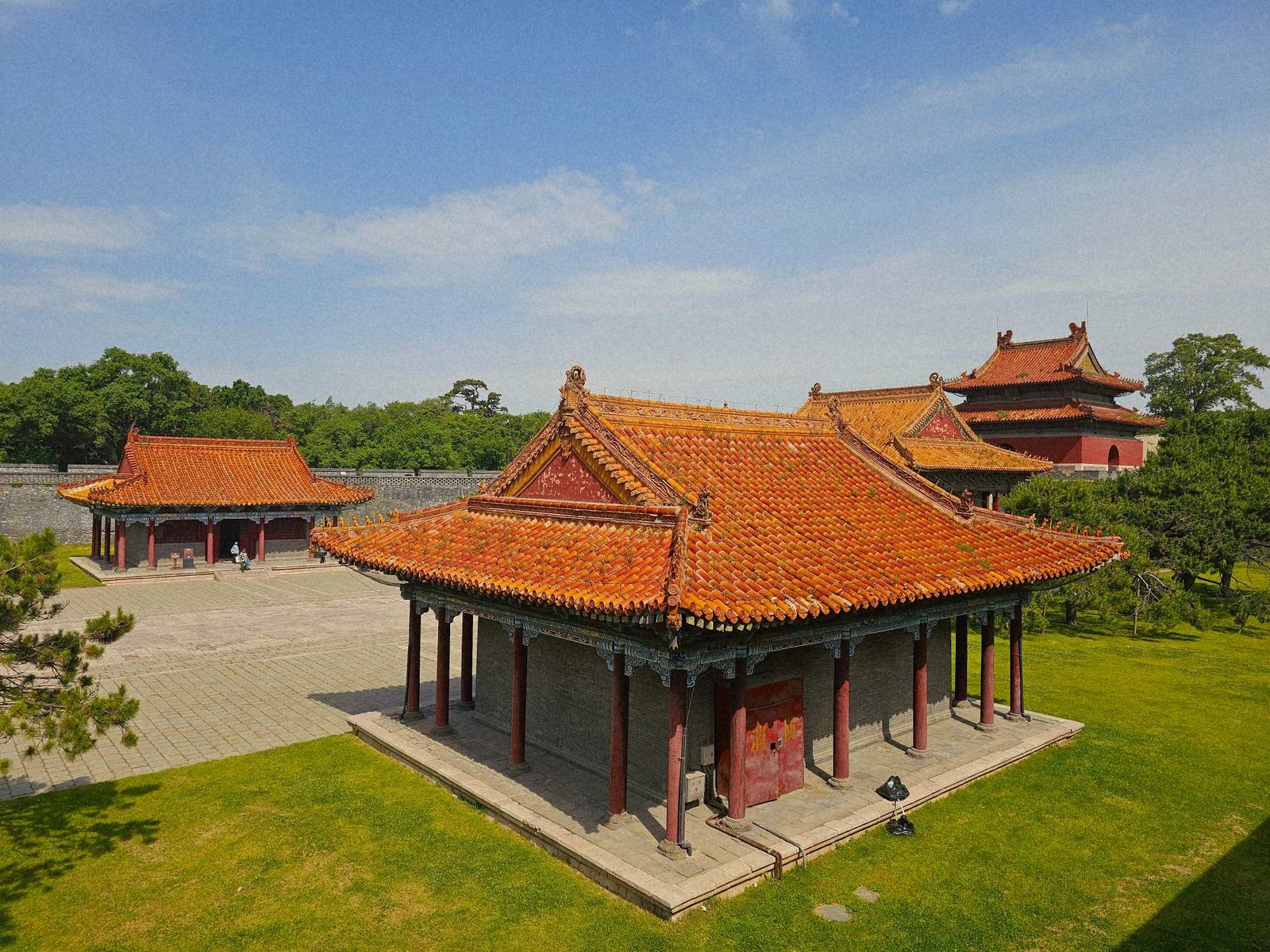
The main part of the tomb is the Square City, which contains the burial mound, where the Emperor, his wife and their treasure are buried. The side facilities served as storage for sacrificial fruit and other foods that were ceremonially presented to the deceased Emperor every year. There is also a special pavilion for burning silk and other offerings to the Emperor.
Glavni dio grobnice je Četvrtasti grad, u kojem se nalazi grobni humak gdje su pokopani car, njegova žena i njihovo blago. Bočne zgrade služile su kao spremište za žrtveno voće i drugu hranu koja se svake godine obredno prinosila pokojnom caru. Tu je i poseban paviljon za spaljivanje svile i drugih darova caru.
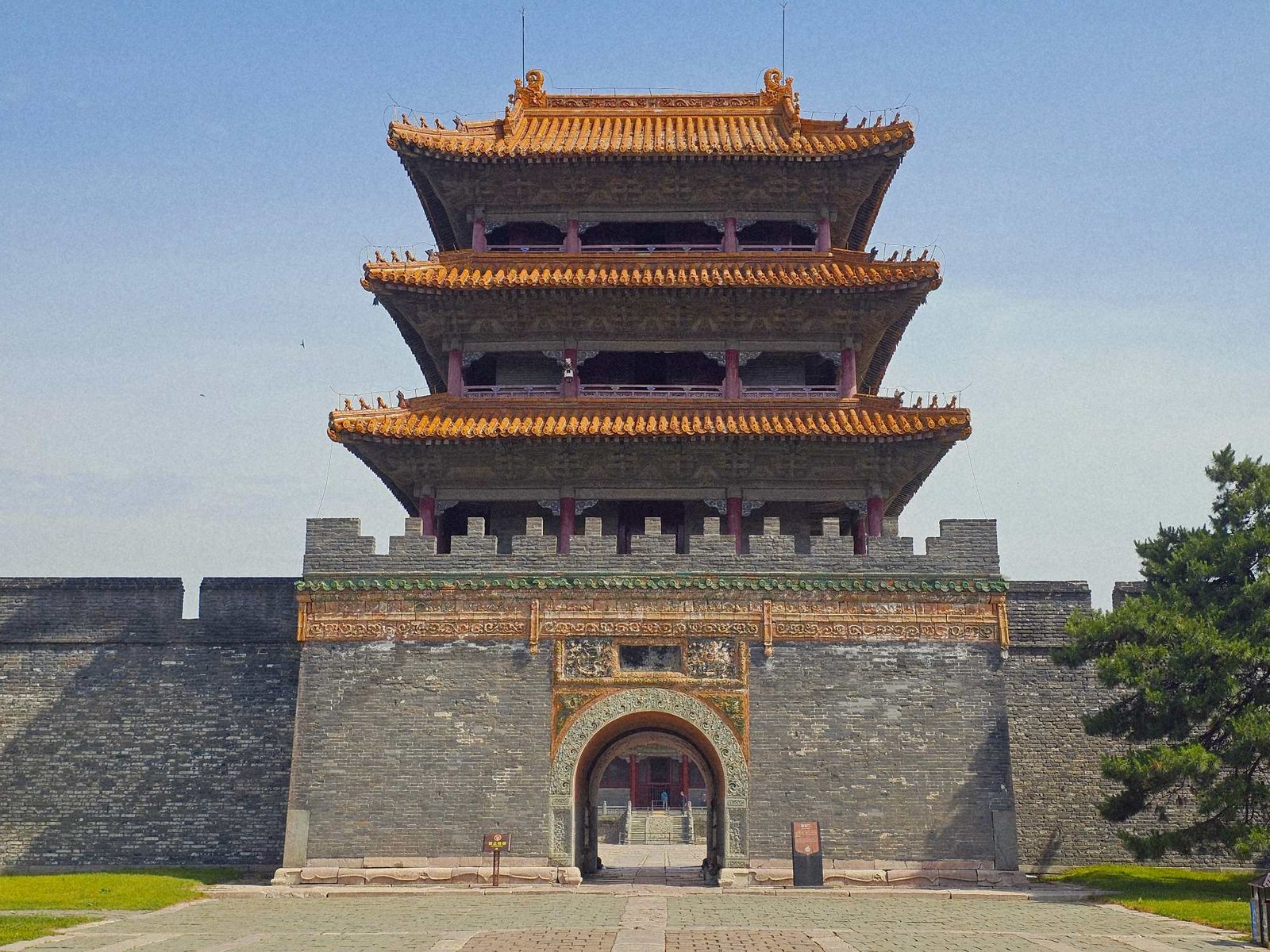
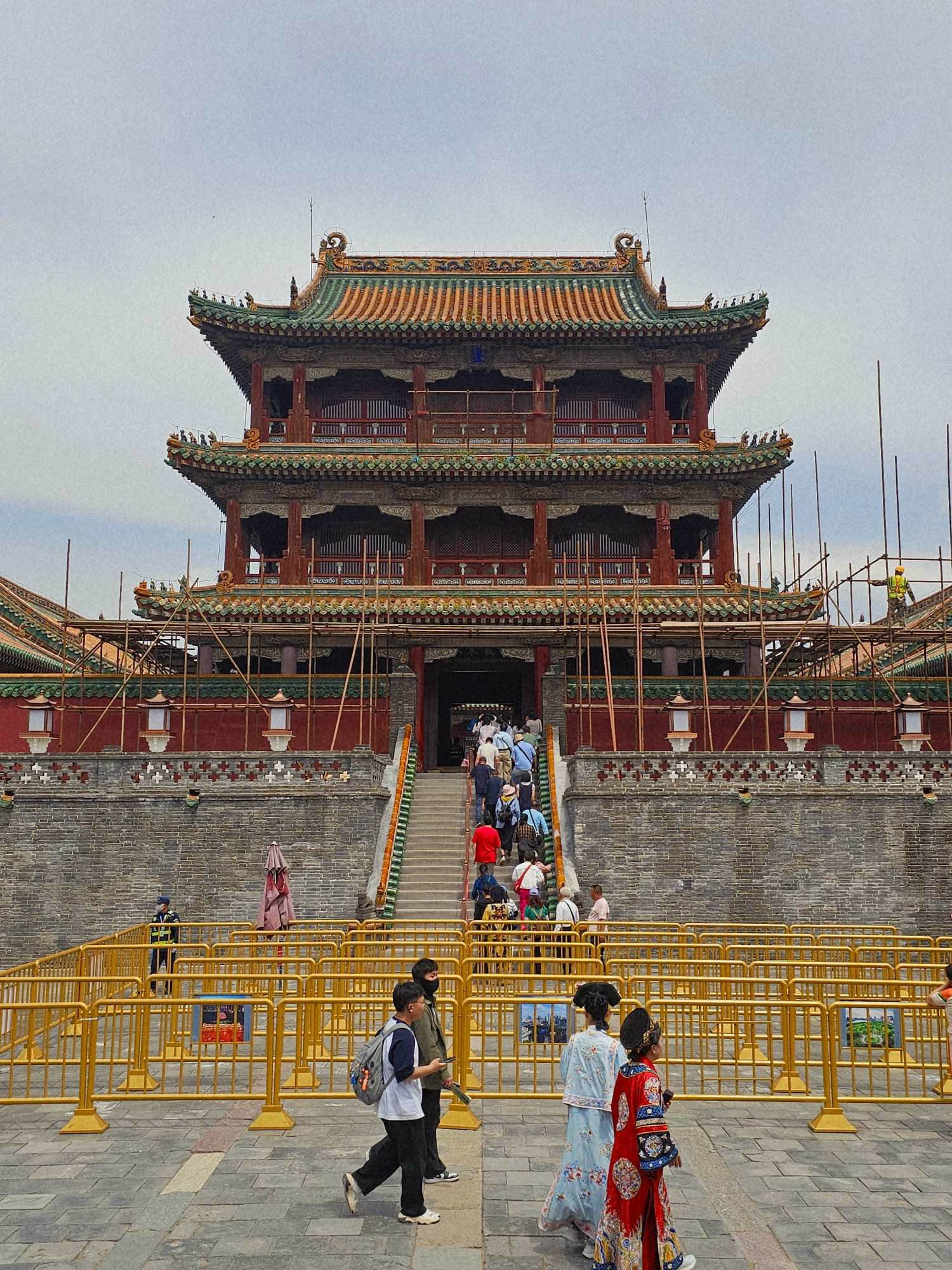
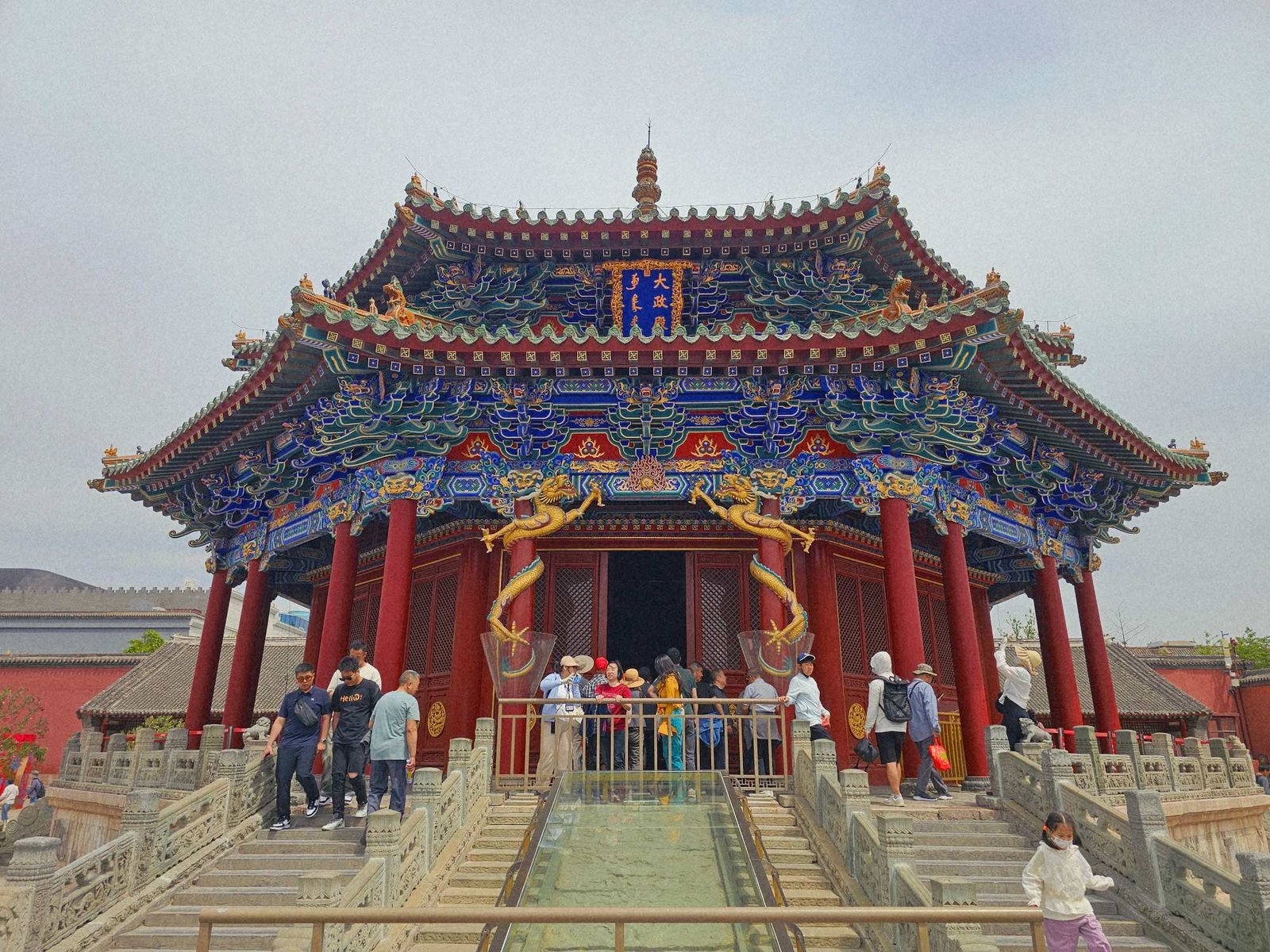
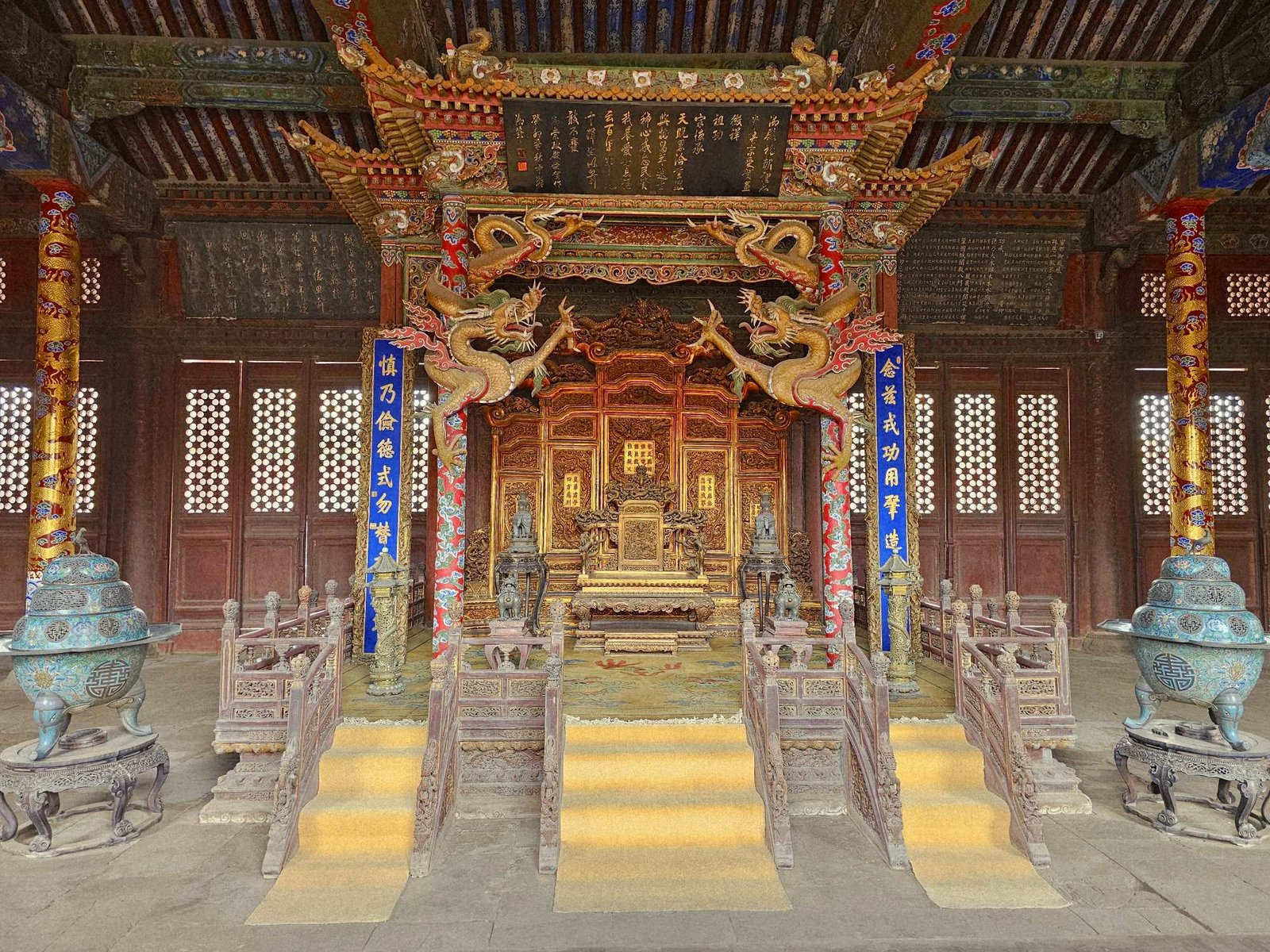
The second historical treasure laying in Shenyang is the old Imperial Palace of the Later Jin Dynasty, which the Manchu rulers used before they conquered China and moved their capital to the Forbidden City in Beijing. By size and splendor this imperial palace is no match for the home of Chinese Emperors. Manchu states, though militarily very potent, could never match the wealth of the Chinese Empire and their imperial palace demonstrates it through a combination of beauty and austerity. As such it reflects the traditional way of life of Manchu and other steppe peoples north of the Great Wall.
Drugo povijesno blago Shenyanga stara je carska palača Kasnije dinastije Jin, kojom su se mandžurski vladari služili prije nego što su osvojili Kinu i preselili prijestolnicu u Zabranjeni grad u Pekingu. Veličinom i raskoši ova se carska palača ne može mjeriti s domom kineskih careva. Mandžurske države, iako vojno vrlo moćne, nikad se nisu mogle mjeriti s bogatstvom Kineskog Carstva, a njihova carska palača to pokazuje spojem ljepote i skromnosti. Time odražava tradicionalni način života Mandžuraca i drugih stepskih naroda sjeverno od Velikog zida.


Changbaishan
The border with North Korea hides some of China’s greatest natural gems – Heaven Lake. Changbai mountain, which is an extinct volcano, whose collapsed top is now a beautiful lake, is situated next to a small town called Baihe. Even though the whole area is very remote, it is connected with major Manchurian cities by high-speed rail.
Granica sa Sjevernom Korejom skriva jedan od najvećih prirodnih dragulja Kine – Nebesko jezero. Planina Changbai, ugasli vulkan čiji je urušeni vrh danas prekrasno jezero, nalazi se pokraj gradića Baihe. Iako je cijelo područje vrlo zabačeno, s velikim mandžurskim gradovima povezano je brzom željeznicom.
There are two entrances into the National Park. Northern entrance is very close to Baihe and it is the most popular entrance. On this route you pass through the beautiful big waterfall on your way to the Heaven Lake. The other entrance is Western Entrance, some 1 hour away from Baihe, is used to see the canyon.
U nacionalni park vode dva ulaza. Sjeverni ulaz vrlo je blizu Baihea i najpopularniji je. Na toj ruti na putu do Nebeskog jezera prolazite pokraj prekrasnog velikog slapa. Drugi je Zapadni ulaz, oko sat vremena od Baihea, a njime se ide vidjeti kanjon.
I woke up early to be at the Northern Entrance around 7:30, when the National Park opens, and immediately my problems started. The Didi driver (Chinese Uber) told me the Northern Entrance is closed and then said a lot of things in Chinese that I could not understand, even after using the translator. I decided to return to my hostel and examine my options with the owner, who spoke fluent English. She confirmed that Northern Entry was closed due to rain and had arranged a spot for me in the tourist mini-bus to the Western Entrance.
Probudio sam se rano kako bih na Sjevernom ulazu bio oko 7:30, kad se nacionalni park otvara, i problemi su odmah počeli. Vozač Didija (kineskog Ubera) rekao mi je da je Sjeverni ulaz zatvoren, a onda je na kineskom rekao još puno toga što nisam mogao razumjeti, čak ni uz pomoć prevoditelja. Odlučio sam se vratiti u hostel i provjeriti koje su mi mogućnosti s vlasnicom, koja je tečno govorila engleski. Potvrdila je da je Sjeverni ulaz zatvoren zbog kiše i sredila mi mjesto u turističkom minibusu do Zapadnog ulaza.
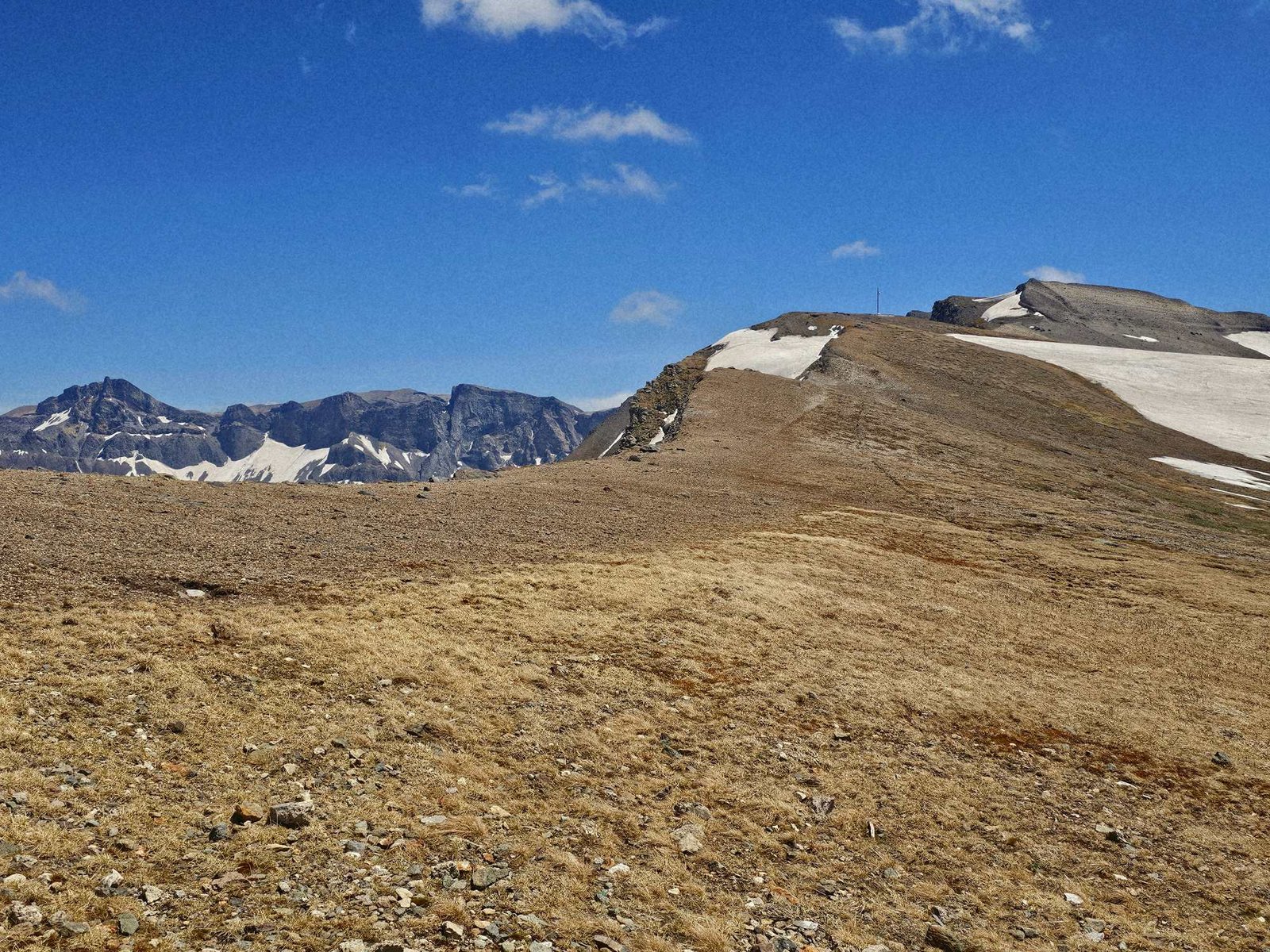
After 2 hours in the minibus to the Western Entrance (it should have been 1 hour, but the main road was closed), I was pushed into another one-hour bus to the Heaven Lake. The bus leaves you just below the top of the volcano. You just need to climb 2200 steps to get the magnificent views of the lake.
Nakon 2 sata u minibusu do Zapadnog ulaza (trebalo je trajati sat vremena, ali glavna cesta bila je zatvorena) ugurali su me u drugi autobus, na još sat vremena vožnje do Nebeskog jezera. Autobus vas ostavi tik ispod vrha vulkana. Trebate se samo popeti uz 2200 stepenica da biste dobili veličanstven pogled na jezero.

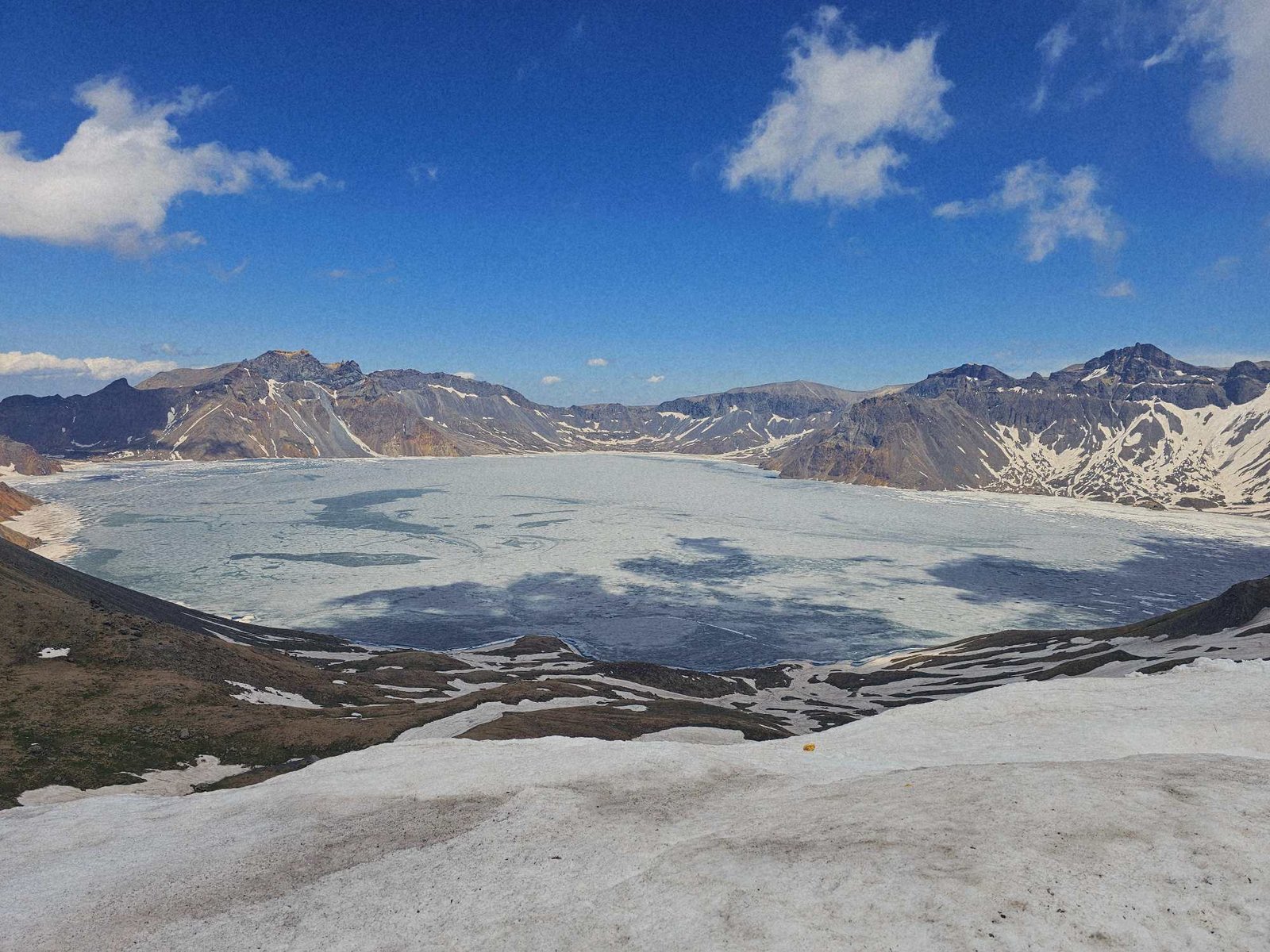
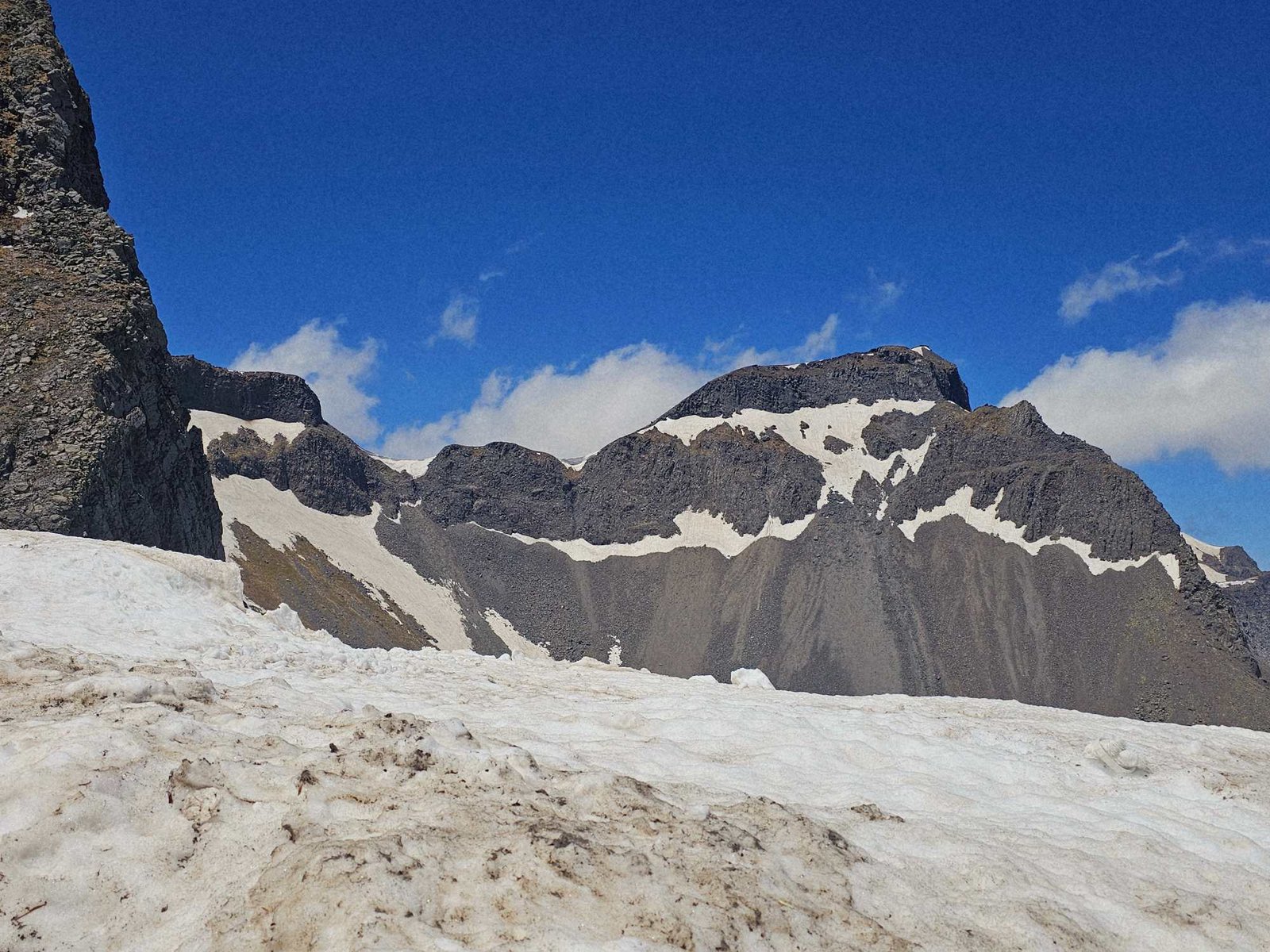
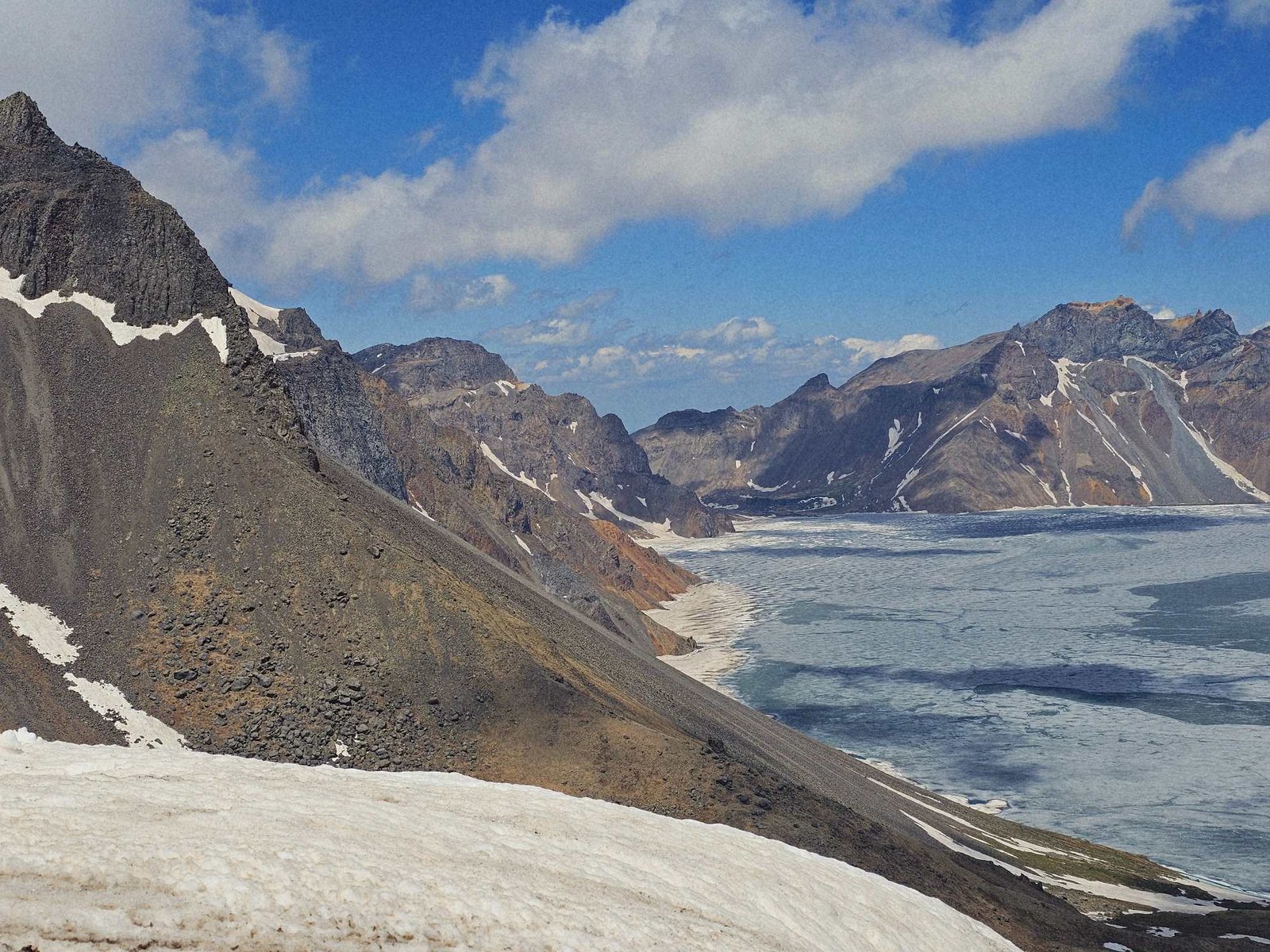
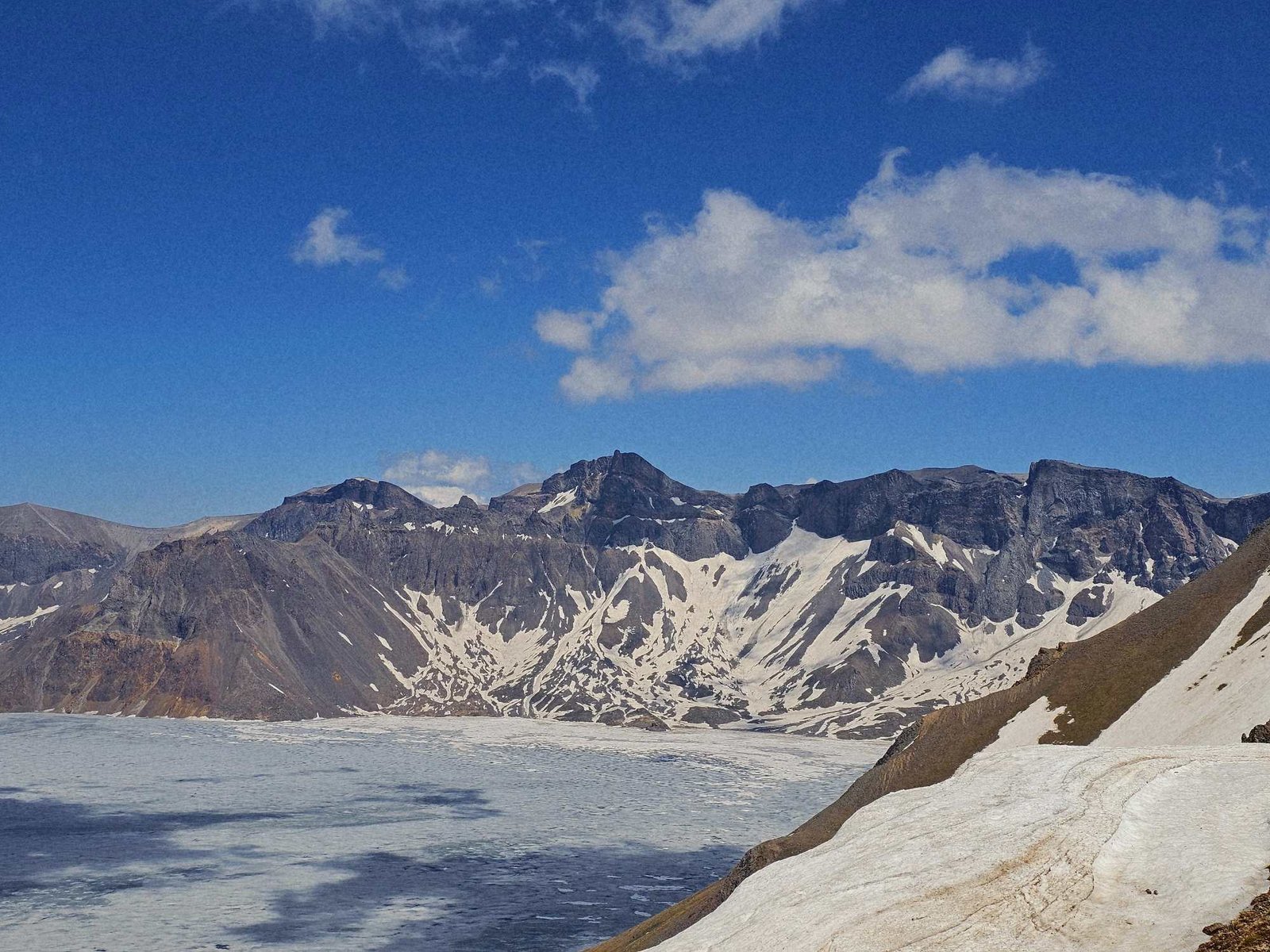
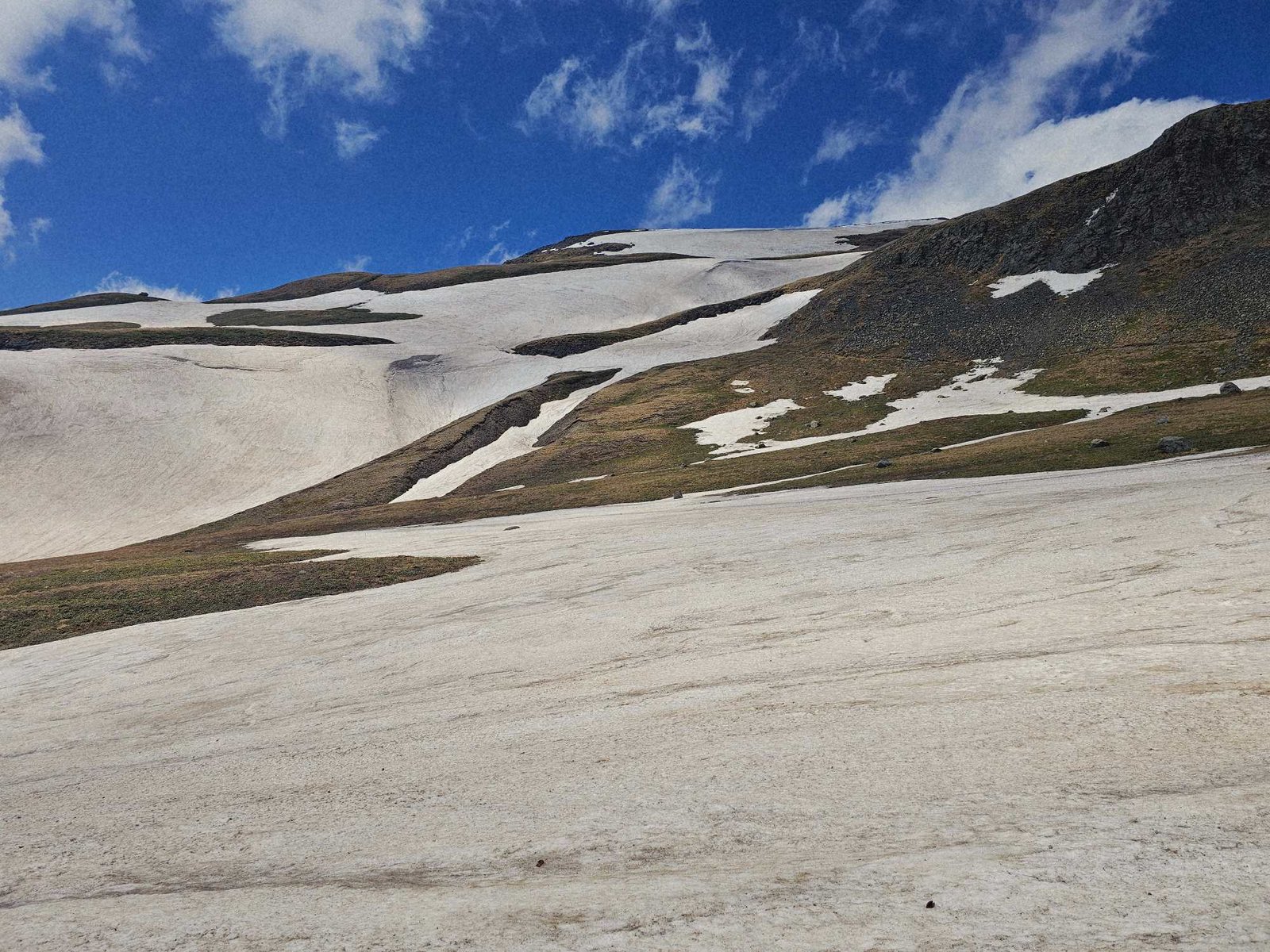
My first glimpses of the lake created a mixture of awe and surprise – it was covered with ice! The top of the volcano is quite high – 2400m, with the lake just below – but I was not expecting to see ice, especially since the tourist information about the lake stressed that the lake should be visited from June (I was there in early June). The viewing platform is quite small and unfortunately you cannot hike around the lake, but the views are still stunning.
Prvi pogledi na jezero izazvali su mješavinu divljenja i iznenađenja – bilo je prekriveno ledom! Vrh vulkana prilično je visok – 2400 m, a jezero je tik ispod – ali nisam očekivao da ću vidjeti led, pogotovo zato što se u turističkim informacijama o jezeru naglašavalo da ga treba posjetiti od lipnja (ja sam bio tamo početkom lipnja). Vidikovac je prilično malen i nažalost ne možete hodati oko jezera, ali pogled je svejedno zadivljujuć.

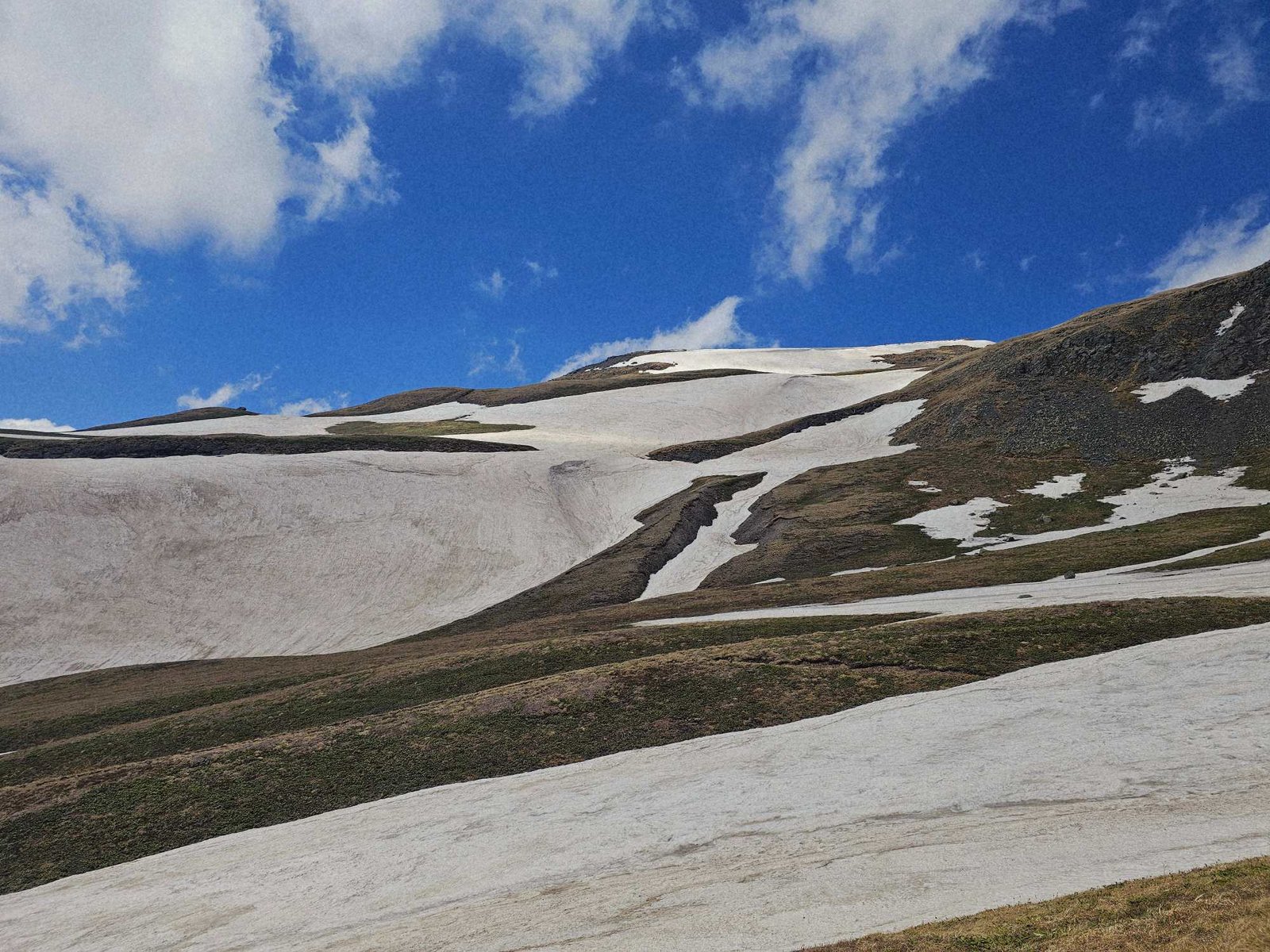
To get to the best spot to take photos, you have to queue up. In my case it was half an hour. You can also hire a professional photographer to take photos of you.
Da biste došli do najboljeg mjesta za fotografiranje, morate stati u red. Ja sam čekao pola sata. Možete unajmiti i profesionalnog fotografa da vas fotografira.


After about an hour viewing the lake, it was time to take the same buses back. I had to wait for 2 hours for my minibus to take me back from Western Entrance to my hostel in Baihe. I spent so much time in the bus that I missed the last train to Harbin. I had to spend one more night in Baihe and get on the first train the next day. It is a just under 4 hour journey and I was presented with a big dilemma – pay 15 euros more and get the first class ticket or buy standing ticket and hope someone with the ticket will not show up. I chose the backpacking option. It should be interesting.
Nakon otprilike sat vremena gledanja jezera došlo je vrijeme da se istim autobusima vratim natrag. Morao sam čekati 2 sata na minibus koji će me vratiti od Zapadnog ulaza do hostela u Baiheu. U autobusu sam proveo toliko vremena da sam propustio zadnji vlak za Harbin. Morao sam provesti još jednu noć u Baiheu i sutradan sjesti na prvi vlak. Put traje nešto manje od 4 sata i našao sam se pred velikom dvojbom – platiti 15 eura više i uzeti kartu za prvi razred ili kupiti kartu za stajanje i nadati se da se netko s kartom neće pojaviti. Odabrao sam backpackersku opciju. Trebalo bi biti zanimljivo.
So, the summary of my trip is: one hour enjoying the natural beauty and nine hours of sitting in a bus or waiting for the bus. You can make your own decision on whether this trip was worth it or not. I am glad that I made the most out of a bad situation.
Dakle, sažetak mog izleta glasi: jedan sat uživanja u prirodnim ljepotama i devet sati sjedenja u autobusu ili čekanja autobusa. Sami odlučite je li se ovaj izlet isplatio ili nije. Meni je drago što sam iz loše situacije izvukao najviše što se moglo.
Back in my hostel, I spoke to the owner about the whole situation. She told me the Northern Entrance closes when there is snow or rain. Apparently, it was raining at the northern part of the mountain. I find it hard to believe because it was very sunny when I was at the lake. So, a big warning to all you travelers. If you plan to visit Changbaishan and Heaven Lake, check the weather forecast first! Also, leave a few days so if the Northern Entrance is closed one day, you can go there the next day. I did see Heaven Lake, but I missed the beautiful waterfall. Plan carefully!
Kad sam se vratio u hostel, razgovarao sam s vlasnicom o cijeloj situaciji. Rekla mi je da se Sjeverni ulaz zatvara kad pada snijeg ili kiša. Navodno je na sjevernom dijelu planine padala kiša. Teško mi je u to povjerovati jer je bilo jako sunčano dok sam bio na jezeru. Zato veliko upozorenje svima vama koji putujete. Ako planirate posjetiti Changbaishan i Nebesko jezero, prvo provjerite vremensku prognozu! Ostavite si i nekoliko dana, pa ako je Sjeverni ulaz jedan dan zatvoren, možete otići sutradan. Nebesko jezero jesam vidio, ali sam propustio prekrasan slap. Planirajte pažljivo!
Harbin
The start to my Harbin adventure was rocky– I have decided to gamble, save money and buy standing ticket for 3:40 hours train to Harbin, hoping that the train is fully booked for just one small section of the trip. Results were mixed – I managed to sit for half of the trip.
Početak moje harbinske pustolovine bio je trnovit – odlučio sam se kockati, uštedjeti i kupiti kartu za stajanje za vožnju vlakom do Harbina dugu 3 sata i 40 minuta, u nadi da je vlak popunjen samo na jednom kratkom dijelu puta. Rezultat je bio polovičan – uspio sam sjediti pola puta.
Chinese hostels can be in weird places but my hostel, which in every other aspect was great, had the craziest location. It was on the 4th floor of the mostly abandoned shopping mall, right next to the Chinese Cinestar. In my 25 years of backpacking this was the first time that I could order popcorn as soon as I left the doors of my hostel.
Kineski hosteli znaju biti na čudnim mjestima, ali moj je hostel, koji je u svemu drugome bio odličan, imao najluđu lokaciju. Bio je na 4. katu uglavnom napuštenog trgovačkog centra, odmah pokraj kineskog Cinestara. U 25 godina putovanja s ruksakom ovo je bilo prvi put da sam mogao naručiti kokice čim izađem kroz vrata hostela.
As I have planned only one night in Harbin, it was time to go an explore. The city has a distinctly non-Chinese feeling about it. In fact, Russians and Jews were far more instrumental in setting up the city than Han Chinese. Even though it is one of the biggest cities in China, Harbin is one of the youngest, with its origins in late 19th century, when it served as the base for Russian engineers building the Chinese leg of the Trans-Siberian railway.
Kako sam u Harbinu planirao samo jedno noćenje, bilo je vrijeme da krenem u istraživanje. Grad ima izrazito nekineski ugođaj. Zapravo su Rusi i Židovi bili daleko zaslužniji za nastanak grada nego Han Kinezi. Iako je jedan od najvećih gradova u Kini, Harbin je i jedan od najmlađih: nastao je krajem 19. stoljeća, kad je služio kao baza ruskim inženjerima koji su gradili kineski krak Transsibirske željeznice.
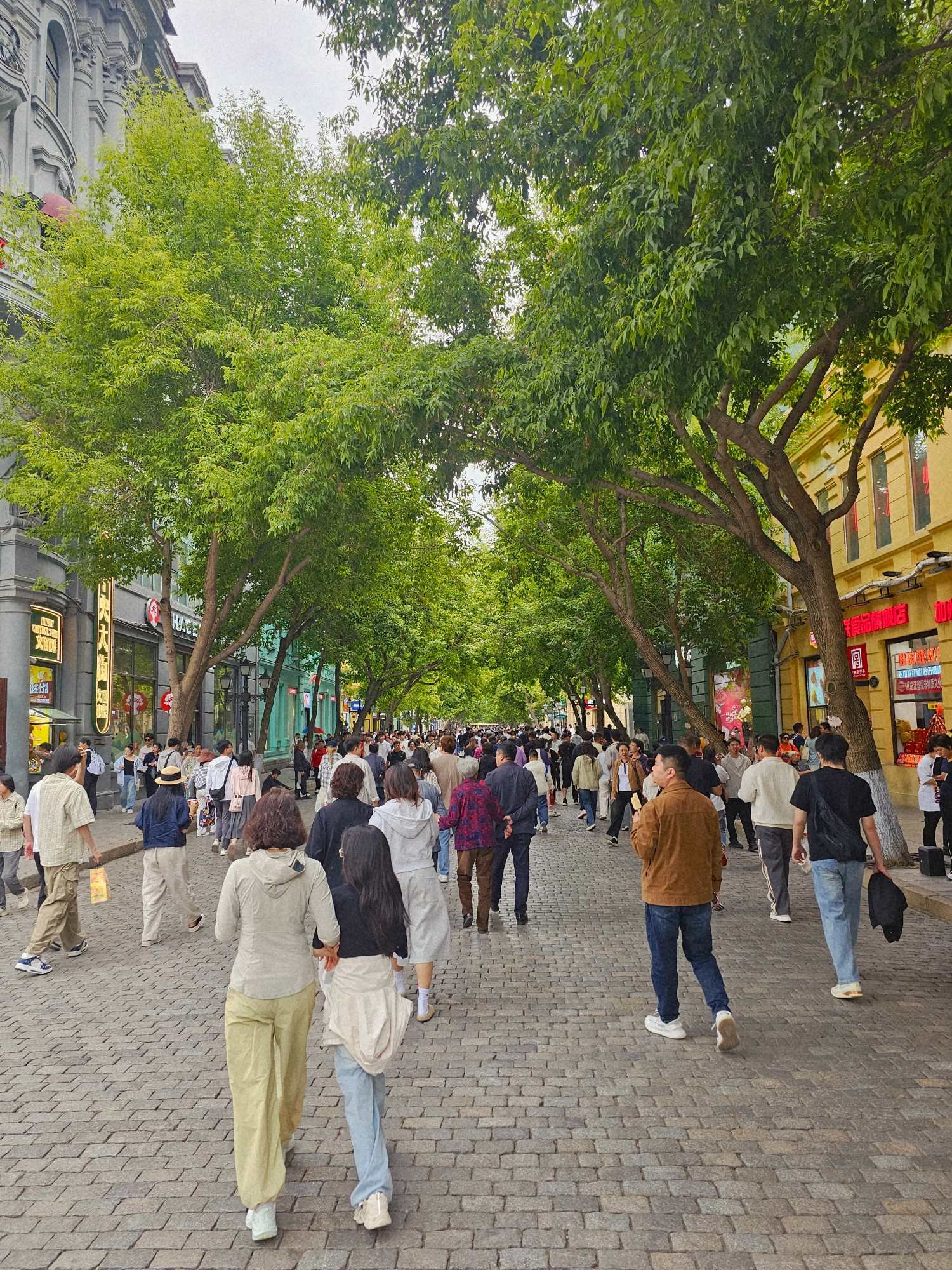
My hostel was centrally located, 20 meters away from the main pedestrian street – Harbin central street. In fact, this is the longest pedestrian street in China. As I was fed up with Chinese food, I have firmly decided to find a nice Russian restaurant. Luckily for me, as you walk by the shops and restaurants, it was easier to find a Russian than a Chinese restaurant. It made me so homesick looking at all those breads and smoked sausages in the stalls of the shops. I settled on Russian/Armenian restaurant where all the staff was Chinese, though they do great you with “spasiba”. I ordered a very nice borsch, of course, and some rather ordinary baked sausages with mashed potatoes.
Moj je hostel bio u samom centru, 20 metara od glavne pješačke ulice – harbinske Središnje ulice. To je zapravo najduža pješačka ulica u Kini. Kako mi je kineske hrane bilo preko glave, čvrsto sam odlučio pronaći neki dobar ruski restoran. Na moju sreću, dok hodate pokraj trgovina i restorana, lakše je naći ruski nego kineski restoran. Uhvatila me silna nostalgija za domom dok sam gledao sve te kruhove i dimljene kobasice na policama trgovina. Odlučio sam se za rusko-armenski restoran u kojem je svo osoblje bilo kinesko, iako vas pozdravljaju sa „spasiba“. Naručio sam, naravno, jako dobar boršč i prilično obične pečene kobasice s pire krumpirom.

Even though Northern Chinese cuisine is based on similar grains to European cuisine – wheat, millet and rye – they make horrible bread. I managed to find some beautiful looking bread with sesame seeds on top. They put sugar in it! Hopefully the Russian thought them how to make bread before they left.
Iako se sjevernokineska kuhinja temelji na sličnim žitaricama kao europska – pšenici, prosu i raži – kruh rade grozno. Uspio sam naći kruh koji je izgledao prekrasno, sa sezamom na vrhu. Stavljaju šećer u njega! Nadam se da su ih Rusi prije odlaska naučili kako se radi kruh.


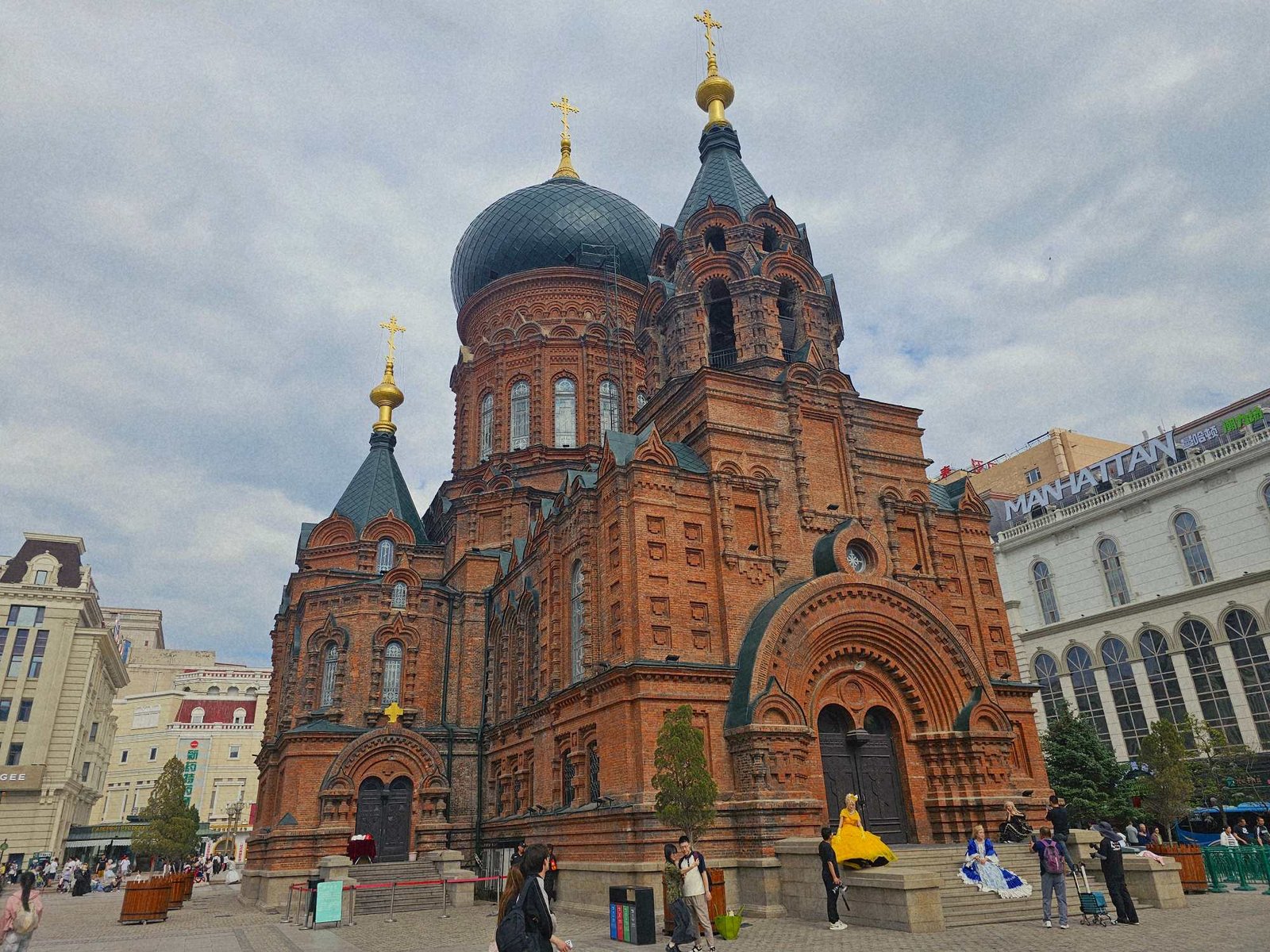
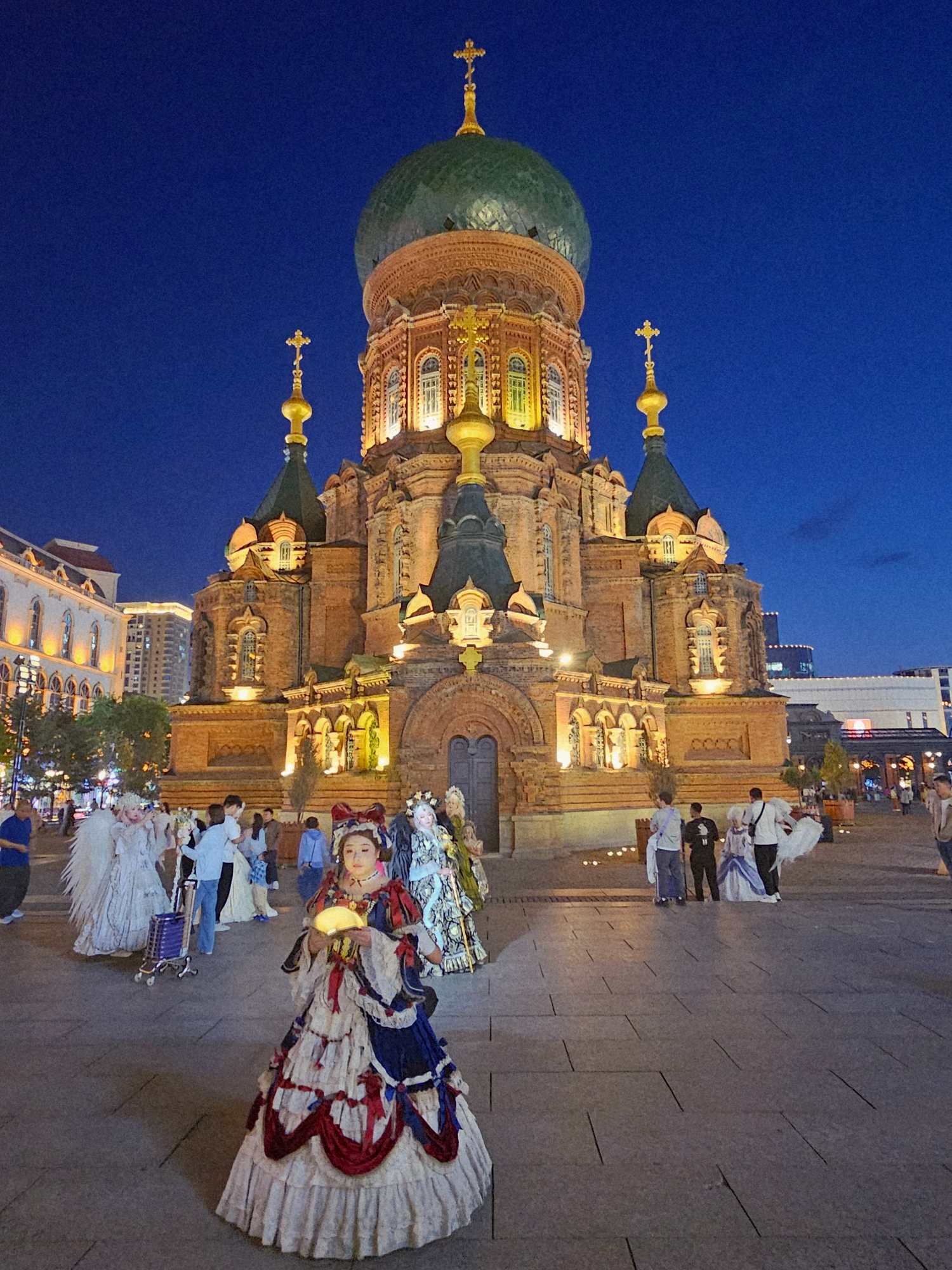
Even though there are many leftovers of the Russian and European heritage in the city, the only Russians you will find in Harbin are tourists like me. The most impressive remnant of the lost time is Saint Sophia Orthodox Church. As there are no more Russians living in Harbin, the church is not active so you cannot go inside.
Iako u gradu ima mnogo ostataka ruskog i europskog nasljeđa, jedini Rusi koje ćete naći u Harbinu turisti su poput mene. Najdojmljiviji ostatak izgubljenog vremena pravoslavna je crkva svete Sofije. Kako u Harbinu više ne žive Rusi, crkva nije aktivna pa ne možete ući.


The native Russian and Jewish population were expatriated in the 1950s, after one of many “disputes” between Chinese and Soviet communist leadership. Comrade Stalin referring to Comrade Mao as “cave communist” was certainly not a way to develop stable foundation for relationship based on mutual respect.
Domaće rusko i židovsko stanovništvo iseljeno je 1950-ih, nakon jednog od mnogih „sporova“ između kineskog i sovjetskog komunističkog vodstva. To što je drug Staljin druga Maa nazivao „špiljskim komunistom“ sigurno nije bio način da se izgradi čvrst temelj za odnos zasnovan na uzajamnom poštovanju.
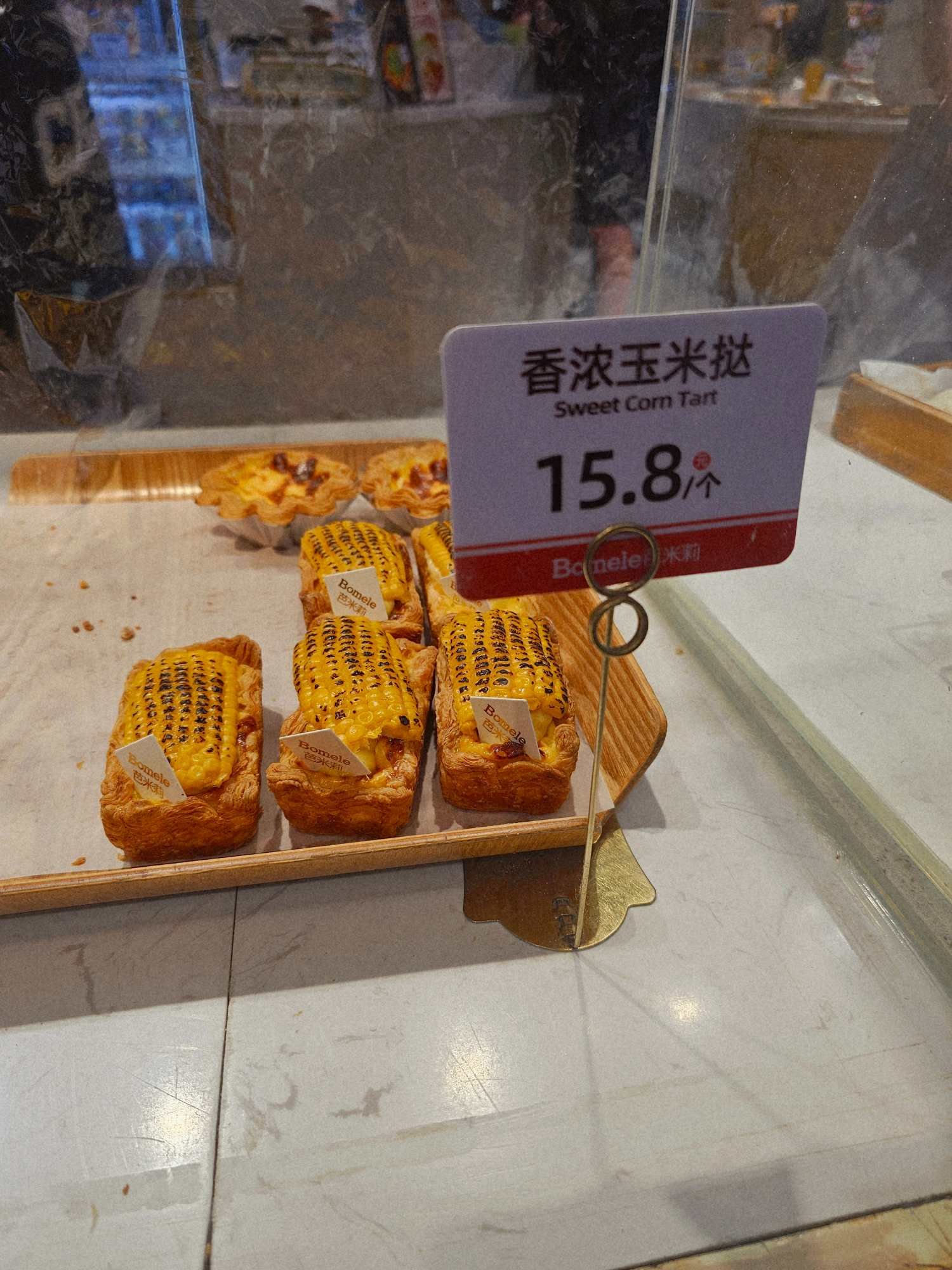
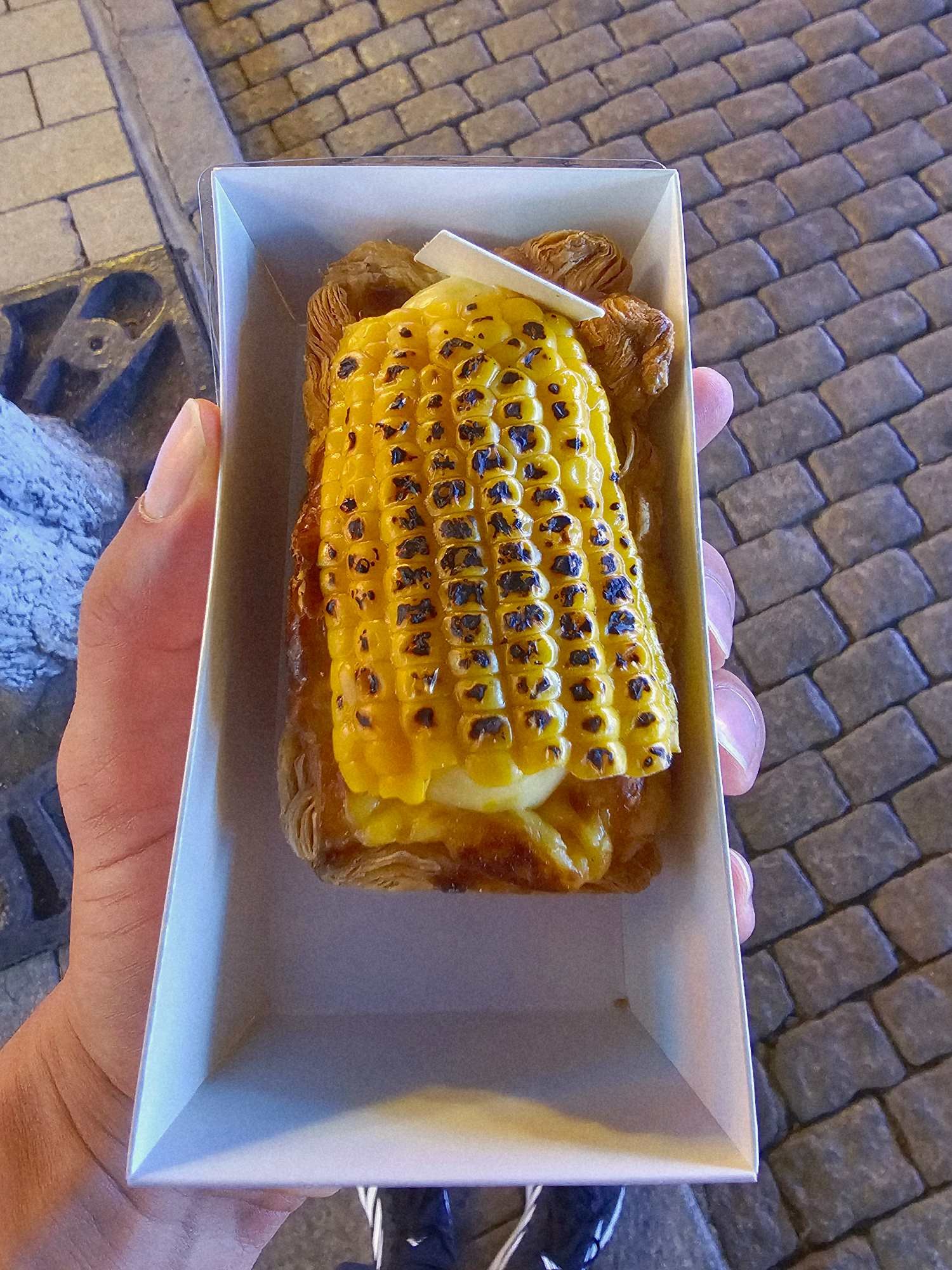
Still being hungry, I managed to find a very nice bakery. In fact, it is a chain of bakeries. They have very good black bread, chicken sandwiches and my favorite, sweet corn tart.
Još uvijek gladan, uspio sam pronaći jako dobru pekarnicu. Zapravo je riječ o lancu pekarnica. Imaju jako dobar crni kruh, sendviče s piletinom i moj favorit, tart od kukuruza šećerca.
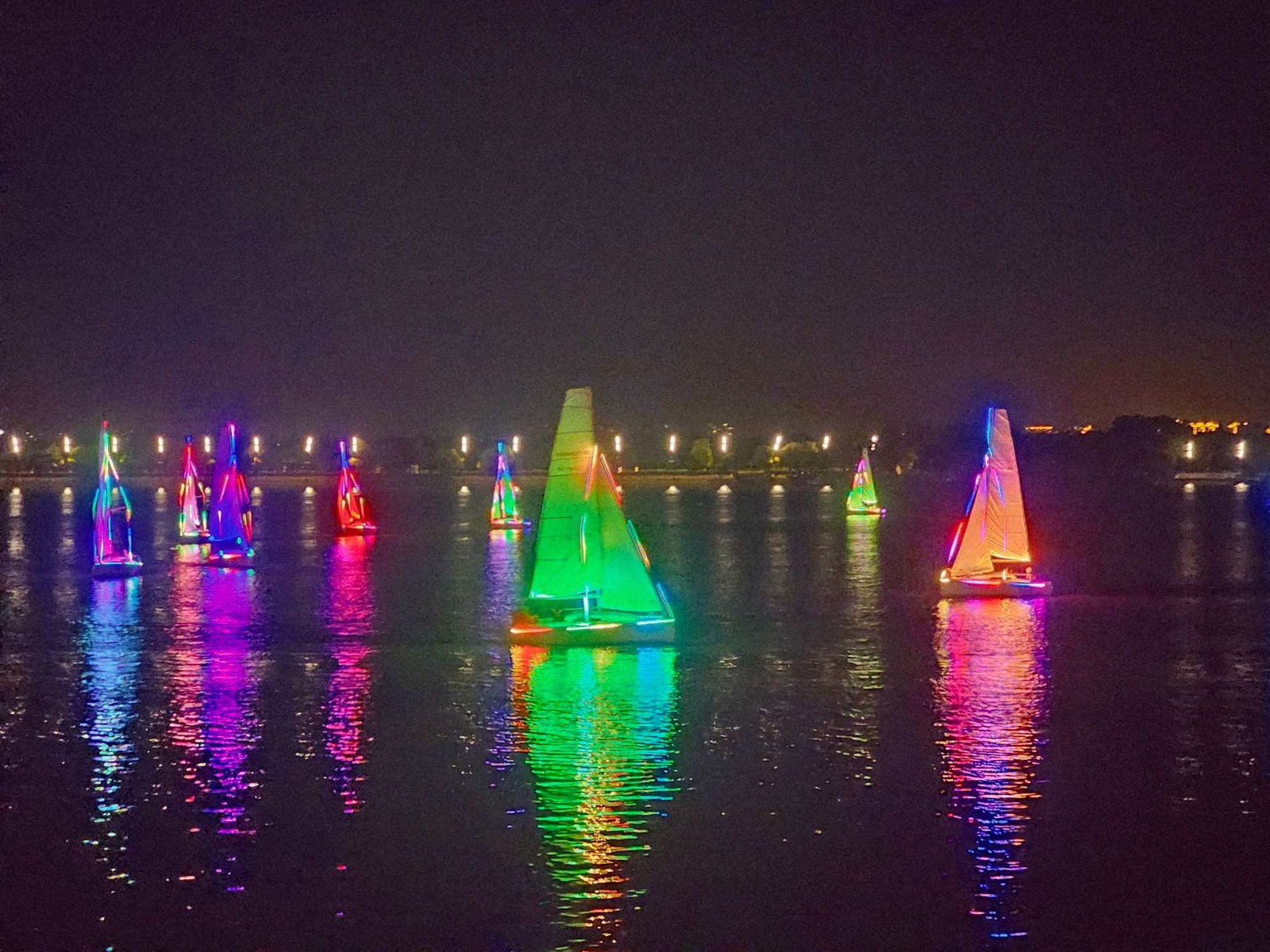
Harbin sits on a large river and while I was enjoying my views, I realized that after traveling all over China, I have never been on the two main rivers: Yangzee and Ho Ang Ho (Yellow River). The Yellow River is the birthplace of the Chinese civilization and its greatest natural enemy. I am sure that out of the top 10 deadliest floods in history, minimum 5 are done by the Yellow River, so no wonder that not a single of the ancient Chinese imperial capitals lays on its banks.
Harbin leži na velikoj rijeci i dok sam uživao u pogledu, shvatio sam da nakon putovanja po cijeloj Kini nikad nisam bio na dvjema glavnim rijekama: Jangceu i Huang Heu (Žutoj rijeci). Žuta rijeka kolijevka je kineske civilizacije i njezin najveći prirodni neprijatelj. Siguran sam da je od 10 najsmrtonosnijih poplava u povijesti najmanje 5 djelo Žute rijeke, pa nije čudo što nijedna drevna kineska carska prijestolnica ne leži na njezinim obalama.

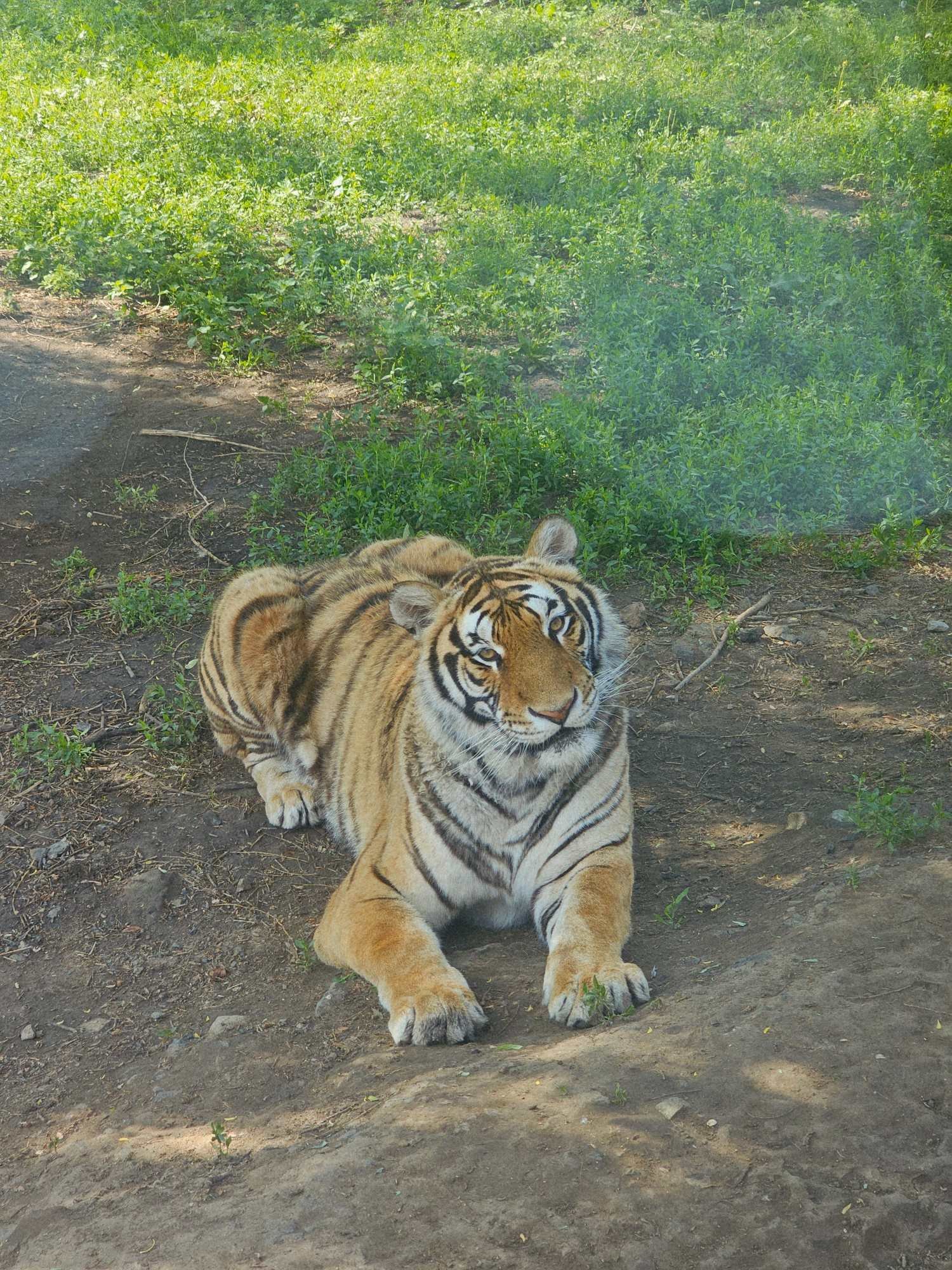
Next day I had to catch the train to Beijing at 14:25 and I had more than enough time to see the biggest tourist attraction in Harbin: Siberian Tiger Rehabilitation Centre. Siberian Tiger is the largest cat and while it was on the brink of extinction 80 years ago, the efforts of this centre has enabled its population to rebound to almost 500.
Sutradan sam morao uhvatiti vlak za Peking u 14:25 i imao sam više nego dovoljno vremena da vidim najveću turističku atrakciju Harbina: Centar za rehabilitaciju sibirskog tigra. Sibirski tigar najveća je mačka i, iako je prije 80 godina bio na rubu izumiranja, zahvaljujući trudu ovog centra njegova se populacija oporavila na gotovo 500 jedinki.


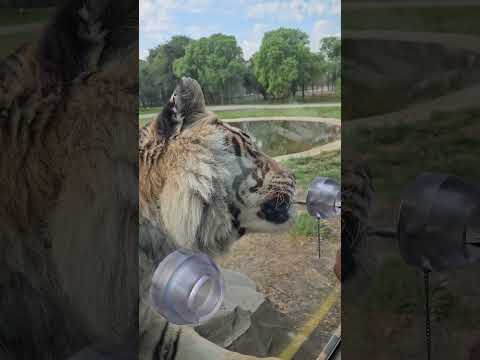
I do not go to zoos and prefer to see wild animals in their natural habitat. However, I did visit the similar facility for pandas in Chengdu, so I was sure that my conscience will survive. To see the tigers, you jump on a special bus that will take you through many tiger enclosures. I quickly started to reevaluate my position as I saw that you can feed the tigers through special holes in the glass windows. I imagine that promoting this kind of behavior is not the way to prepare tigers to survive on their own in the Siberian wilderness.
Ne idem u zoološke vrtove i radije gledam divlje životinje u njihovu prirodnom staništu. Ipak, posjetio sam sličan centar za pande u Chengduu, pa sam bio siguran da će mi savjest preživjeti. Da biste vidjeli tigrove, uskočite u poseban autobus koji vas vozi kroz brojne nastambe za tigrove. Brzo sam počeo preispitivati svoj stav kad sam vidio da tigrove možete hraniti kroz posebne otvore na staklenim prozorima. Rekao bih da poticanje takvog ponašanja nije način da se tigrovi pripreme za samostalno preživljavanje u sibirskoj divljini.


 ▶ Watch the videoPogledaj video
 ▶ Watch the videoPogledaj video
The tour lasted for around an hour and after you finish you can walk through the “exhibition” of other wild cats. They have few servals, caracols, lions (even though they proudly proclaim that they are white lions) and then they have at least two ligers.
Obilazak je trajao oko sat vremena, a kad završite, možete prošetati kroz „izložbu“ drugih divljih mačaka. Imaju nekoliko servala, karakala, lavova (iako ponosno ističu da su to bijeli lavovi), a imaju i najmanje dva ligra.
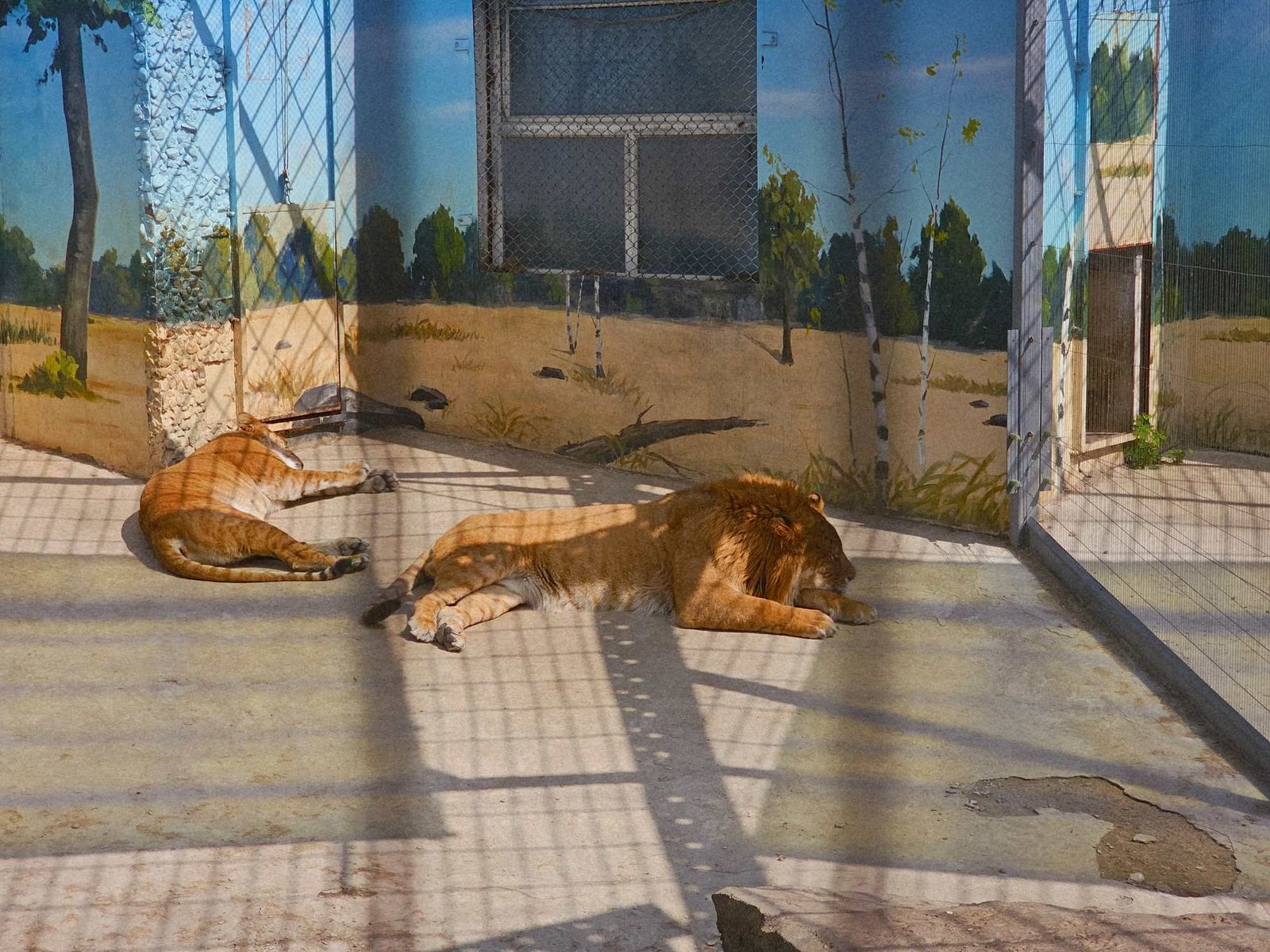
So, a government run institution for reintroducing Siberian Tigers to the wild wants to make some money from tourists and engages in activities that are counterproductive to that goal, i.e. tourists feeding the tigers, but it is also involved in experimentation and creation of new Frankenstein species that no one asked for!? The tigers themselves are beautiful and amazing to see, but you leave this place with a sour taste in your mouth. Something ain’t right…
Dakle, državna ustanova za vraćanje sibirskih tigrova u divljinu želi zaraditi nešto novca na turistima i bavi se aktivnostima koje rade protiv tog cilja, tj. turisti hrane tigrove, ali uz to se bavi i eksperimentiranjem i stvaranjem novih frankenštajnskih vrsta koje nitko nije tražio!? Sami tigrovi prekrasni su i nevjerojatno ih je vidjeti, ali s ovog mjesta odlazite s gorkim okusom u ustima. Nešto tu ne štima…
On that note, it is time to say goodbye to Manchuria. It has been a crazy ride – 3 destinations in only 4 days! But it is time to finish off my long Chinese adventure in Beijing.
S tom mišlju vrijeme je da se oprostim od Mandžurije. Bila je to luda vožnja – 3 odredišta u samo 4 dana! No vrijeme je da svoju dugu kinesku pustolovinu privedem kraju u Pekingu.