China travel blogPutopisi iz Kine · 7 July 20257. srpnja 2025.
Datong
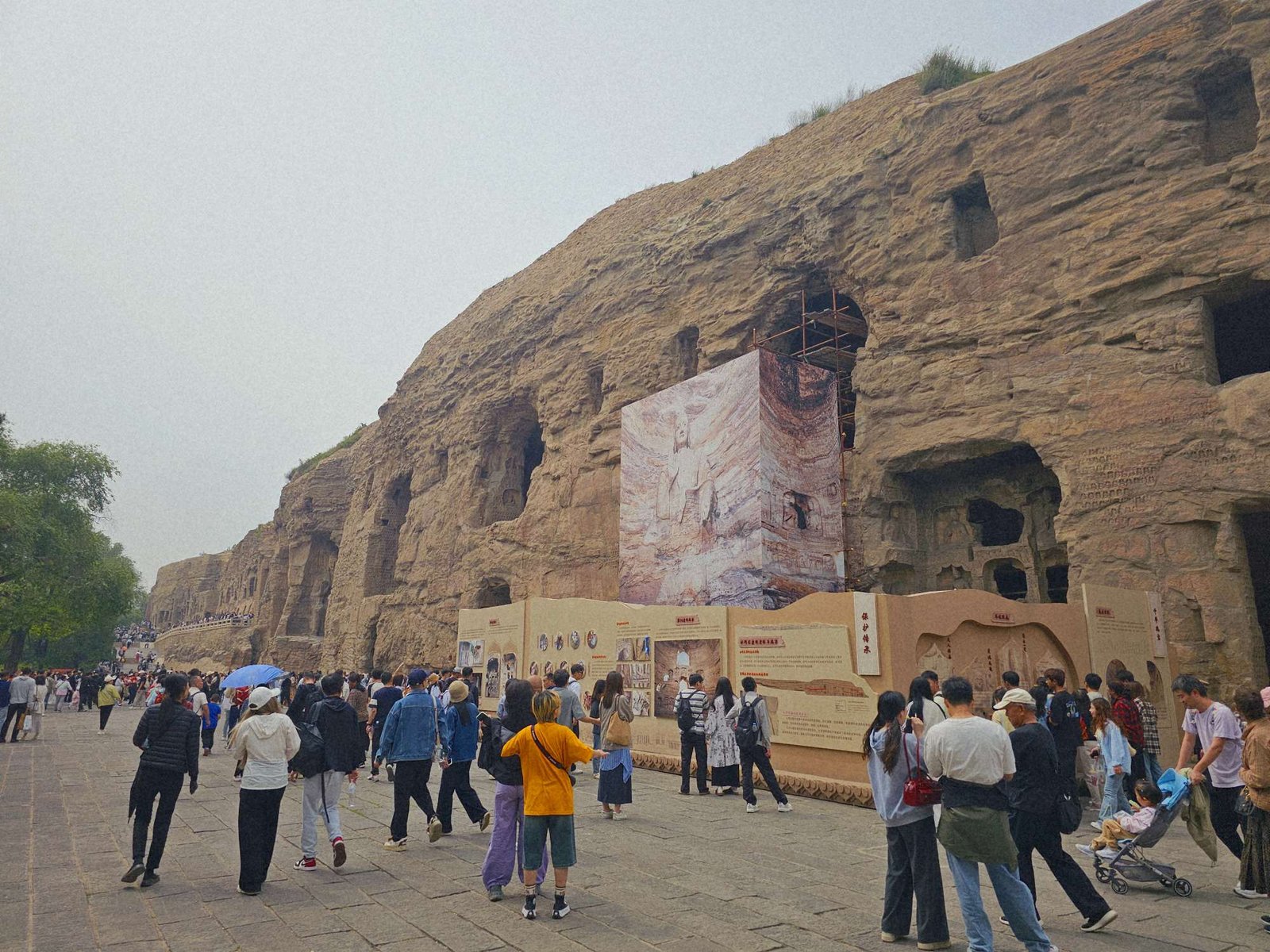
I have reached Datong in the morning and after checking in I grabbed something to eat and went straight to my first destination – Yungang Grottoes. The grottoes are only a few kilometers away from the city so I took a Didi (Chinese Uber). Taxis are very cheap in China, it costed around 2.5 euros for 20-minute ride.
U Datong sam stigao ujutro i nakon prijave u smještaj pojeo sam nešto na brzinu i krenuo ravno na svoje prvo odredište – špilje Yungang. Špilje su samo nekoliko kilometara udaljene od grada pa sam uzeo Didi (kineski Uber). Taksiji su u Kini vrlo jeftini, 20 minuta vožnje koštalo je oko 2,5 eura.
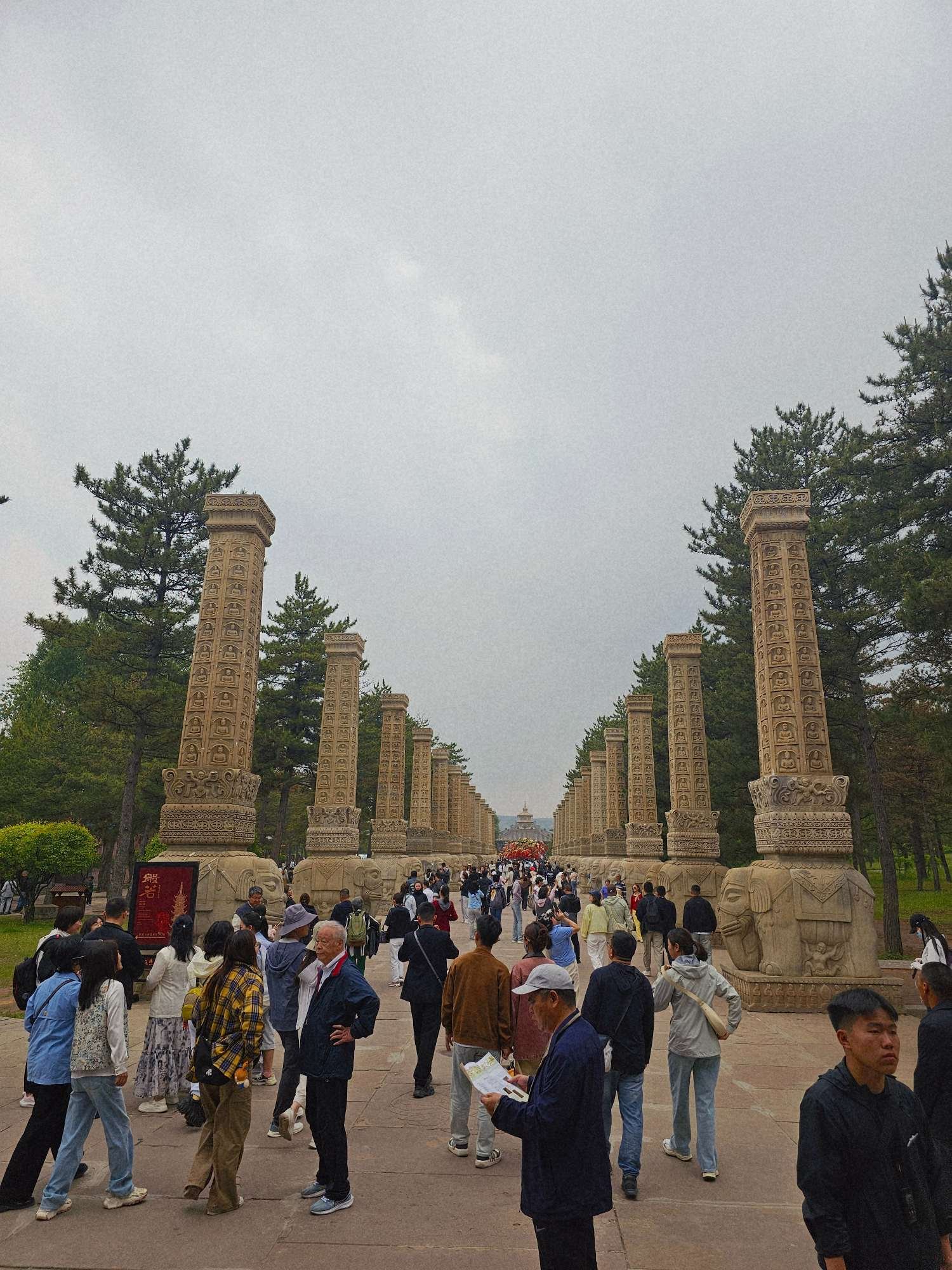
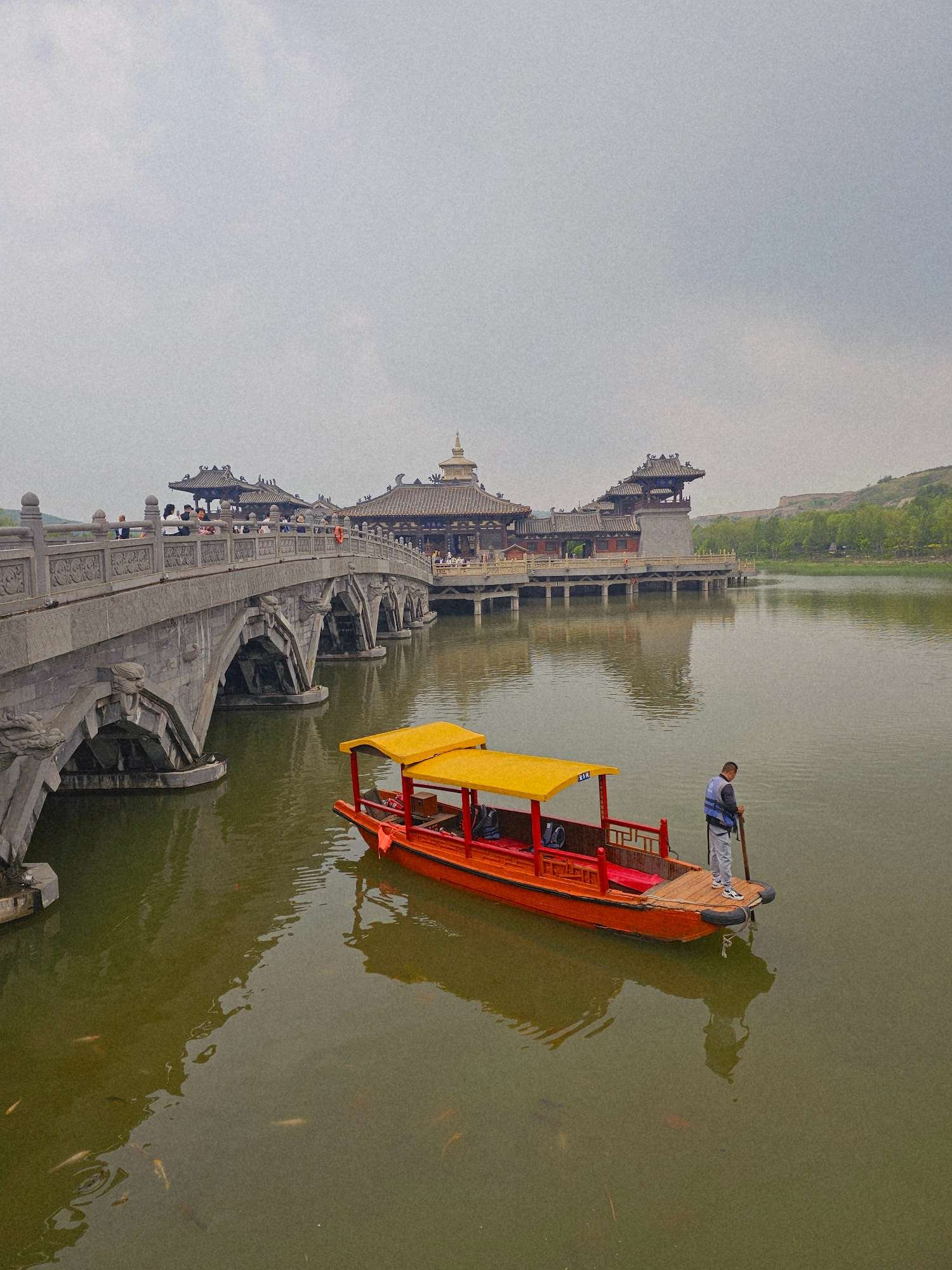
Once you get to the scenic area, you will pass through a wonderful Buddhist temple on top of water. As all the information about the temple is in Chinese, I cannot say much more about it.
Kad stignete u turističko područje, proći ćete kroz prekrasan budistički hram na vodi. Budući da su sve informacije o hramu na kineskom, ne mogu o njemu reći puno više.
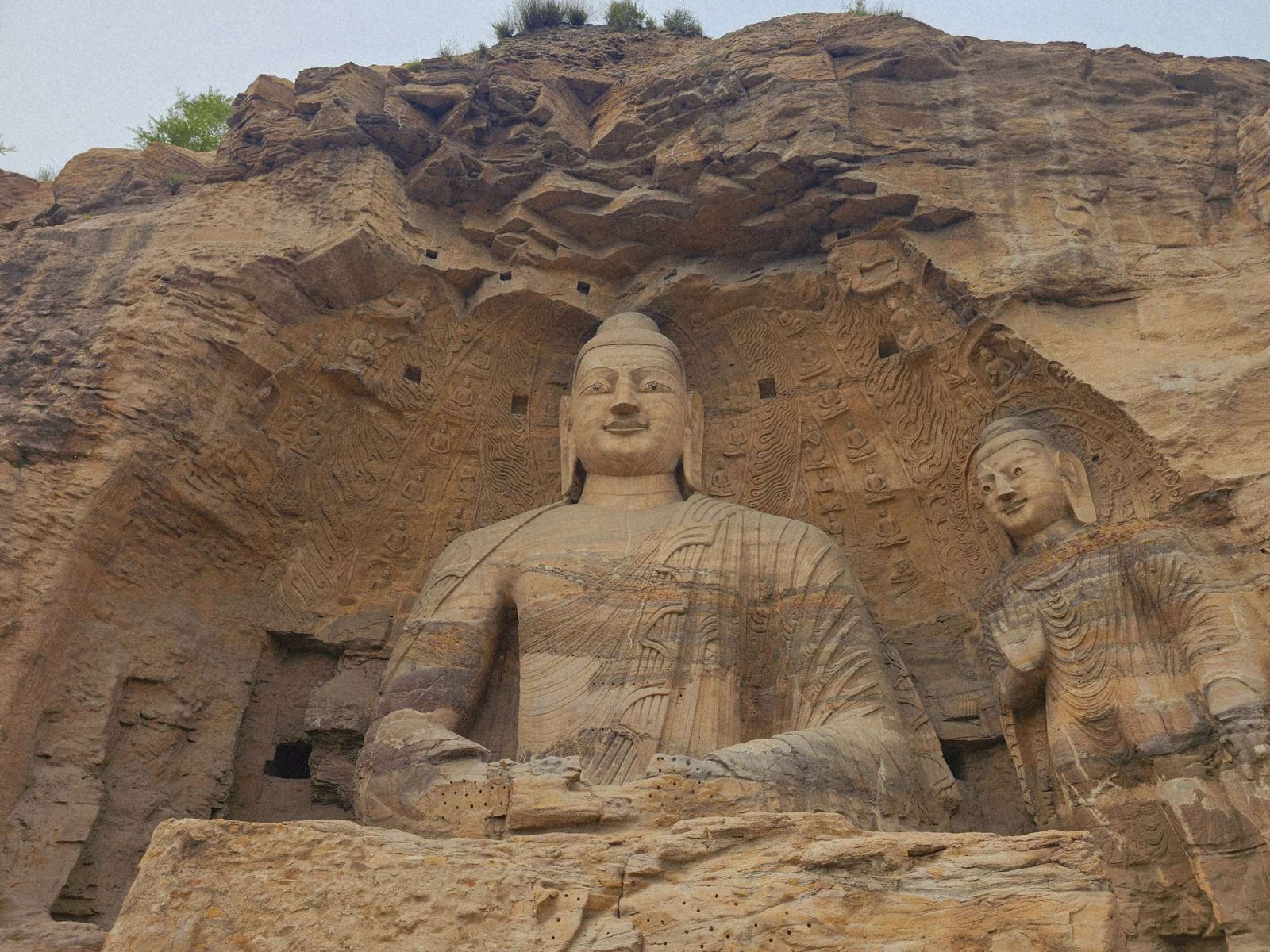
After that you will reach the main attraction – grottoes. Yungang Grottes are one of four main Buddhist grottoes in China. The others are Longmen near Luoyang (which I have already visited), Mogao Caves and Maijishan Grottoes in Gansu Province. Since I have only seen Longmen, I can say that Yungang is much smaller compared to Longmen. Also, most of the carvings in Yungang is inside caves, while the main carvings in Longmen are visible from outside.
Nakon toga stižete do glavne atrakcije – špilja. Špilje Yungang jedne su od četiriju glavnih budističkih špilja u Kini. Ostale su Longmen kod Luoyanga (koje sam već posjetio), špilje Mogao i špilje Maijishan u pokrajini Gansu. Budući da sam vidio samo Longmen, mogu reći da je Yungang puno manji od Longmena. Osim toga, većina reljefa u Yungangu nalazi se unutar špilja, dok se glavni reljefi u Longmenu vide izvana.
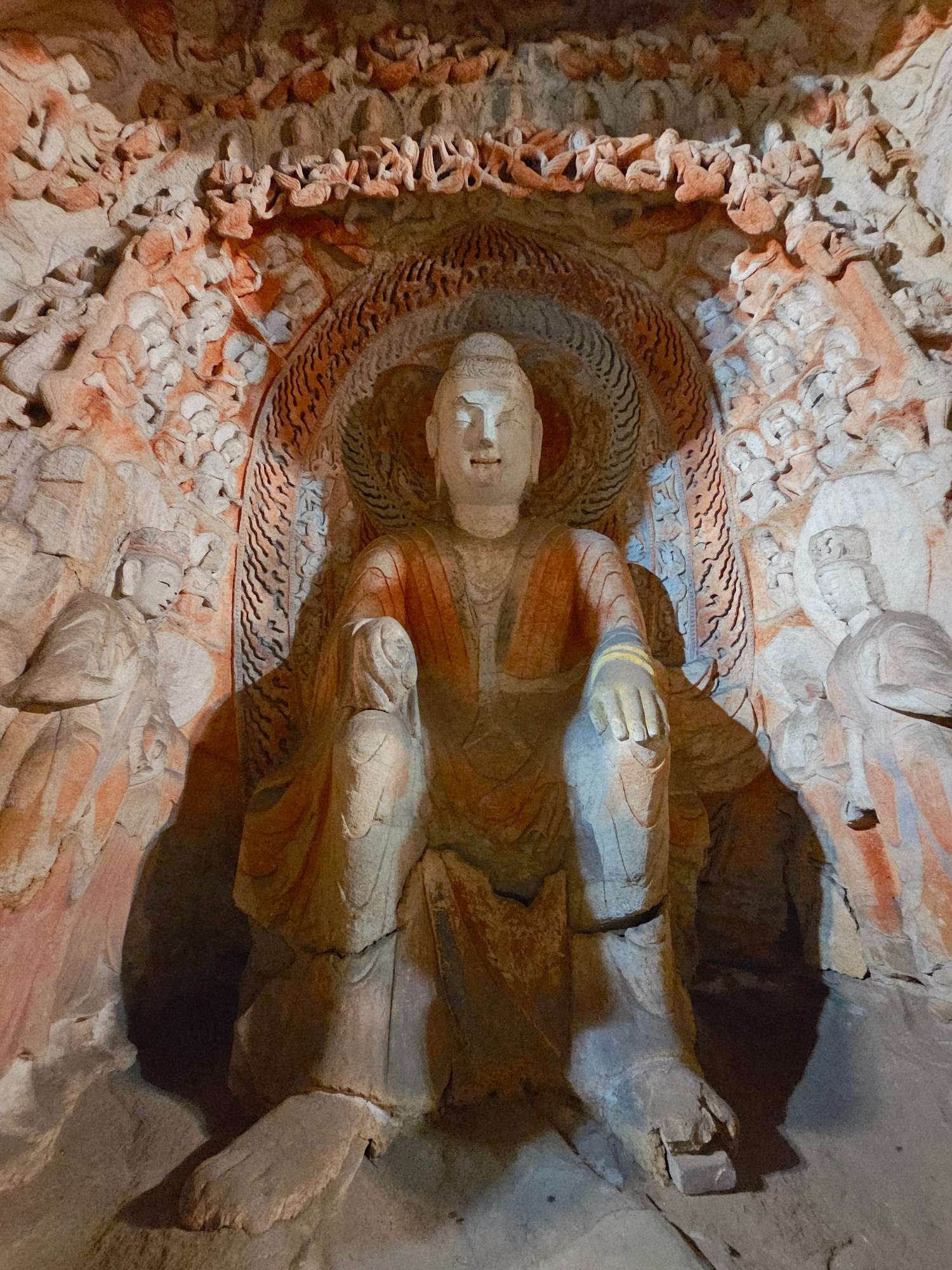
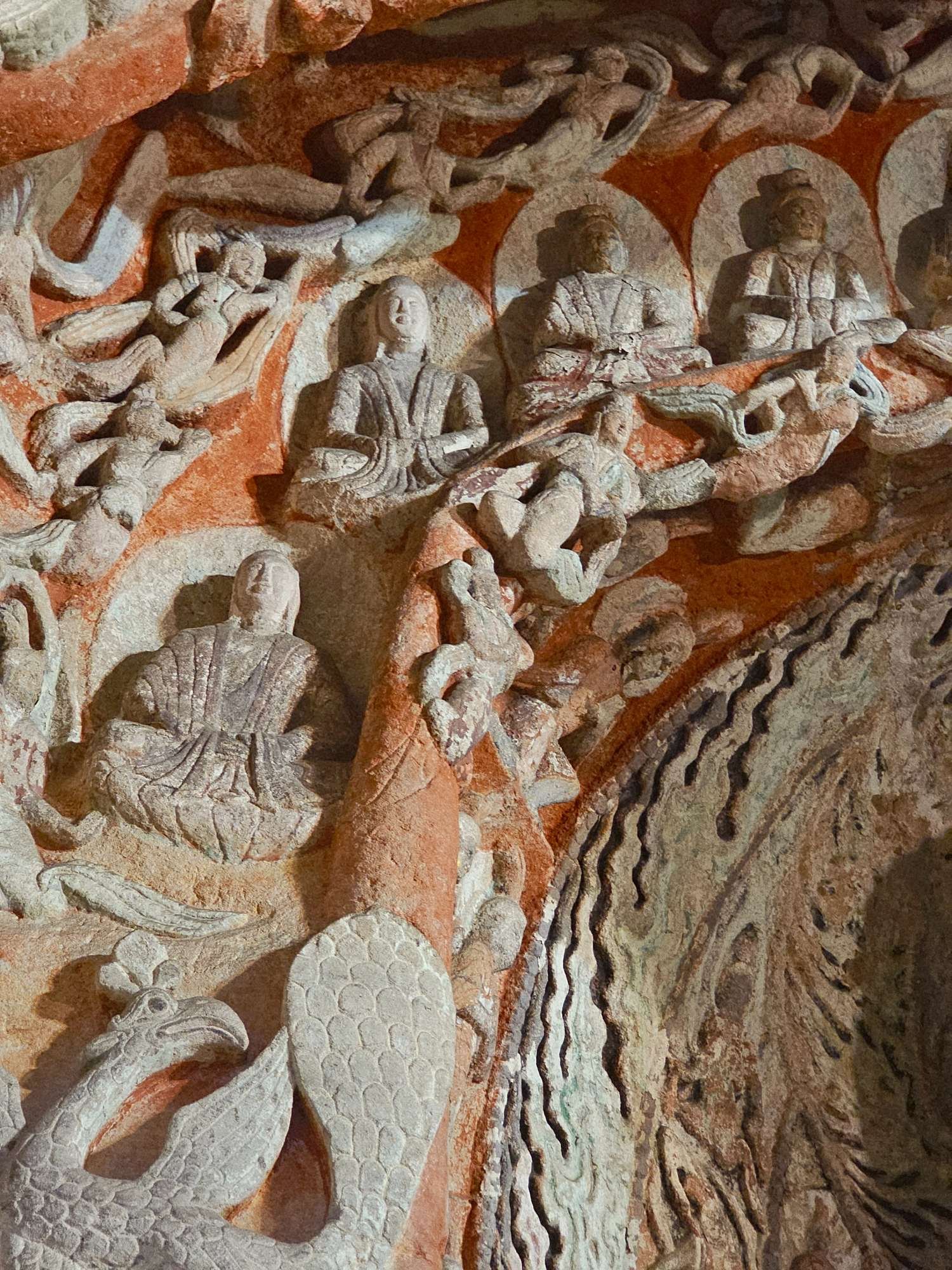
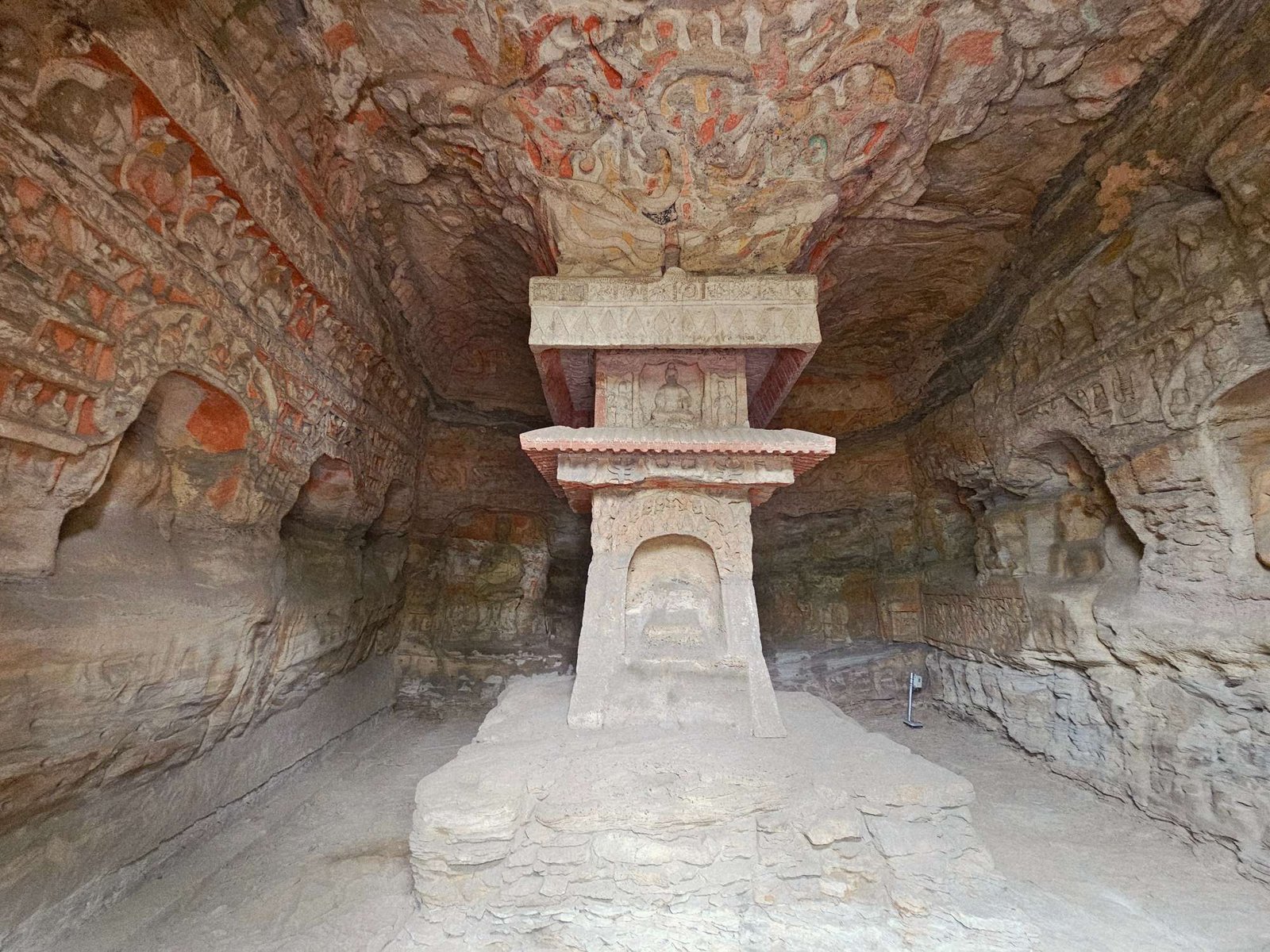
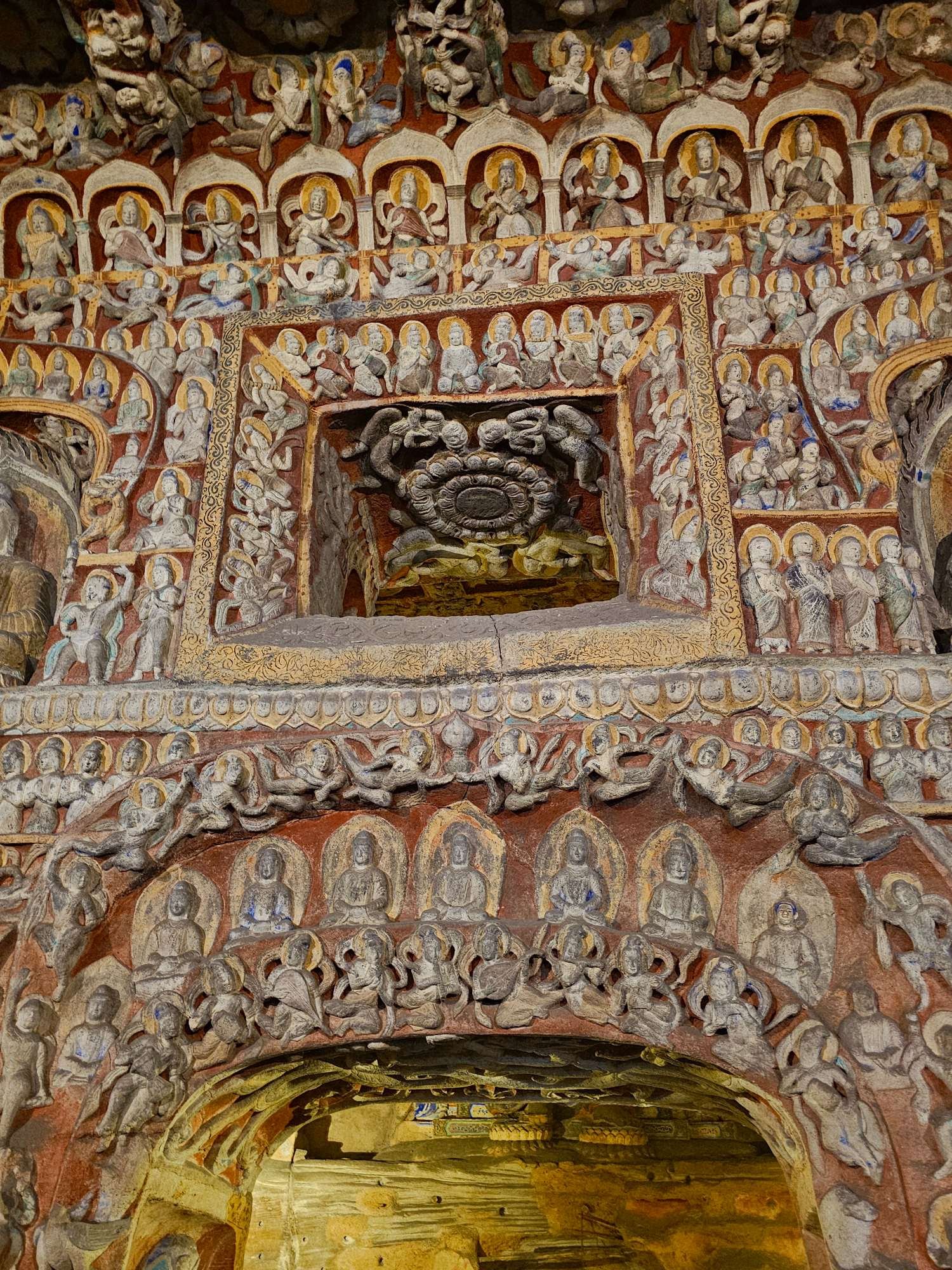
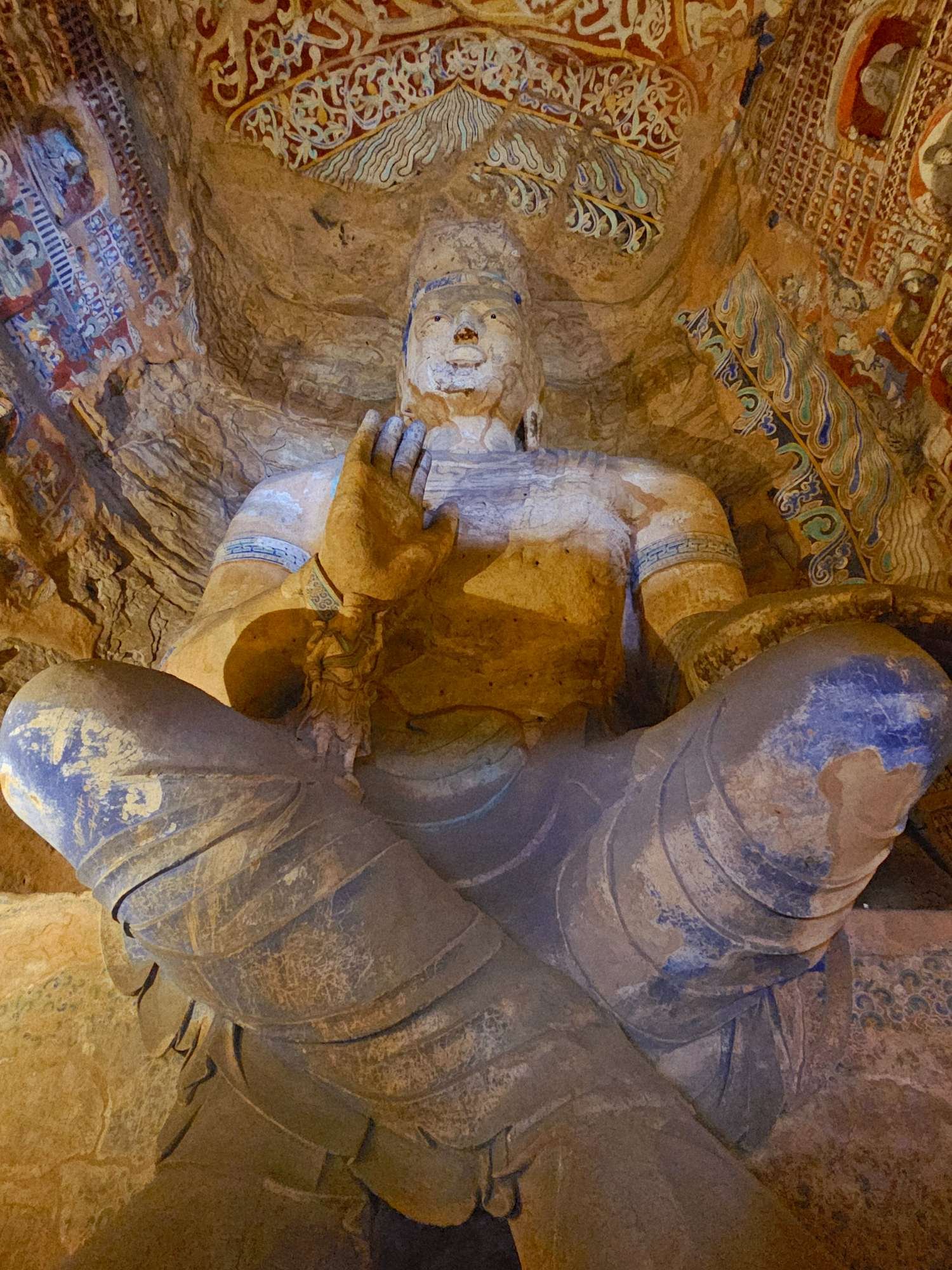
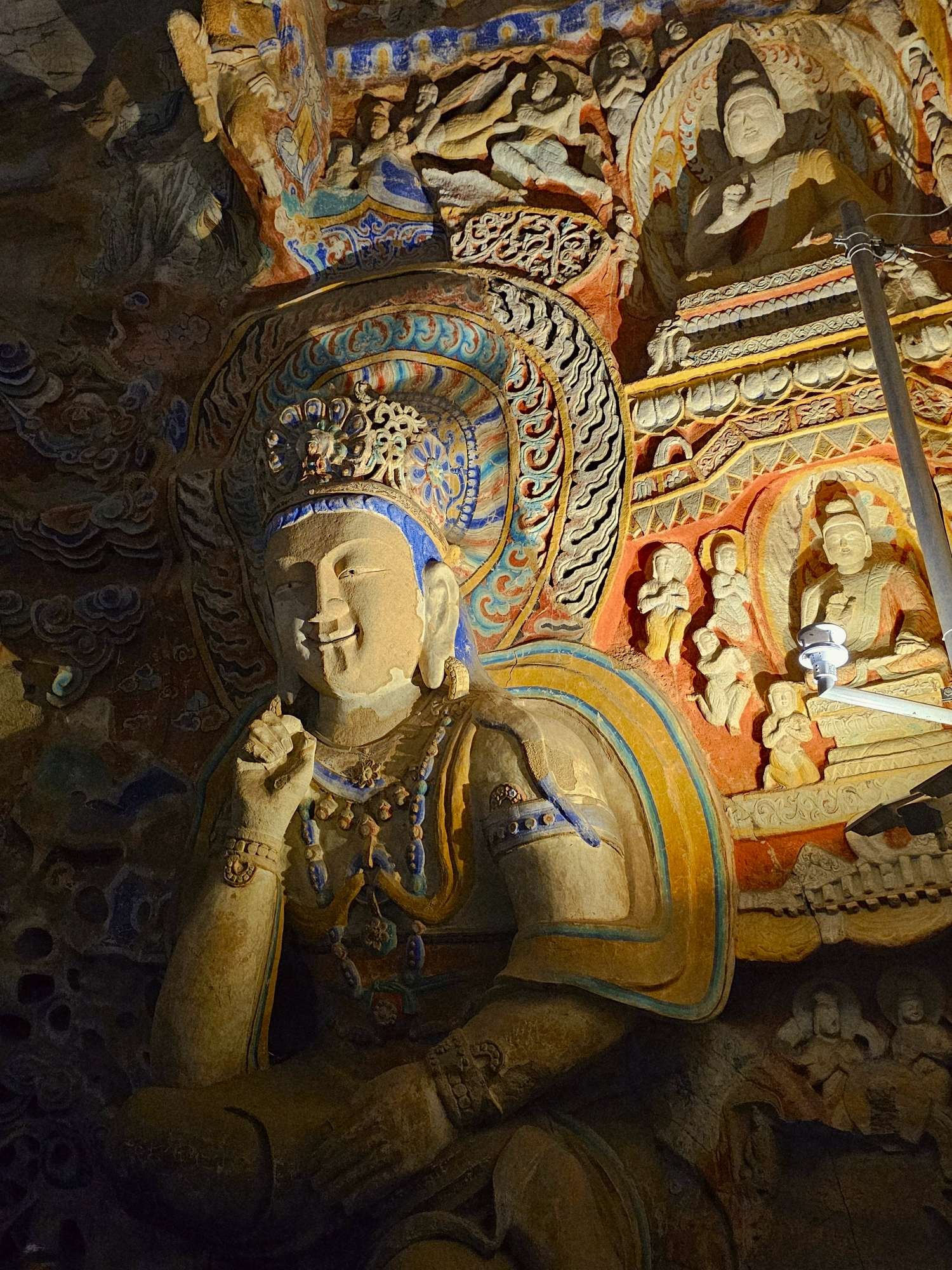
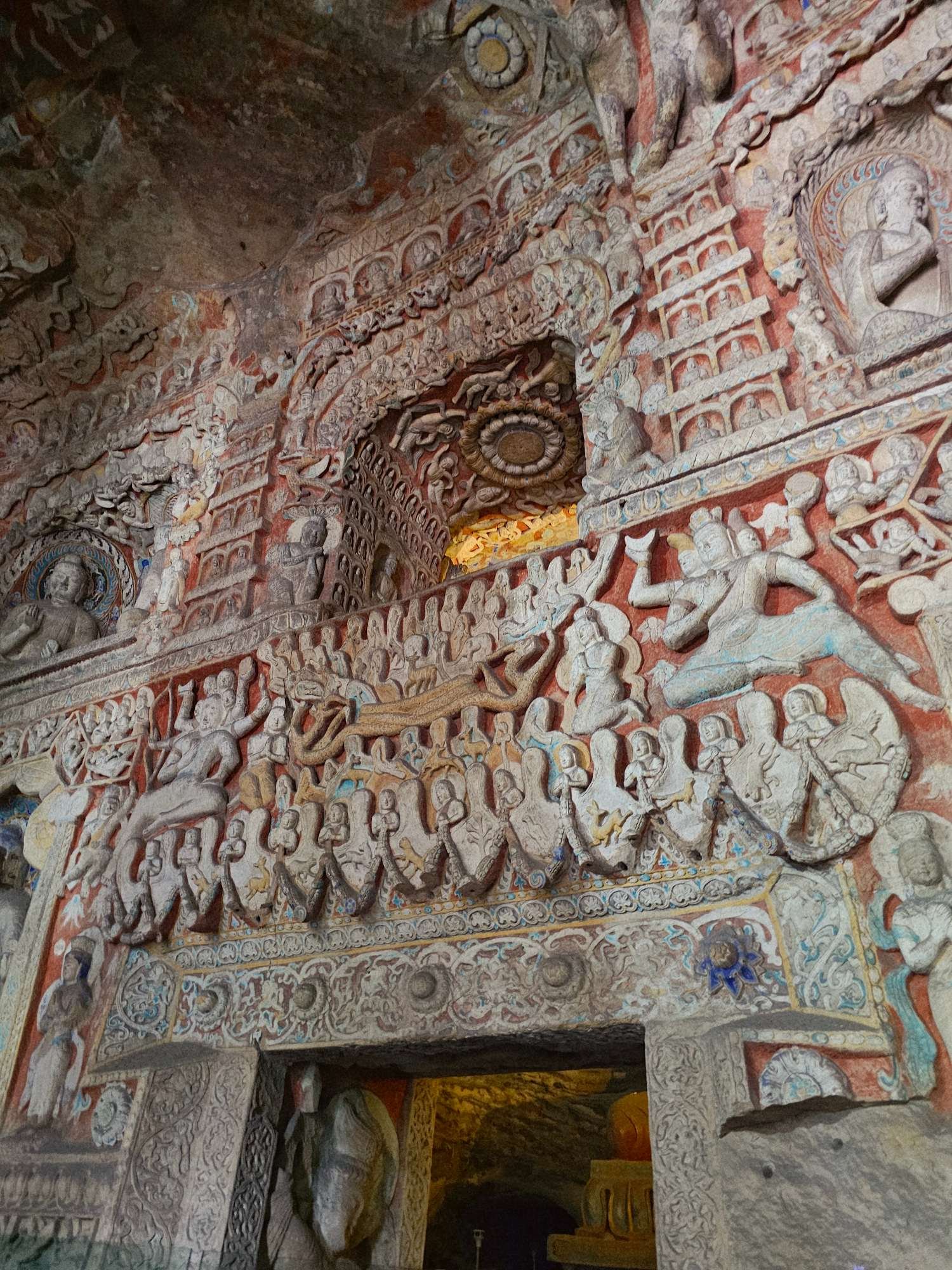
The advantage of having statues inside is you can use colors and they will not be ruined by weather. The downside is you need to pass through small entry points to see the inside rooms containing the carvings. In China this means you will have to wait in long lines!
Prednost kipova u unutrašnjosti je to što možete koristiti boje, a vrijeme ih neće uništiti. Nedostatak je to što morate proći kroz uske ulaze da biste vidjeli unutarnje prostorije s reljefima. U Kini to znači da ćete morati čekati u dugim redovima!

Even though I had to wait for 15-20 minutes to enter a cave and then you would spend 3-5 minutes max inside to take photos, it was worth it. As you spend much more time waiting in the line than enjoying the cultural achievements of Chinese Buddhists, you are glad that this is not a very large complex.
Iako sam morao čekati 15 – 20 minuta da uđem u špilju, a onda unutra provedete najviše 3 – 5 minuta da nešto fotografirate, isplatilo se. Budući da puno više vremena provedete čekajući u redu nego uživajući u kulturnim dostignućima kineskih budista, drago vam je što ovo nije jako velik kompleks.
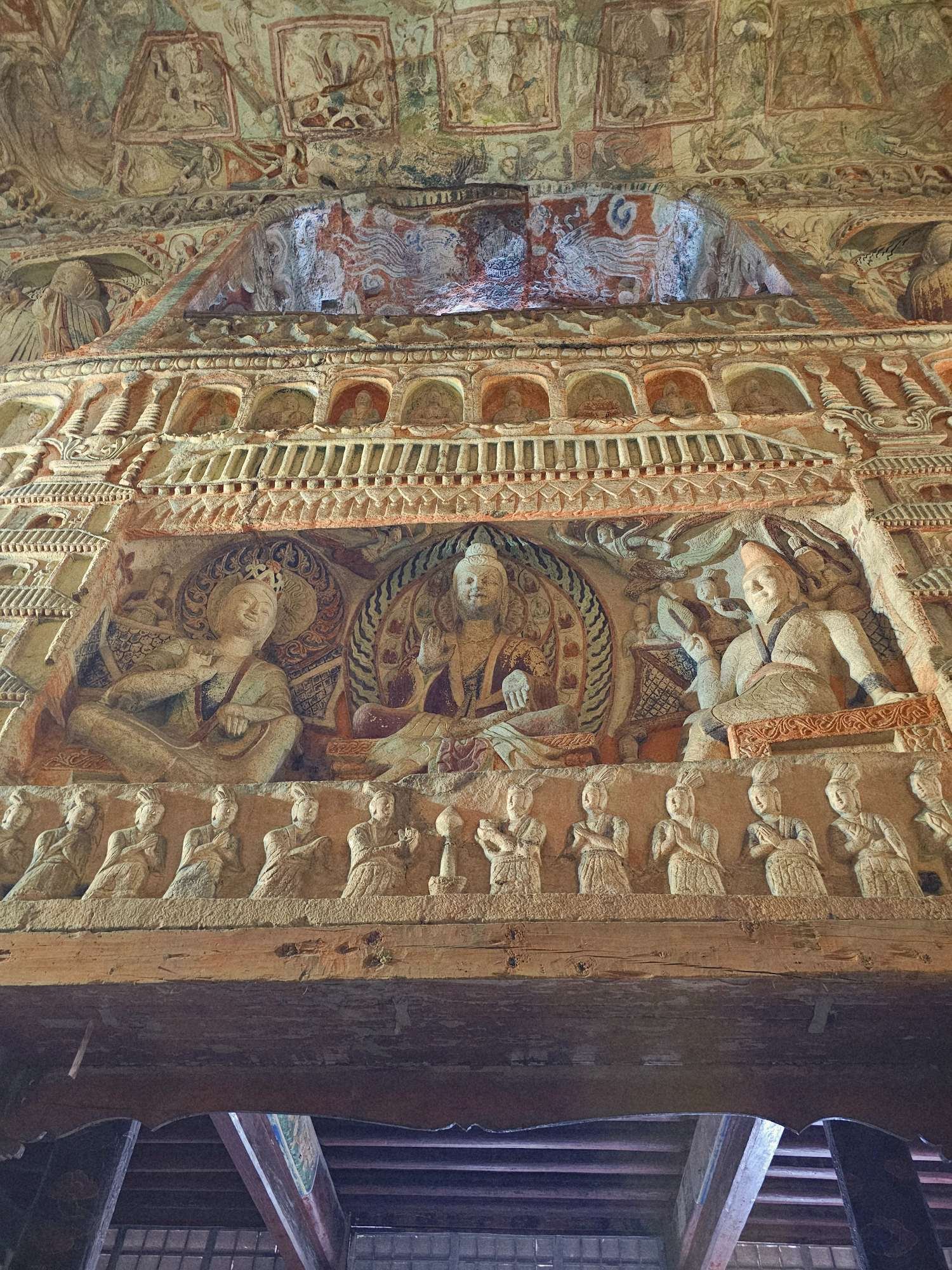
Taxi took me back to the city and its famous city walls. Datong is one of the ancient cities with city walls still preserved. The walls date from the time of the Ming Dynasty, the last Han Chinese dynasty, famous for its blue and white porcelain. The old city is a square with 4 main gates, the southern gate is the largest and the best protected one. My taxi took me to the “wrong” gate – Eastern Gate, where I learned that only Western Gate and western section of the wall are open to the public. The rest of the city walls is closed for construction works. So I decided to walk through the old town via one of the two main roads (East to West Gate road). It was a very “interesting” walk. There were many empty spaces and a lot of construction work all along the road. It certainly did not feel as the main road of the ancient city.
Taksi me vratio u grad i do njegovih slavnih gradskih zidina. Datong je jedan od drevnih gradova u kojima su gradske zidine još uvijek očuvane. Zidine potječu iz doba dinastije Ming, posljednje Han kineske dinastije, slavne po plavo-bijelom porculanu. Stari grad je kvadrat s 4 glavna ulaza, a južna vrata najveća su i najbolje zaštićena. Taksi me odvezao do „pogrešnih“ vrata – Istočnih vrata, gdje sam saznao da su za javnost otvorena samo Zapadna vrata i zapadni dio zidina. Ostatak gradskih zidina zatvoren je zbog građevinskih radova. Zato sam odlučio prošetati kroz stari grad jednom od dviju glavnih ulica (onom od Istočnih do Zapadnih vrata). Bila je to vrlo „zanimljiva“ šetnja. Cijelom dužinom ulice bilo je puno praznih prostora i puno građevinskih radova. Nipošto nije djelovalo kao glavna ulica drevnog grada.


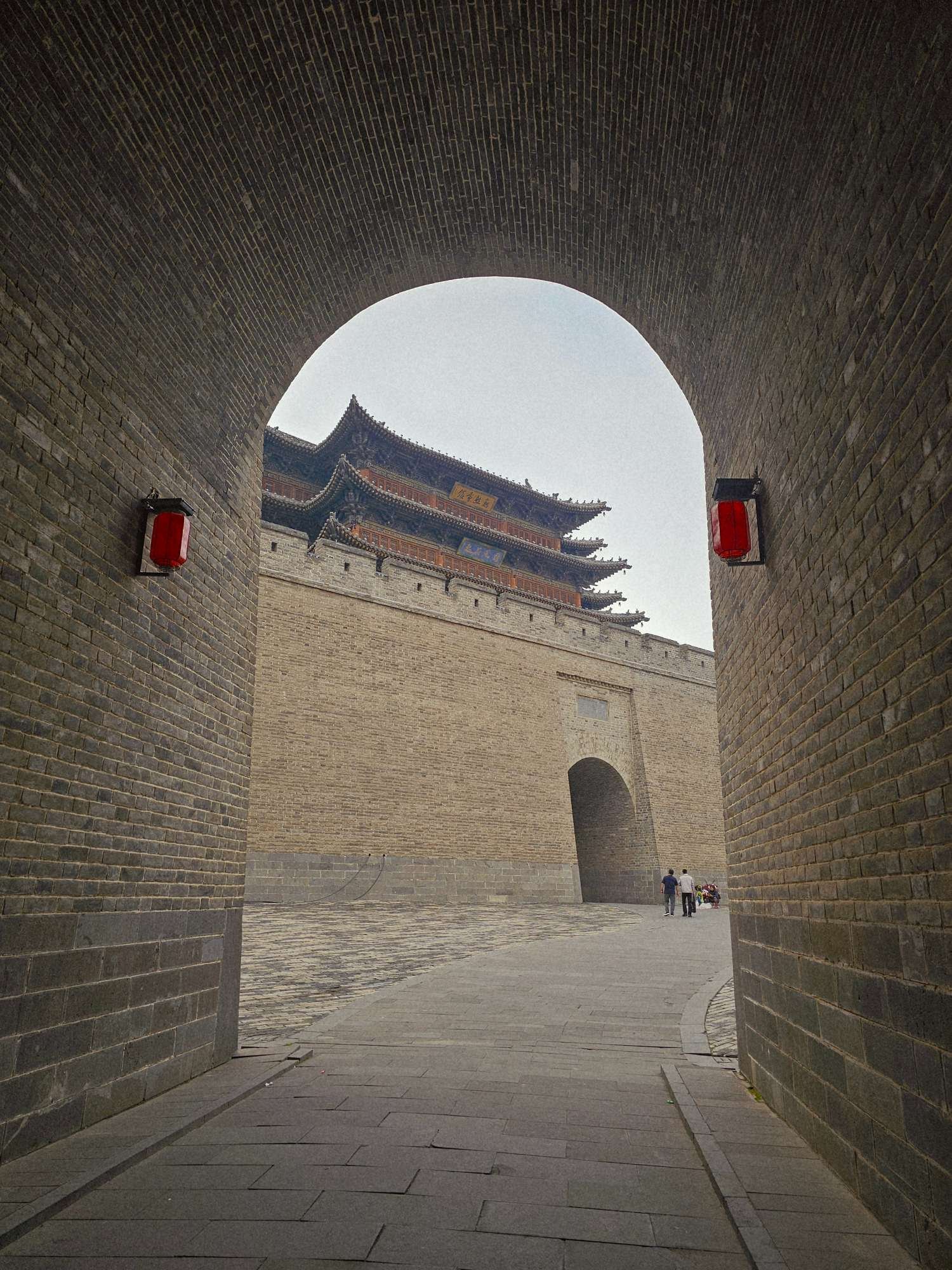

As I reached the Western Gate and climbed the city walls, the horizon opened up and I was able to see the scale of Chinese operations. They are leveling the entire areas of the “old” city destroying all communist and other modernist architecture. These will be replaced with nice, beautiful 1000 years old buildings?!
Kad sam stigao do Zapadnih vrata i popeo se na gradske zidine, otvorio se horizont i mogao sam vidjeti razmjere kineskih operacija. Sravnjuju sa zemljom cijele dijelove „starog“ grada i uništavaju svu komunističku i drugu modernističku arhitekturu. To će zamijeniti lijepe, krasne zgrade stare 1000 godina?!
I have railed against Chinese version of “renovation” many times in my blogs. The beauty of Dubrovnik is that it is special as its old city has been preserved. Taking another city which has not preserved its old building, leveling all the buildings you have declared “inauthentic” and then building new buildings that should look like they are 500 years old is beyond ridiculous. But, this is what the Chinese are doing. As a protest, I refused to visit a single temple or monastery in the old town since I cannot be sure if this was rebuilt 3 months ago.
U svojim sam se blogovima već mnogo puta obrušio na kinesku inačicu „obnove“. Ljepota Dubrovnika je u tome što je poseban jer mu je stari grad očuvan. Uzeti neki drugi grad koji nije očuvao svoje stare zgrade, sravniti sa zemljom sve zgrade koje ste proglasili „neautentičnima“ i onda izgraditi nove zgrade koje bi trebale izgledati kao da su stare 500 godina više je nego smiješno. Ali upravo to Kinezi rade. U znak prosvjeda odbio sam posjetiti ijedan hram ili samostan u starom gradu jer ne mogu biti siguran da nije ponovno izgrađen prije 3 mjeseca.
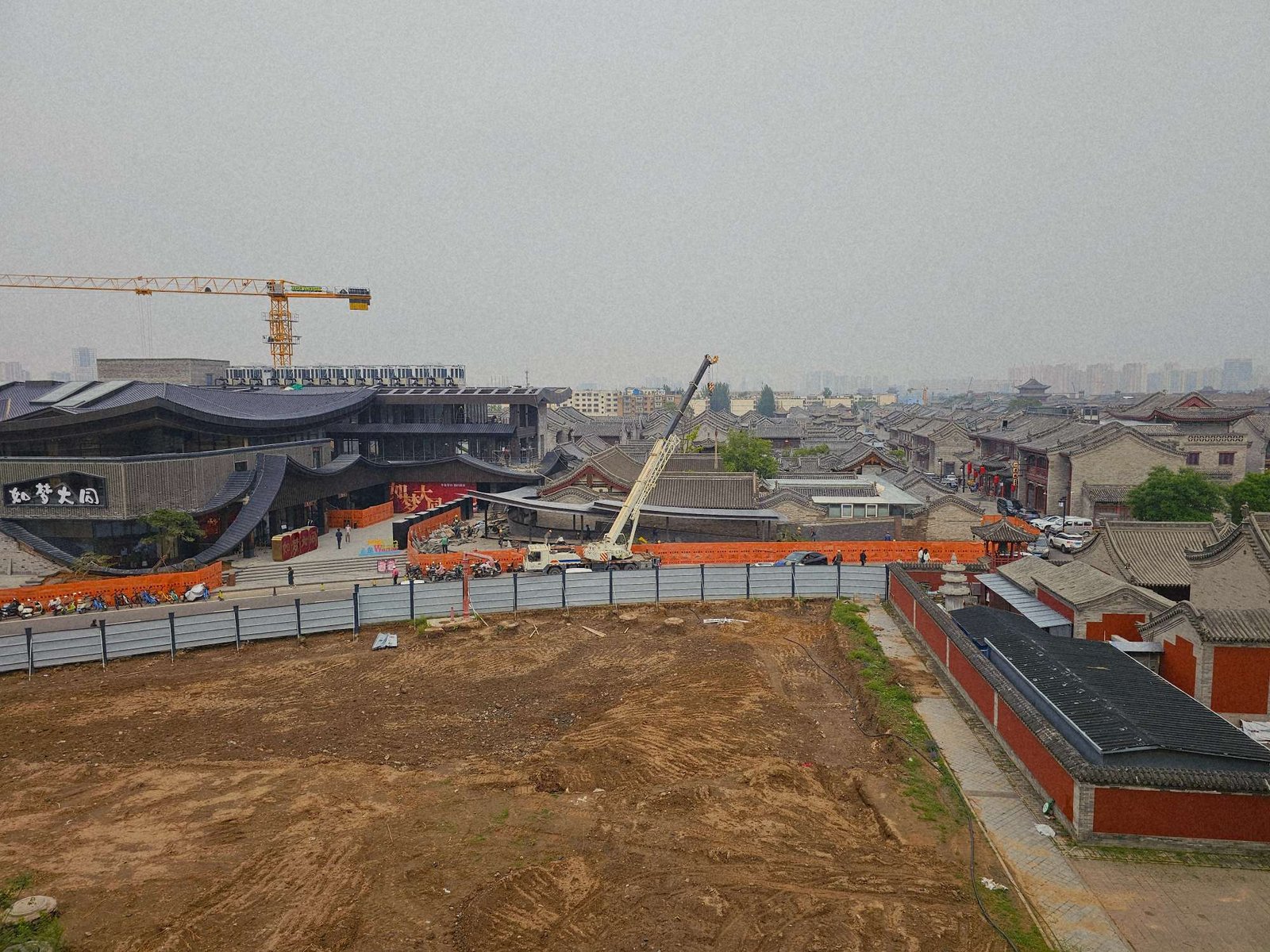

As I was walking through the massive city walls – opiši veličinu – I was wondering, If I had the opportunity to rebuild one ancient city, which one would it be? Even though Troy was a strong contender, I finally decided on Carthage. If Tunisians decide to rebuild ancient Carthage, I would forget all the shit I said about “Chinese renovation” and take the first plane to go on a pilgrimage to honor my favorite ancient trading empire.
Dok sam hodao po golemim gradskim zidinama – opiši veličinu – pitao sam se: kad bih imao priliku ponovno izgraditi jedan drevni grad, koji bi to bio? Iako je Troja bila jak kandidat, na kraju sam se odlučio za Kartagu. Ako Tunižani odluče ponovno izgraditi drevnu Kartagu, zaboravit ću sva sranja koja sam rekao o „kineskoj obnovi“ i sjesti na prvi avion kako bih otišao na hodočašće i odao počast svom omiljenom drevnom trgovačkom carstvu.

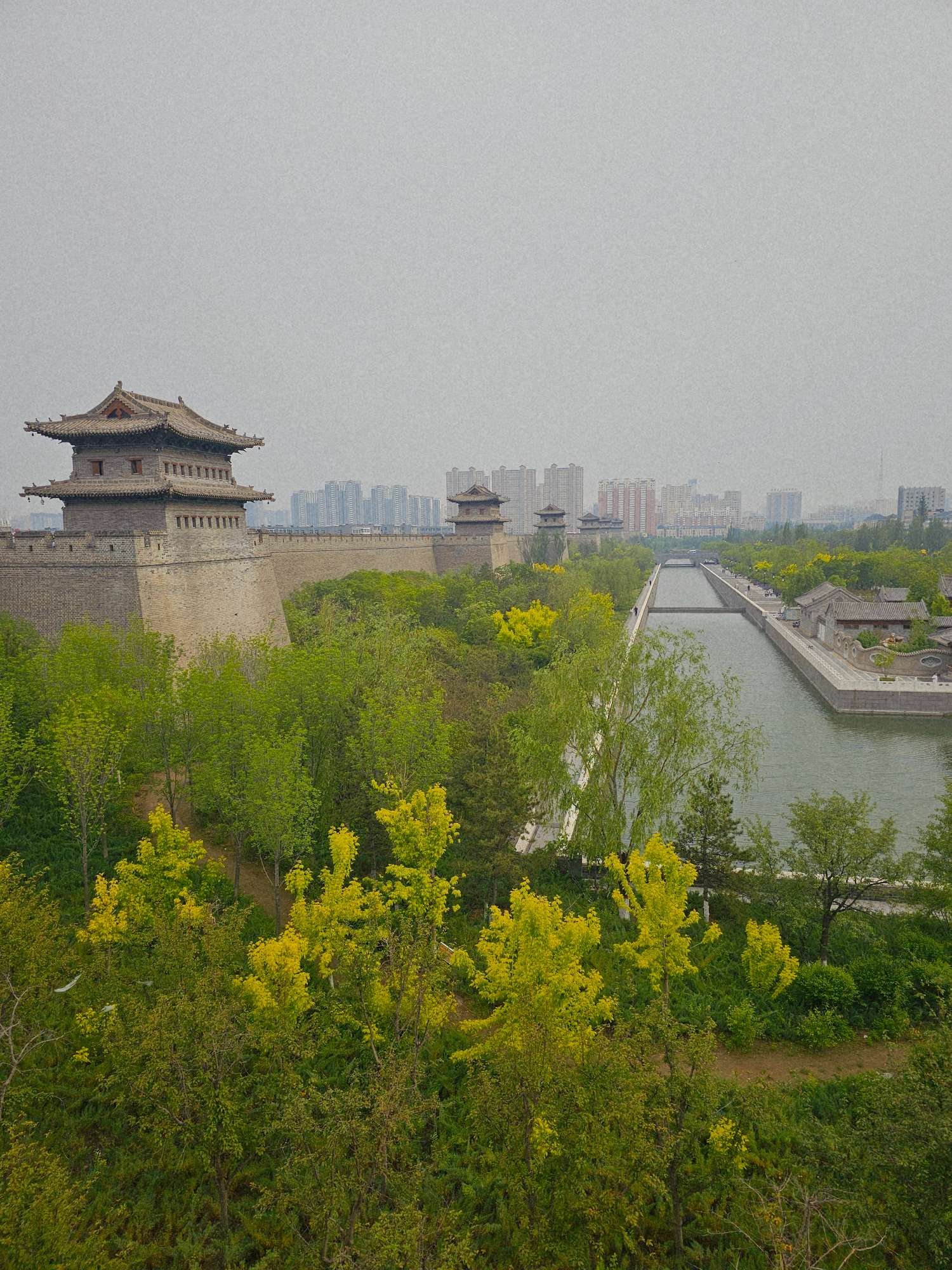
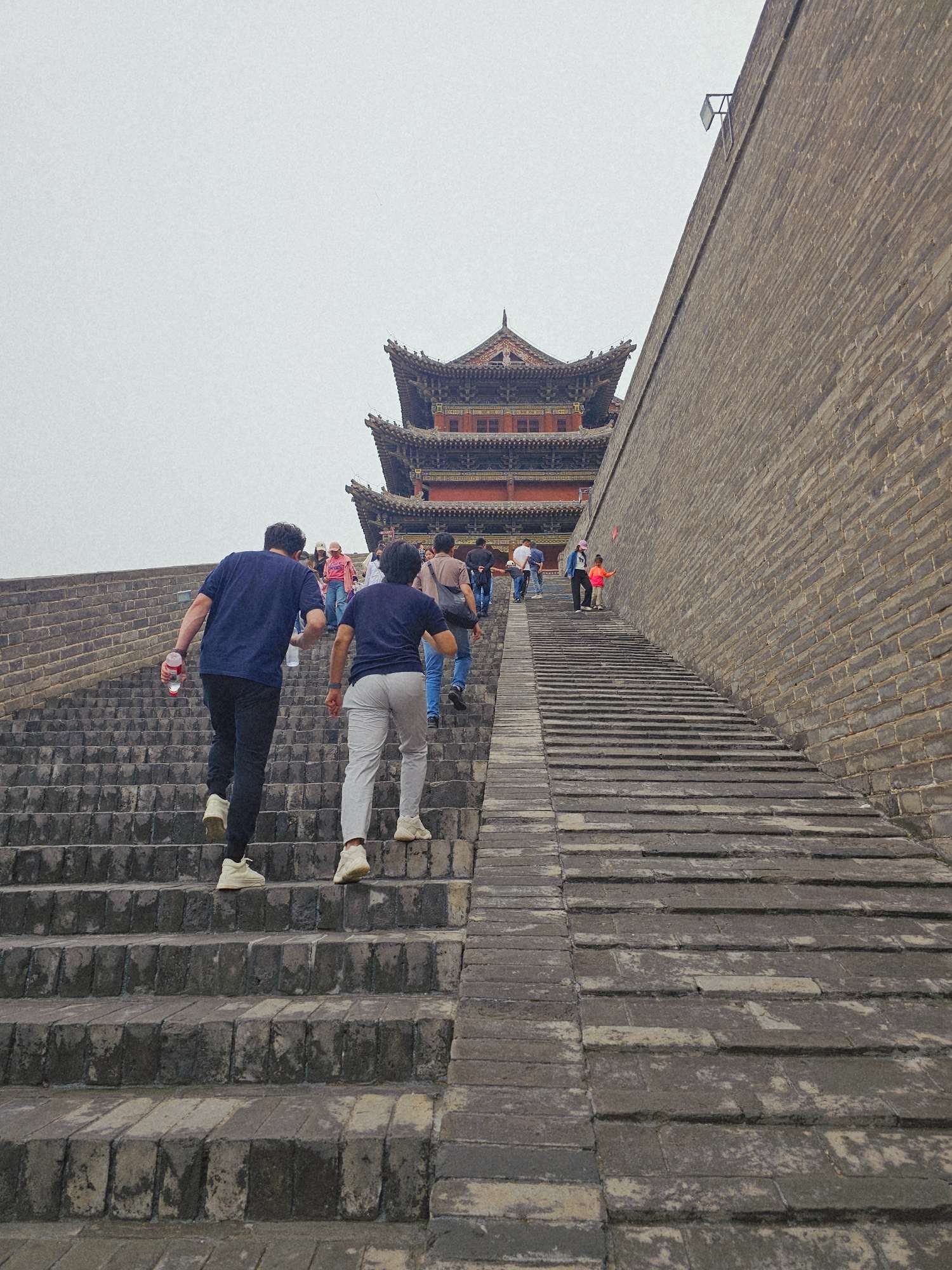

It was already late afternoon and it was time to get something to eat, take a well deserved nap and return to the old city at night. The city walls and its towers are perhaps even more impressive at night, though photos look worse.
Već je bilo kasno poslijepodne i bilo je vrijeme da nešto pojedem, odspavam zasluženo i noću se vratim u stari grad. Gradske zidine i njihove kule noću su možda još dojmljivije, iako fotografije ispadnu lošije.
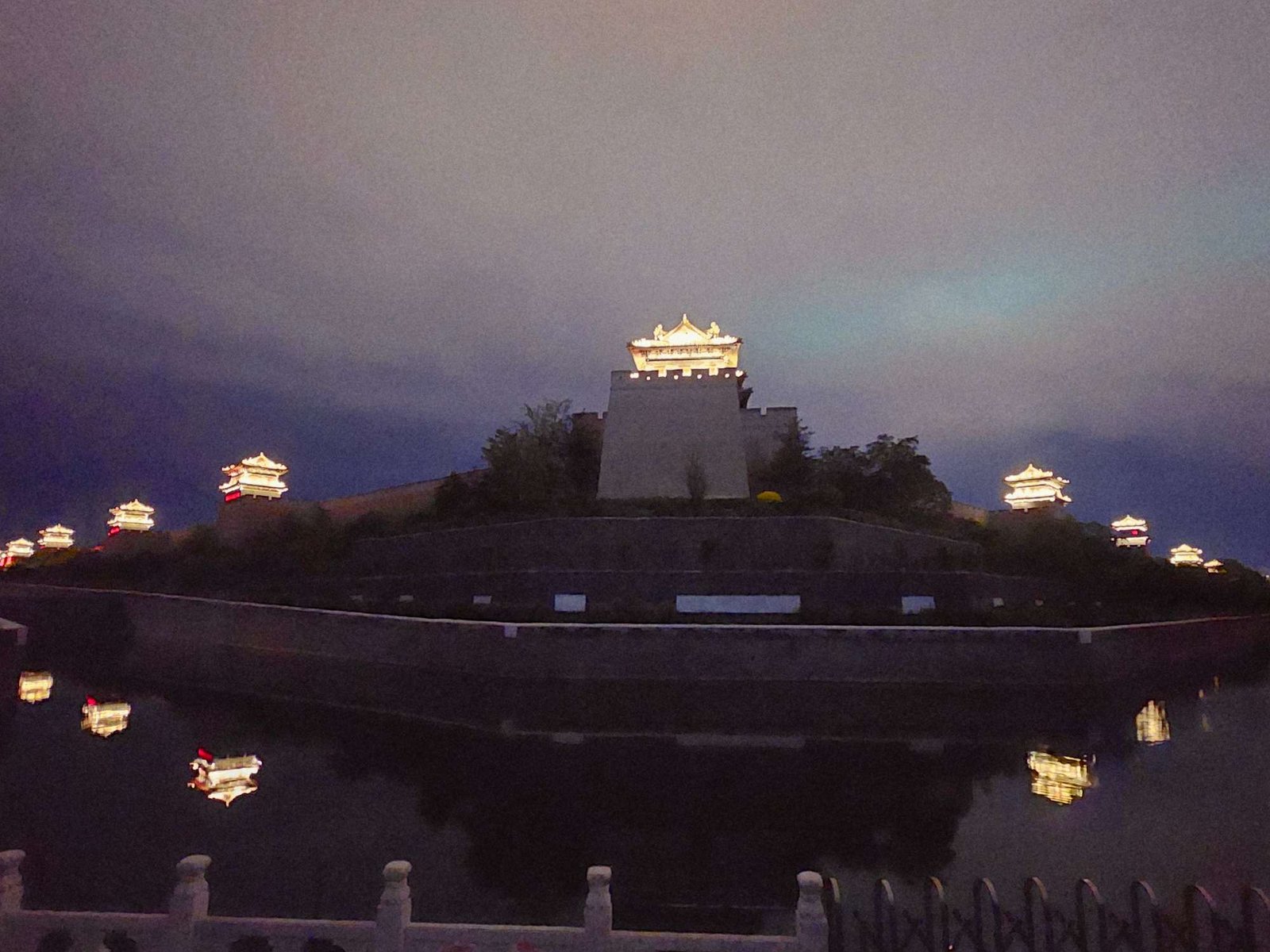
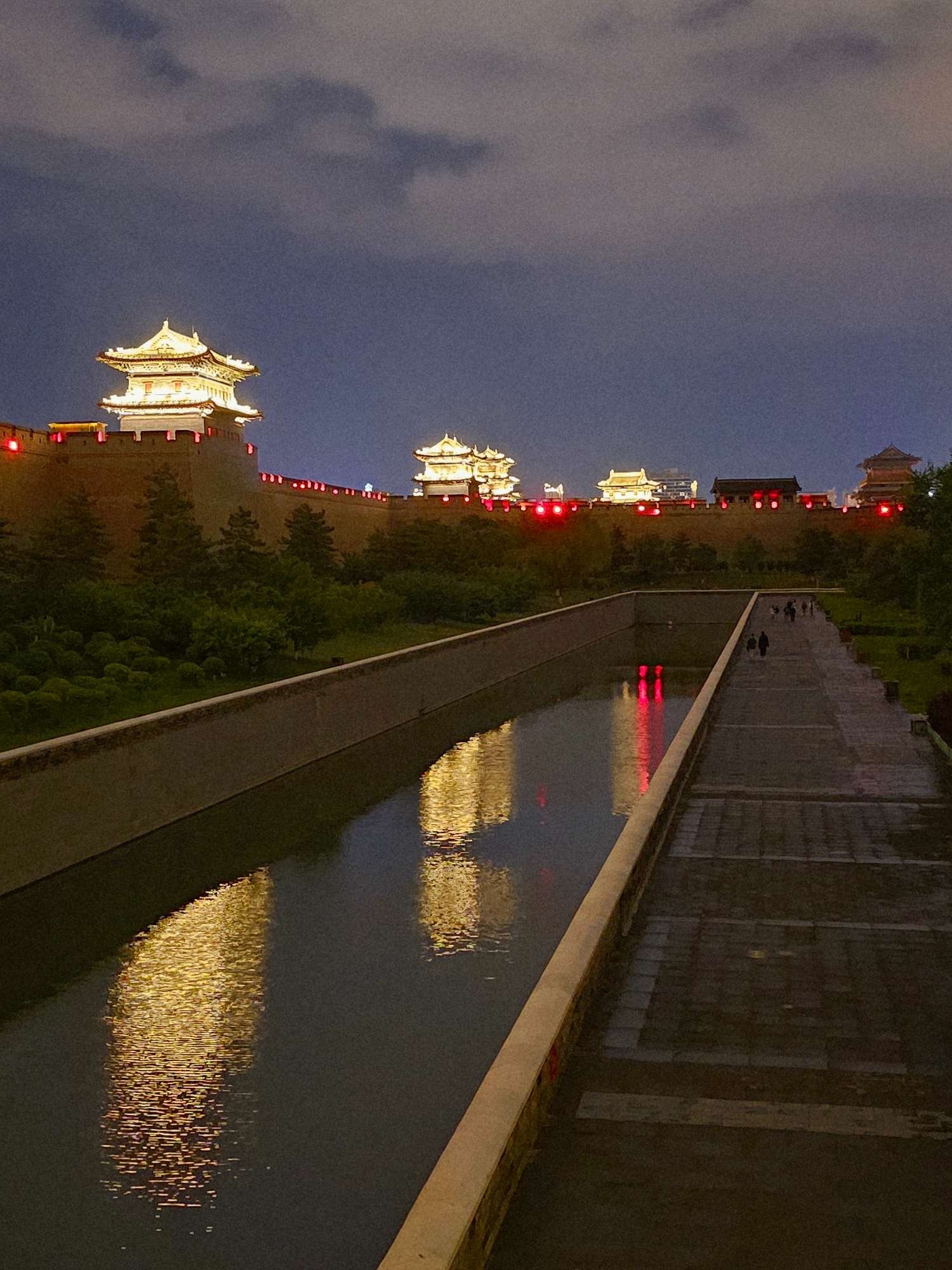
During the night you see the full horror of the reconstruction of Datong – the old city is basically deserted. Only tourists come there during the day and once the entry to the city walls closes, there is nothing to do anymore, and the historical centre of the city becomes basically dead.
Noću vidite puni užas obnove Datonga – stari grad je zapravo pust. Onamo danju dolaze samo turisti, a kad se ulaz na gradske zidine zatvori, više se nema što raditi i povijesno središte grada postaje praktički mrtvo.
Next day I woke up early to catch the 7:30 am bus number 901-1 to Hengshan. The Northern Great Mountain was the main reason why I came to Datong. I have already climbed the other four Great Mountains – Taishan, Songshan, Huashan and Hengshan in Henan. The Southern Great Mountain is also called Hengshan, pronounced exactly the same, just to make it more confusing. I wasn’t able to find good instructions about how to get to Hengshan from Datong and how to hike to the top. So again I had to wing it as I go along. Of course, I made many, many mistakes.
Sljedećeg dana ustao sam rano kako bih uhvatio autobus broj 901-1 za Hengshan u 7:30 ujutro. Sjeverna velika planina bila je glavni razlog zbog kojeg sam došao u Datong. Već sam se popeo na ostale četiri Velike planine – Taishan, Songshan, Huashan i Hengshan u Henanu. Južna velika planina također se zove Hengshan i izgovara se potpuno isto, tek toliko da bude još zbunjujuće. Nisam uspio pronaći dobre upute o tome kako iz Datonga doći do Hengshana i kako se popeti na vrh. Tako sam opet morao improvizirati u hodu. Naravno, napravio sam jako, jako puno pogrešaka.
After about two hours I reached a small town, where I took a taxi to the main scenic area. I could not find good instructions online so I followed instructions on AMAP – Chinese Google Maps. AMAP told me to get off at this stop and then I took a taxi. However, I think I should have gone to the end of the route. It would have taken me to the main bus station where I could take the free bus to the main scenic area. Well, the taxi was around 2.5 euros so not a lot of financial damage was done.
Nakon otprilike dva sata stigao sam u mali grad, gdje sam uzeo taksi do glavnog turističkog područja. Na internetu nisam mogao pronaći dobre upute pa sam slijedio upute na AMAP-u – kineskim Google kartama. AMAP mi je rekao da siđem na toj stanici i onda sam uzeo taksi. Ipak, mislim da sam se trebao voziti do kraja linije. To bi me dovelo do glavnog autobusnog kolodvora, gdje bih mogao sjesti na besplatni autobus do glavnog turističkog područja. No dobro, taksi je bio oko 2,5 eura, pa financijska šteta nije bila velika.
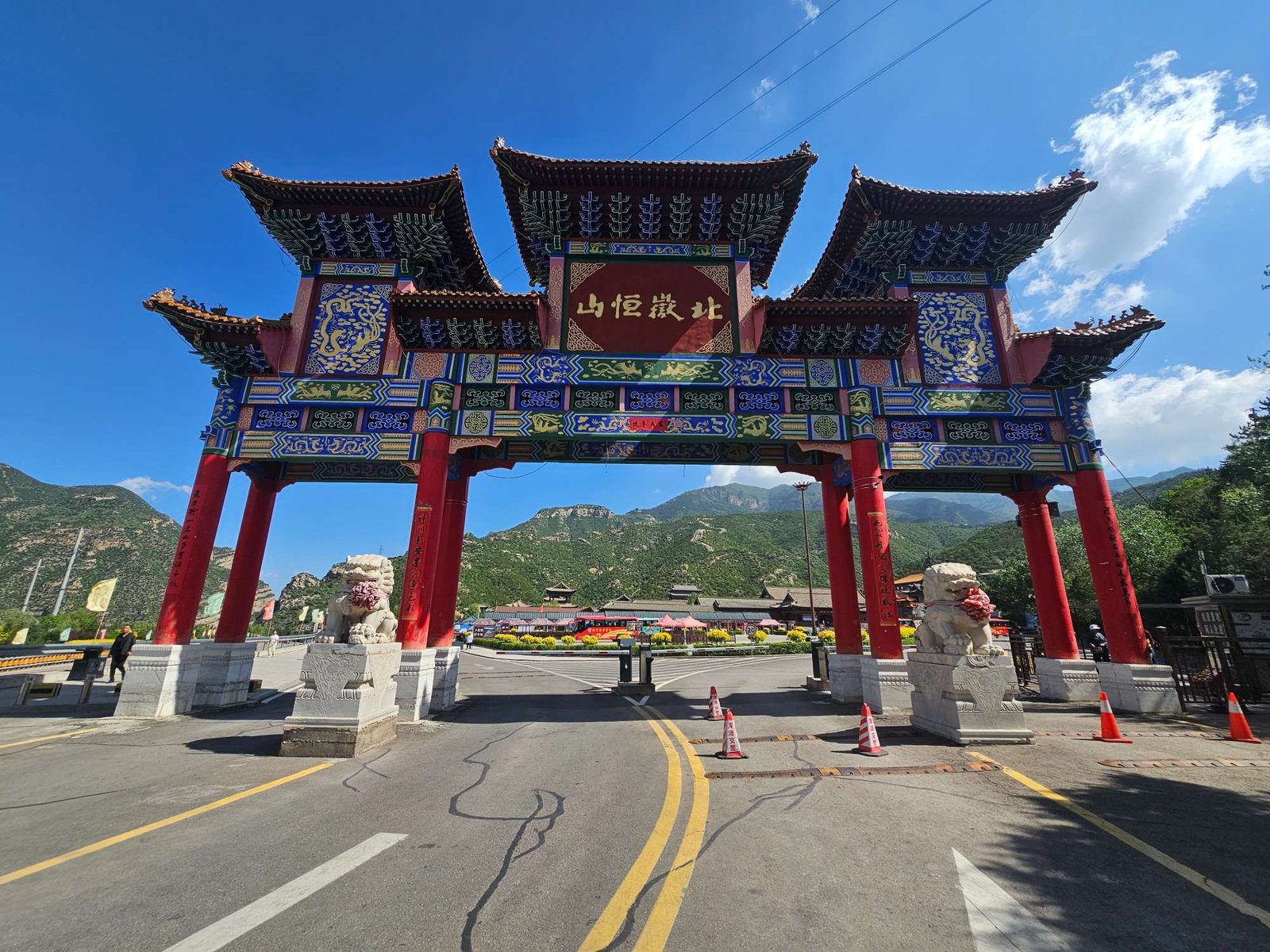
I made my second mistake when I decided not to take the bus but instead to walk all the way up to the top. I did not know that the lower part of the hiking path was “under renovation” so I had to walk halfway to the mountain top using the same road that buses used. No nice scenery, no nice views… just many buses passing by.
Drugu pogrešku napravio sam kad sam odlučio da neću ići autobusom, nego ću pješačiti sve do vrha. Nisam znao da je donji dio planinarske staze „u obnovi“, pa sam pola puta do vrha planine morao hodati istom cestom kojom voze autobusi. Bez lijepog krajolika, bez lijepih pogleda… samo mnoštvo autobusa koji prolaze.


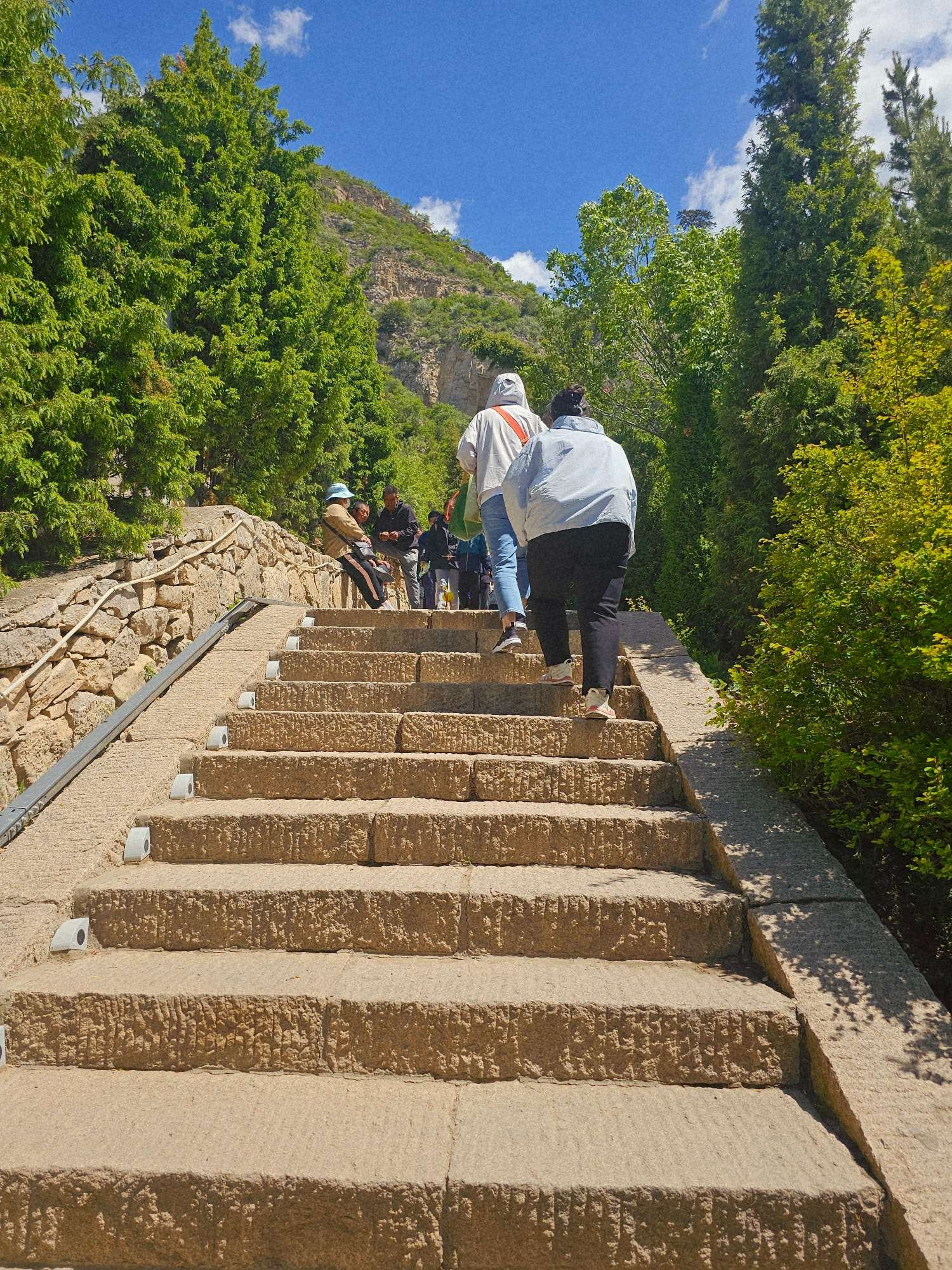
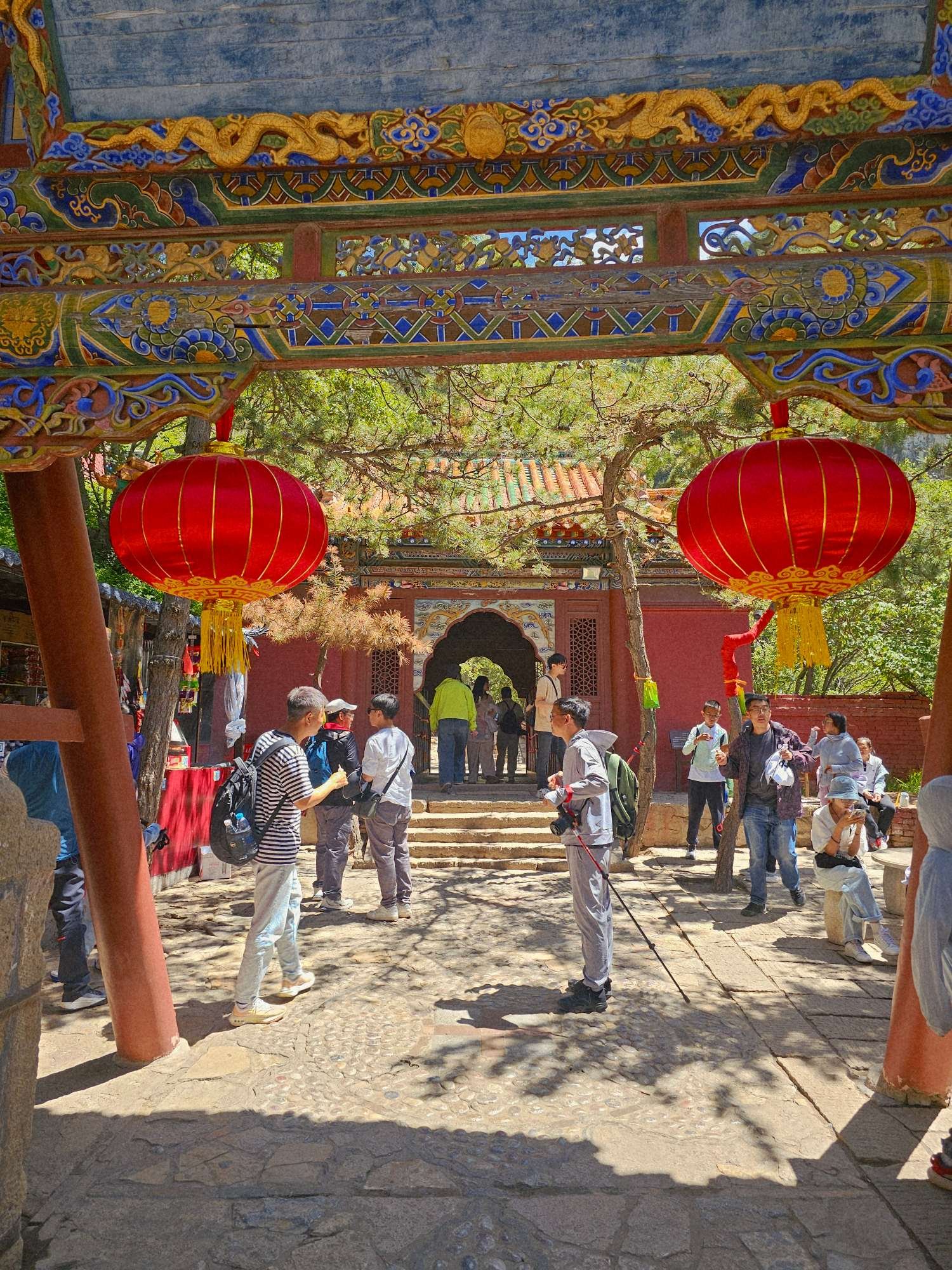
After one hour I reached a large parking lot, which also marks a halfway point. From there you start the proper Chinese hike – you only go up, and you only go on stone paths with steps. Before I set off for the mountain top, I took a detour to a very nice Taoist temple.
Nakon sat vremena stigao sam do velikog parkirališta, koje ujedno označava pola puta. Odatle počinje pravo kinesko planinarenje – ide se samo uzbrdo i samo po kamenim stazama sa stubama. Prije nego što sam krenuo prema vrhu planine, skrenuo sam do jednog vrlo lijepog taoističkog hrama.
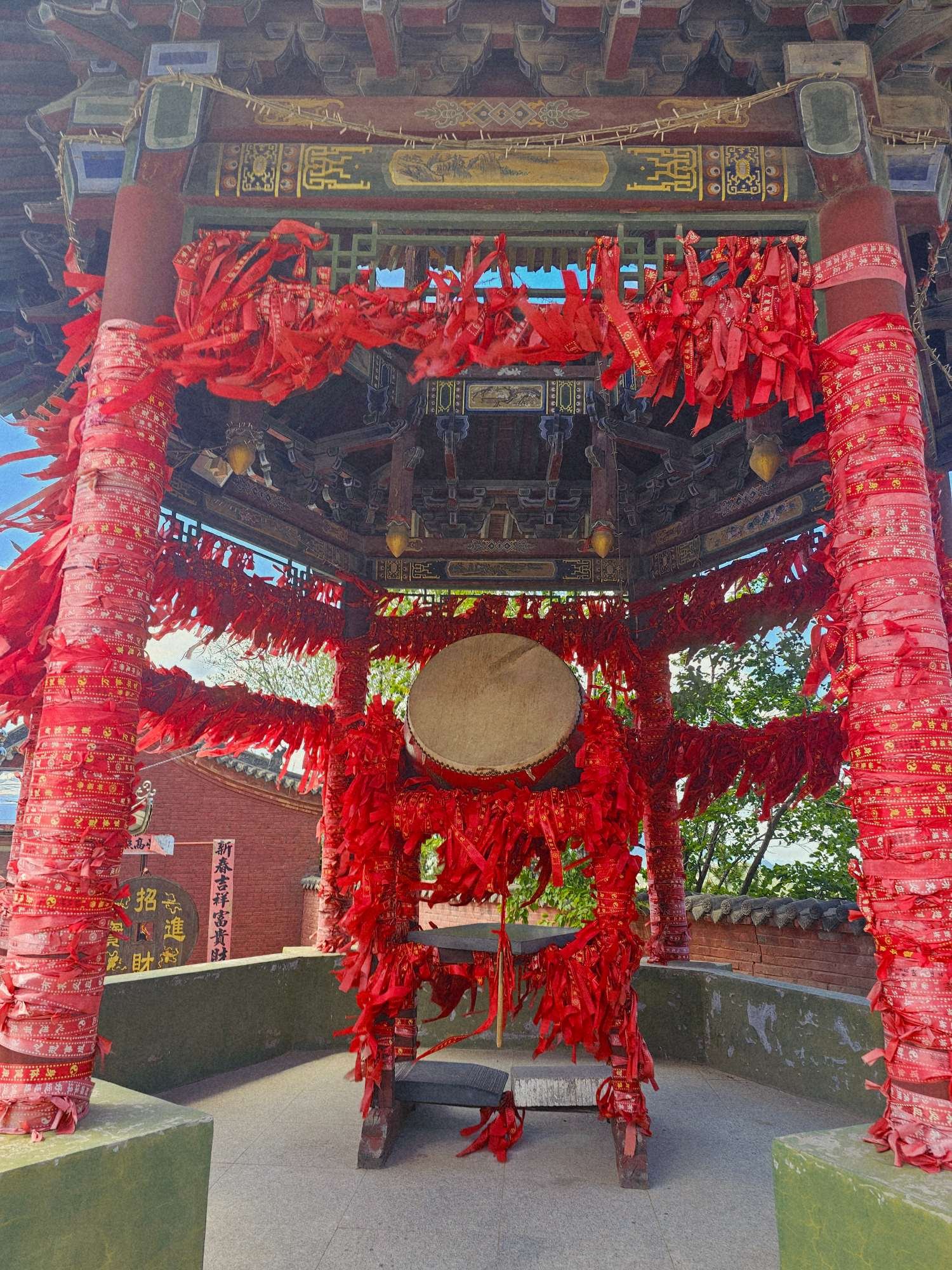
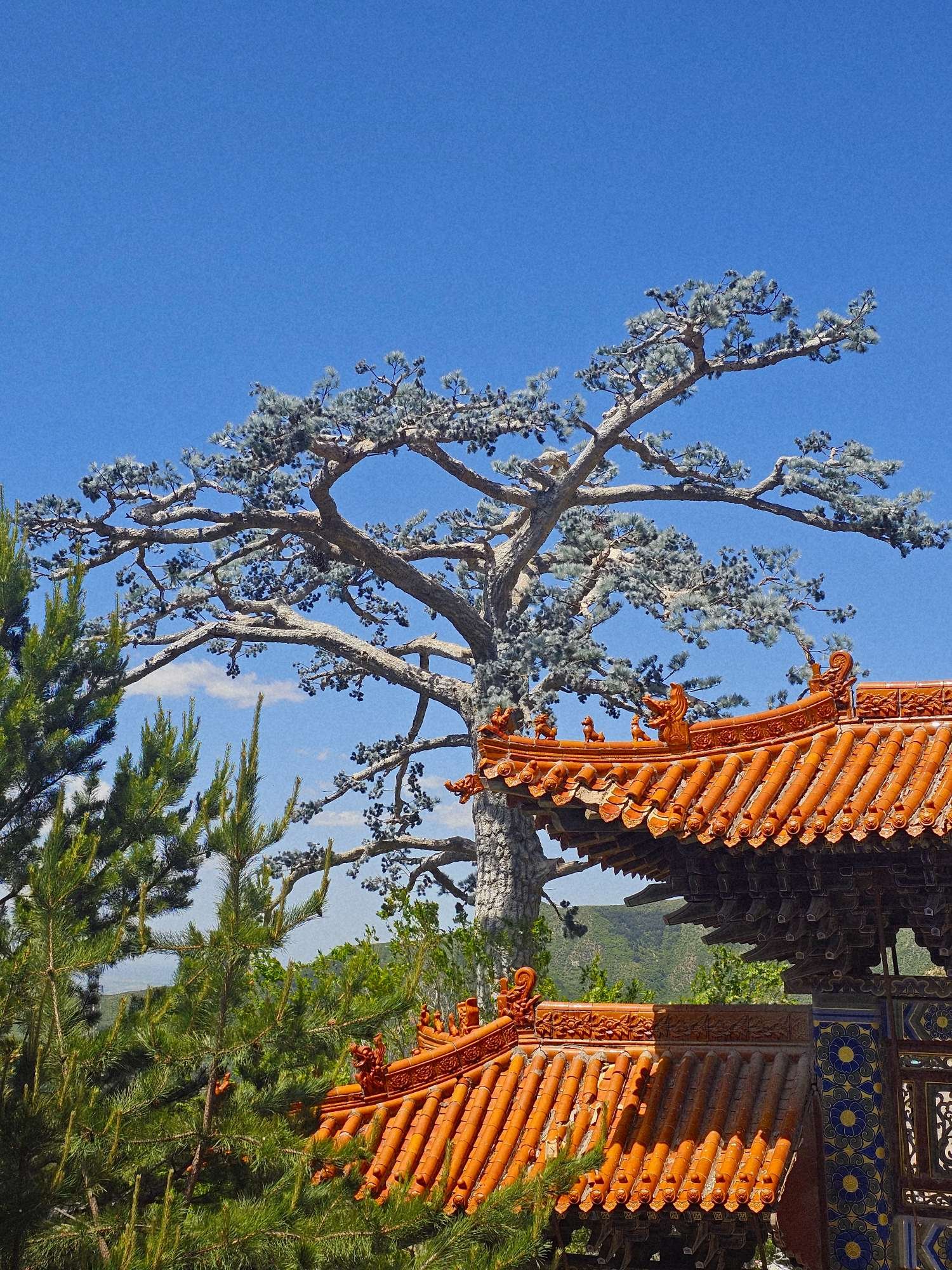


The main hike to the top is really nice. You pass through many temples and you are surrounded by forests. The Northern Great Mountain is very different from other Great Mountains. Since you are much more north, the dominant trees are pines.
Glavni uspon do vrha stvarno je lijep. Prolazite kroz mnoge hramove i okruženi ste šumama. Sjeverna velika planina jako se razlikuje od ostalih Velikih planina. Budući da ste puno sjevernije, prevladavaju borovi.

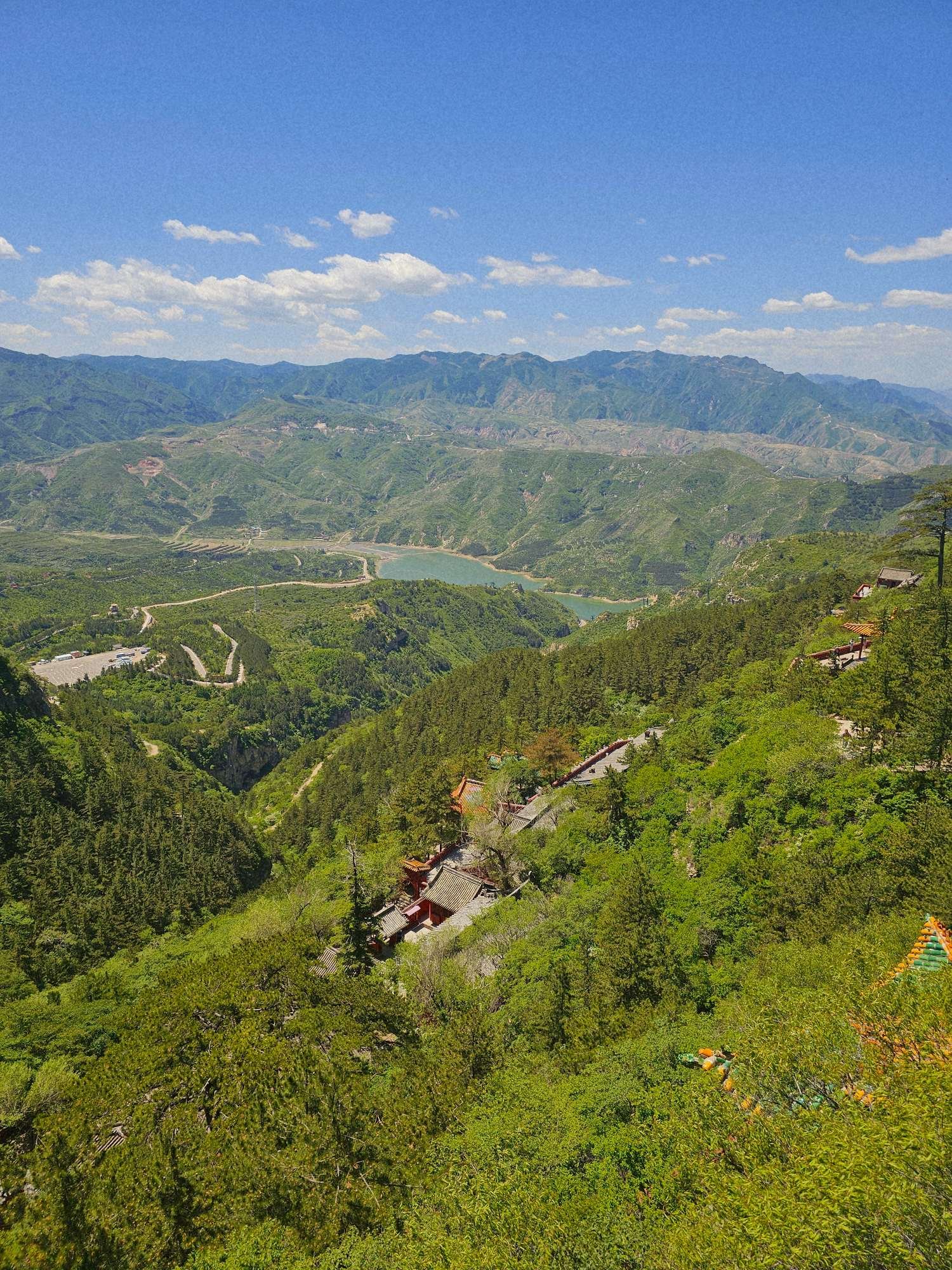
It took me an hour to reach the top from the halfway point. The view is stunning – one side is very mountainous, while the other side is completely flat – the Great Northern Chinese Plain, the birthplace of Chinese civilization. Additional plus is that of all the Great Mountains, this one was the easiest to climb, for sure.
Od polovice puta do vrha trebalo mi je sat vremena. Pogled je veličanstven – jedna je strana vrlo brdovita, dok je druga potpuno ravna – Velika sjevernokineska nizina, kolijevka kineske civilizacije. Dodatni plus je to što je od svih Velikih planina na ovu sigurno bilo najlakše popeti se.


Going back, you can take the cable car but I decided to walk back to the half-way point. I even took a detour to one more temple. At the half-way point I took the bus back.
Na povratku možete ići žičarom, ali ja sam odlučio pješice se vratiti do polovice puta. Čak sam skrenuo do još jednog hrama. Na polovici puta sjeo sam na autobus za povratak.
My day was not finished, close by (some 5 kilometers away), but in another scenic area – meaning another entry ticket to pay for, is the famous Hanging Temple. I took a free bus to the Hanging Temple and then I realized I made my third mistake. I should have bought the ticket at the tourist offices near the Hengshan Mountains. I mean, how does this make any sense?!?!?! Overall, China is a very well organized country but sometimes it really pisses me off. Luckily, there is a special officer who specializes in “cases” like me. Basically, he orders the ticket through his phone, the administrator at the ticket office at Hangsheng mountain sends him the QR code through WeChat that I have to scan to pay the ticket. This is how you get your ticket. The poor guy had to do it twice because he first sent the QR code for WeChat, which is useless for me so he had to send it again for Alipay.
Moj dan nije bio gotov: u blizini (nekih 5 kilometara dalje), ali u drugom turističkom području – što znači još jednu ulaznicu koju treba platiti, nalazi se slavni Viseći hram. Do Visećeg hrama otišao sam besplatnim autobusom i onda shvatio da sam napravio treću pogrešku. Kartu sam trebao kupiti u turističkim uredima kod planine Hengshan. Mislim, kakvog to ima smisla?!?!?! Sve u svemu, Kina je vrlo dobro organizirana zemlja, ali ponekad me stvarno izbaci iz takta. Srećom, postoji poseban službenik koji je specijaliziran za „slučajeve“ poput mene. Ukratko, on naruči kartu preko svog mobitela, a administrator na blagajni na planini Hangsheng pošalje mu preko WeChata QR kod koji moram skenirati da platim kartu. Tako dobijete kartu. Jadnik je to morao napraviti dvaput jer je prvo poslao QR kod za WeChat, koji je meni beskoristan, pa ga je morao ponovno poslati za Alipay.
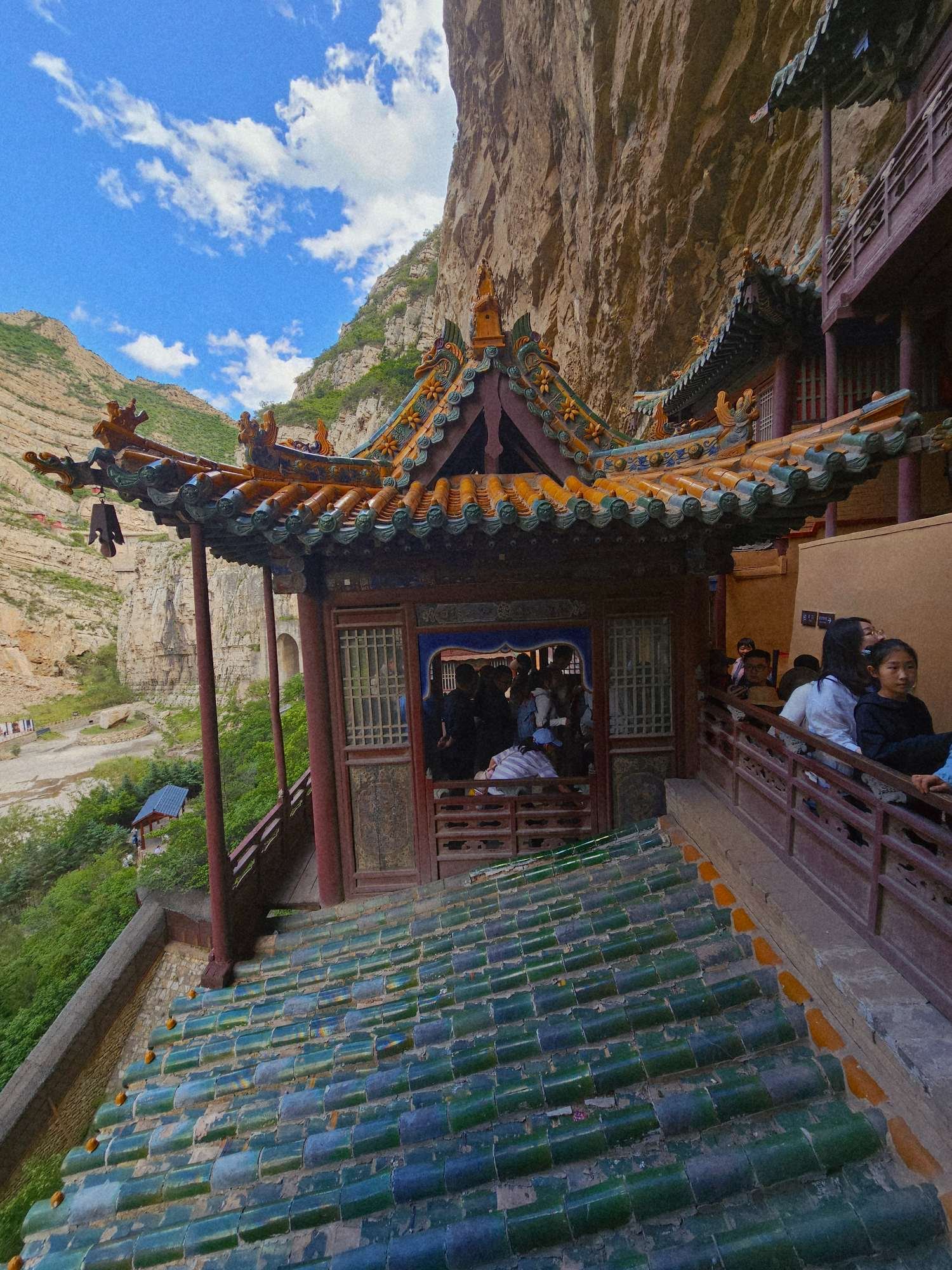
As you enter the scenic area you are quickly overwhelmed by the Hanging Temple. As you are amazed by the creative genius of the people that have built it, you start wondering: how does it survive an earthquake?
Čim uđete u turističko područje, Viseći hram vas ostavi bez daha. Dok se divite stvaralačkom geniju ljudi koji su ga izgradili, počnete se pitati: kako preživi potres?
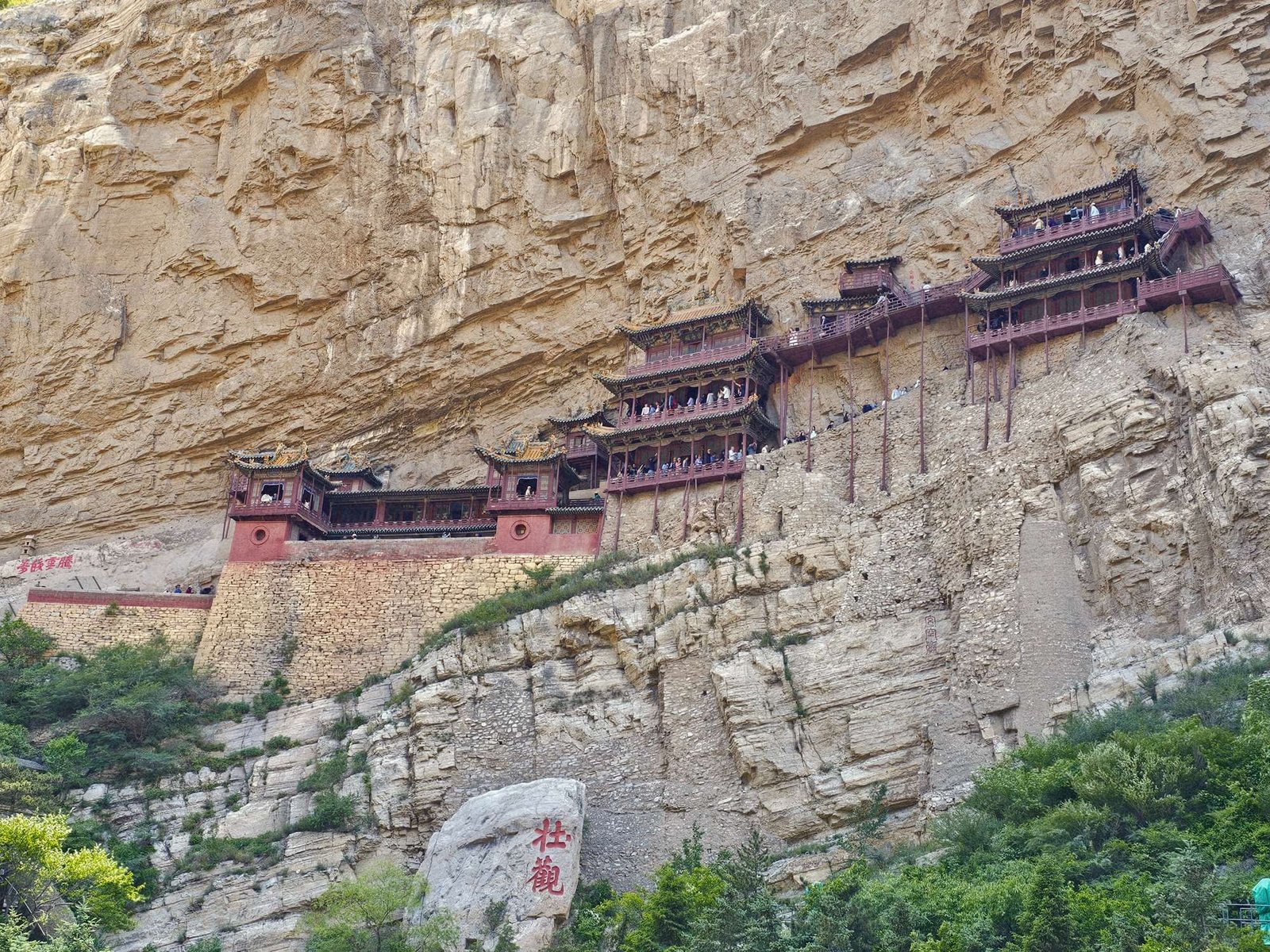
But soon your wonder turns to horror… not again… not another line! As you can clearly see form the photo, the paths inside the temple are very narrow and there is a limit on how many people can be at the temple at the same time. So, it was time to que up.
No ubrzo se vaše divljenje pretvori u užas… ne opet… ne još jedan red! Kao što se jasno vidi na fotografiji, staze unutar hrama vrlo su uske i postoji ograničenje koliko ljudi može istodobno biti u hramu. Dakle, bilo je vrijeme da stanem u red.

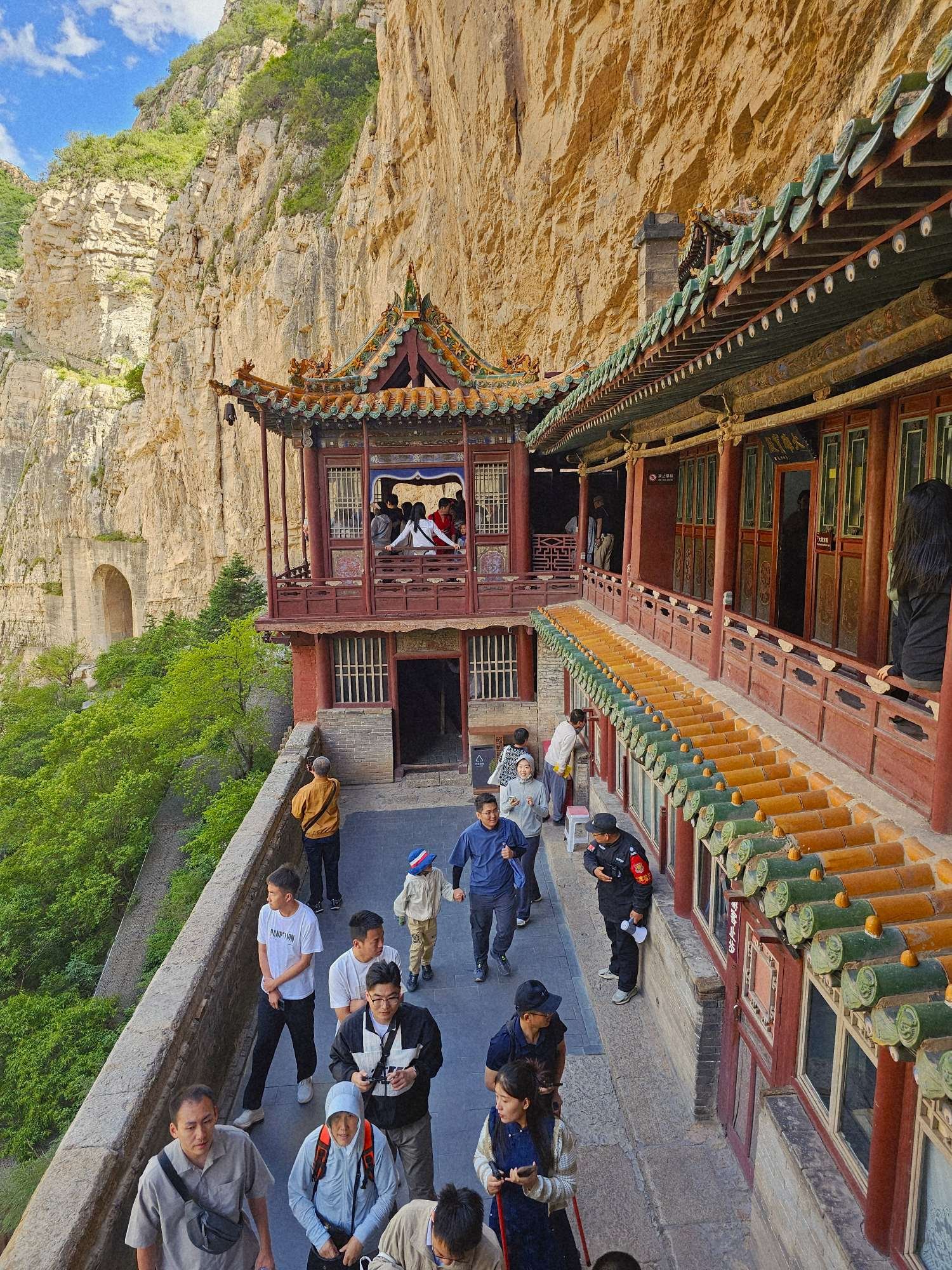
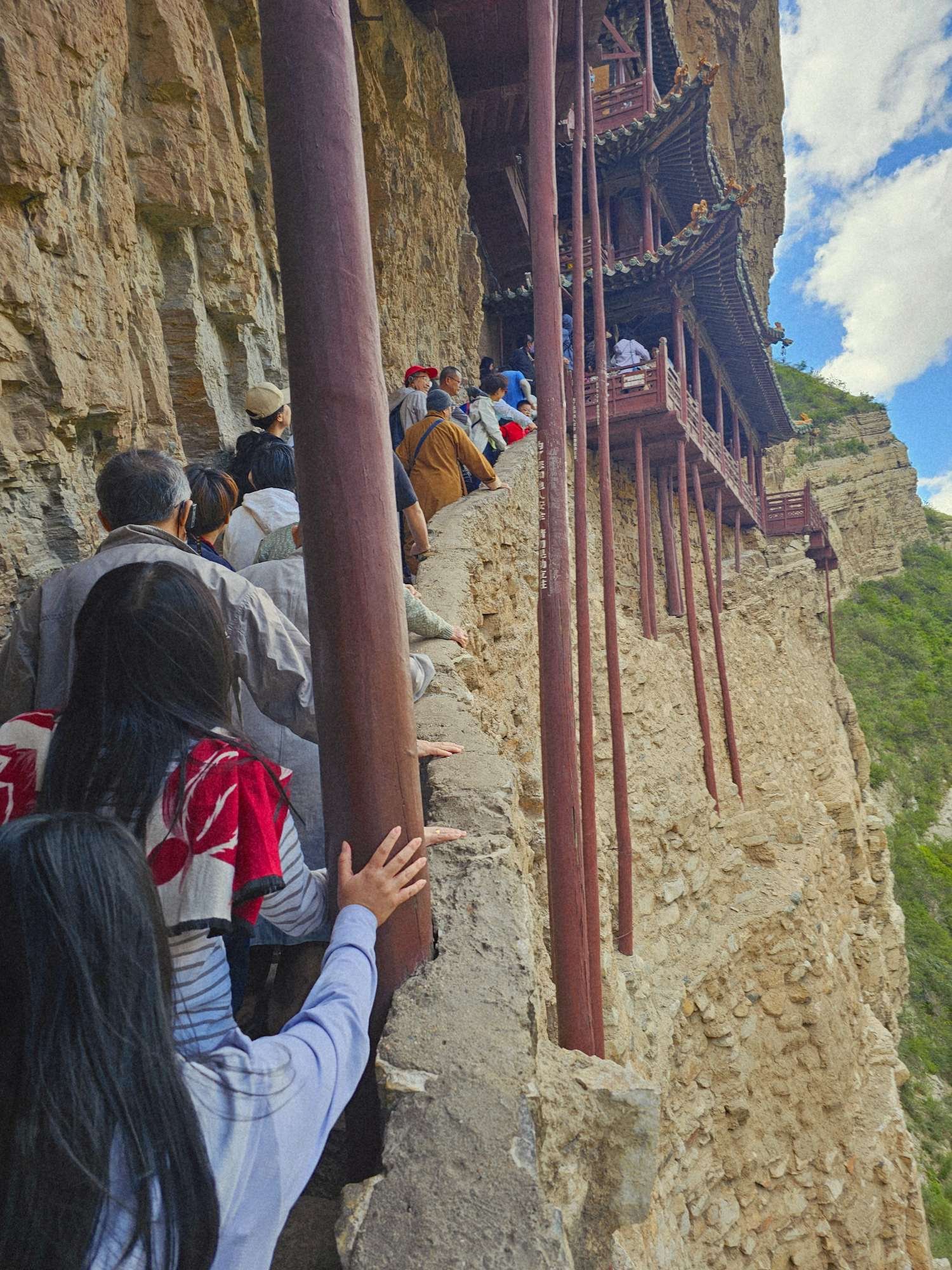
After over an hour I was finally let inside. You will have a lot of time to enjoy the wonders of this temple and also be scared as walk above the steep cliffs, since the paths are so narrow that barrely one person can walk through these passages. This means a long line will be formed. My line was especially slow as there was an old Buddhist monk who visibly had problems walking in front of me. He was using a walking cane and three women were helping him to go up and down the stairs. After about 15 minutes, I realized it was not a monk, it was a Buddhist nun! She was clean shaven and she wore the same kind of robe as monks do. Her robe looked a bit like Roman togas.
Nakon više od sat vremena napokon su me pustili unutra. Imat ćete puno vremena da uživate u čudima ovog hrama, ali i da se bojite dok hodate iznad strmih litica, jer su staze toliko uske da kroz te prolaze jedva može proći jedna osoba. To znači da će se stvoriti dug red. Moj je red bio posebno spor jer je ispred mene bio stari budistički redovnik koji je vidljivo teško hodao. Koristio je štap za hodanje, a tri su mu žene pomagale da se penje i silazi stubama. Nakon otprilike 15 minuta shvatio sam da to nije redovnik, nego budistička redovnica! Bila je obrijane glave i nosila je istu vrstu halje kakvu nose redovnici. Njezina je halja pomalo podsjećala na rimske toge.

To get to Datong, I first took the free bus to the bus station and there I took bus number 901-1 again to Datong. This is why I think I made the mistake of exiting the bus in the town, before the main bus station, on my way to Hengshan.
Da bih došao do Datonga, prvo sam besplatnim autobusom otišao do autobusnog kolodvora i ondje opet sjeo na autobus broj 901-1 za Datong. Zato mislim da sam pogriješio kad sam na putu prema Hengshanu izašao iz autobusa u gradu, prije glavnog autobusnog kolodvora.
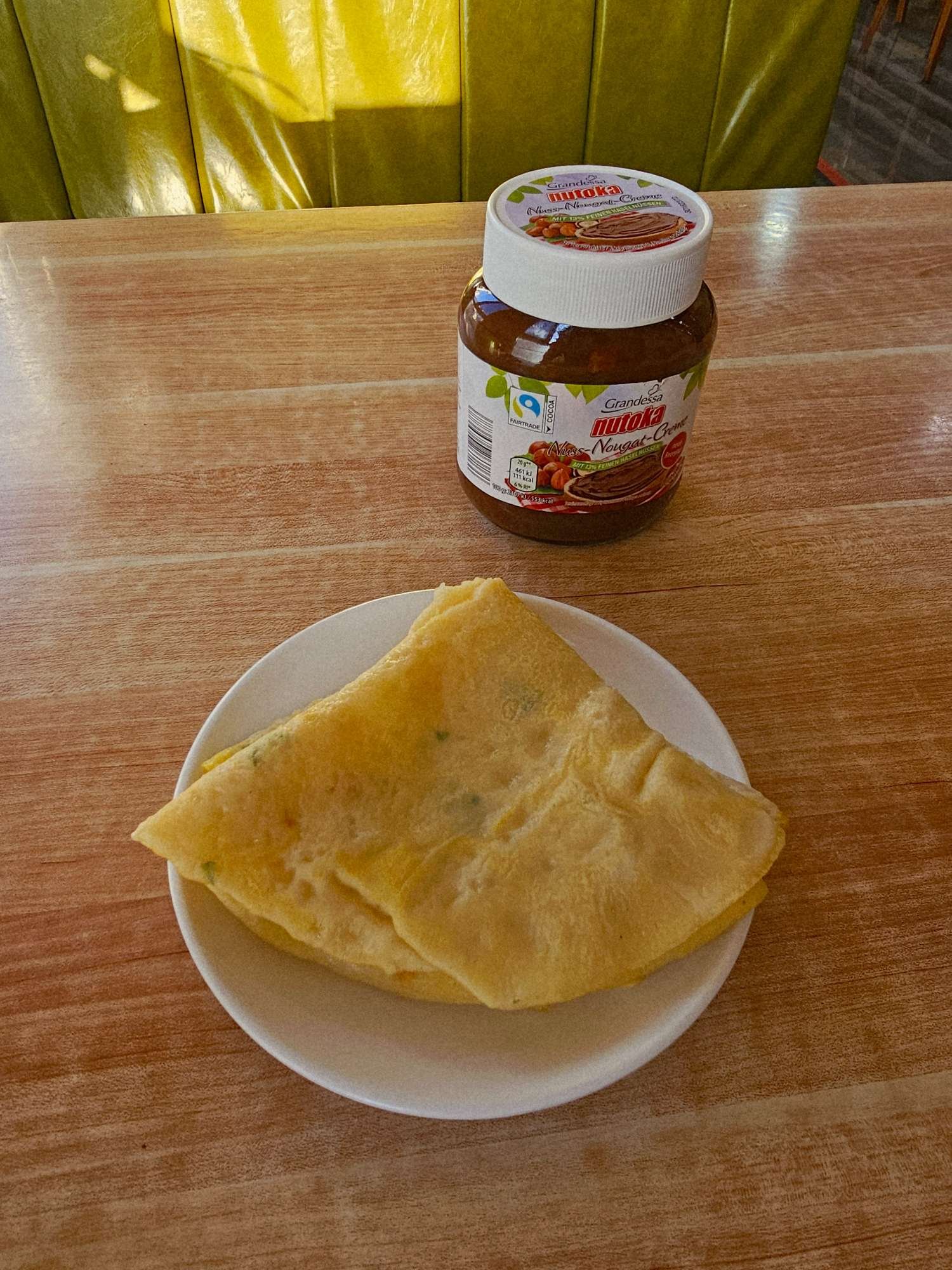
I got to my hostel just before 6 pm so I just had enough time to grab some dinner and get ready to catch my train to Pingyao at 8:15 pm. I already ate at this restaurant before so I knew that they prepare something like crepes with vegetables. It is salty but I could not resist. I brought Chinese version of Nutella with me and stuffed myself with crepes. One crepe is less than half a euro!
U hostel sam stigao malo prije 18 sati, pa sam imao taman dovoljno vremena da nešto večeram i spremim se za vlak za Pingyao u 20:15. U tom sam restoranu već jeo, pa sam znao da pripremaju nešto poput palačinki s povrćem. Slano je, ali nisam mogao odoljeti. Ponio sam sa sobom kinesku inačicu Nutelle i natrpao se palačinkama. Jedna palačinka stoji manje od pola eura!