China travel blogPutopisi iz Kine · 16 June 202516. lipnja 2025.
Nanjing: The Southern Capital
Nanjing: Južna prijestolnica
I have arrived to Nanjing late at night and took Didi (Chinese Uber) to my hostel. Unfortunately, my hostel was not on the main road so my Didi left me to look around for it. This is the worst – you have to go to the trip.com page and look for photos of the hostel from outside to try to find it. Everything is in Chinese and even people who work in the same building did not know where it was. I lost 20 minutes and 5 kilos of nerves until I finally managed to locate it. If this happens, my advise is that you go on trip.com and check the photos of your hostel. If the entrance to the hostel is “hidden”, they normally post photos of the buildings you need to pass on the way to your hostel. It might look like random photos on the website, but once you find your hostel, it will all make sense.
U Nanjing sam stigao kasno navečer i do hostela se odvezao Didijem (kineski Uber). Nažalost, hostel nije bio na glavnoj cesti pa me vozač Didija ostavio da ga sam tražim. To je najgore – morate otići na stranicu trip.com i tražiti fotografije hostela izvana da biste ga pokušali naći. Sve je na kineskom, a čak ni ljudi koji rade u istoj zgradi nisu znali gdje je. Izgubio sam 20 minuta i 5 kila živaca dok ga napokon nisam uspio pronaći. Ako vam se to dogodi, moj je savjet da odete na trip.com i pogledate fotografije svog hostela. Ako je ulaz u hostel „skriven“, obično objave fotografije zgrada pokraj kojih morate proći na putu do hostela. Na stranici to može izgledati kao hrpa nasumičnih fotografija, ali kad nađete hostel, sve će imati smisla.
Nanjing, meaning Southern Capital, is one of the great six imperial cities and thus one of my main destinations. I had high hopes for this city and they were more than matched. Nanjing has been competing for the title of China’s capital with Beijing, meaning Northern Capital, for the past 700 years. It became the seat of the Empire when Hongwu, the founding emperor of the Ming Dynasty chose it as its capital in the 15th century. The last time Nanjing was the capital was during the Republic, before Chiang Kai Shek and his nationalists lost the civil war to Mao’s communists and fled to Taiwan.
Nanjing, što znači Južna prijestolnica, jedan je od šest velikih carskih gradova i zato jedno od mojih glavnih odredišta. Od ovog sam grada puno očekivao i on je ta očekivanja i više nego ispunio. Nanjing se posljednjih 700 godina s Pekingom, čije ime znači Sjeverna prijestolnica, natječe za titulu glavnog grada Kine. Sjedištem Carstva postao je kad ga je Hongwu, car osnivač dinastije Ming, u 15. stoljeću odabrao za svoju prijestolnicu. Nanjing je posljednji put bio glavni grad u vrijeme Republike, prije nego što su Chiang Kai Shek i njegovi nacionalisti izgubili građanski rat od Maovih komunista i pobjegli na Tajvan.
The city has a much darker recent history than Beijing. It was devasted during the bloodiest conflict of the 19th century – Taiping Rebellion, when Heavenly King Hong Xiuquan, the Son of God and younger brother of Jesus Christ, has led a Christian peasant uprising, which to everyone’s surprise, including Heavenly King’s, I am sure, has managed to capture Nanjing – the Southern Capital of the Qing Dynasty. What ensued was a massive bloodshed – no Manchu was left alive.
Grad ima puno mračniju noviju povijest od Pekinga. Opustošen je tijekom najkrvavijeg sukoba 19. stoljeća – Taipinškog ustanka, kad je Nebeski kralj Hong Xiuquan, Sin Božji i mlađi brat Isusa Krista, poveo kršćanski seljački ustanak koji je, na opće iznenađenje, a siguran sam i na iznenađenje samog Nebeskog kralja, uspio osvojiti Nanjing – Južnu prijestolnicu dinastije Qing. Uslijedilo je golemo krvoproliće – nijedan Mandžurac nije ostao živ.

Taiping might have called themselves Christians, but Heavenly King showed little to no interest in his big brother’s saying “Love Thy Neighbor as Yourself”. Instead, Hong Xiuquan was more interested in the just rage of Jahve from the Old Testament. Among the many things that the Heavenly King’s family name Hong means, one stands out – flood. It is precisely the story of Noah and the Great Flood that has inspired him to start his uprising: he is the instrument of God, the Great Flood which will purify China from the forces of darkness. The darkness for him was ethical as much as ethnical – it was Manchus, the barbarian overlords of China that he wanted to get rid of, which is why it was fairly easy to find so many Chinese peasants to join him. The “great purifying” that the Heavenly King has unleashed on his enemies after the fall of Nanjing was only matched by bloodshed committed by the imperial forces after the Taiping Rebellion was crushed. There is an interesting museum dedicated to the Heavenly King and the Taiping Rebellion in Nanjing, one of only few museum in China.
Taipinzi su se možda nazivali kršćanima, ali Nebeski kralj nije pokazivao gotovo nikakvo zanimanje za riječi svog velikog brata „Ljubi bližnjega svoga kao samoga sebe“. Honga Xiuquana više je zanimao pravedni gnjev Jahve iz Starog zavjeta. Među mnogim značenjima prezimena Nebeskog kralja, Hong, jedno se ističe – potop. Upravo ga je priča o Noi i Velikom potopu nadahnula da pokrene ustanak: on je Božje oruđe, Veliki potop koji će očistiti Kinu od sila tame. Tama je za njega bila koliko etička toliko i etnička – htio se riješiti Mandžuraca, barbarskih gospodara Kine, i zato je bilo prilično lako naći toliko kineskih seljaka koji su mu se pridružili. „Velikom čišćenju“ koje je Nebeski kralj nakon pada Nanjinga pustio na svoje neprijatelje ravno je bilo samo krvoproliće koje su počinile carske snage nakon što je Taipinški ustanak slomljen. U Nanjingu postoji zanimljiv muzej posvećen Nebeskom kralju i Taipinškom ustanku, jedan od tek nekoliko takvih muzeja u Kini.

The last massacre suffered by the city was the Rape of Nanjing in 194X, when Japanese Empire went on a spree of murder, rape and torture of the inhabitants of the Capital City of the Chinese Republic, with up to 340 000 people estimated dead. There are many monuments dedicated to Nanjing during WWII and honestly it is hard to locate the one you really want to visit. I went to the main WWII museum, which was very disappointing. It was more about basics of WWII – who was Adolf Hitler (maybe this was interesting and informative to the Chinese) than about the faith of Nanjing during WWII.
Posljednji pokolj koji je grad pretrpio bilo je Silovanje Nanjinga 194X., kad je Japansko Carstvo krenulo u pohod ubijanja, silovanja i mučenja stanovnika glavnog grada Kineske Republike, a procjenjuje se da je poginulo i do 340 000 ljudi. Mnogo je spomenika posvećenih Nanjingu u Drugom svjetskom ratu i, iskreno, teško je pronaći onaj koji zaista želite posjetiti. Otišao sam u glavni muzej Drugog svjetskog rata, koji me jako razočarao. Više se bavio osnovama Drugog svjetskog rata – tko je bio Adolf Hitler (možda je to Kinezima bilo zanimljivo i poučno) nego sudbinom Nanjinga u Drugom svjetskom ratu.


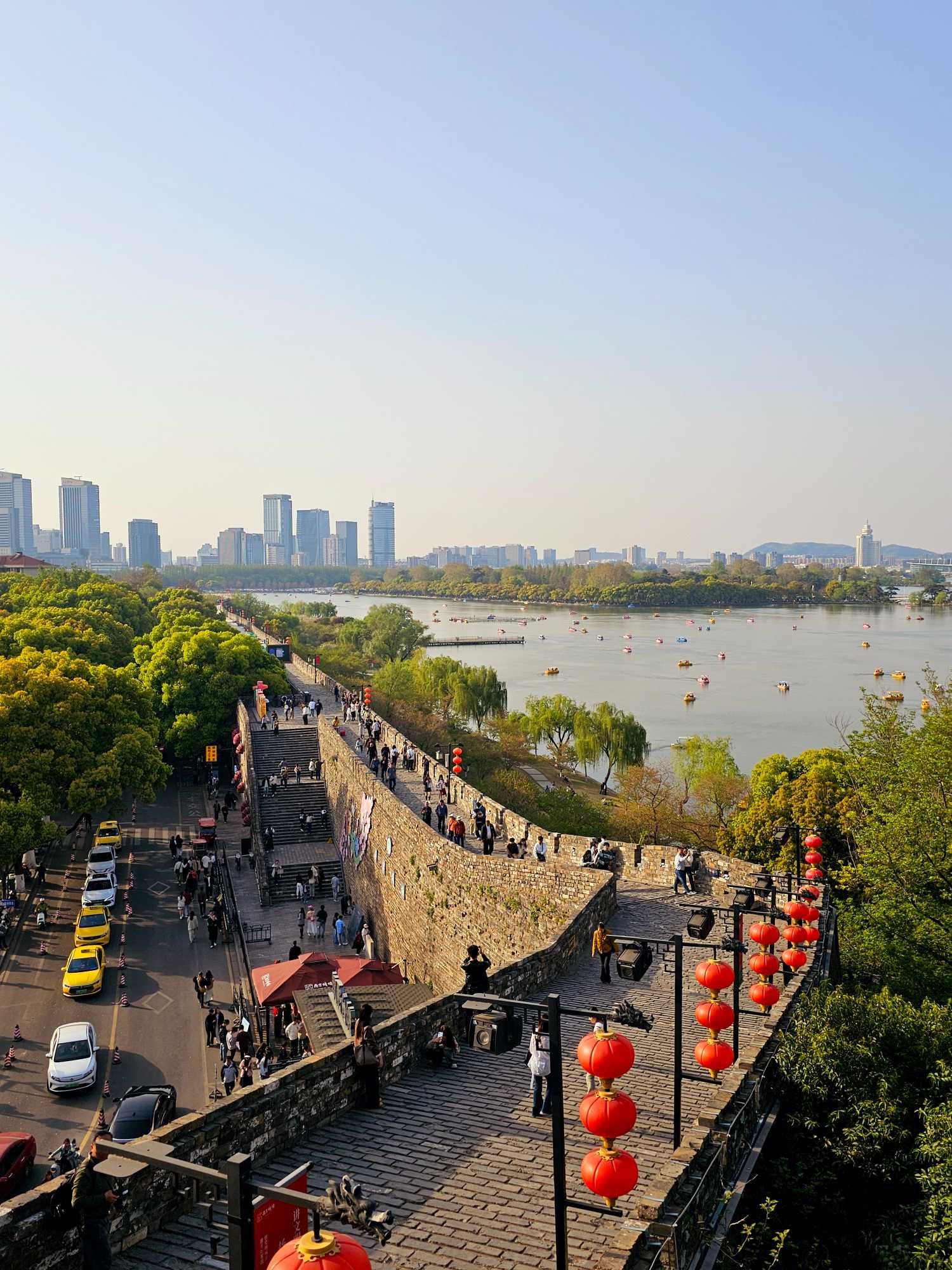

Among the city’s highlights are its city walls, the longest preserved city walls in the world. You can climb and explore the city walls on many sections, but the best parts are close to lake Xuanwu. The best section is close to Jiming temple, a hilltop temple dominated by yellow colour, which is quite unusual for China. Unfortunately, all I know about this temple is that it is very pretty to look at. It was almost 17:30 when I got to the Wall close to it, when almost all museums and temples close.
Među glavnim su znamenitostima grada njegove zidine, najduže sačuvane gradske zidine na svijetu. Na zidine se možete popeti i istraživati ih na mnogo dionica, ali najbolji su dijelovi blizu jezera Xuanwu. Najbolja je dionica blizu hrama Jiming, hrama na vrhu brežuljka u kojem prevladava žuta boja, što je za Kinu prilično neobično. Nažalost, o tom hramu znam samo da ga je jako lijepo gledati. Do zida u njegovoj blizini stigao sam gotovo u 17:30, kad se zatvaraju gotovo svi muzeji i hramovi.
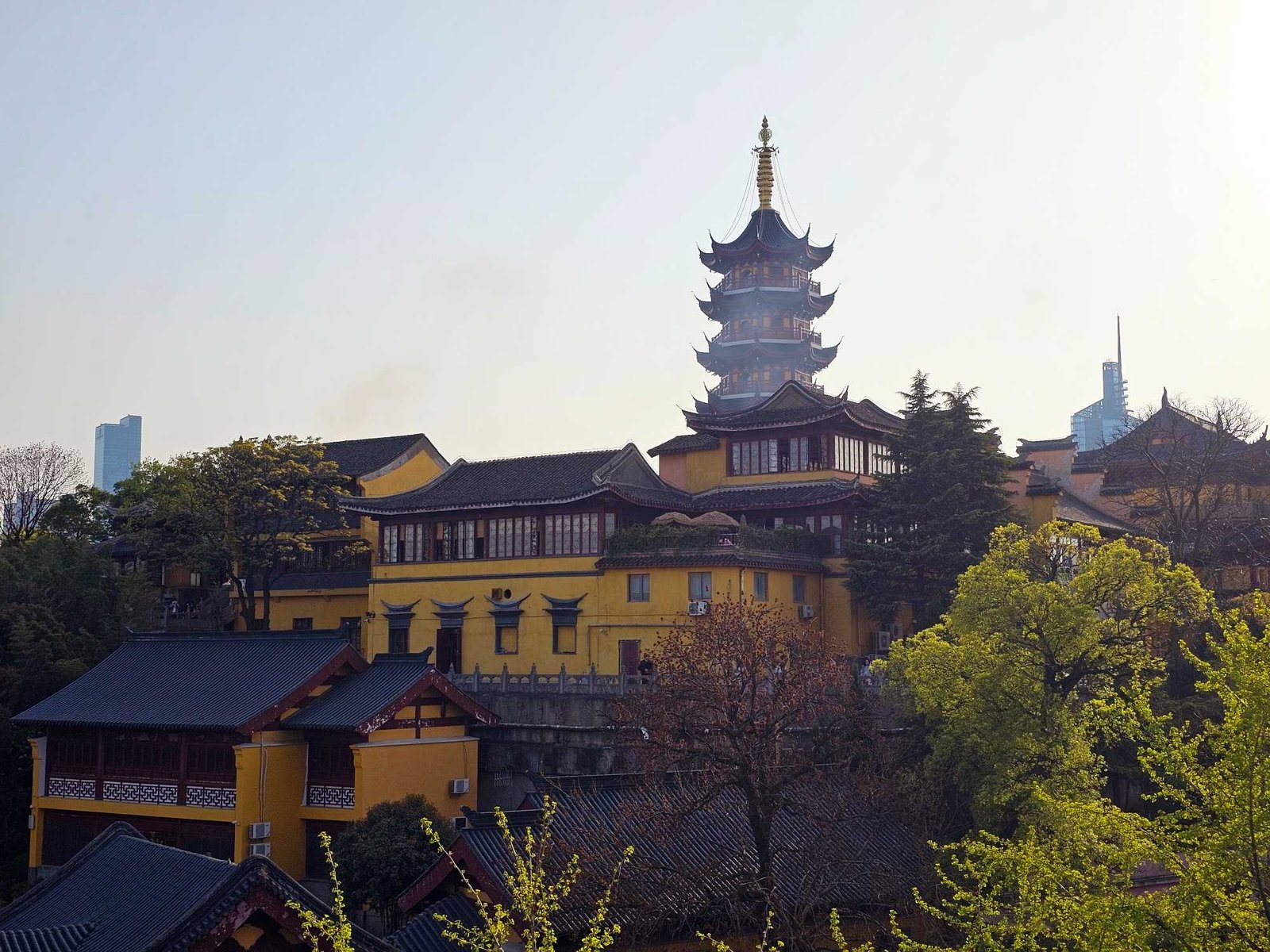
The lake looks majestic, there are walking paths along its shores and one of the must things to do in Nanjing is to walk around the lake. Its shores are full of people – some exploring like you, some running or doing taichi, some trying to sell you something; all kinds of snacks, drinks and toys are on offer.
Jezero izgleda veličanstveno, uz obale vode šetnice, a šetnja oko jezera jedna je od stvari koje u Nanjingu morate napraviti. Obale su pune ljudi – neki istražuju kao i vi, neki trče ili vježbaju tai chi, neki vam pokušavaju nešto prodati; u ponudi su svakakvi zalogaji, pića i igračke.

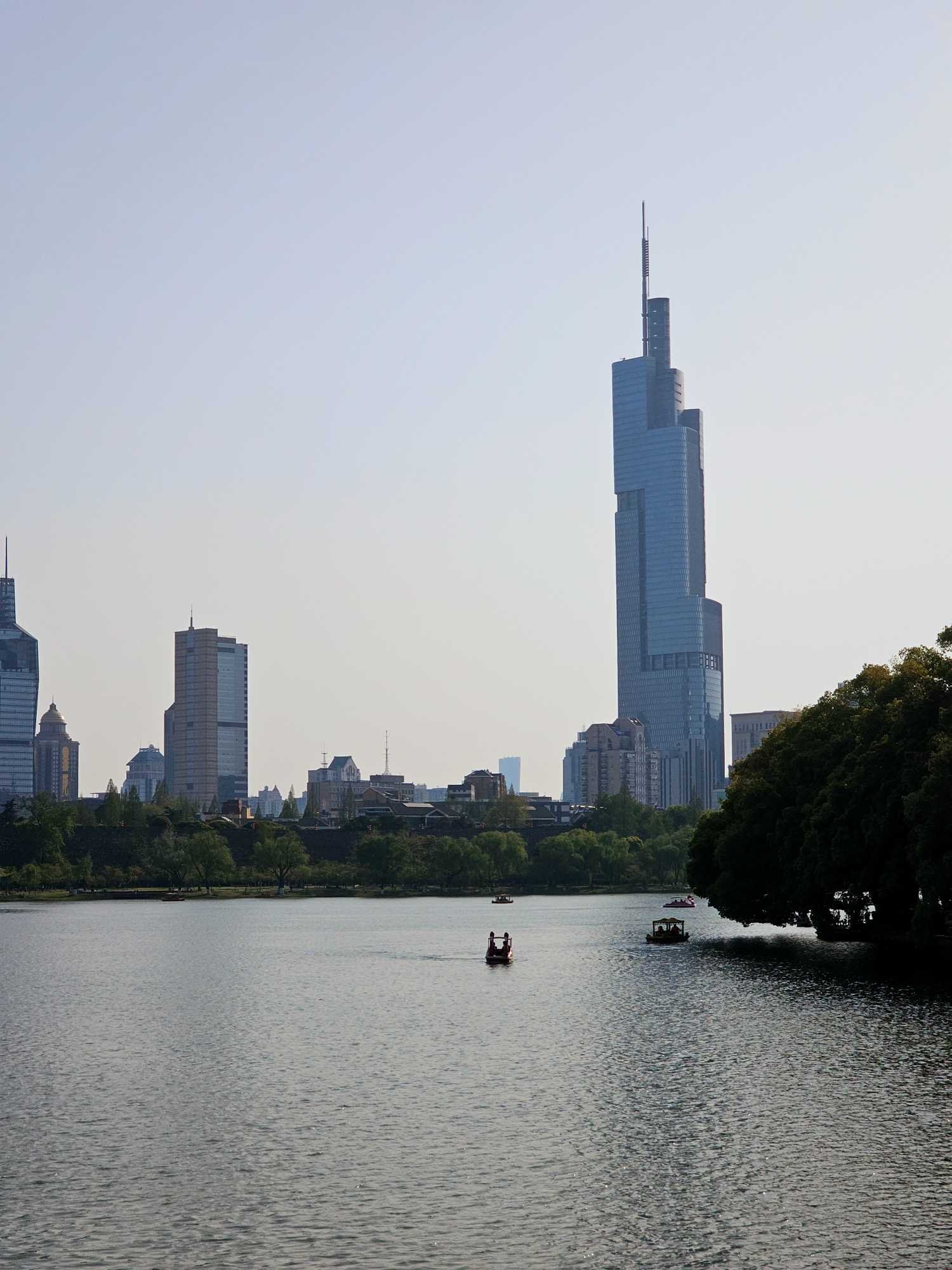
Outside of the city, there are two scenic areas well worth visiting for a full day or half-a-day visit. To the city’s northeast is the Purple Mountain – a large forested park containing a number of masterpieces:
Izvan grada nalaze se dva slikovita područja koja svakako vrijedi posjetiti na cijeli dan ili pola dana. Sjeveroistočno od grada je Purpurna planina – veliki šumoviti park s nekoliko remek-djela:
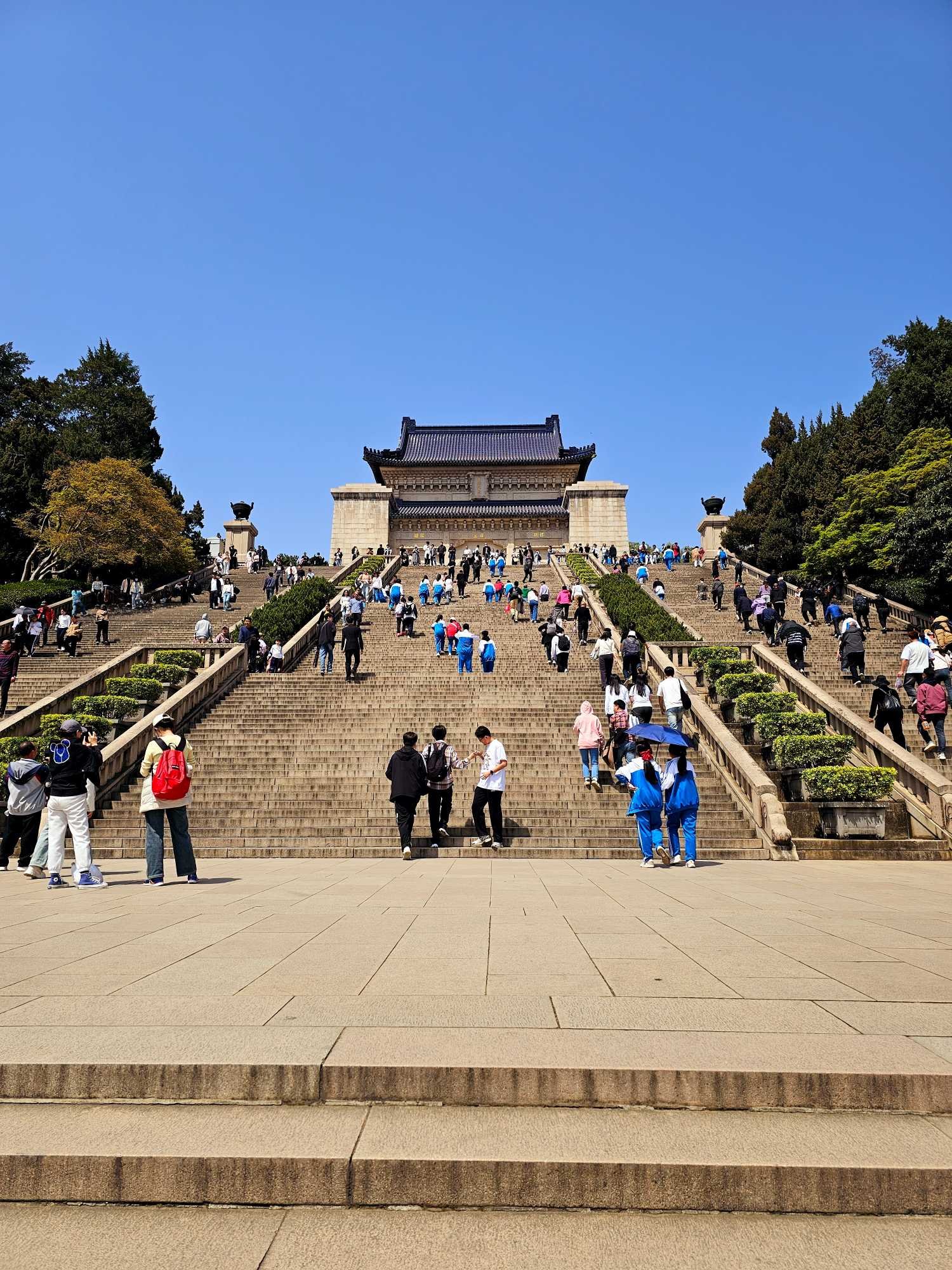
- Sun Yat-Sen’s Mausoleum – the founder of the Republic and the person most responsible for the destruction of over 2000 years of Chinese Empire is buried near the city he made China’s capital.
- Mauzolej Sun Yat-Sena – osnivač Republike i čovjek najodgovorniji za uništenje više od 2000 godina starog Kineskog Carstva pokopan je blizu grada koji je učinio glavnim gradom Kine.
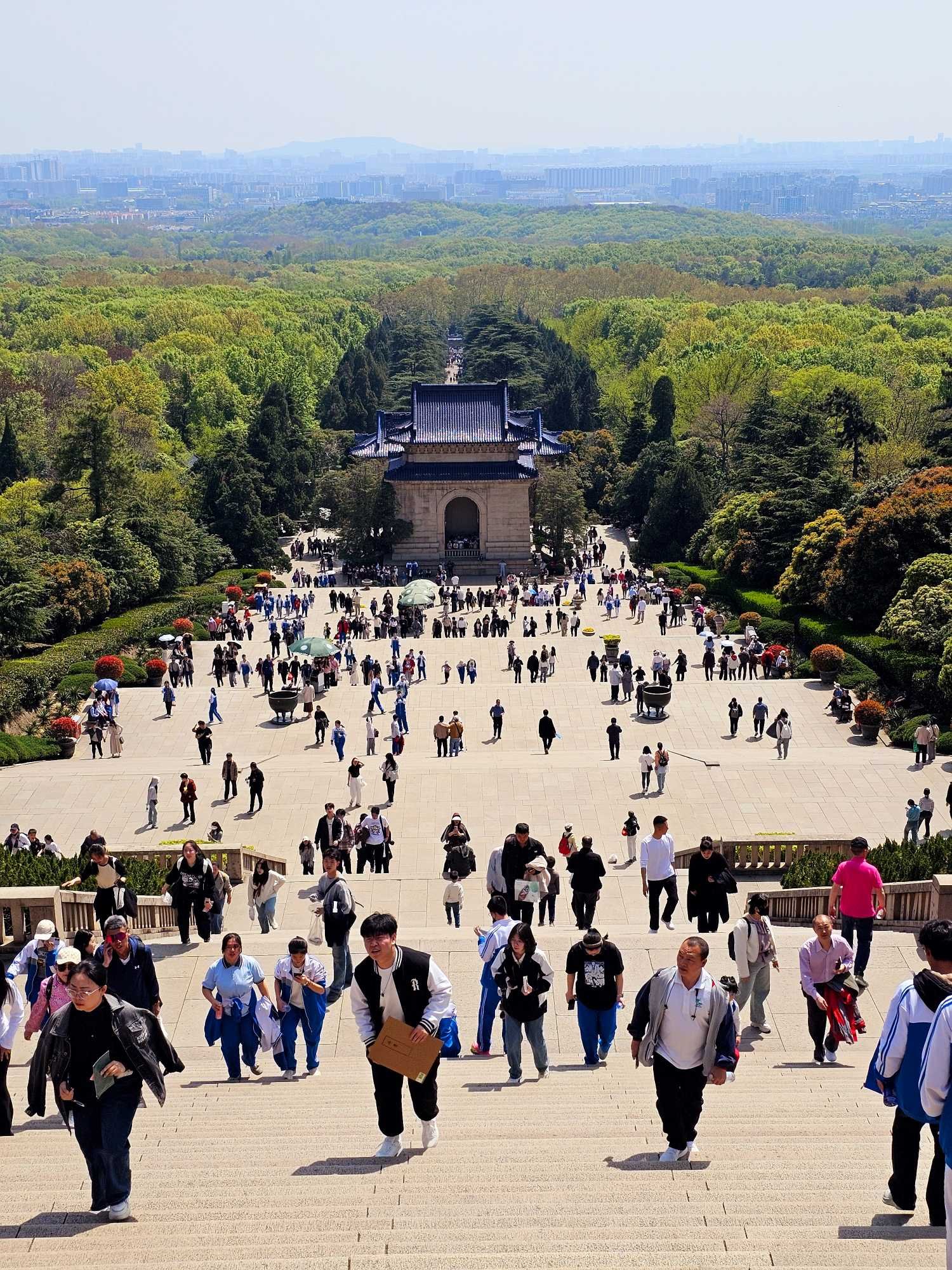
2. Emperor Hongwu’s Tomb – the founder of the Ming Dynasty – the last Chinese Dynasty to rule China’s Empire has made Nanjing his capital and is buried here. Unfortunately for Nanjing, the second Ming Emperor was (probably) murdered in a coup by his uncle, Emperor Yongle, who go on to build the Forbidden City and move the capital to Beijing. Likewise, from Yongle on, all Ming emperors will be buried near Beijing.
2. Grobnica cara Hongwua – osnivač dinastije Ming – posljednje kineske dinastije koja je vladala Kineskim Carstvom, učinio je Nanjing svojom prijestolnicom i ovdje je pokopan. Na nesreću Nanjinga, drugog cara dinastije Ming (vjerojatno) je u državnom udaru ubio njegov stric, car Yongle, koji će poslije izgraditi Zabranjeni grad i preseliti prijestolnicu u Peking. Isto tako, od Yonglea nadalje svi će carevi dinastije Ming biti pokopani blizu Pekinga.
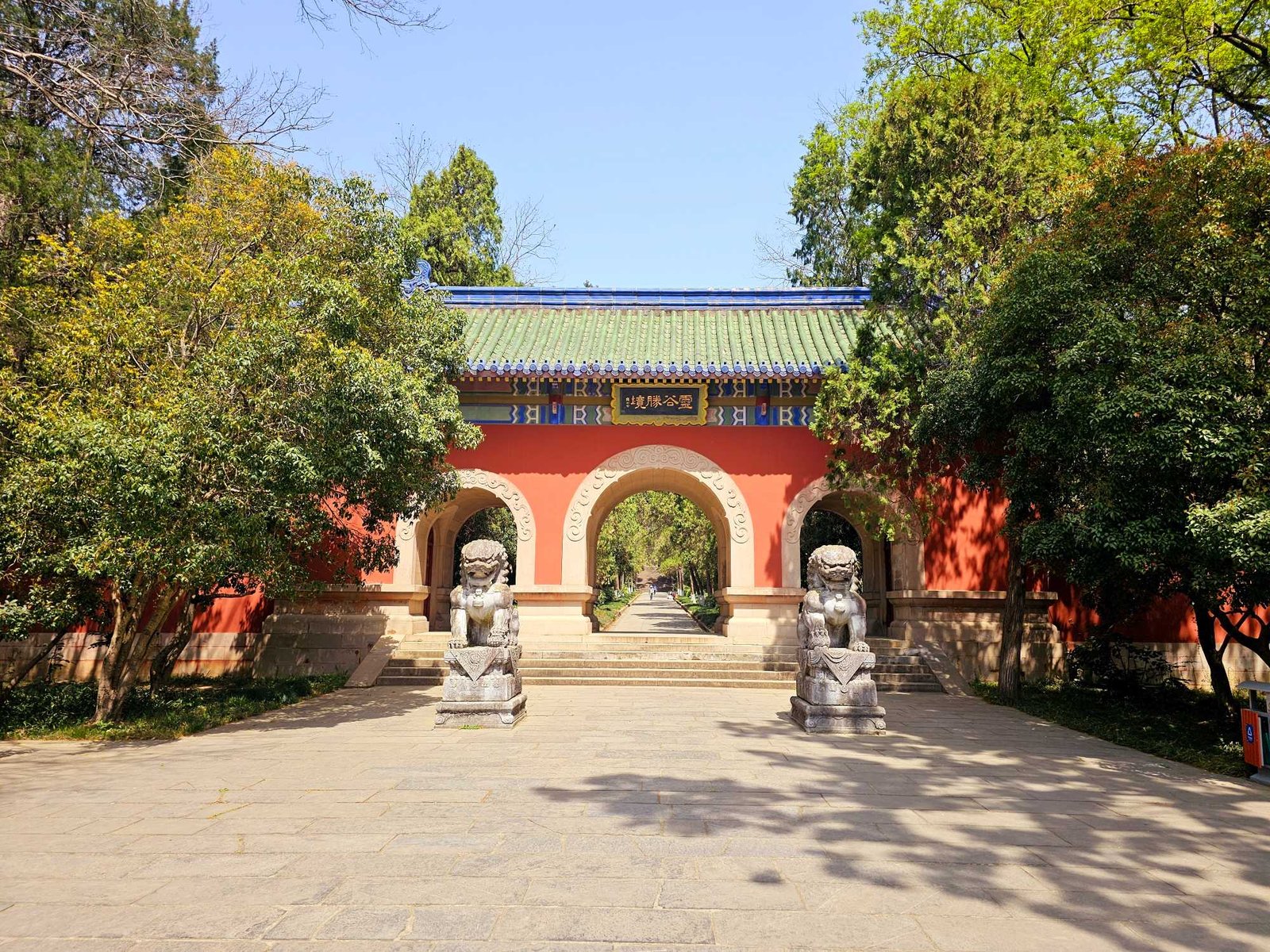
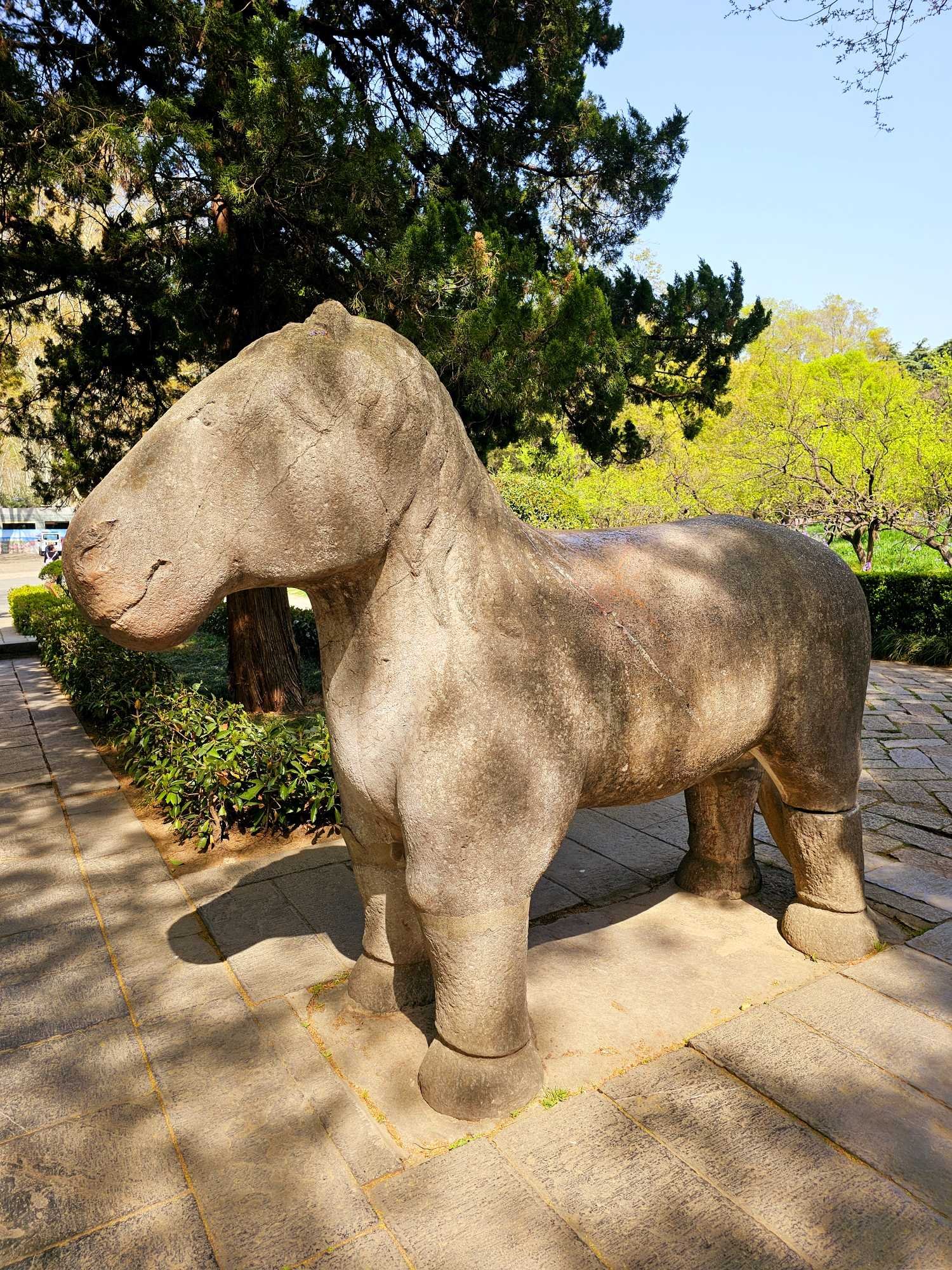


South of Nanjing is another large scenic area worth your time – Niushoushan. If you are history lover, you need to pay homage to the greatest Muslim eunuch in Chinese history, who is buried there. Zheng He, the Chinese Columbus, has led seven sea expeditions to South and South East Asia, Middle East and even East Africa! These voyages were not colonial enterprises aimed at conquering new lands, like European voyages to the New World. The Chinese Emperor already ruled around the third of the world’s population, so territorial expansion was not high on his wish list. The goal of these voyages was to spread the glory of the Emperor and get as many rulers to formally submit to him, to acknowledge the inferiority of their kingdom to the Chinese Empire. In return, they get a more favorable trade deals.
Južno od Nanjinga nalazi se još jedno veliko slikovito područje vrijedno vašeg vremena – Niushoushan. Ako volite povijest, morate odati počast najvećem muslimanskom eunuhu u kineskoj povijesti, koji je ondje pokopan. Zheng He, kineski Kolumbo, vodio je sedam pomorskih ekspedicija u južnu i jugoistočnu Aziju, na Bliski istok, pa čak i u istočnu Afriku! Ta putovanja nisu bila kolonijalni pothvati kojima je cilj bio osvajanje novih zemalja, poput europskih putovanja u Novi svijet. Kineski car već je vladao otprilike trećinom svjetskog stanovništva pa mu širenje teritorija nije bilo visoko na popisu želja. Cilj tih putovanja bio je širiti carevu slavu i navesti što više vladara da mu se formalno pokore, da priznaju da je njihovo kraljevstvo podređeno Kineskom Carstvu. Zauzvrat dobivaju povoljnije trgovinske uvjete.

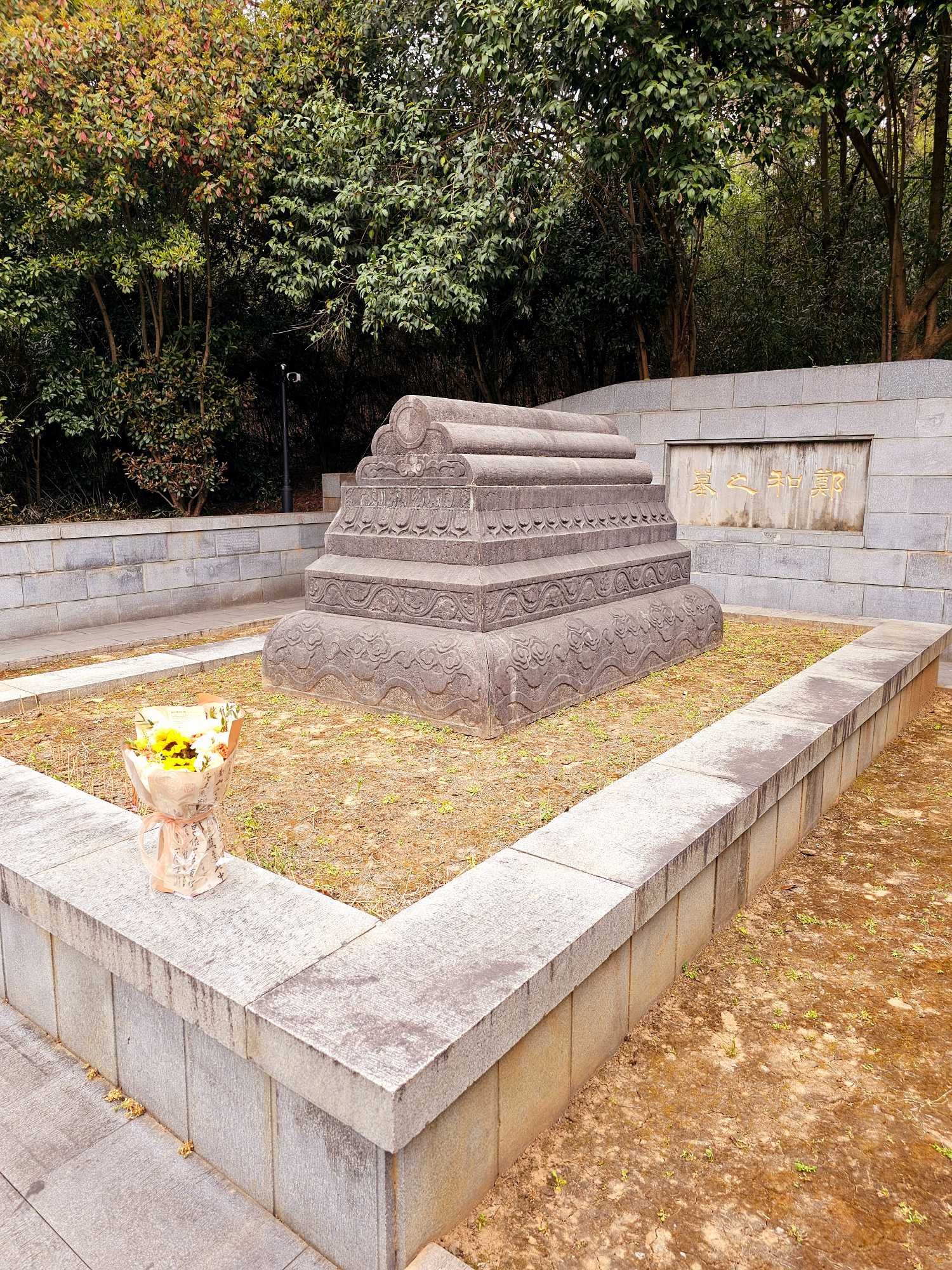
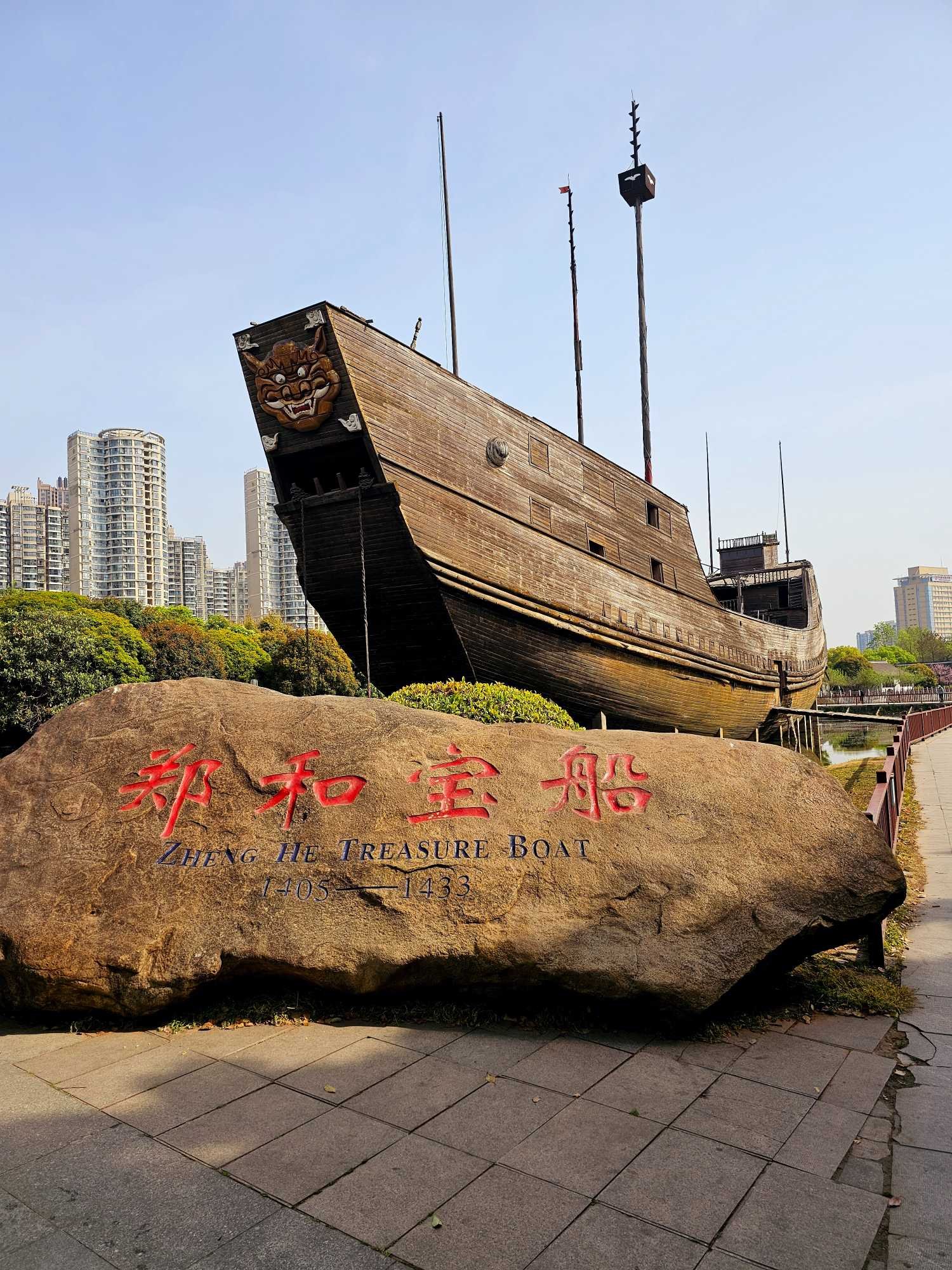
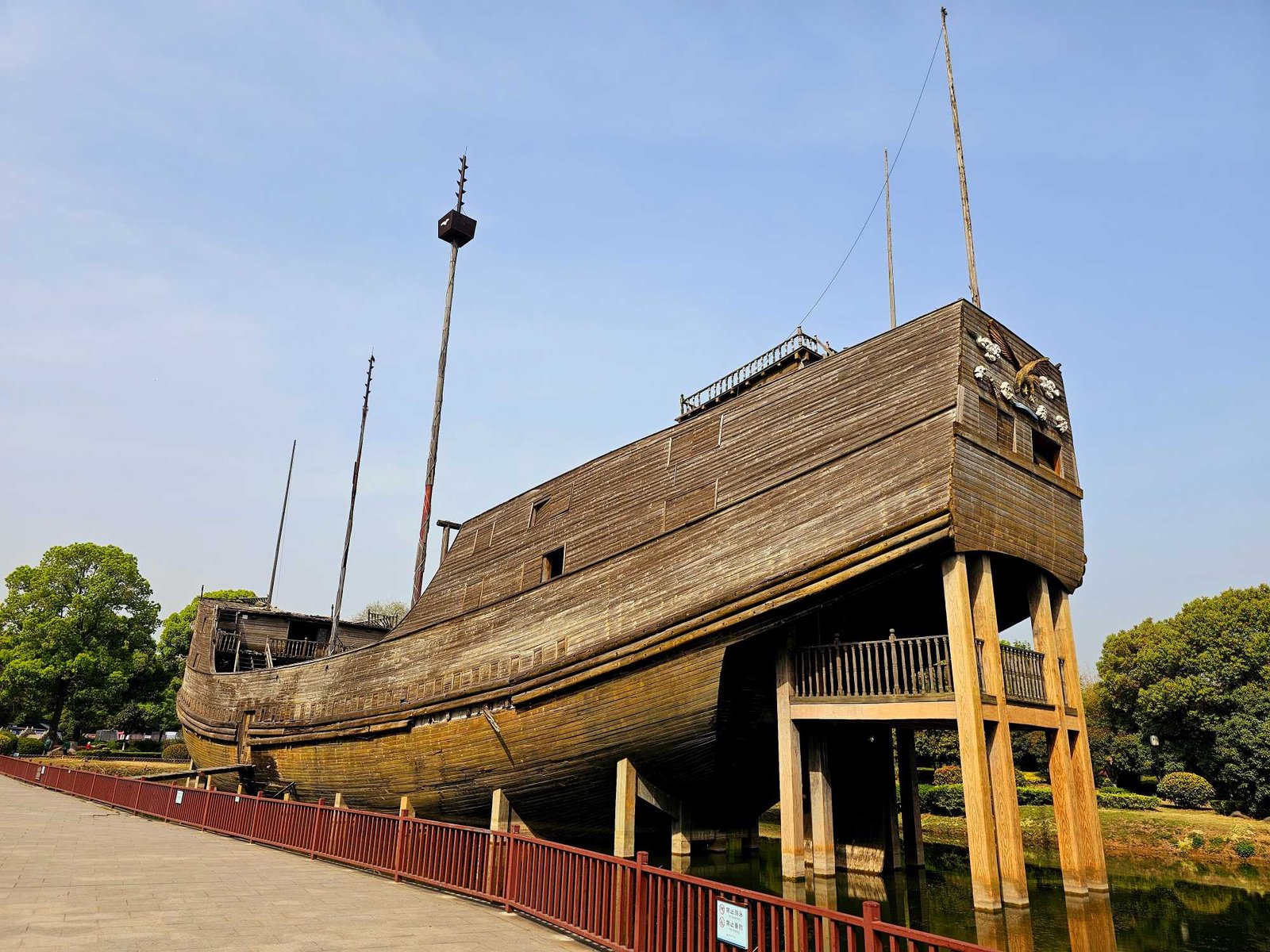
Nanjing served as the starting point for these expeditions and there is a nice museum in the city where you can see the replica of the Treasure ships, on which Zheng He sailed. Comically, possibly the greatest accomplishment of these journeys was the discovery of giraffe. For us in the West, giraffe might look just like an exotic animal, but to Chinese giraffe was qilin – the mythical Chinese unicorn! Zheng He was sailing in very turbulent times, as his patron was none other than Yongle Emperor, the usurper who overthrew his nephew, the rightful emperor, and move the capital to Beijing. Needless to say, Yongle has made a lot of enemies on his path to rule and he masterfully silenced his critics with one giraffe: qilin has returned to signal Heaven’s approval for Yongle’s rule.
Nanjing je bio polazište tih ekspedicija i u gradu postoji lijep muzej u kojem možete vidjeti repliku brodova s blagom na kojima je plovio Zheng He. Smiješno je da je možda najveće postignuće tih putovanja bilo otkriće žirafe. Nama na Zapadu žirafa možda izgleda samo kao egzotična životinja, ali Kinezima je žirafa bila qilin – mitski kineski jednorog! Zheng He plovio je u vrlo burnim vremenima jer mu je pokrovitelj bio nitko drugi nego car Yongle, uzurpator koji je svrgnuo svog nećaka, zakonitog cara, i preselio prijestolnicu u Peking. Ne treba ni reći da je Yongle na putu do vlasti stekao mnogo neprijatelja, a svoje je kritičare majstorski ušutkao jednom žirafom: qilin se vratio da pokaže kako Nebo odobrava Yongleovu vladavinu.
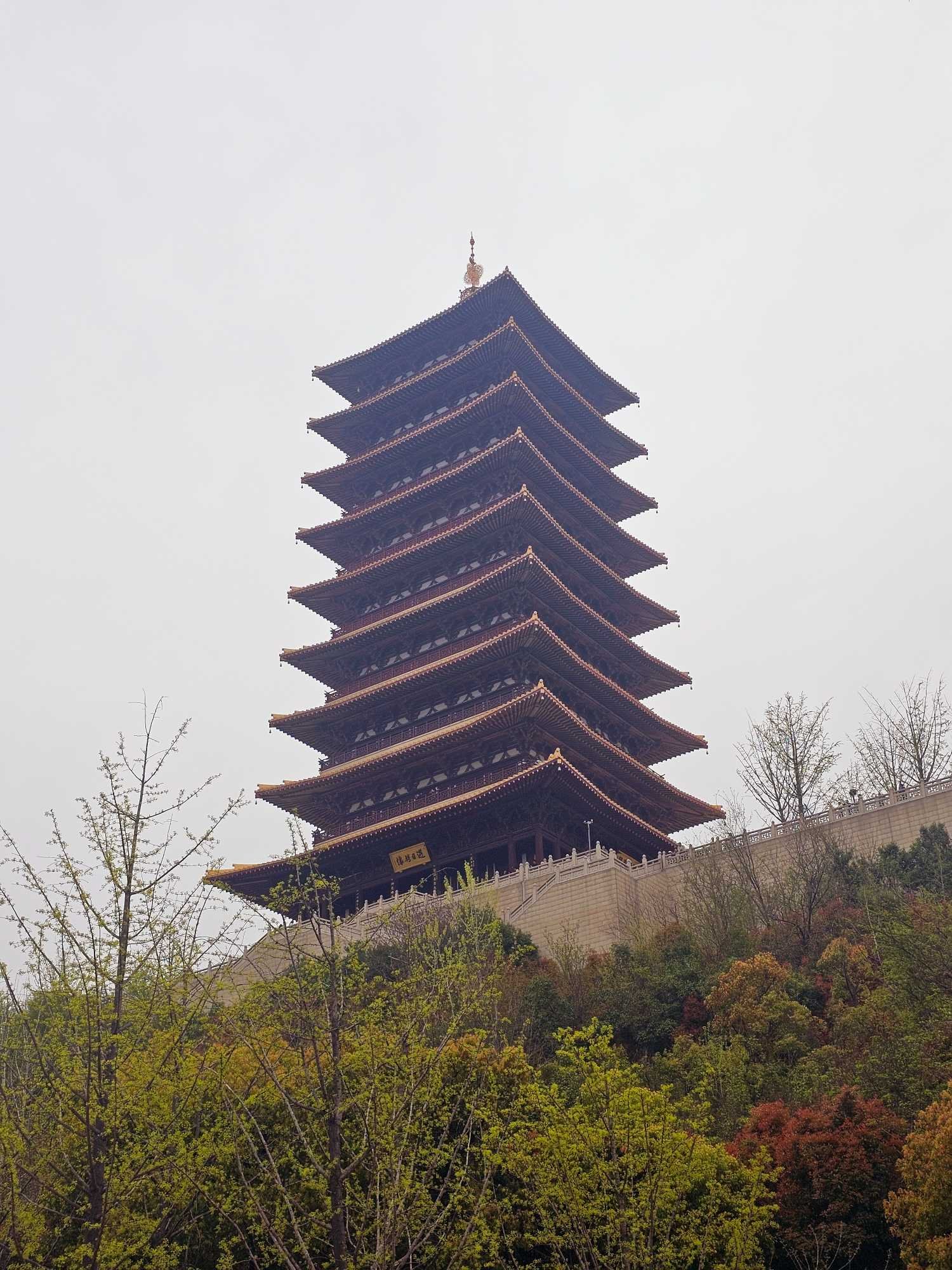
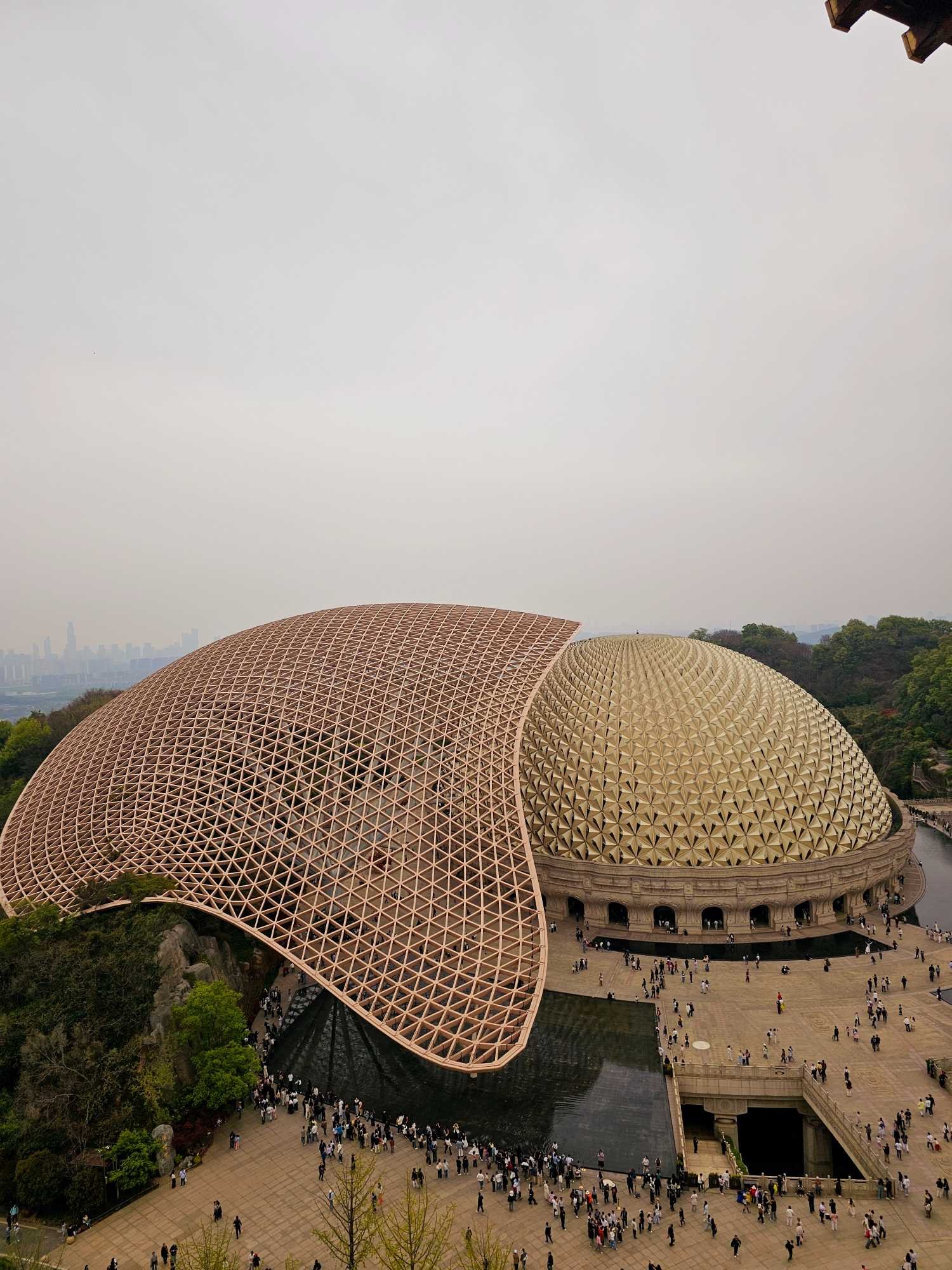
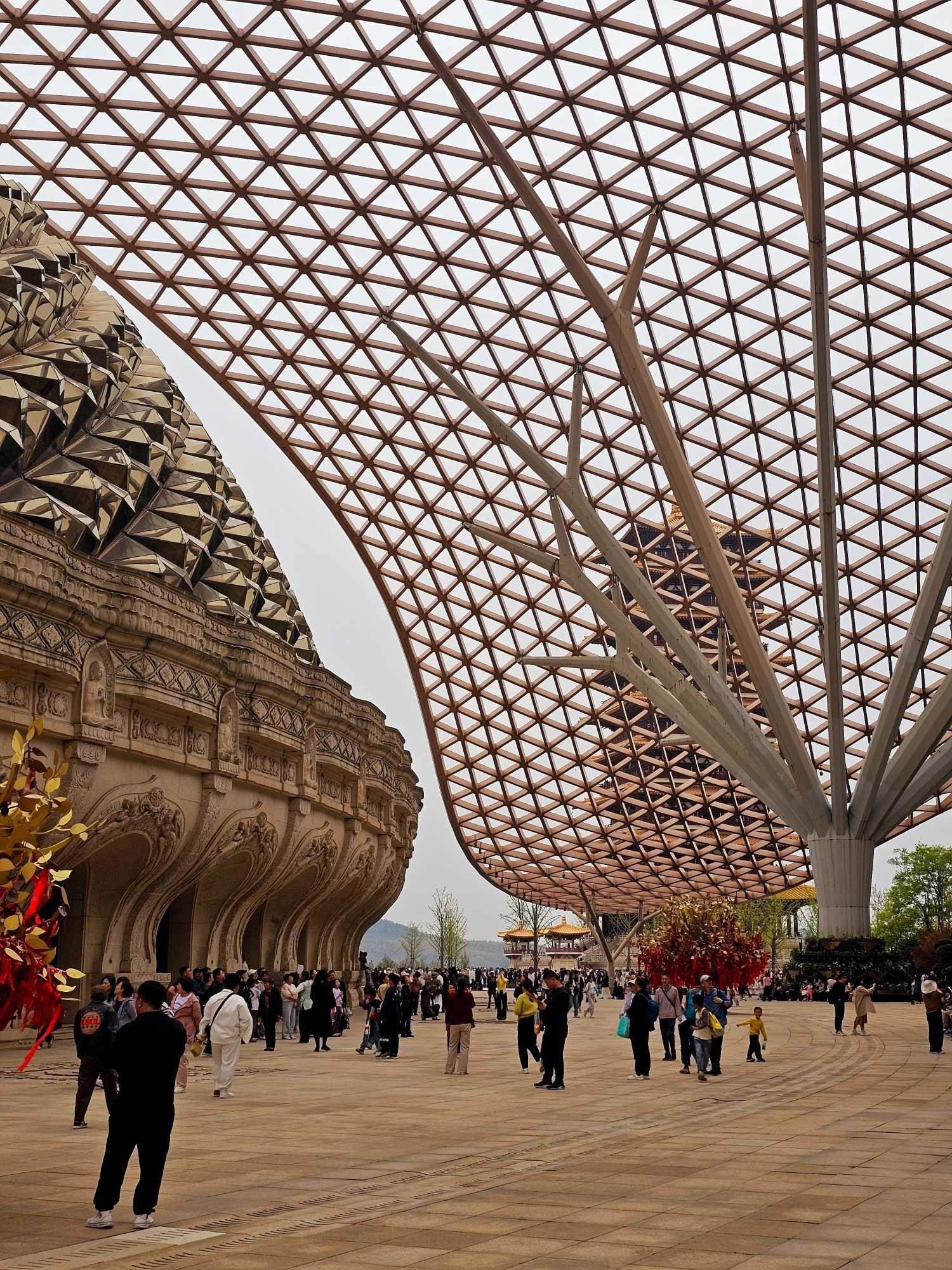
If you like Buddhism, you must visit the Usnisa Palace, the masterpiece of modern Buddhist architecture. I am not a connoisseur of Buddhism so I cannot tell you more than “it is very pretty”. J
Ako volite budizam, morate posjetiti palaču Usnisa, remek-djelo moderne budističke arhitekture. Nisam poznavatelj budizma pa vam ne mogu reći ništa više od „jako je lijepa“. J