
China travel blogPutopisi iz Kine · 4 June 20254. lipnja 2025.
Hangzhou: The Most Beautiful of the Ancient Imperial Capitals
Hangzhou: najljepša među drevnim carskim prijestolnicama
During my preparation for this trip, I have marked Hangzhou as one of the highlights of my trip. It is described as the most beautiful of the imperial capitals of China, it is very close to two amazing mountains – the famous Yellow Mountain (Huangshan) and the greatly underappreciated Sanqingshan, plus it has the only tea and probably the best silk and traditional Chinese medicine museums in China. I have booked only four nights in Hangzhou so I had a busy schedule.
Dok sam se pripremao za ovo putovanje, Hangzhou sam označio kao jedan od njegovih vrhunaca. Opisuju ga kao najljepšu od carskih prijestolnica Kine, vrlo je blizu dviju čudesnih planina – slavne Žute planine (Huangshan) i jako podcijenjenog Sanqingshana, a uz to ima jedini muzej čaja te vjerojatno najbolje muzeje svile i tradicionalne kineske medicine u Kini. U Hangzhouu sam rezervirao samo četiri noćenja pa mi je raspored bio gust.
By the time I have arrived it was already getting dark so I decided to skip museums – they were about to get closed, and head for the oldest street in Hangzhou – Hefang Street. The street is the only leftover from the times when Hangzhou was the capital of China during the Southern Song Dynasty. Now it is a shopping temple with both sides of the street lined with restaurants, bakeries, fast food joins, refreshment outlets, clothing and souvenirs shops.
Kad sam stigao, već se počelo mračiti pa sam odlučio preskočiti muzeje – taman su se zatvarali – i uputiti se u najstariju ulicu u Hangzhouu, ulicu Hefang. Ta je ulica jedino što je ostalo iz vremena kad je Hangzhou bio glavni grad Kine za dinastije Južni Song. Sada je to hram kupovine, s obje strane ulice nižu se restorani, pekarnice, zalogajnice s brzom hranom, štandovi s osvježenjem te trgovine odjećom i suvenirima.

Next day the weather decided not to cooperate with my super busy schedule. It had to happen at some point but after 20 days of traveling in China I have experienced rain. It was not a nice tropical shower which falls for 15 minutes and then is followed by sun which dries everything in half-an-hour; it was that gloomy cloud fill cold autumn rain that drizzles more than it rains. Not an ideal weather for using a rent-a-bike. I proudly announce that I have finally learned how to rent a bike! China is bikers paradise – there are cheap rent-a-bike all over the place, its cities are mostly flat and they have very wide biking lanes which are separated from the cars. Cars do appear regularly on the bike lanes, often going in the opposite direction, but no country if perfect.
Sljedeći dan vrijeme je odlučilo da neće surađivati s mojim pretrpanim rasporedom. Moralo se to jednom dogoditi, ali nakon 20 dana putovanja po Kini doživio sam kišu. Nije to bio ugodan tropski pljusak koji pada 15 minuta, a onda dođe sunce i sve osuši za pola sata; bila je to ona tmurna, hladna jesenska kiša pod teškim oblacima koja više rominja nego što pada. Nije baš idealno vrijeme za unajmljeni bicikl. Ponosno objavljujem da sam napokon naučio kako unajmiti bicikl! Kina je raj za bicikliste – jeftinih bicikala za najam ima posvuda, gradovi su većinom ravni i imaju vrlo široke biciklističke trake odvojene od automobila. Automobili se redovito pojavljuju na biciklističkim trakama, često i u suprotnom smjeru, ali nijedna zemlja nije savršena.
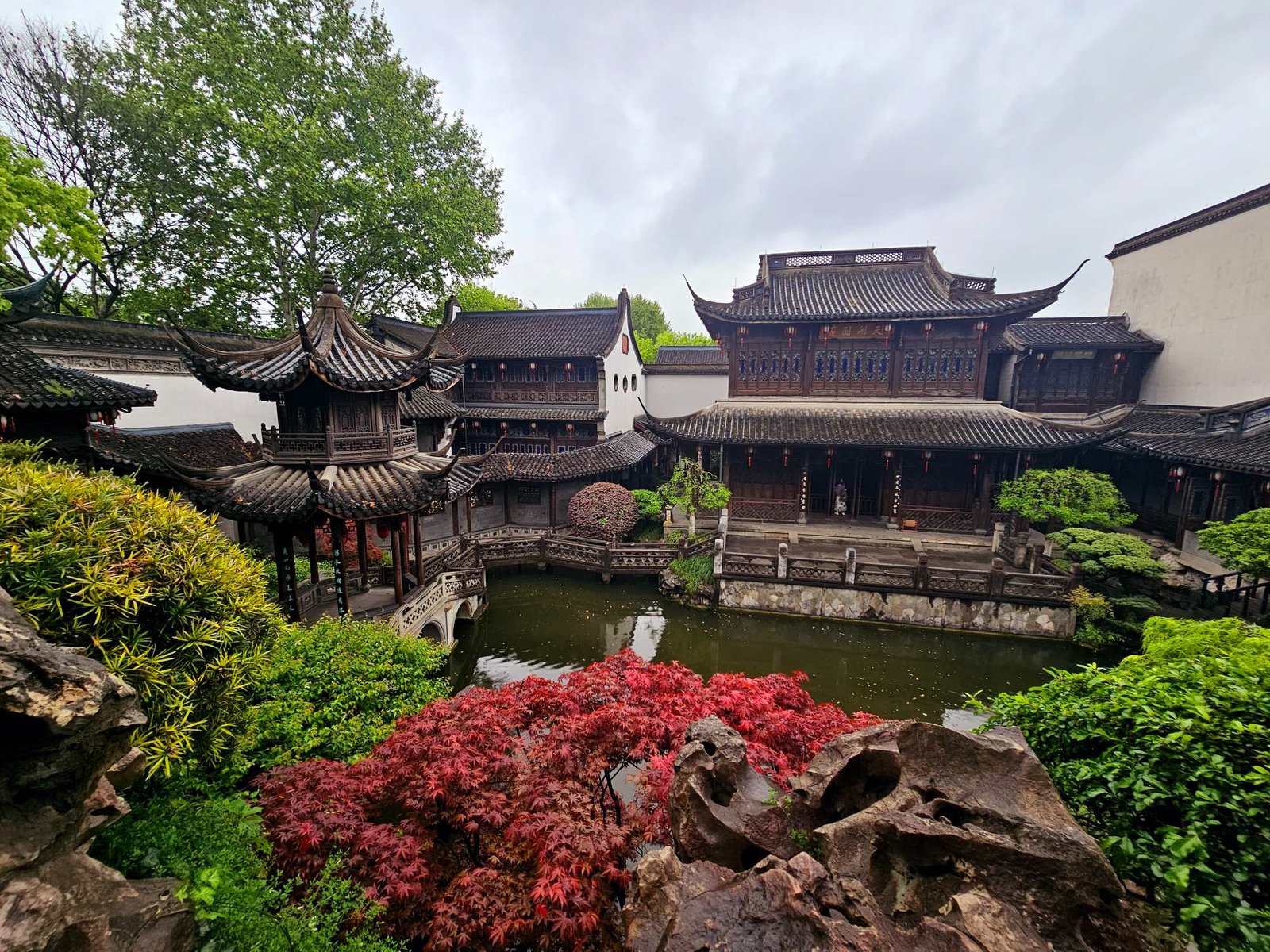
My first stop of the day was The Former Residence of Hu Xueyan. In its beauty it rivals the best garden mansions of Suzhou or the imperial grandeur of Summer Palace in Beijing. It is small, simple, elegant and homey.
Prva stanica tog dana bila mi je Nekadašnja rezidencija Hu Xueyana. Ljepotom se može mjeriti s najboljim vilama s vrtovima u Suzhouu ili s carskom raskoši Ljetne palače u Pekingu. Mala je, jednostavna, elegantna i domaća.

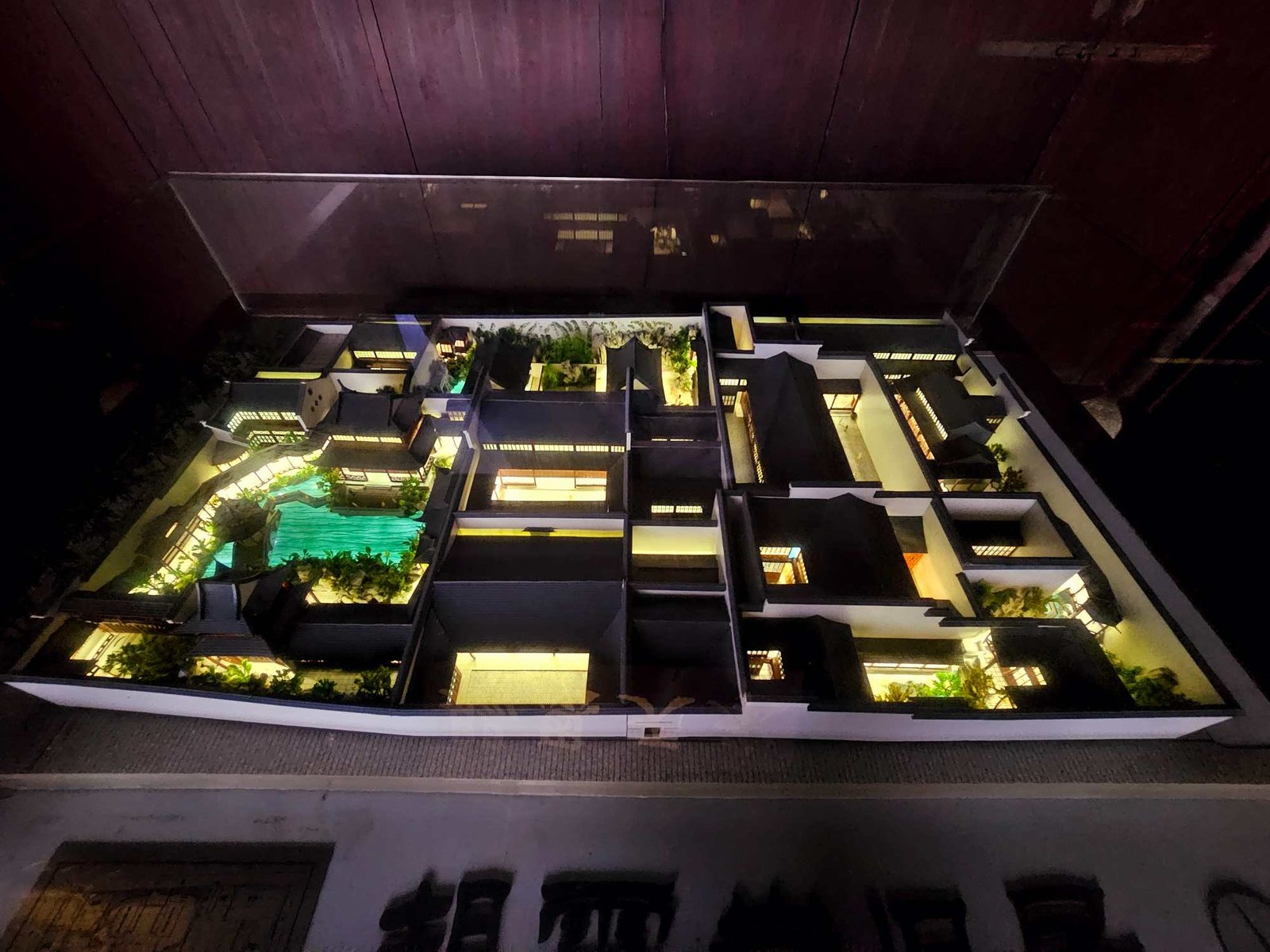
Hu Xueyan was a self-made man, rising from humble origins to become one of the richest and most influential merchants in the 19th century China. His achievements caught the eye of the ruling dynasty and Empress Dowager Cixi, the powerful woman who ran the Empire behind the scenes, put him in charge of running the city of Hangzhou and advised her on Westernization projects. He died in shame and indebted, unfortunately, as he made a number of failed investments later in his life. However, Hu Xueyan is still regarded as one of the most talented merchants and entrepreneurs of his time.
Hu Xueyan bio je čovjek koji je sve postigao sam i od skromnih se početaka uzdigao do jednog od najbogatijih i najutjecajnijih trgovaca u Kini 19. stoljeća. Njegovi su uspjesi zapeli za oko vladajućoj dinastiji pa mu je carica udova Cixi, moćna žena koja je iz sjene upravljala Carstvom, povjerila upravljanje gradom Hangzhouom, a on ju je savjetovao o projektima pozapadnjenja. Nažalost, umro je osramoćen i u dugovima jer je kasnije u životu imao niz propalih ulaganja. Ipak, Hu Xueyana i danas smatraju jednim od najdarovitijih trgovaca i poduzetnika svog vremena.
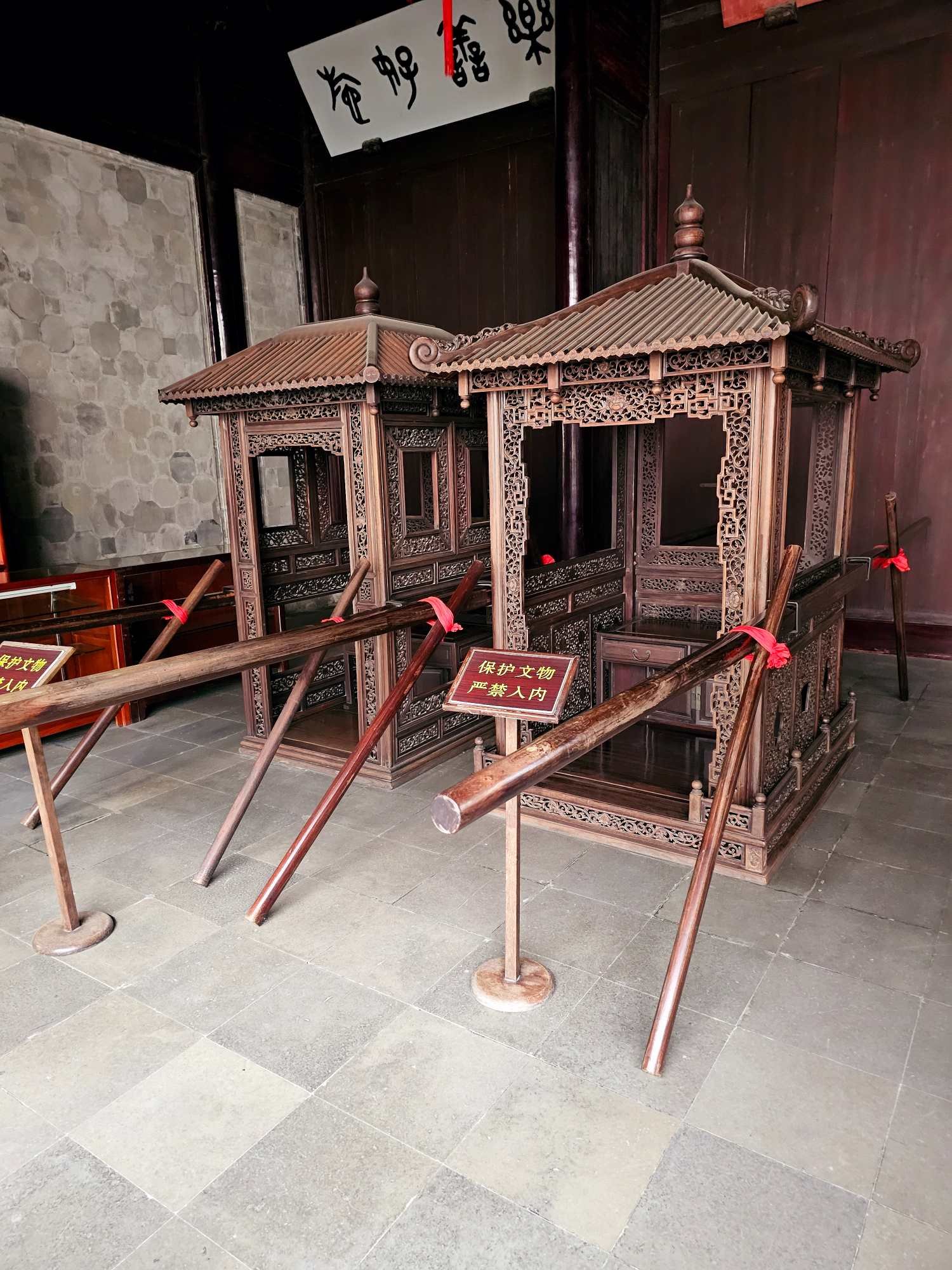
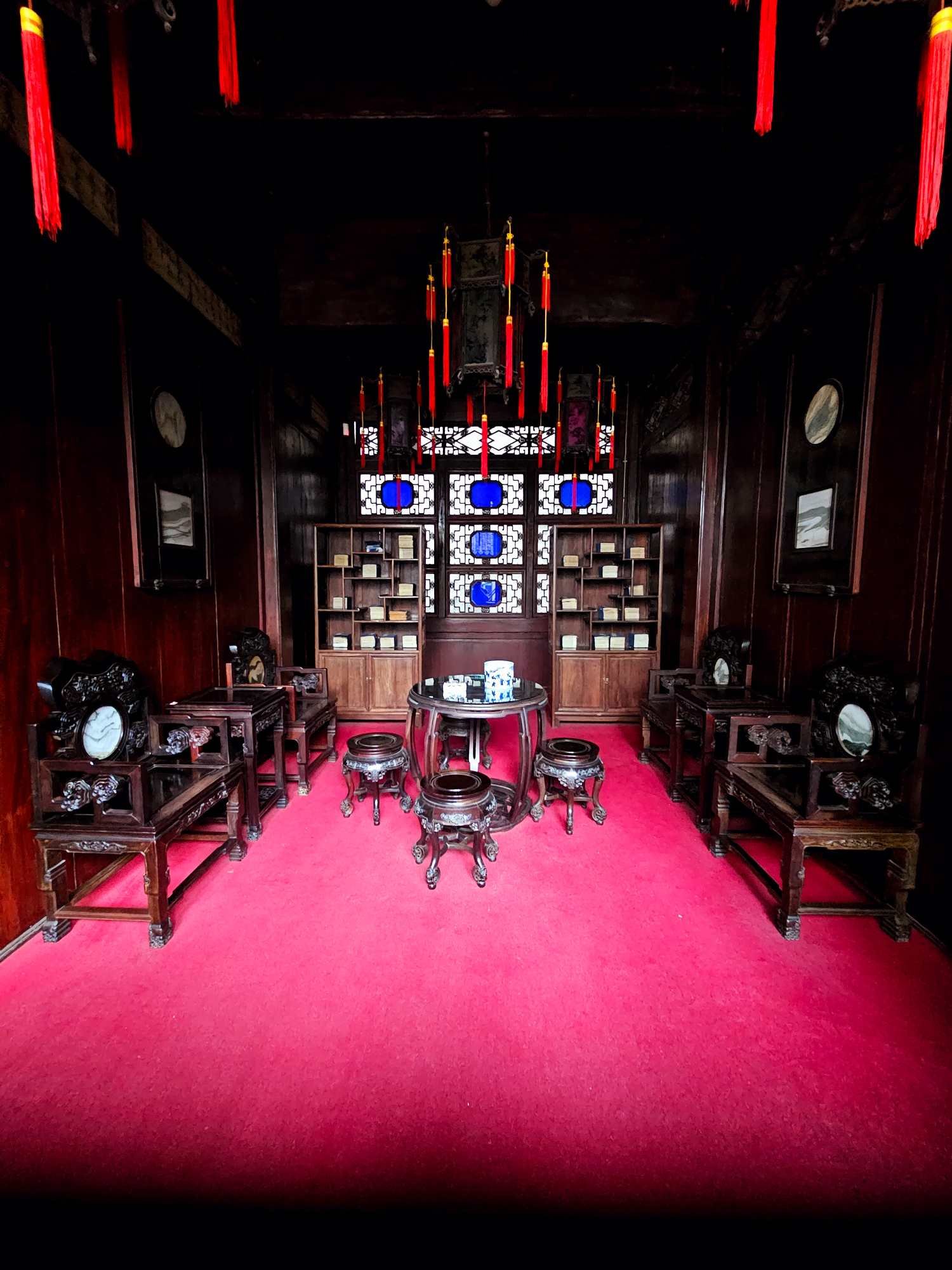
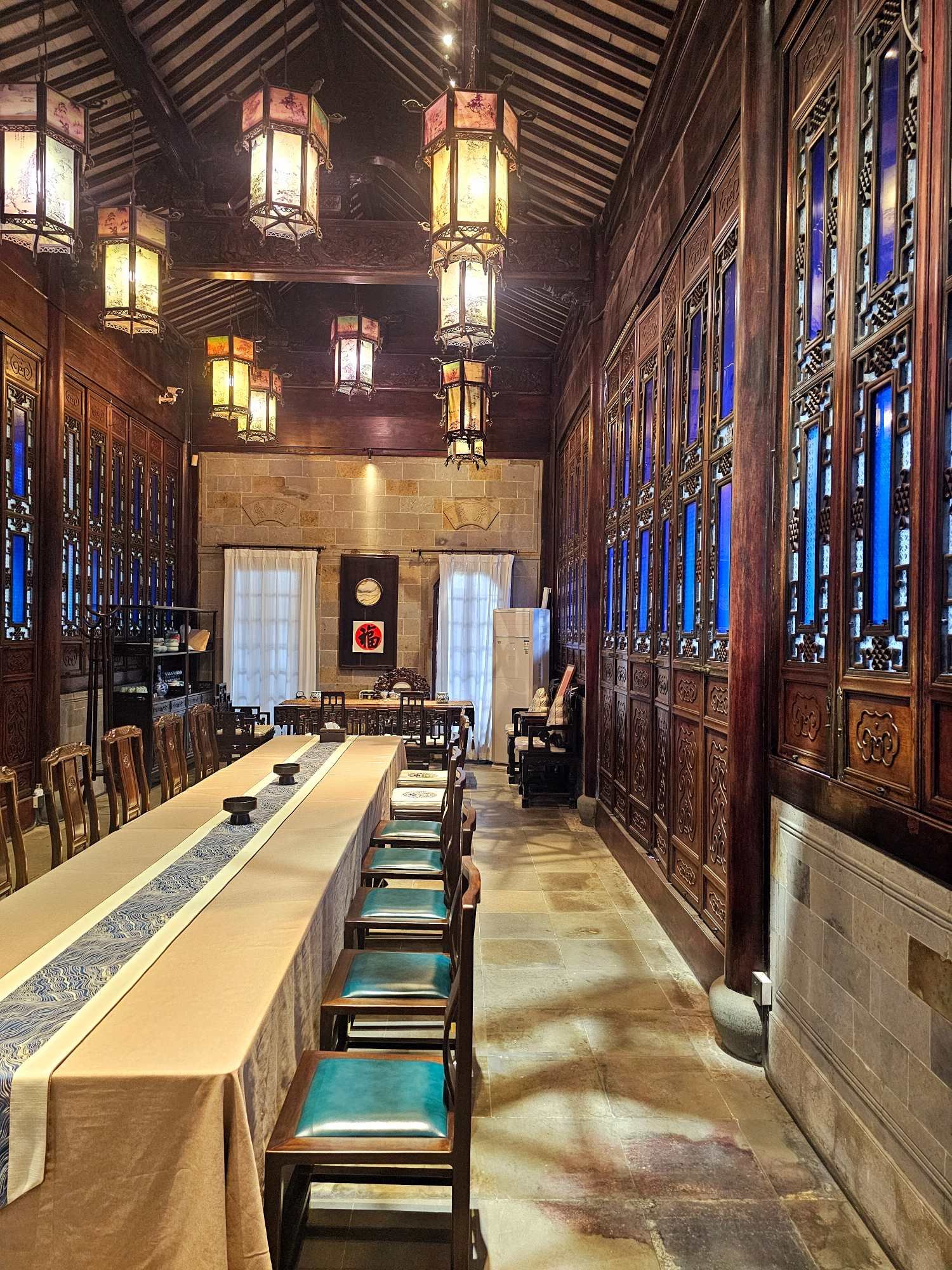
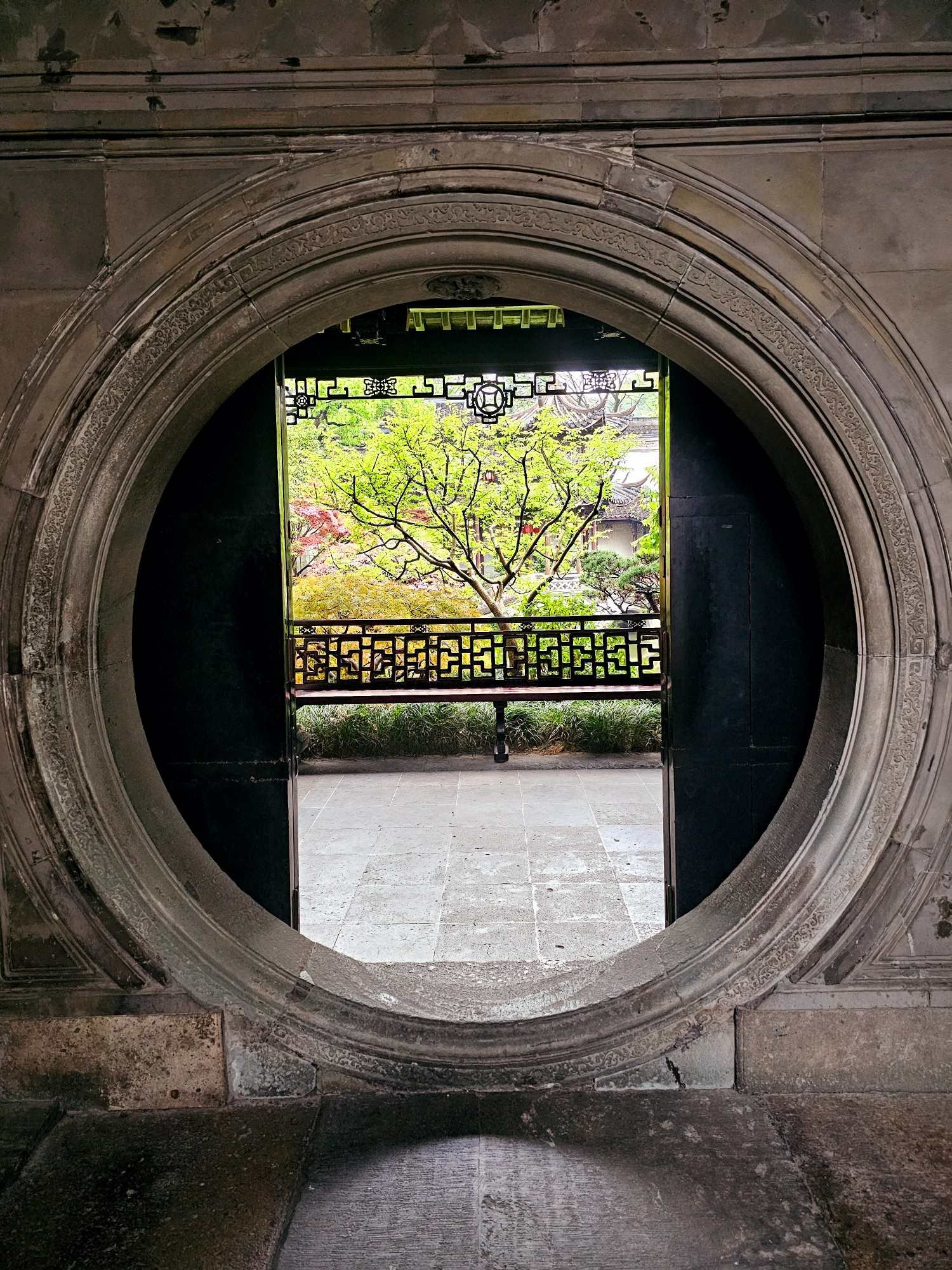
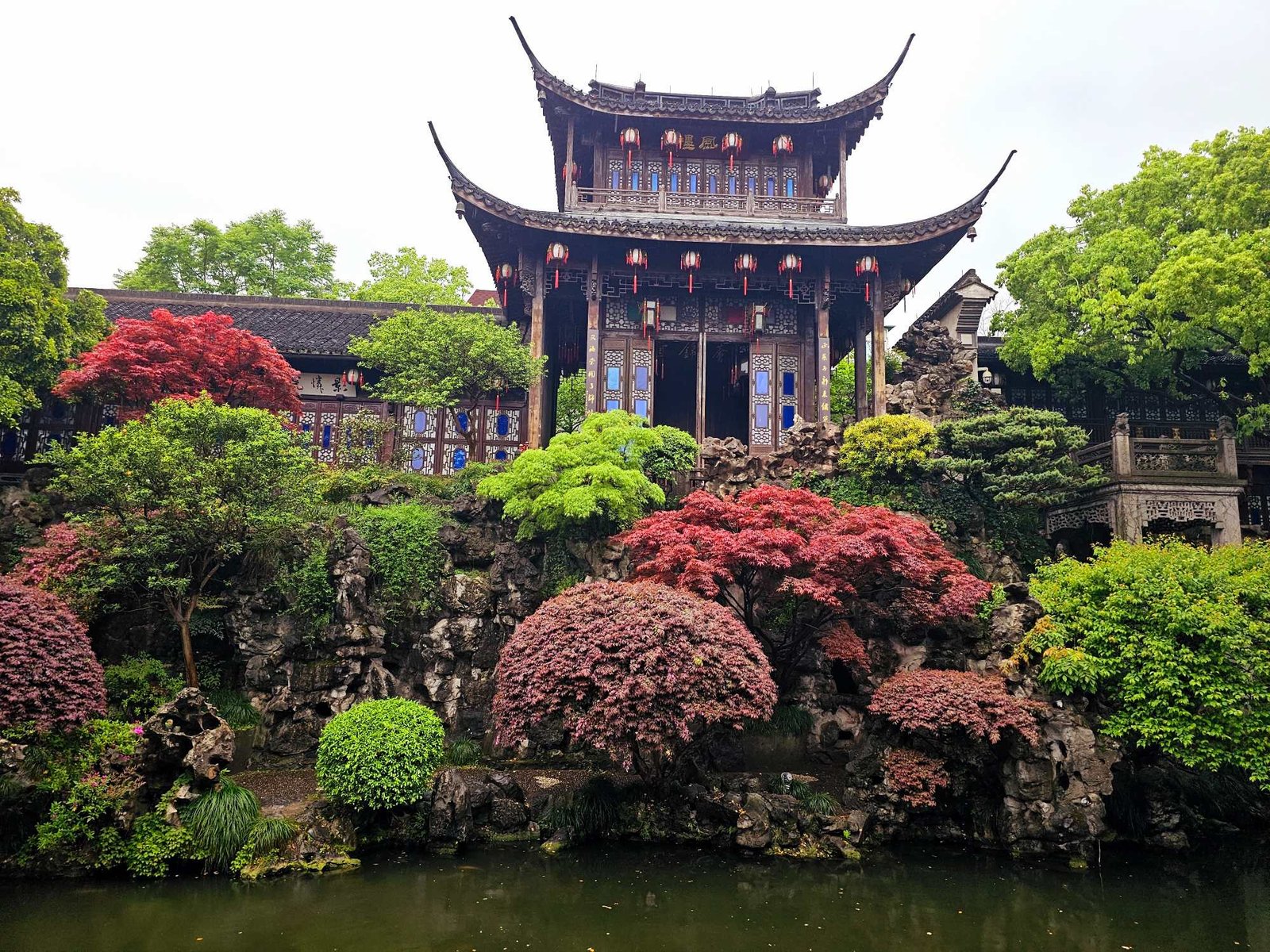
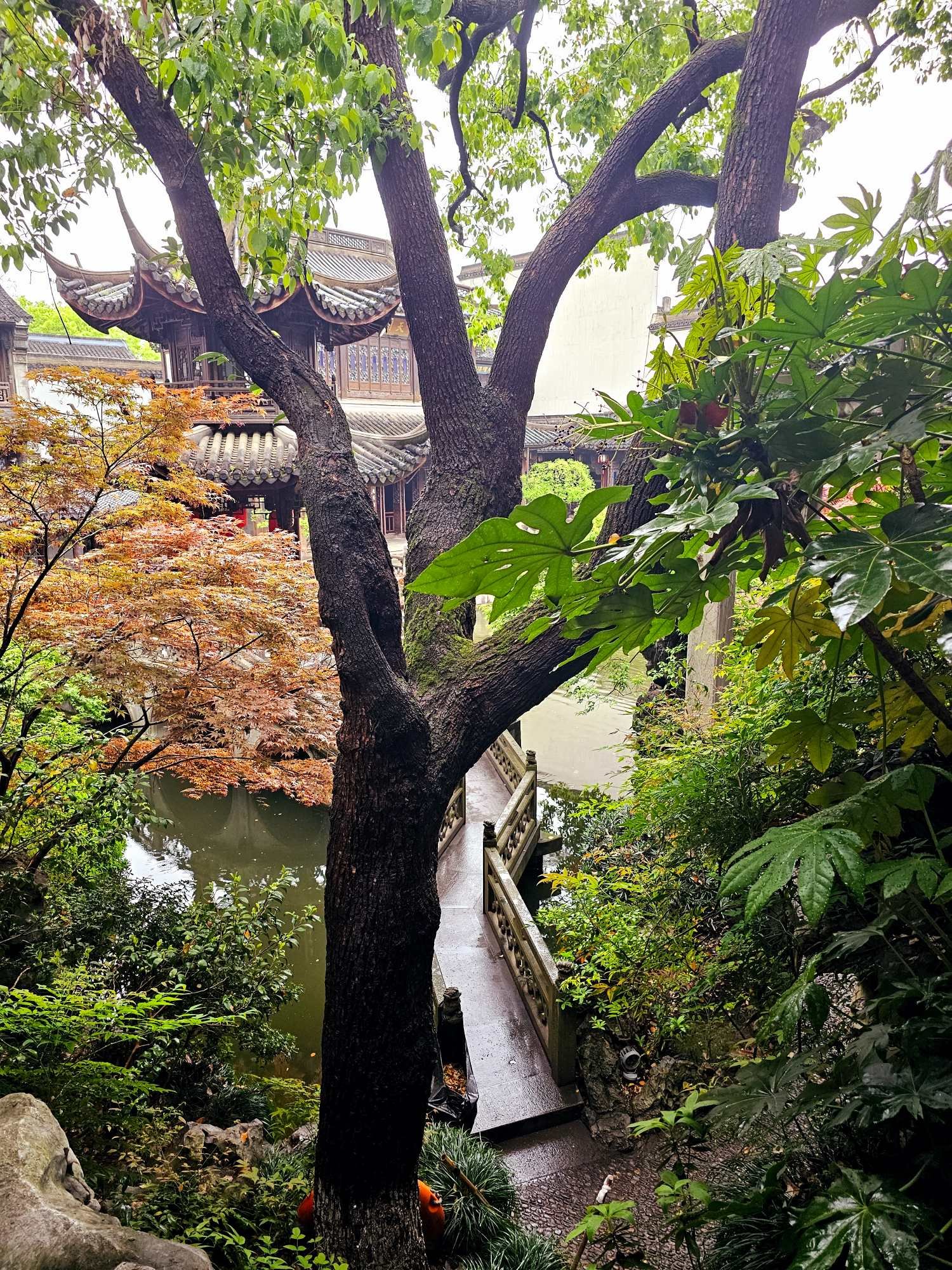
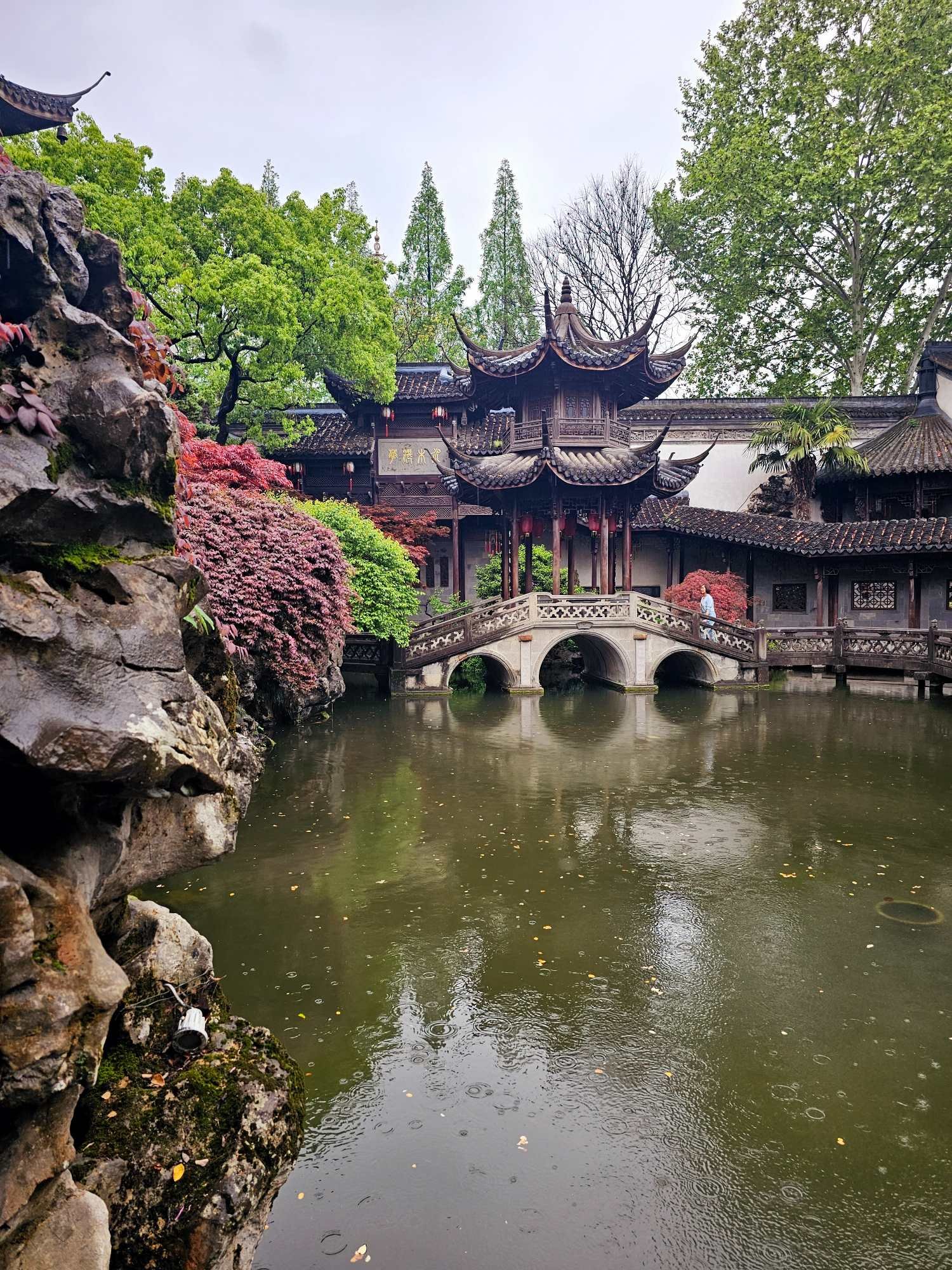
Inside you can visit different rooms decorated with outstanding Chinese furniture and bonzai trees and flowers, but the best part is the garden with its pond.
Unutra možete obići razne sobe uređene izvanrednim kineskim namještajem te bonsai drvcima i cvijećem, ali najbolji je dio vrt s jezercem.
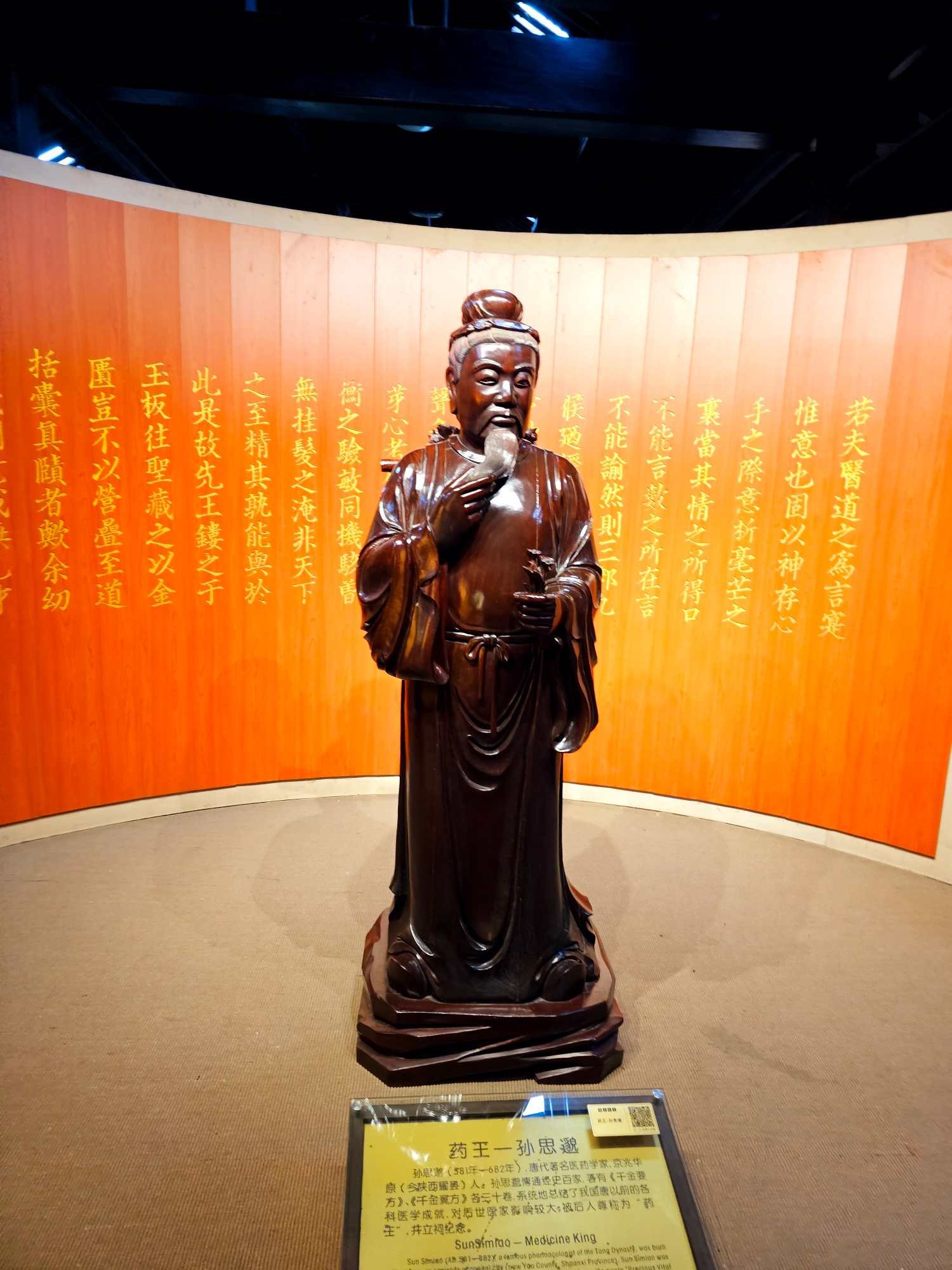
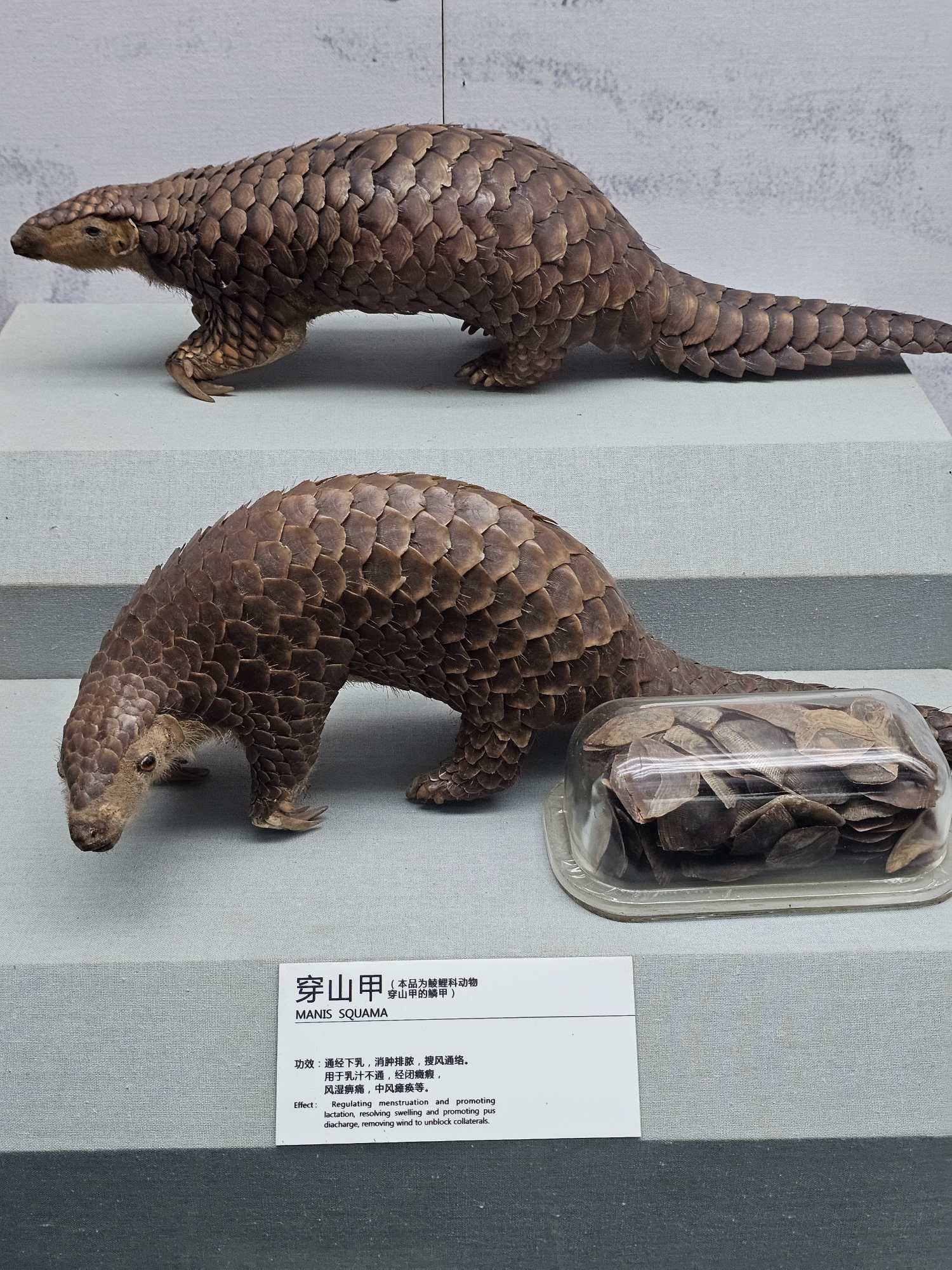
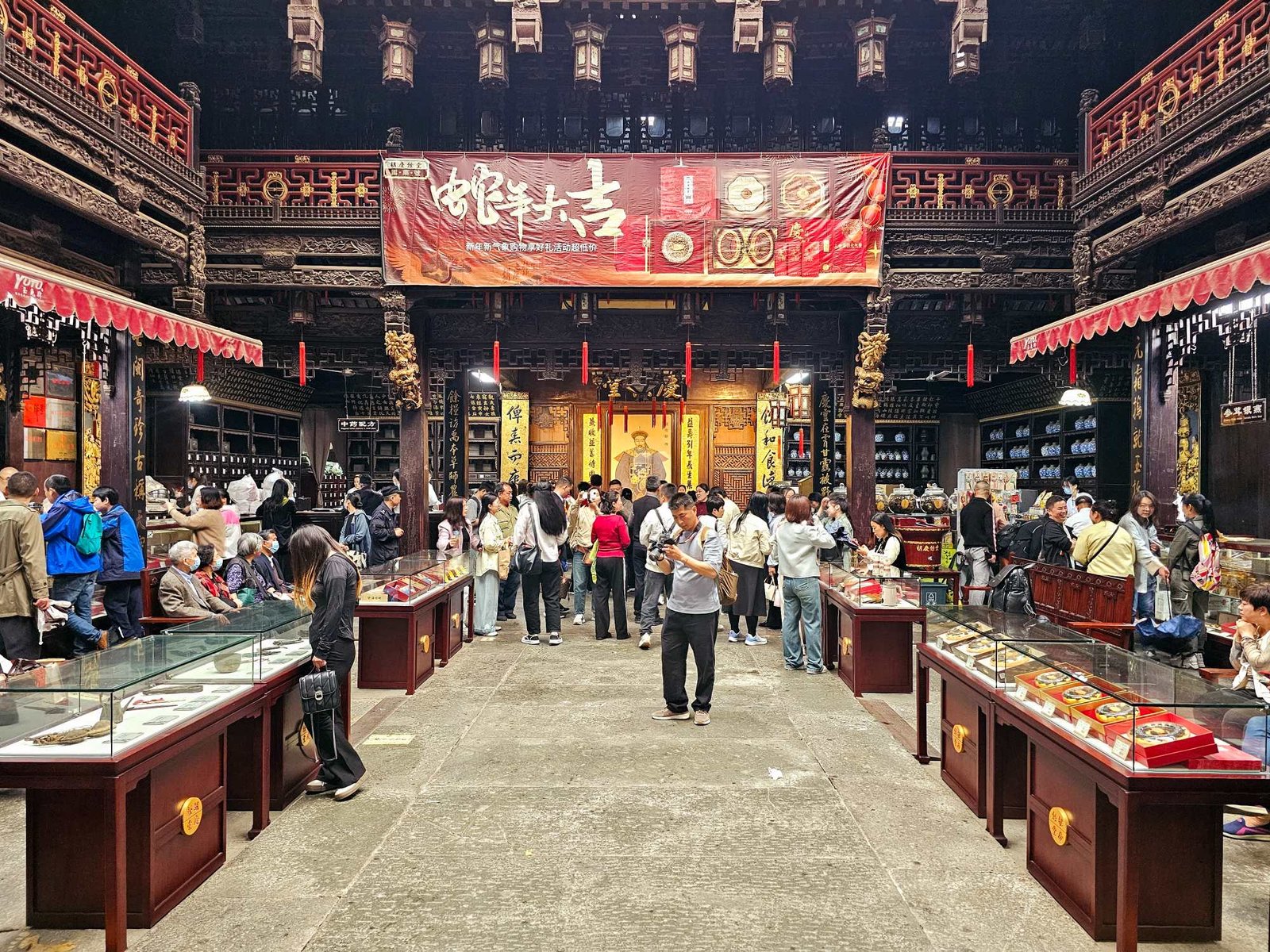
The next stop on my bike tour was the Traditional Chinese Medicine Museum. It looks very informative, but I couldn’t really tell because almost everything was in Chinese. It does give you an overview of some famous people that have made advancements in traditional Chinese medicine. Towards the end of the exhibition, it provides you with reasons why China is one of the biggest threats to the survival of so many endangered species – tiger eyes are good for your sight, the magic effects of pangolin shells, bear bones and similar. OK, the description below describes these as critically endangered species protected by law, but it does not mention that possessing and consuming these “medicine” is illegal.
Sljedeća stanica moje biciklističke ture bio je Muzej tradicionalne kineske medicine. Izgleda vrlo poučno, ali nisam to baš mogao procijeniti jer je gotovo sve bilo na kineskom. Daje vam pregled nekih poznatih ljudi koji su unaprijedili tradicionalnu kinesku medicinu. Pred kraj izložbe saznajete i zašto je Kina jedna od najvećih prijetnji opstanku tolikih ugroženih vrsta – tigrove oči dobre su za vid, čarobni učinci ljuski pangolina, medvjeđe kosti i slično. U redu, u opisu ispod piše da su to kritično ugrožene vrste zaštićene zakonom, ali ne spominje se da je posjedovanje i uzimanje tih „lijekova“ nezakonito.
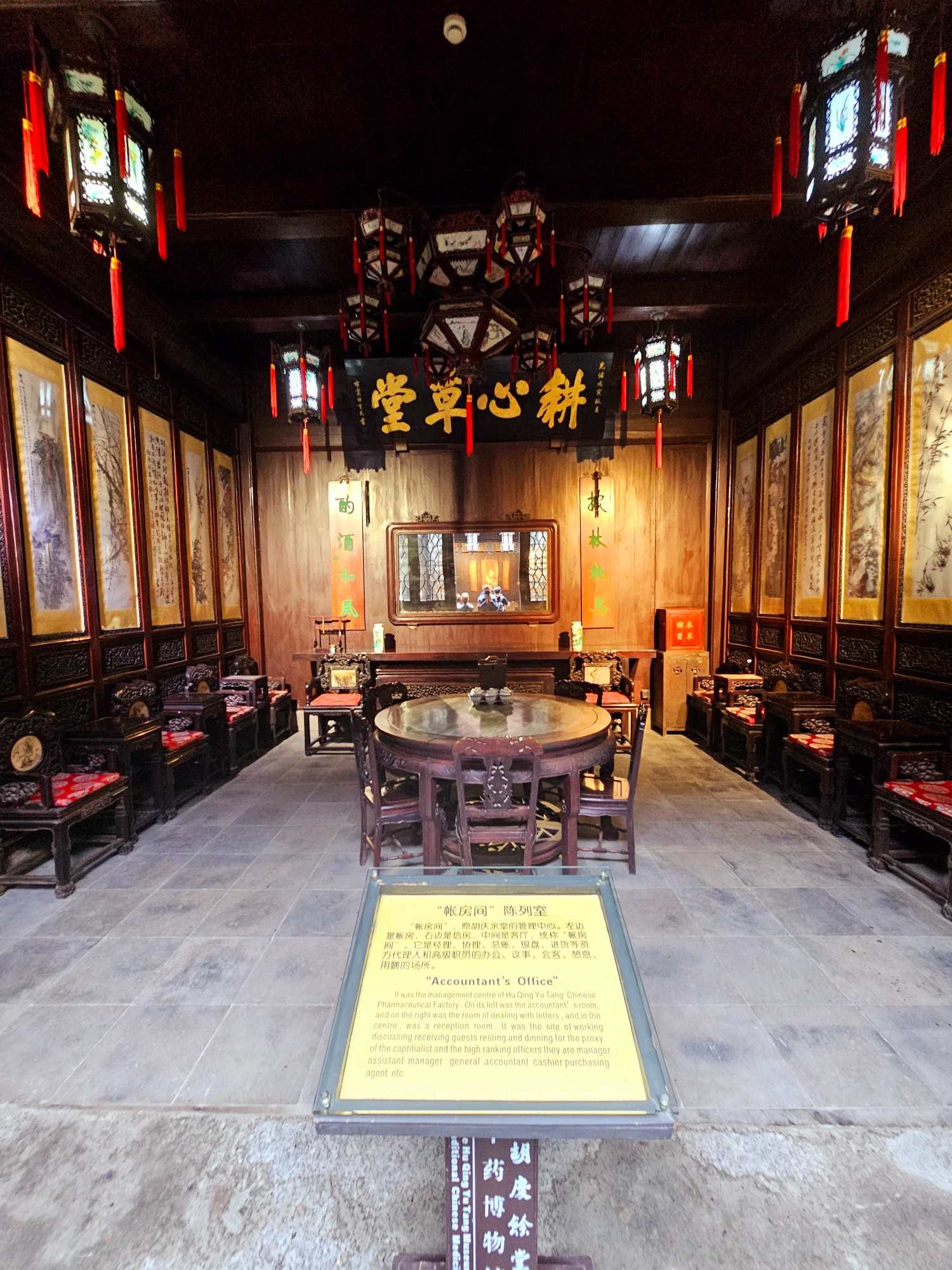
The museum is also a large pharmacy where you can buy all kinds of traditional Chinese medicines. I put more faith into modern pharmaceutical industry than into traditional Chinese medicine, which is not to say modern farmaceutical giants exhude confidence, it is just that I do not wish to put my health into the hands of people guided by the logic “since tigers have very good eye sight, eating their eyes will improve your sight”.
Muzej je ujedno i velika ljekarna u kojoj možete kupiti svakakve tradicionalne kineske lijekove. Više vjerujem modernoj farmaceutskoj industriji nego tradicionalnoj kineskoj medicini, što ne znači da moderni farmaceutski divovi ulijevaju povjerenje, samo ne želim svoje zdravlje staviti u ruke ljudi koji se vode logikom „budući da tigrovi imaju jako dobar vid, ako jedete njihove oči, popravit će vam se vid“.
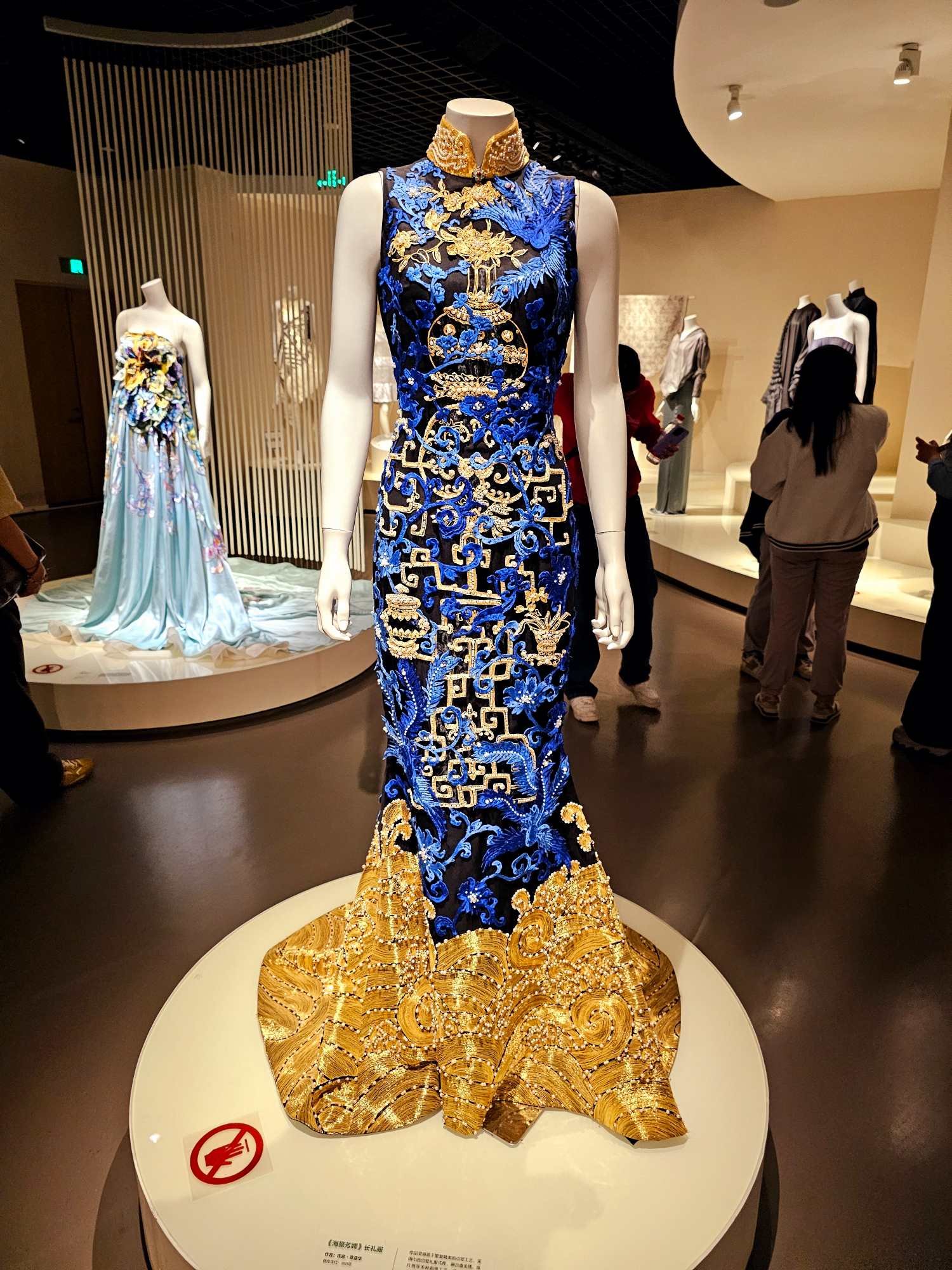
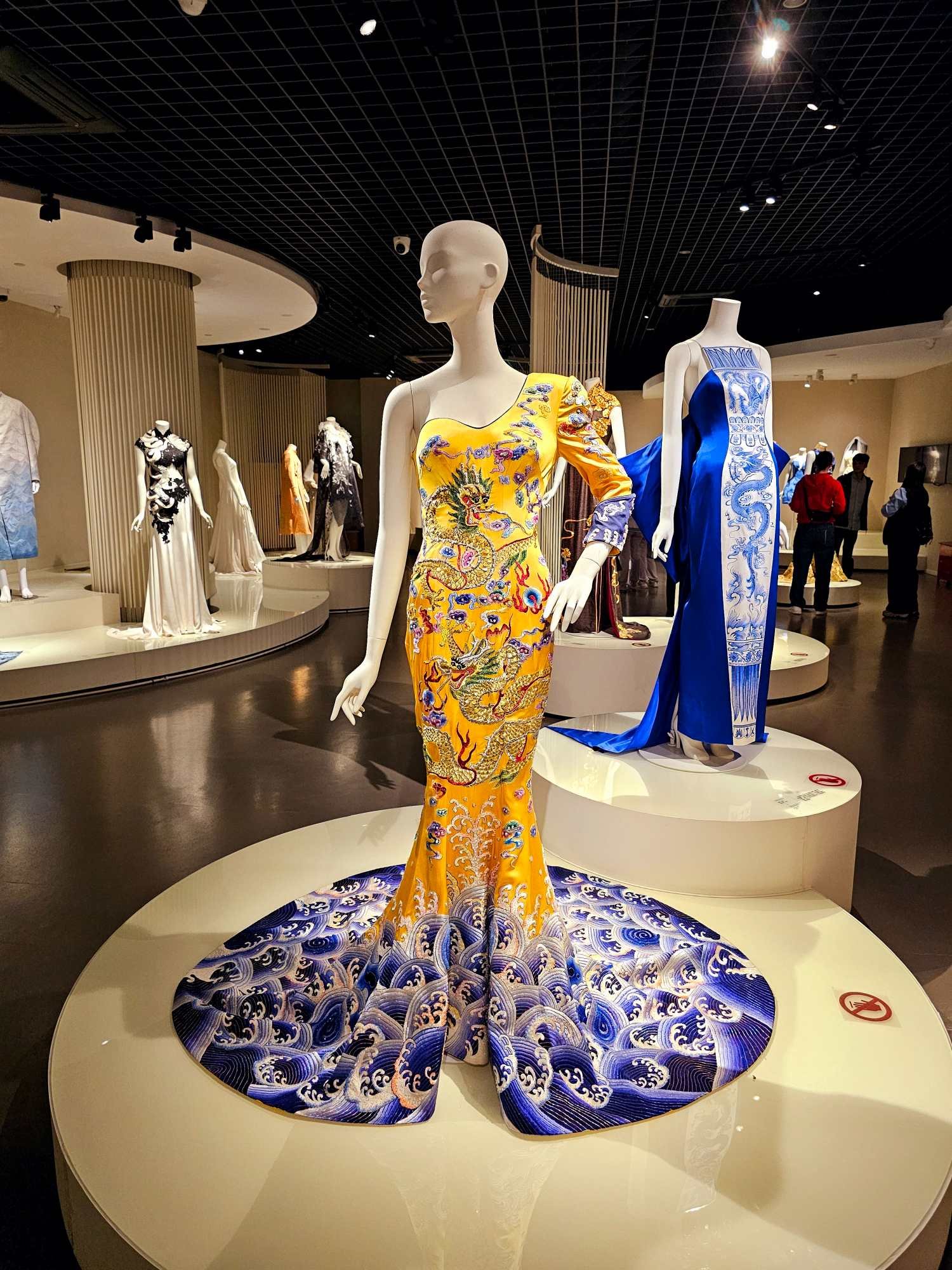
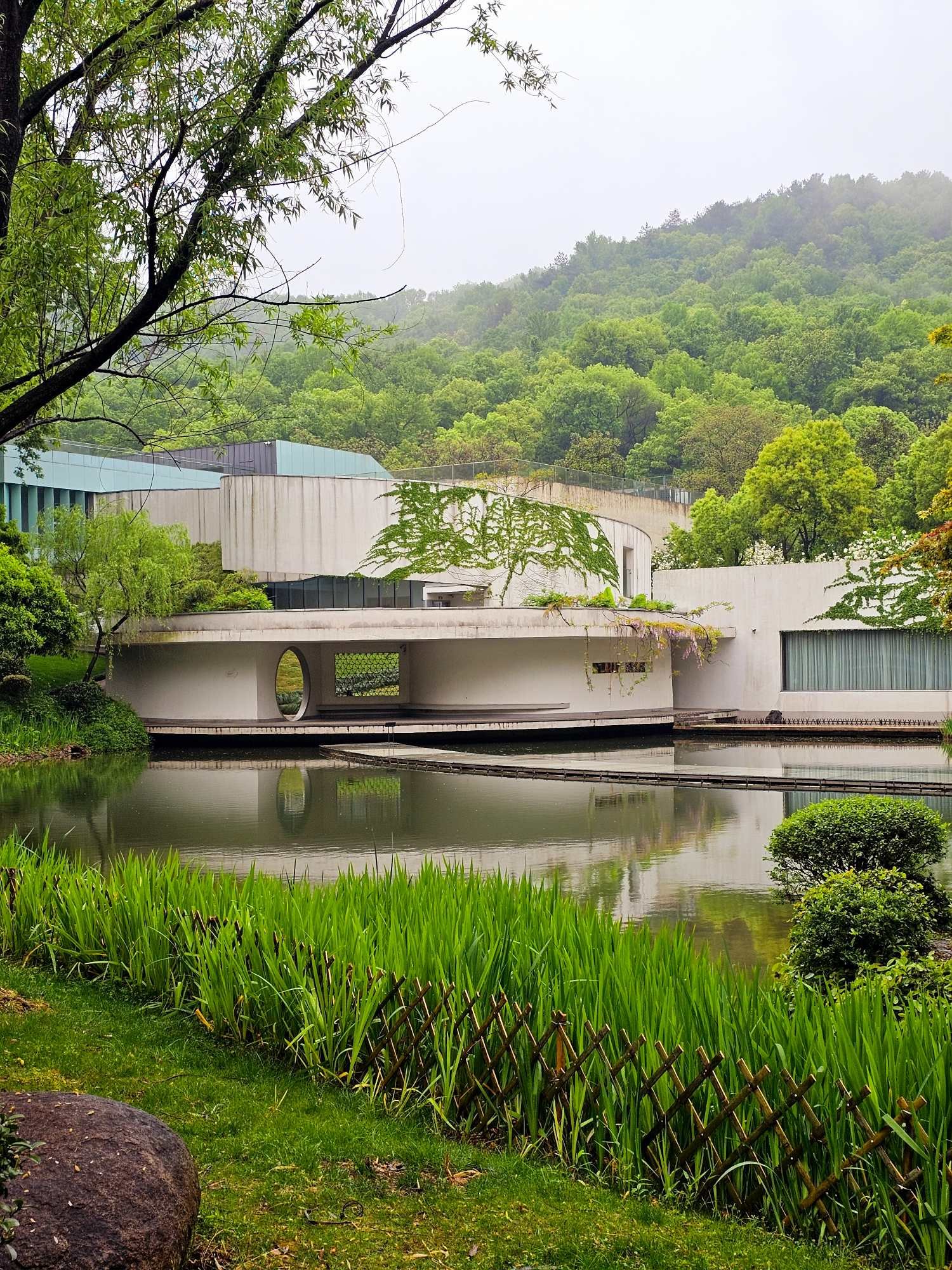
The last museum of my bike tour was the National Silk Museum. It is advertised as the best silk museum in China and as such it turned out to be a massive disappointment. The museum is a massive modernist complex, surrounded by trees and artificial lakes. It looks very nice on the outside. However, it is also under renovation so it only has two exhibitions – Western and Chinese fashion. Chinese fashion was, unfortunately, restricted to modern fashion. It would be very interesting to learn about the evolution of costumes for women and men throughout China’s history, but it was not to be.
Posljednji muzej moje biciklističke ture bio je Nacionalni muzej svile. Reklamiraju ga kao najbolji muzej svile u Kini i baš se zato pokazao kao golemo razočaranje. Muzej je golem modernistički kompleks okružen drvećem i umjetnim jezerima. Izvana izgleda jako lijepo. Međutim, upravo se obnavlja pa ima samo dvije izložbe – zapadnu i kinesku modu. Kineska moda bila je, nažalost, ograničena na modernu modu. Bilo bi vrlo zanimljivo saznati kako se kroz kinesku povijest razvijala ženska i muška nošnja, ali nije mi bilo suđeno.

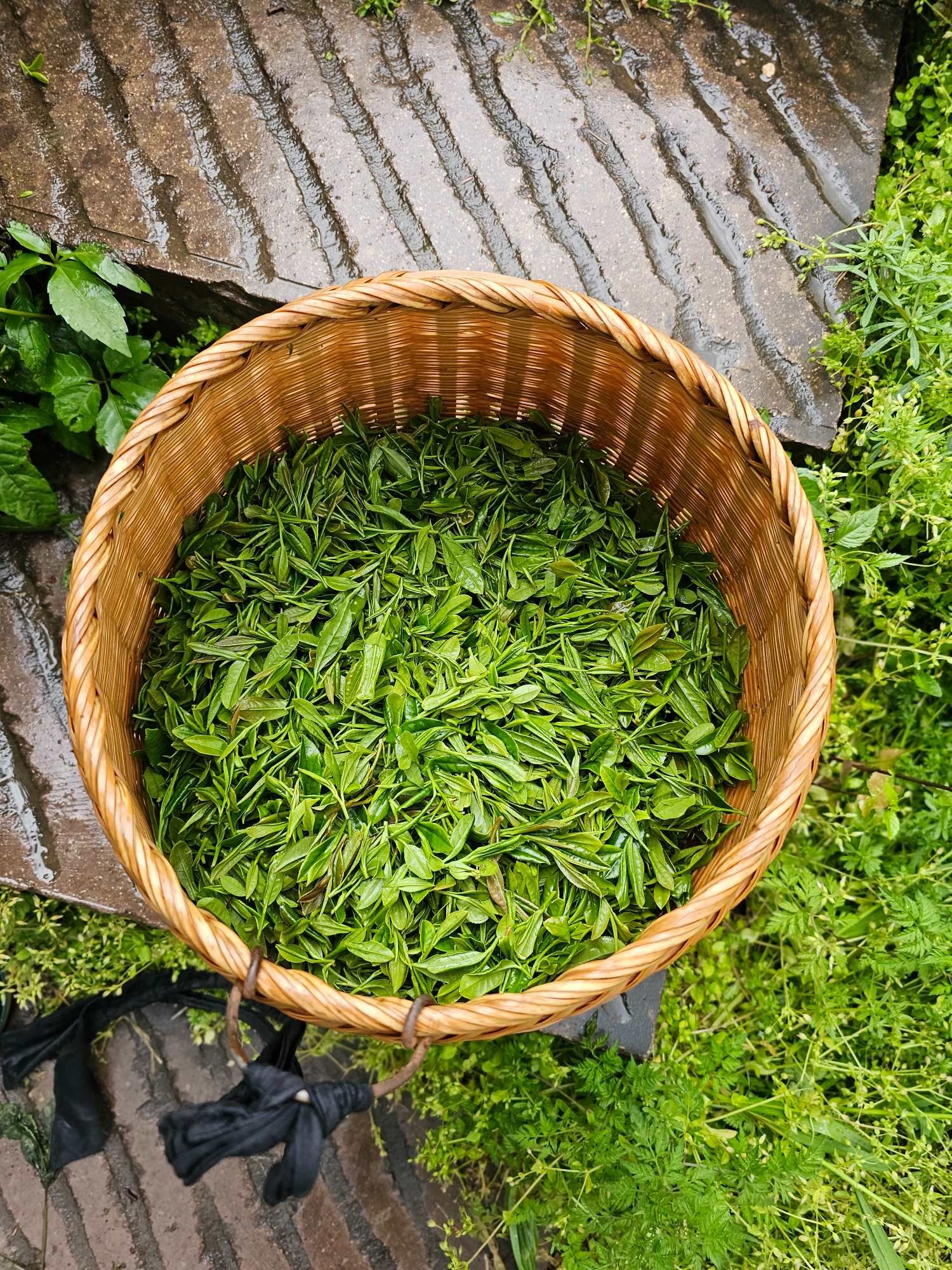
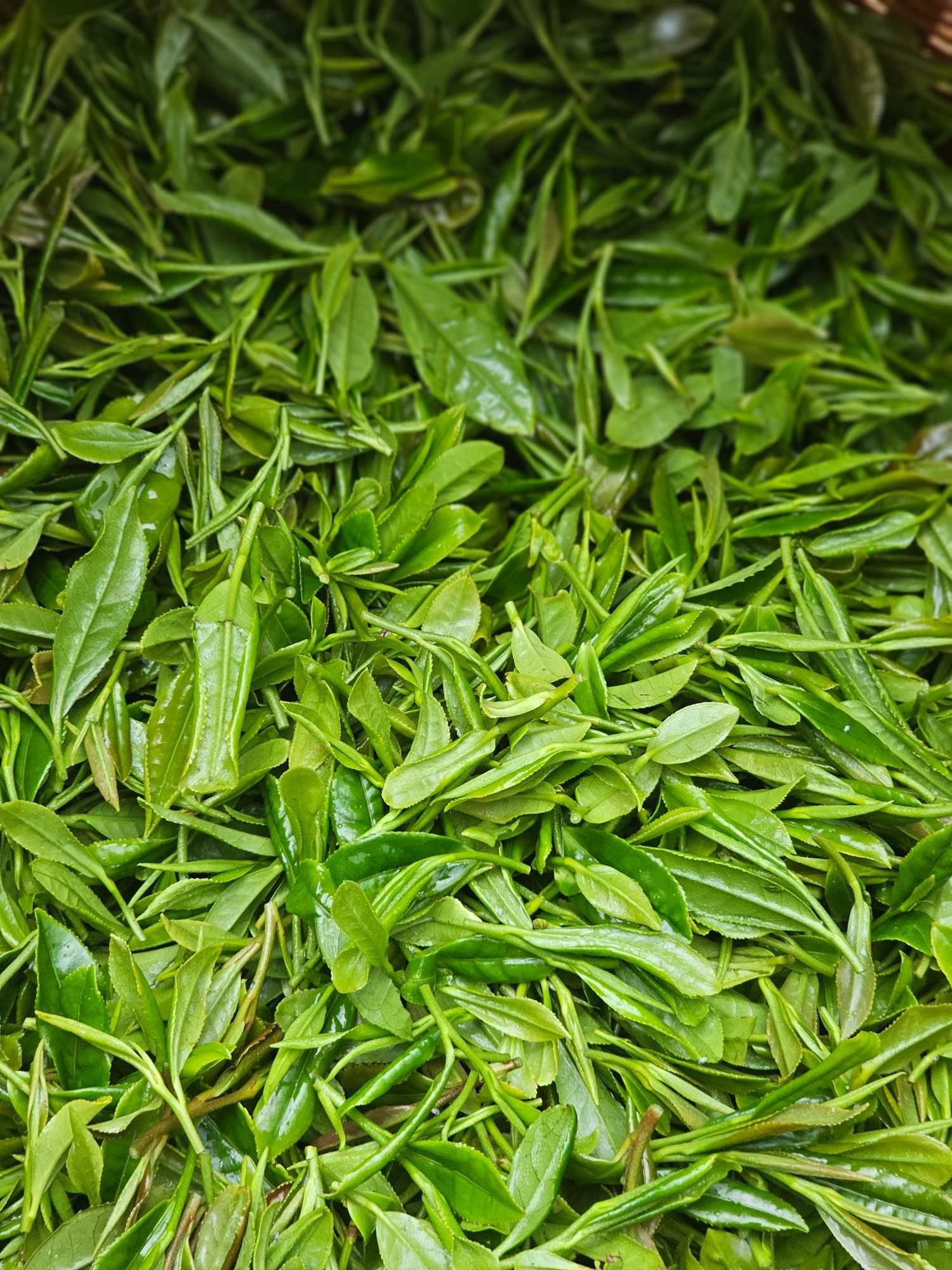
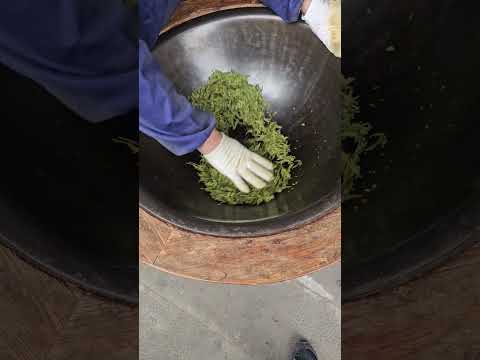
The weather has taken a turn for the worst and my next destination is in the hills so it was time to park my bicycle and call Didi (Chinese Uber) to take me to the Longjing village, where the best tea in China is produced. It took me a while to think if this was my first visit to a tea plantation, but after some 10-minute deliberations I have reached a firm conclusion that it is not. Almost 20 years ago I have visited tea plantations around Munar, in the Indian province of Kerala, which produces the famous Nilgiri tea. Longjing or Dragon Well tea is considered the best tea in China, due in great part by the preference shown by the former Qing imperial dynasty for this tea. It was reported that Longjing was the favorite tea of Emperor Kangxi, widely regarded as one of the greatest emperors in Chinese history. On photos below you can see “Green gold”
Vrijeme se još više pokvarilo, a moje je sljedeće odredište u brdima, pa je bilo vrijeme da parkiram bicikl i pozovem Didi (kineski Uber) da me odveze u selo Longjing, gdje se proizvodi najbolji čaj u Kini. Trebalo mi je neko vrijeme da se sjetim je li mi ovo prvi posjet plantaži čaja, ali nakon desetak minuta razmišljanja došao sam do čvrstog zaključka da nije. Prije gotovo 20 godina posjetio sam plantaže čaja oko Munara, u indijskoj pokrajini Kerali, gdje se proizvodi slavni čaj Nilgiri. Longjing ili čaj Zmajev zdenac smatra se najboljim čajem u Kini, velikim dijelom zato što je baš tom čaju bila sklona nekadašnja carska dinastija Qing. Zabilježeno je da je Longjing bio najdraži čaj cara Kangxija, kojeg općenito smatraju jednim od najvećih careva u kineskoj povijesti. Na fotografijama ispod možete vidjeti „zeleno zlato“

 ▶ Watch the videoPogledaj video
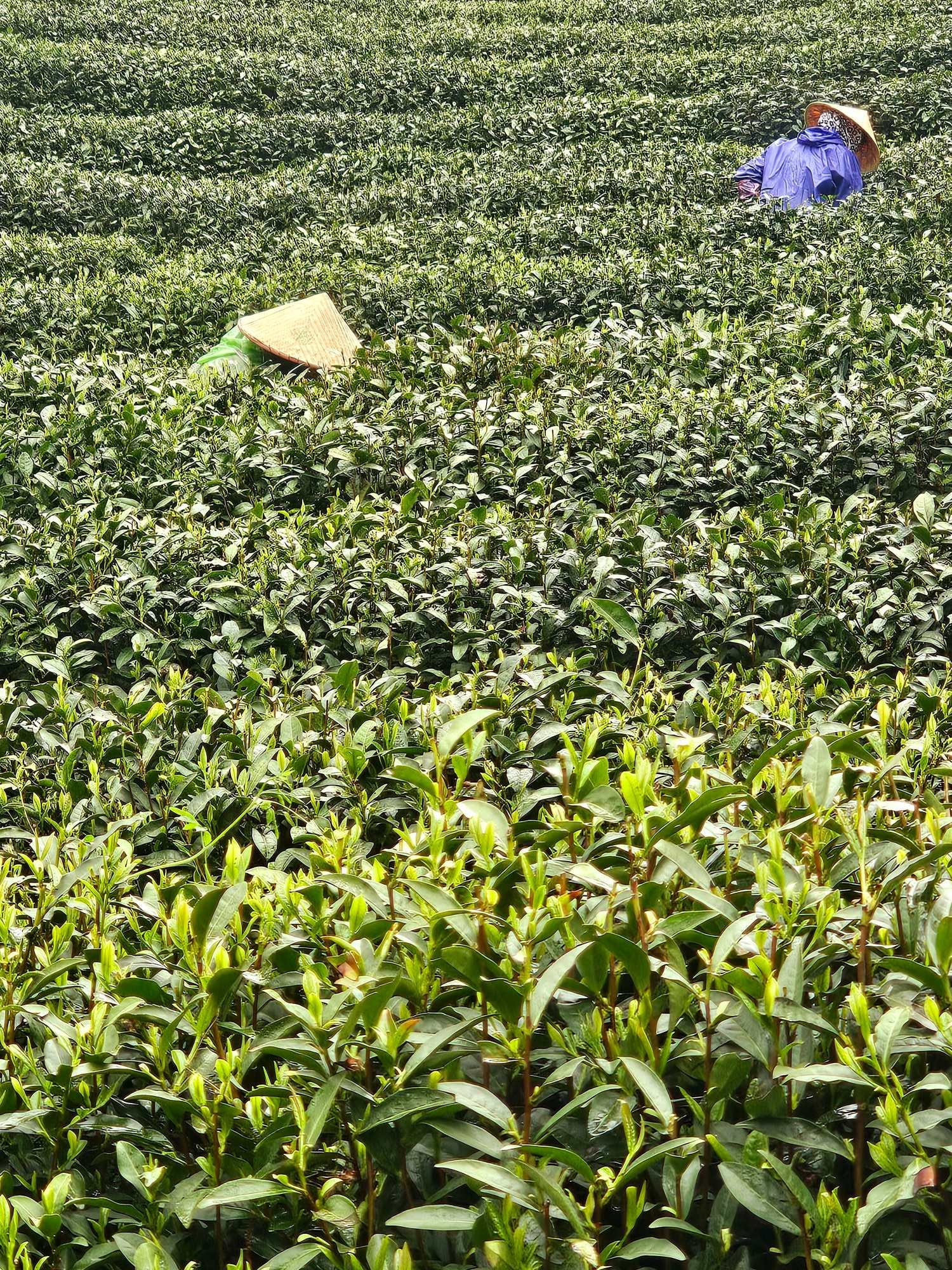
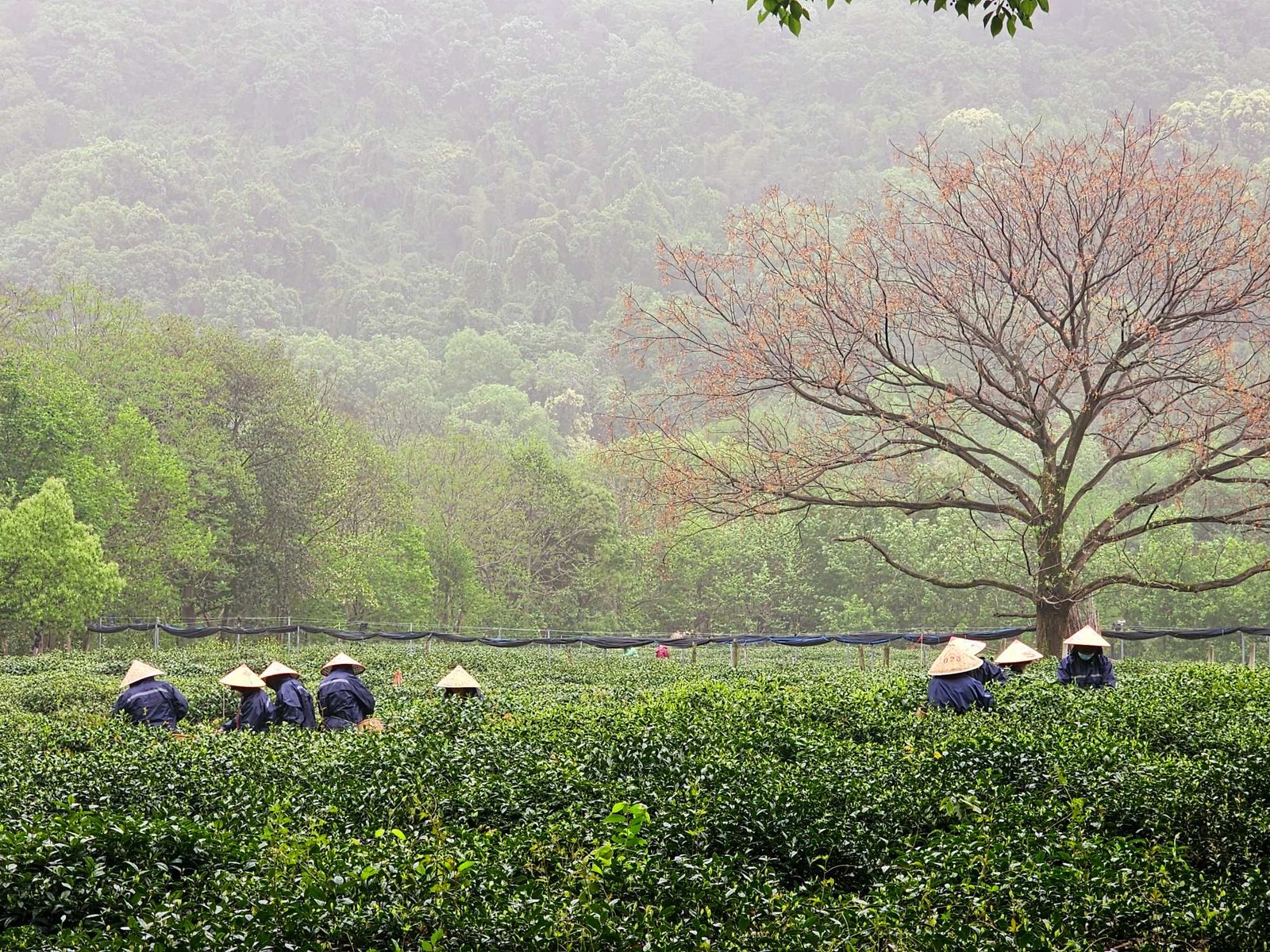
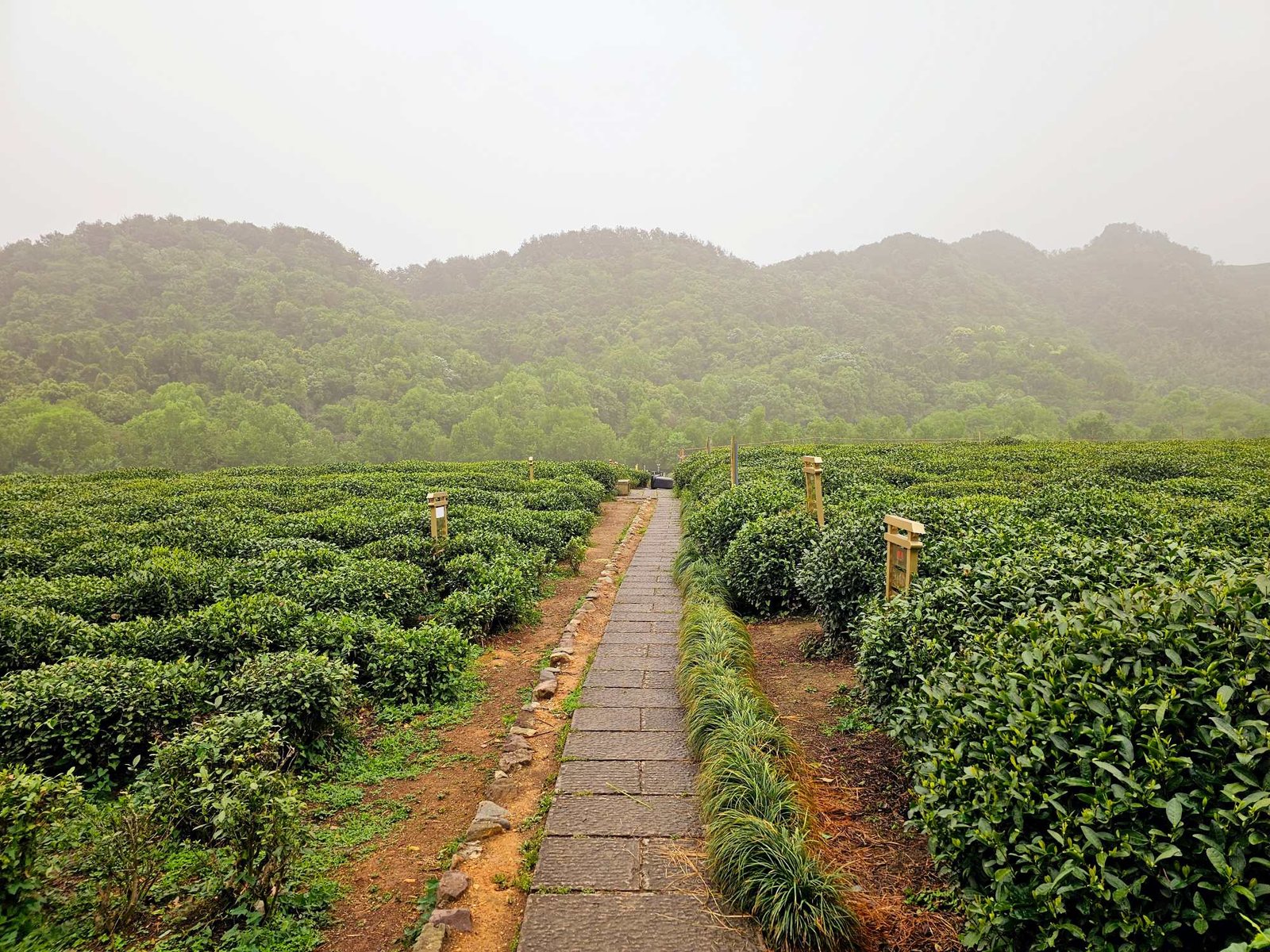
The views of rolling hills covered with lines of green tea bushes made me forget about all the misery inflicted upon me by the cold weather and soaking wet feet. I have brought two walking shoes with me on this trip. My hiking shoes are half open summer hiking shoes, highly unsuitable for cold and wet environments. My “proper” shoes are brand new city shoes which lose comfort after walking in them for over an hour. Even though I knew the weather forecast, I decided to risk wet feet over blisters. The good thing about half-open shoes is that they get dry very quickly. One of the nicest things about tea plantations are Chinese workers wearing their traditional rounded-pyramid shaped yellow straw hats.
Uz pogled na valovite brežuljke prekrivene redovima zelenih grmova čaja zaboravio sam na sav jad koji su mi nanijeli hladno vrijeme i skroz mokra stopala. Na ovo sam putovanje ponio dva para cipela za hodanje. Planinarske su mi poluotvorene ljetne planinarske cipele, potpuno neprikladne za hladnoću i mokro. Moje „prave“ cipele potpuno su nove gradske cipele koje prestanu biti udobne nakon više od sat vremena hoda. Iako sam znao vremensku prognozu, odlučio sam da ću radije riskirati mokra stopala nego žuljeve. Dobra je strana poluotvorenih cipela što se vrlo brzo osuše. Jedna od najljepših stvari na plantažama čaja kineski su radnici sa svojim tradicionalnim žutim slamnatim šeširima u obliku zaobljene piramide.
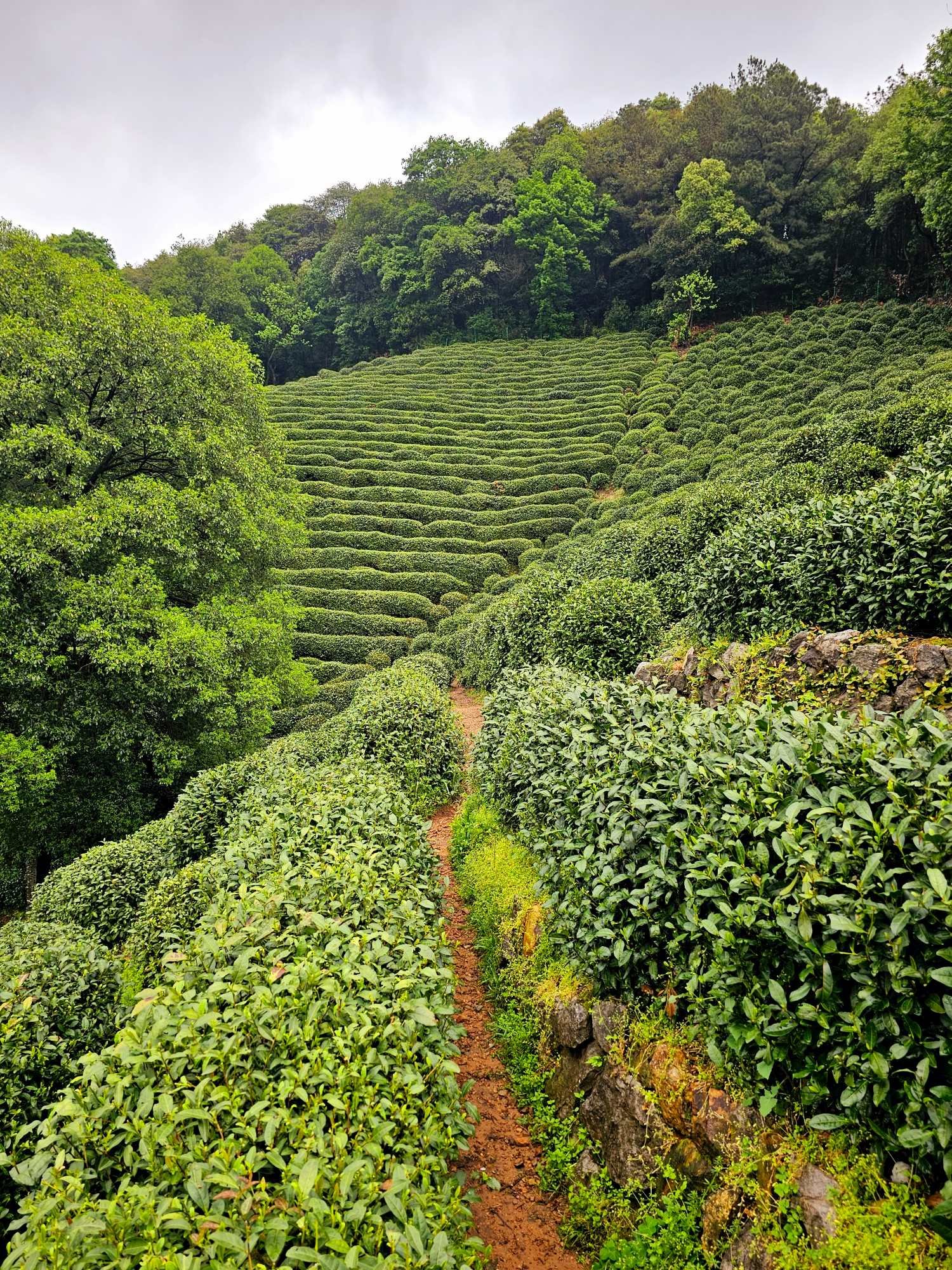
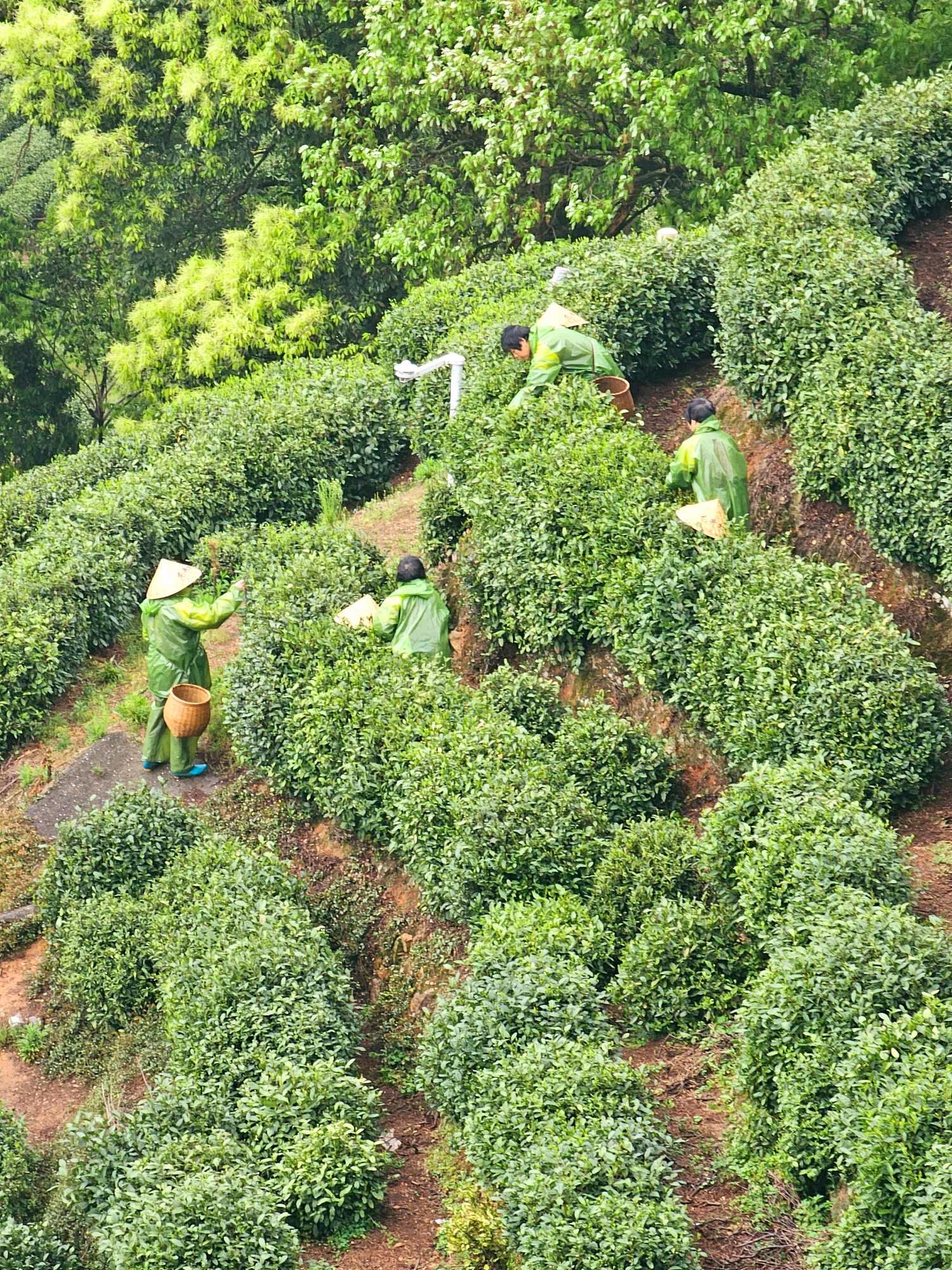
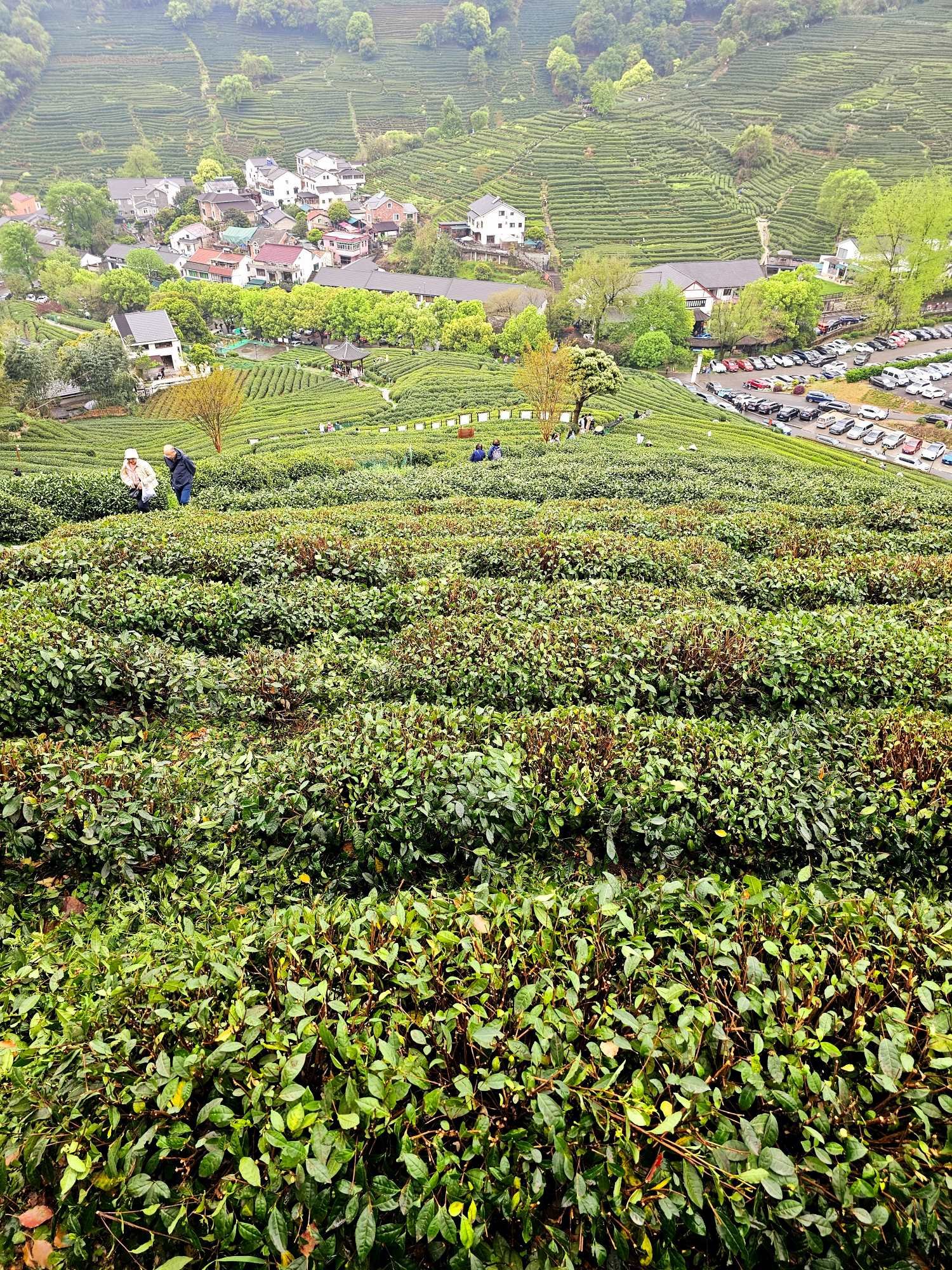
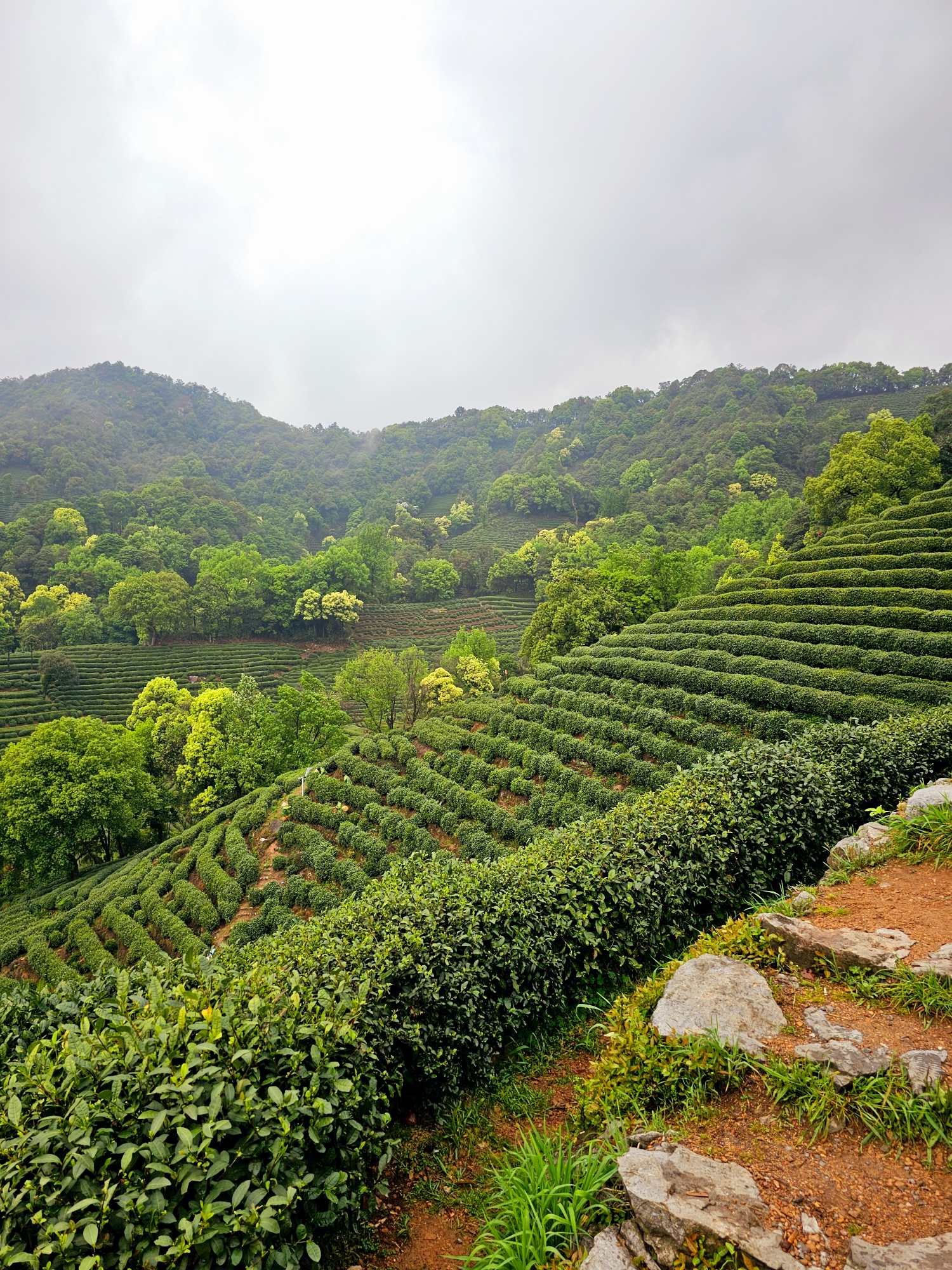
You can walk freely through the tea plantations but do not forget to walk further down the village to the Imperial Tea Garden. It is a beautiful mansion where Emperors, including famous emperors like Kangxi and Qianlong, would reside while visiting Hangzhou. The mansion also has a restaurant and a shop with souvenirs, though the prices are much higher, as you can assume.
Plantažama čaja možete slobodno šetati, ali ne zaboravite produžiti niz selo do Carskog vrta čaja. To je prekrasna vila u kojoj su carevi, među njima i slavni carevi poput Kangxija i Qianlonga, odsjedali kad bi posjećivali Hangzhou. U vili su i restoran i trgovina suvenirima, iako su cijene puno više, kao što možete pretpostaviti.
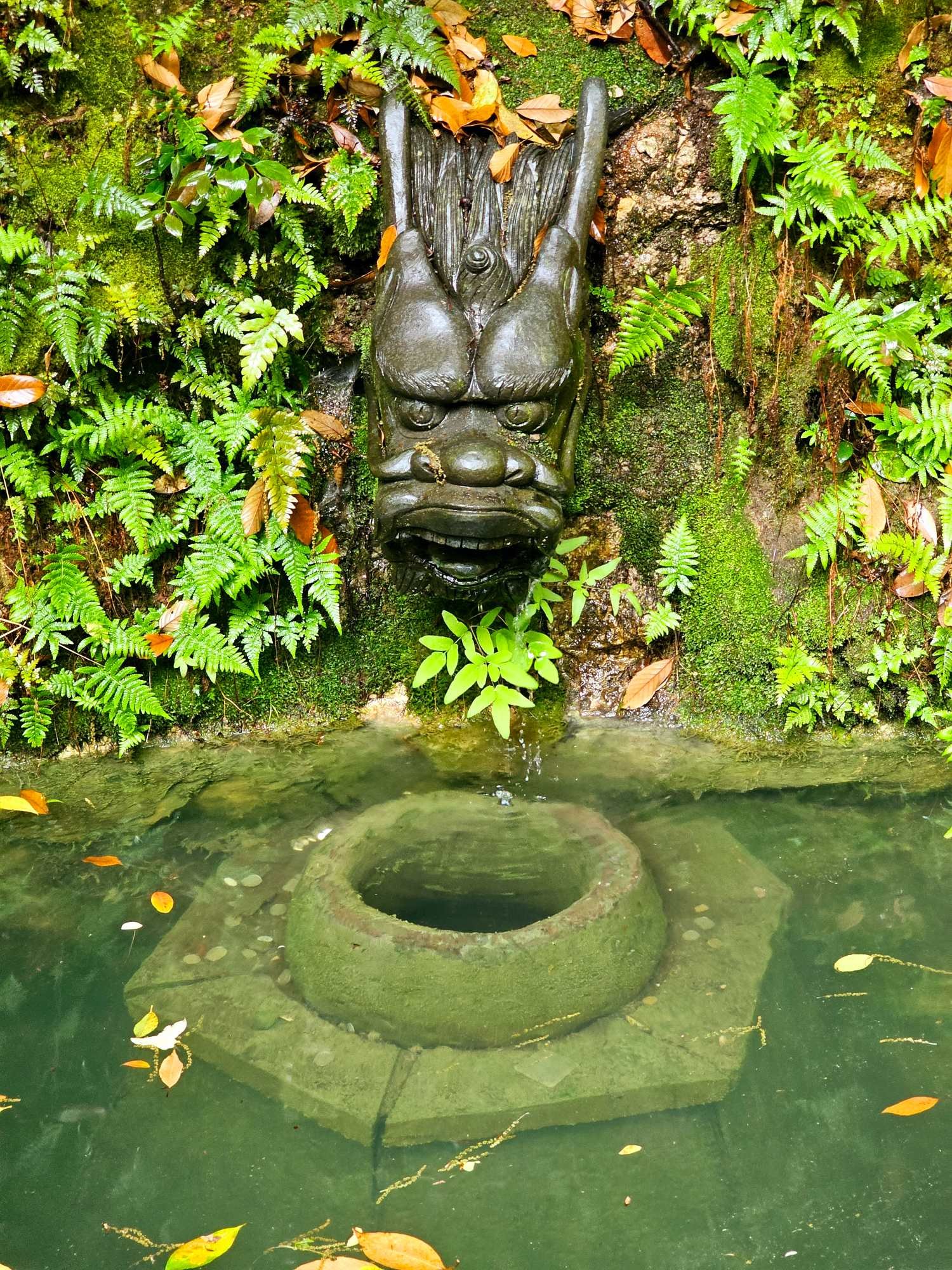
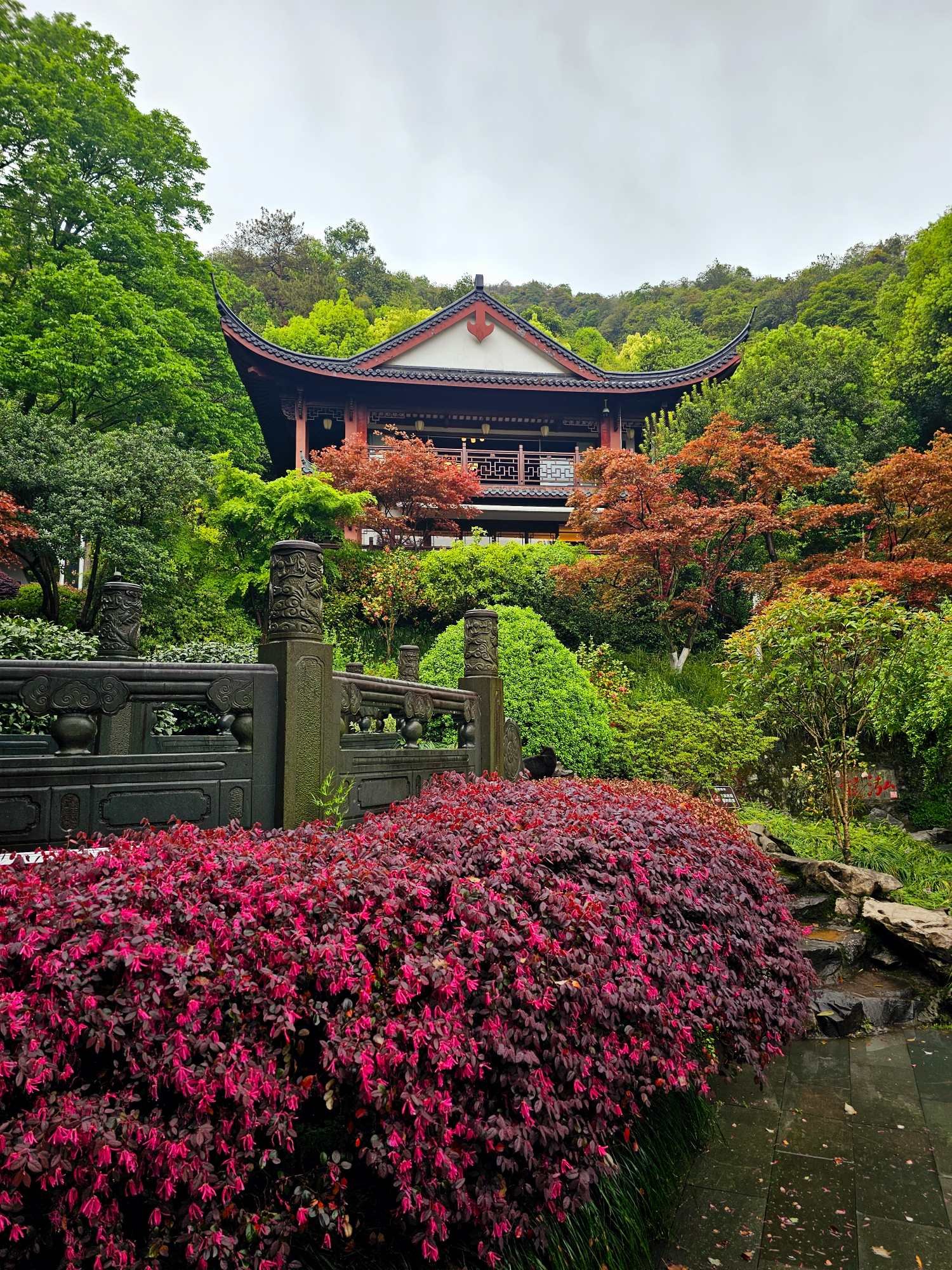
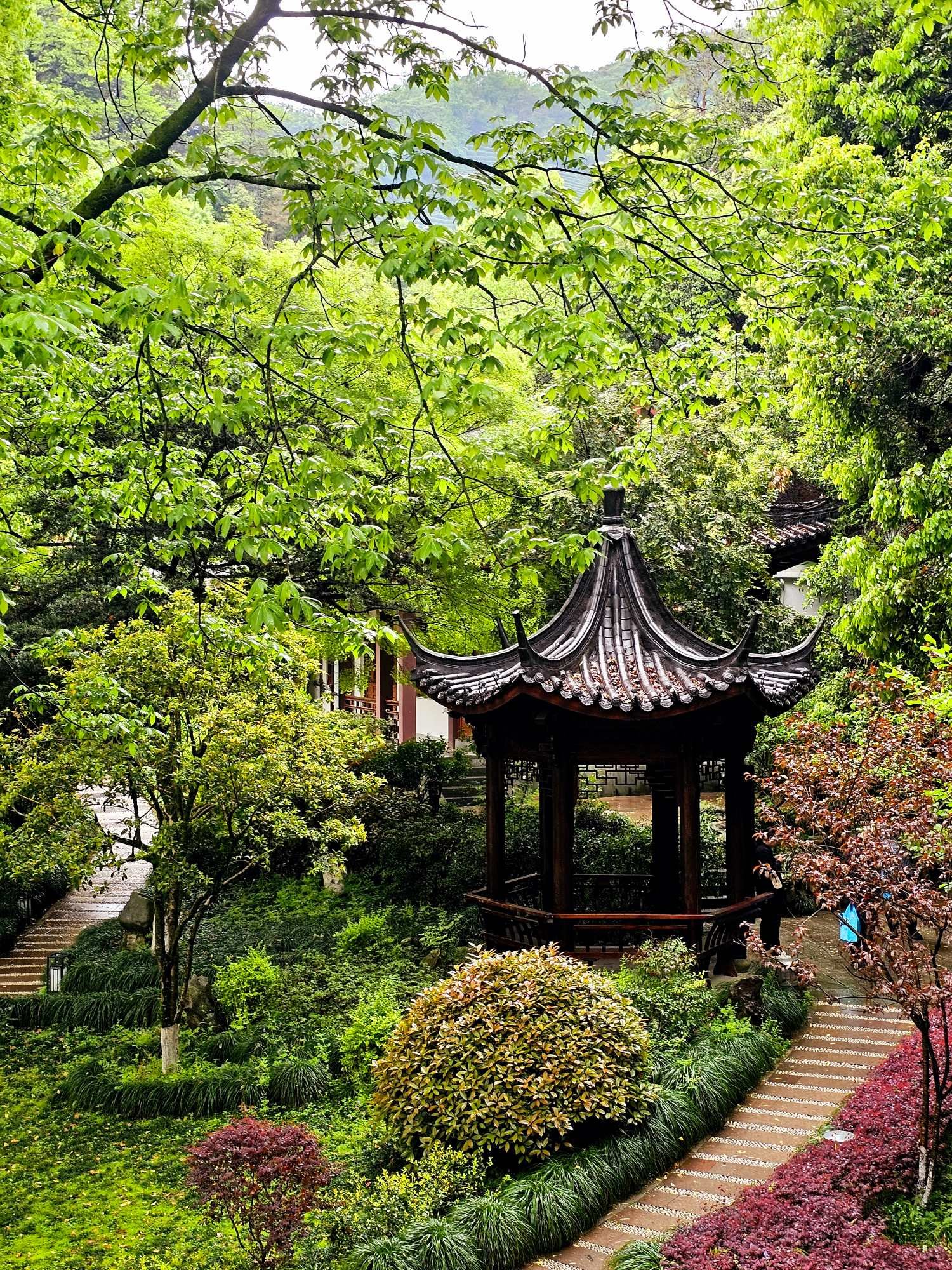
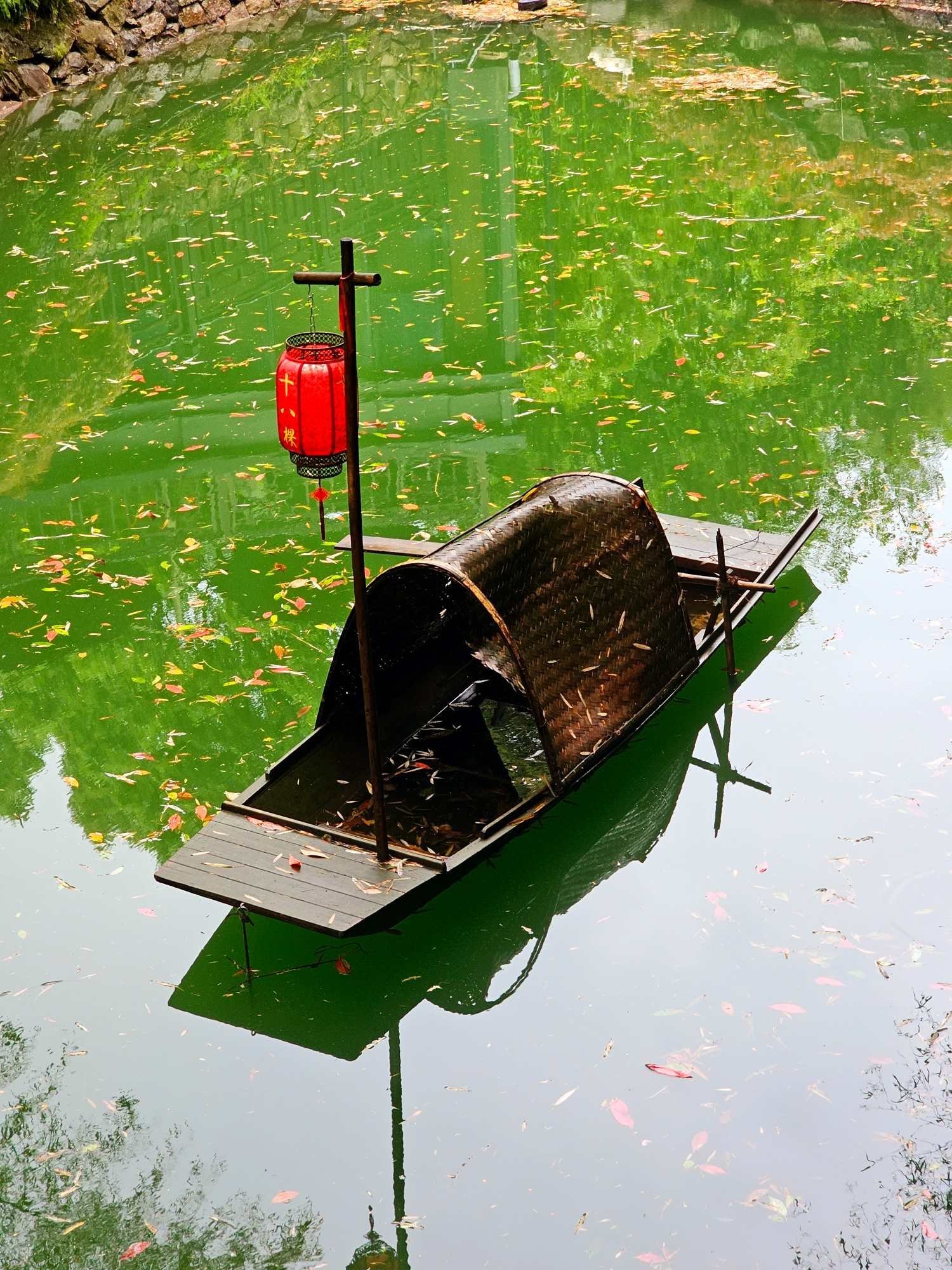
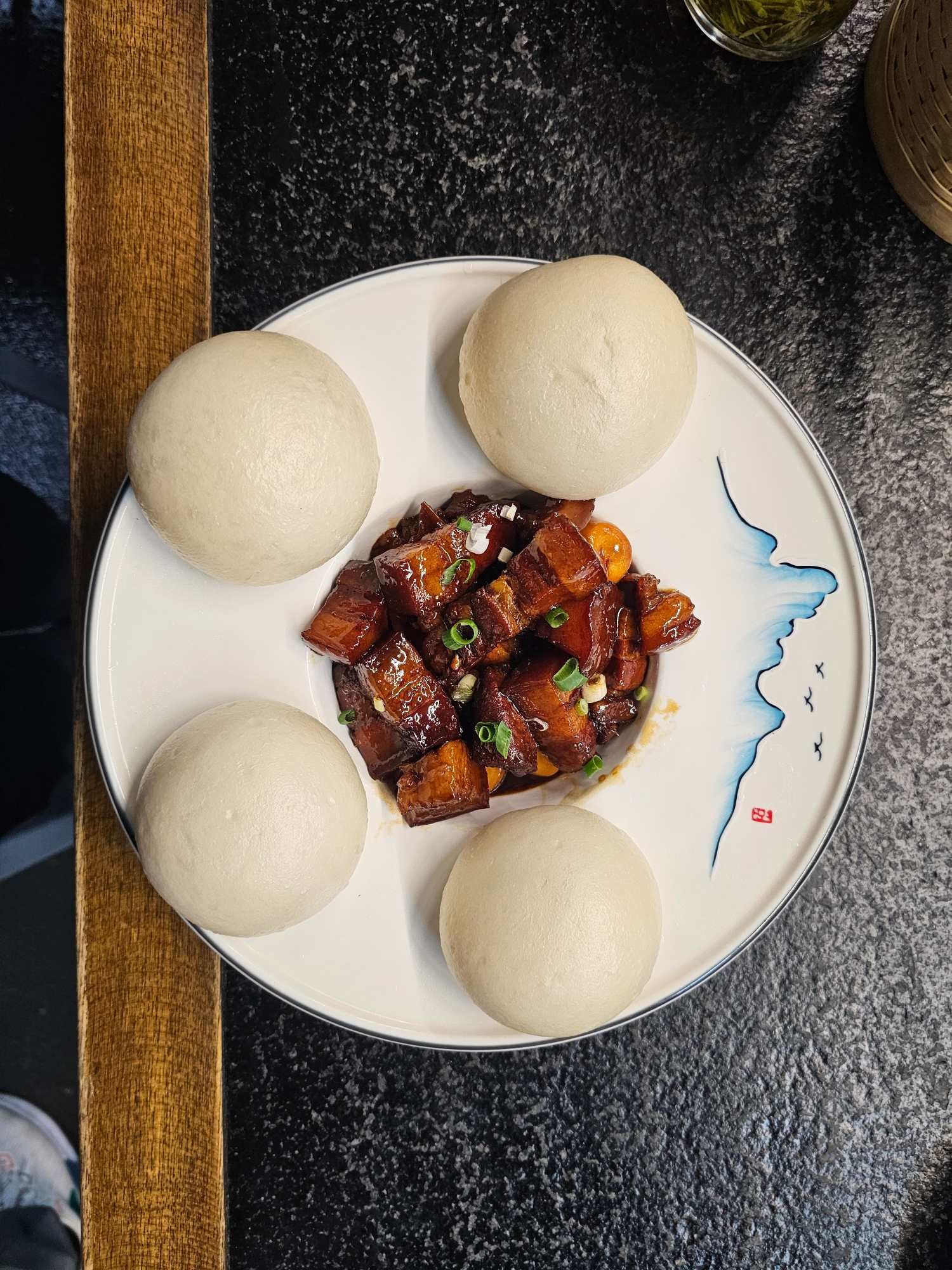
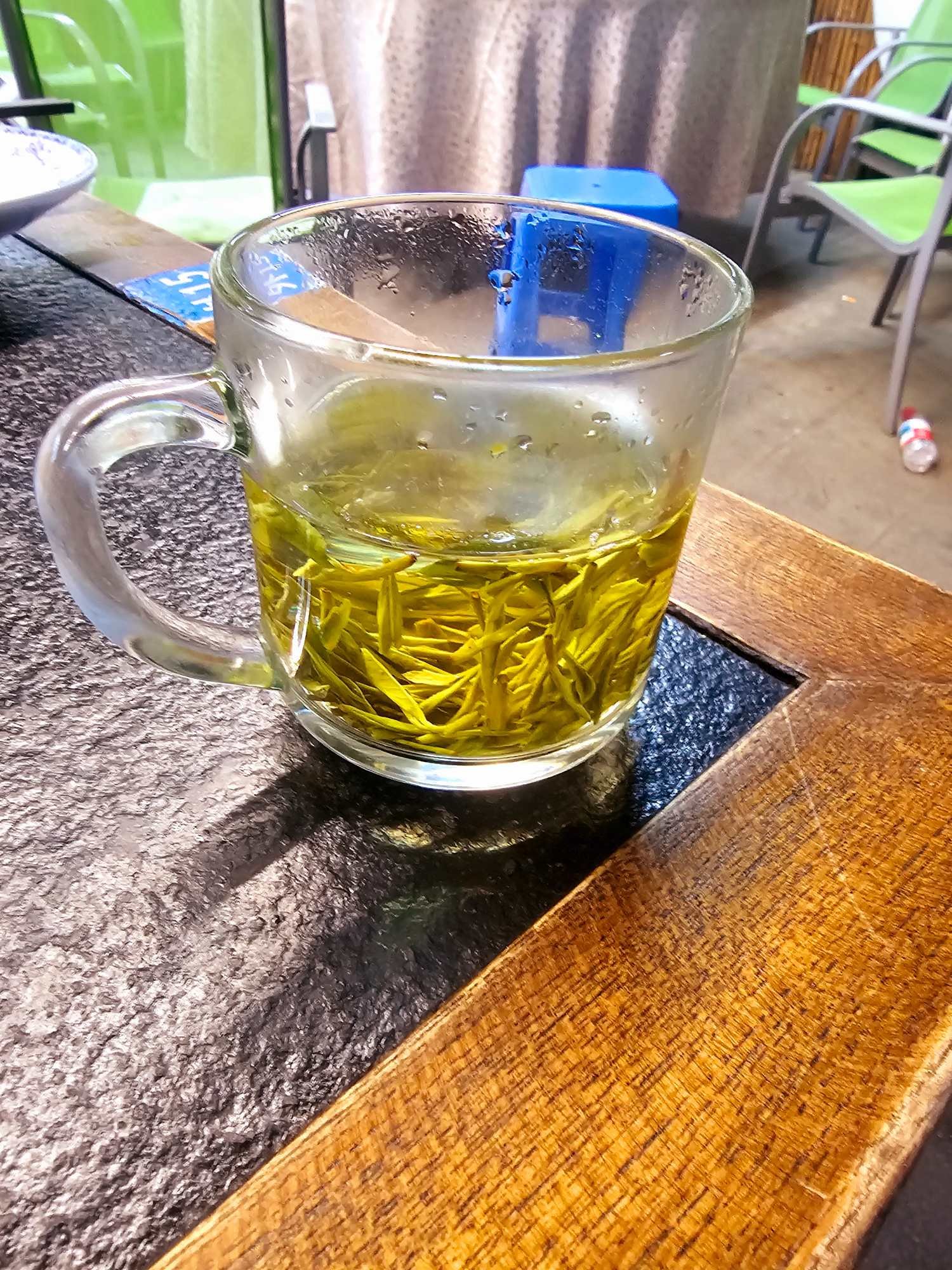
On my way to the mansion, I have noticed one restaurant was full, while most other restaurants were half-empty. I decided there and then this is the spot where I will have my lunch. After I have explored the mansion and its garden, some tables will open up, for sure. By the time I finished exploring the imperial garden and returned to the restaurant, I managed to get the last table. I ordered glazed pork with homemade rice bread. They also serve and make their own Longjing tea so it was time to try it. It is not what I imagined it to be. First of all, it really is just tea leaves. They don’t give you sugar, honey or any other sweetener. As a result, it was rather strong and bitter, so if you are used to sweet frutty teas, it might not entirely be to your taste. I bought their tea, the tea is quite expensive – 200 yuan for 50 grams, but the owner gave me a 50 yuan discount on the food bill.
Na putu do vile primijetio sam da je jedan restoran pun, dok je većina ostalih bila poluprazna. Odmah sam odlučio da ću baš ondje ručati. Dok razgledam vilu i njezin vrt, sigurno će se osloboditi koji stol. Kad sam završio s razgledavanjem carskog vrta i vratio se u restoran, uspio sam dobiti zadnji stol. Naručio sam glaziranu svinjetinu s domaćim rižinim kruhom. Poslužuju i sami proizvode svoj čaj Longjing pa je bilo vrijeme da ga probam. Nije onakav kakvim sam ga zamišljao. Kao prvo, to su zaista samo listići čaja. Ne daju vam ni šećer ni med ni bilo kakvo drugo sladilo. Zato je bio prilično jak i gorak pa vam, ako ste navikli na slatke voćne čajeve, možda neće biti sasvim po ukusu. Kupio sam njihov čaj, koji je prilično skup – 200 juana za 50 grama, ali mi je vlasnik dao 50 juana popusta na račun za hranu.
With my stomach full and feet still wet, I cold Didi to the National Tea Museum. But, after waiting for 10 minutes with no accepted rides, I decided to walk there – my feet are already wet, it is only a few kilometers and I will be going downhill. During nice weather I would recommend this walk. The path takes you through the forest and pass the tea fields. Only one section is the main road. Don’t worry, you cannot get lost, just follow the instructions on AMAP (Chinese Google Maps).
Punog želuca i još mokrih stopala pozvao sam Didi do Nacionalnog muzeja čaja. No nakon 10 minuta čekanja, a da nitko nije prihvatio vožnju, odlučio sam onamo otići pješice – stopala su mi ionako mokra, to je samo nekoliko kilometara i idem nizbrdo. Po lijepom vremenu preporučio bih ovu šetnju. Staza vas vodi kroz šumu i pokraj polja čaja. Samo je jedna dionica uz glavnu cestu. Ne brinite se, ne možete se izgubiti, samo pratite upute na AMAP-u (kineski Google Maps).
After the disappointment of the National Silk Museum, National Tea Museum was a revelation. It is very informative and uses graphics to illustrate the history of the tea trees and its consumption. Did you know that tea is also a tree the size of an apple tree? I don’t think they make tea out of these trees though; I presume now they only make tea solely from the leaves of its bush-like relative. I also learned that tea was first spread all over China by China’s first emperor Qin Shi Huang in the 3rd century BC. In those times, tea was used as an ingredient in soup-like drinks. However, ordinary people started drinking tea only during the Tang Dynasty (6th – 9th century), when it was made into cakes so you needed to grind it into tea dust and put boiling water on top of it. The way we prepare our tea today – by specially fermenting tea leaves – was invented during the Ming Dynasty – 14th-17th century.
Nakon razočaranja u Nacionalnom muzeju svile, Nacionalni muzej čaja bio je pravo otkriće. Vrlo je poučan i grafikama prikazuje povijest stabla čaja i ispijanja čaja. Jeste li znali da je čaj i stablo veličine stabla jabuke? Mislim, doduše, da se od tih stabala ne radi čaj; pretpostavljam da se sada čaj radi isključivo od listova njegova grmolikog srodnika. Saznao sam i da je čaj po cijeloj Kini prvi proširio prvi kineski car Qin Shi Huang u 3. stoljeću pr. Kr. U to se vrijeme čaj koristio kao sastojak napitaka nalik juhi. Međutim, obični su ljudi čaj počeli piti tek za dinastije Tang (6. – 9. stoljeće), kad se oblikovao u pogače pa ste ga morali samljeti u čajni prah i preliti kipućom vodom. Način na koji danas pripremamo čaj – posebnom fermentacijom listića čaja – izmišljen je za dinastije Ming – 14. – 17. stoljeće.
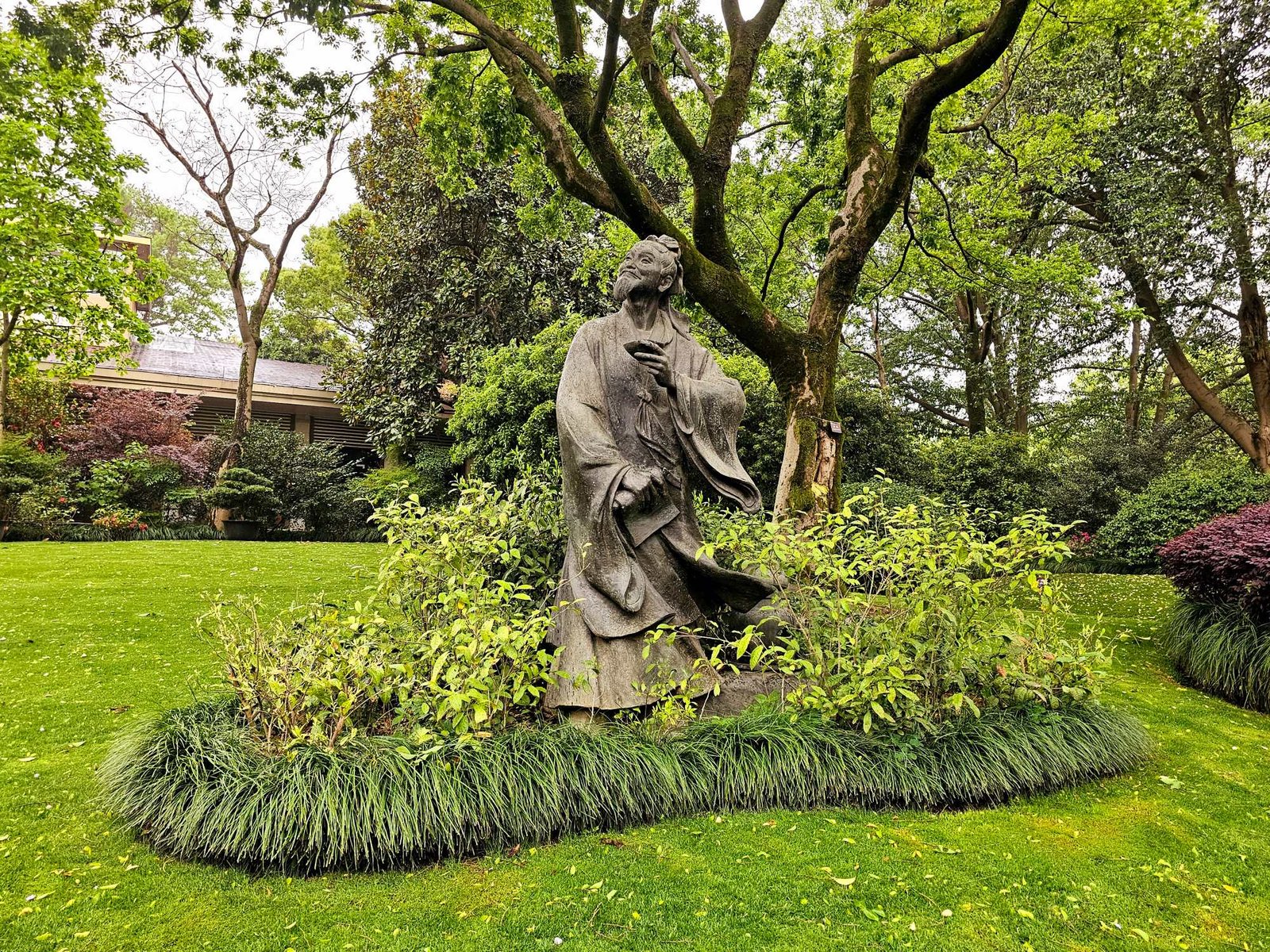

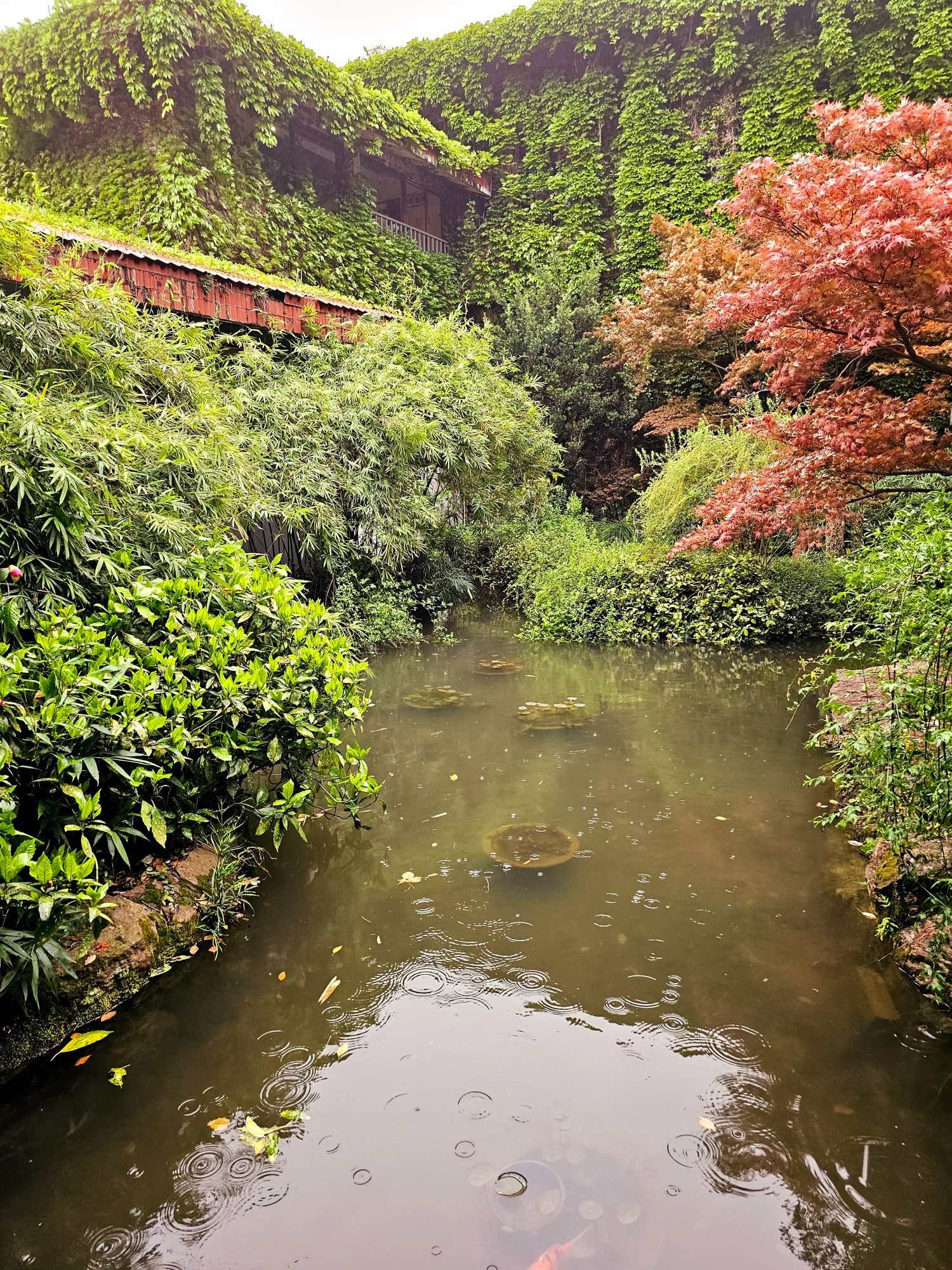
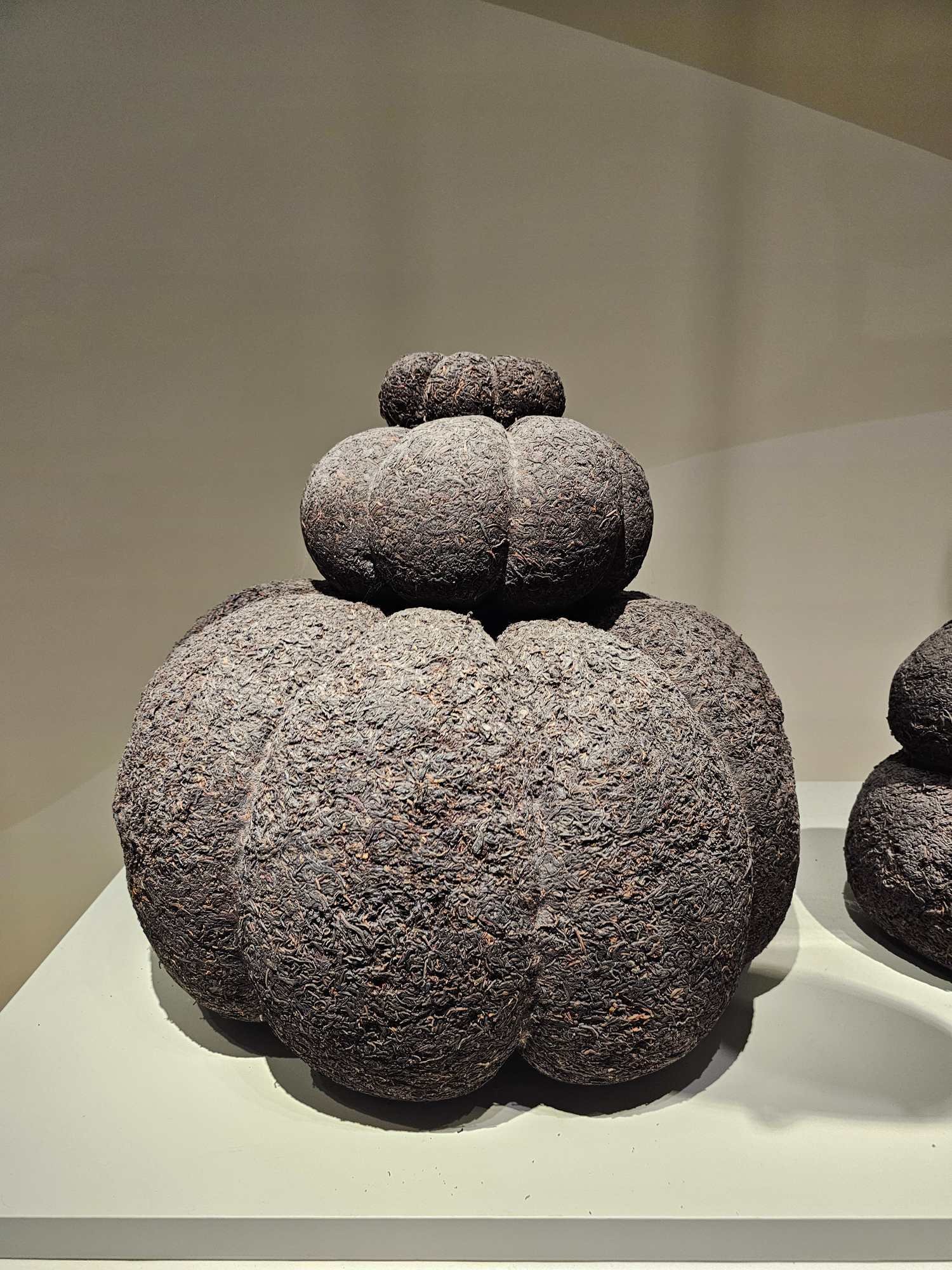
My original plan was to include a visit to the Lingyin Temple, which is fairly close by. But my soaking wet feet have finally taken their toll on me. Instead, I went to the Silk Street to finalize shopping for gifts for my family. Hangzhou is historically one of the capitals of silk production. The Silk Street is a street lined with stores selling all kinds of silk products – from scarves to traditional and modern dresses and even raw material. I was looking specifically for traditional Chinese dresses called qipao. The prices ranged from over 1000 euros to 60 euros. I am sure the quality also diverges.
Prvotno sam planirao posjetiti i hram Lingyin, koji je prilično blizu. Ali potpuno mokra stopala napokon su uzela danak. Umjesto toga otišao sam u Ulicu svile dovršiti kupnju poklona za obitelj. Hangzhou je povijesno jedna od prijestolnica proizvodnje svile. Ulica svile puna je trgovina koje prodaju sve moguće proizvode od svile – od šalova do tradicionalnih i modernih haljina, pa čak i sirovu svilu. Tražio sam upravo tradicionalne kineske haljine koje se zovu qipao. Cijene su se kretale od preko 1000 eura do 60 eura. Siguran sam da se i kvaliteta razlikuje.
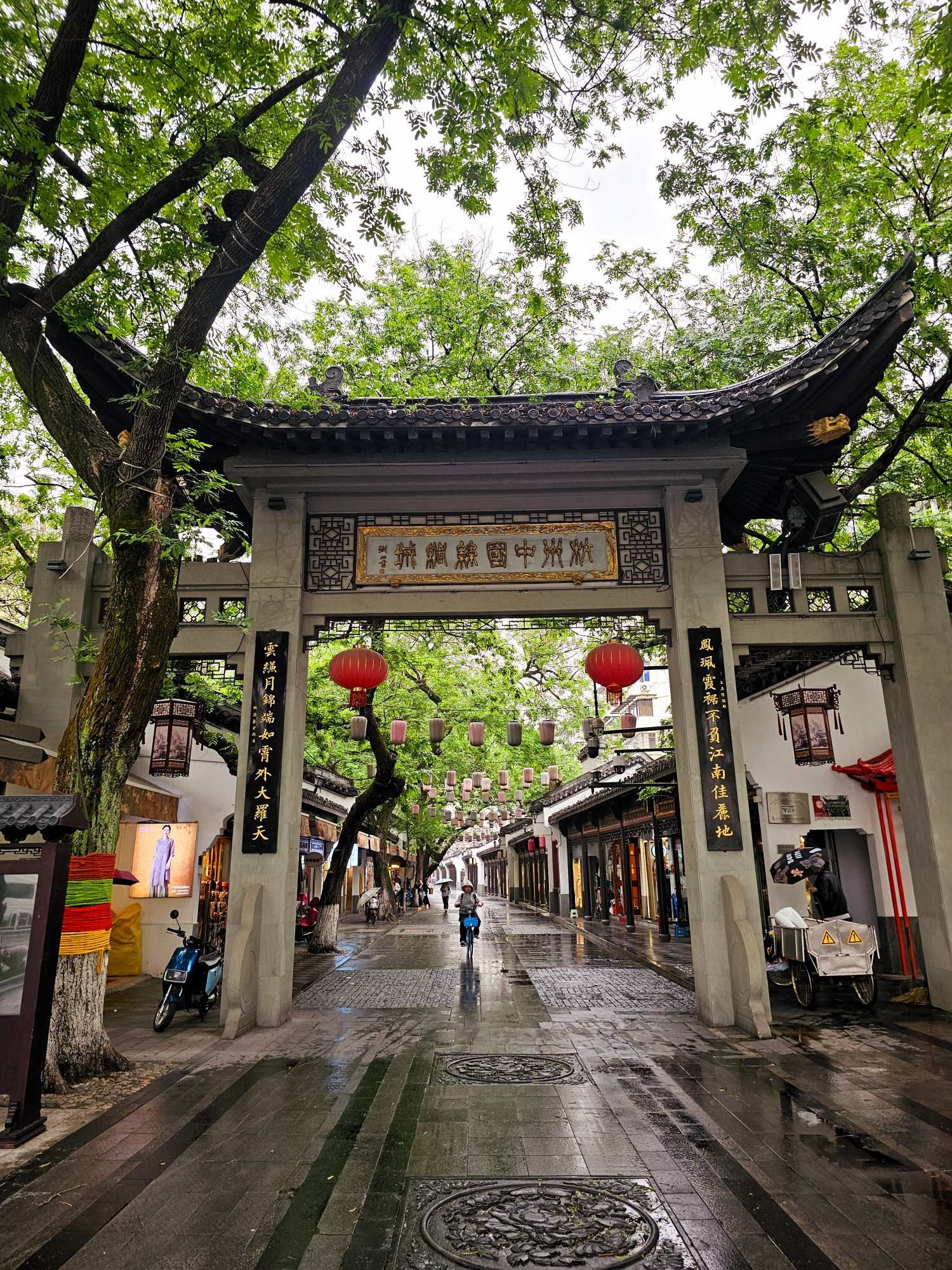
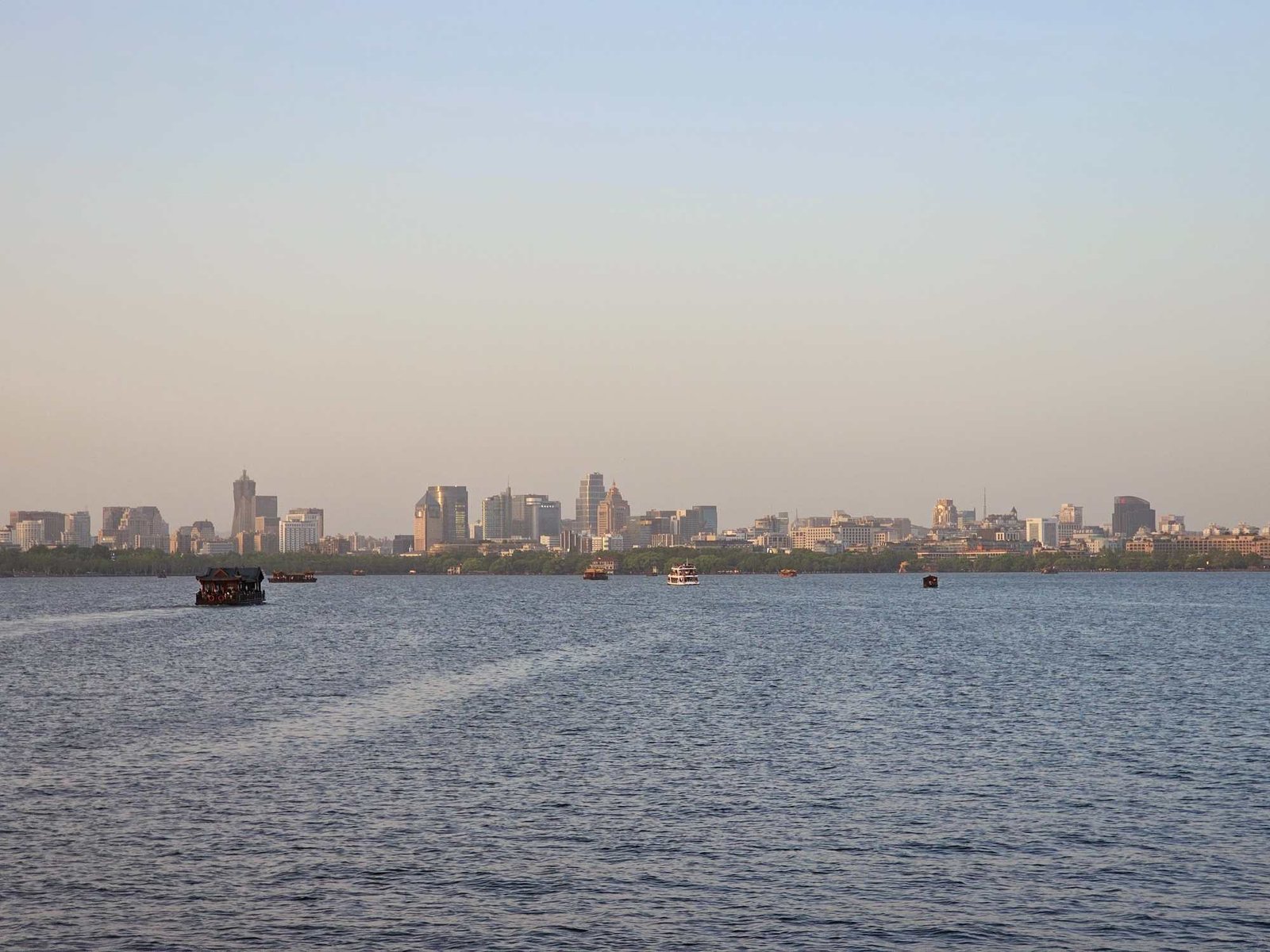
After getting to bed early I woke up early the next day because the sun was projected to make its return so it was time to explore the most famous of Hangzhou’s attractions – Xi or Western Lake. It is a big lake surrounded mostly by green areas – only on its eastern side it borders Hangzhou’s modern streets and buildings. For an ancient Chinese capital, Hangzhou is very modern in its appearance. It is very clean and orderly city and proves its credential as the most beautiful of the ancient imperial capitals.
Rano sam legao i sutradan se rano probudio jer je prognoza najavljivala povratak sunca, pa je došlo vrijeme za najpoznatiju atrakciju Hangzhoua – jezero Xi ili Zapadno jezero. To je veliko jezero okruženo uglavnom zelenilom – samo na istočnoj strani graniči s modernim ulicama i zgradama Hangzhoua. Za drevnu kinesku prijestolnicu Hangzhou izgleda vrlo moderno. Grad je vrlo čist i uredan i opravdava svoj glas najljepše među drevnim carskim prijestolnicama.
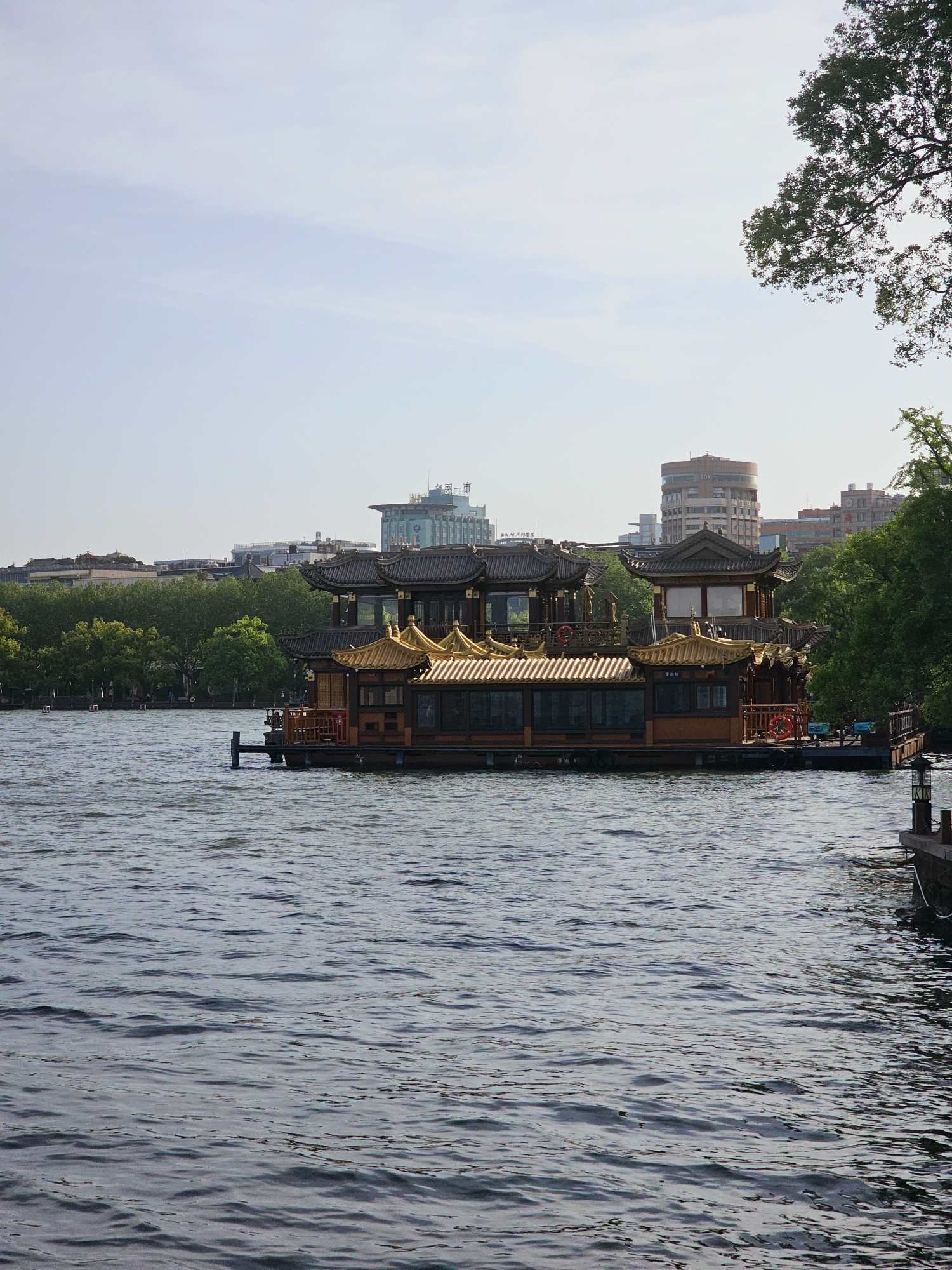
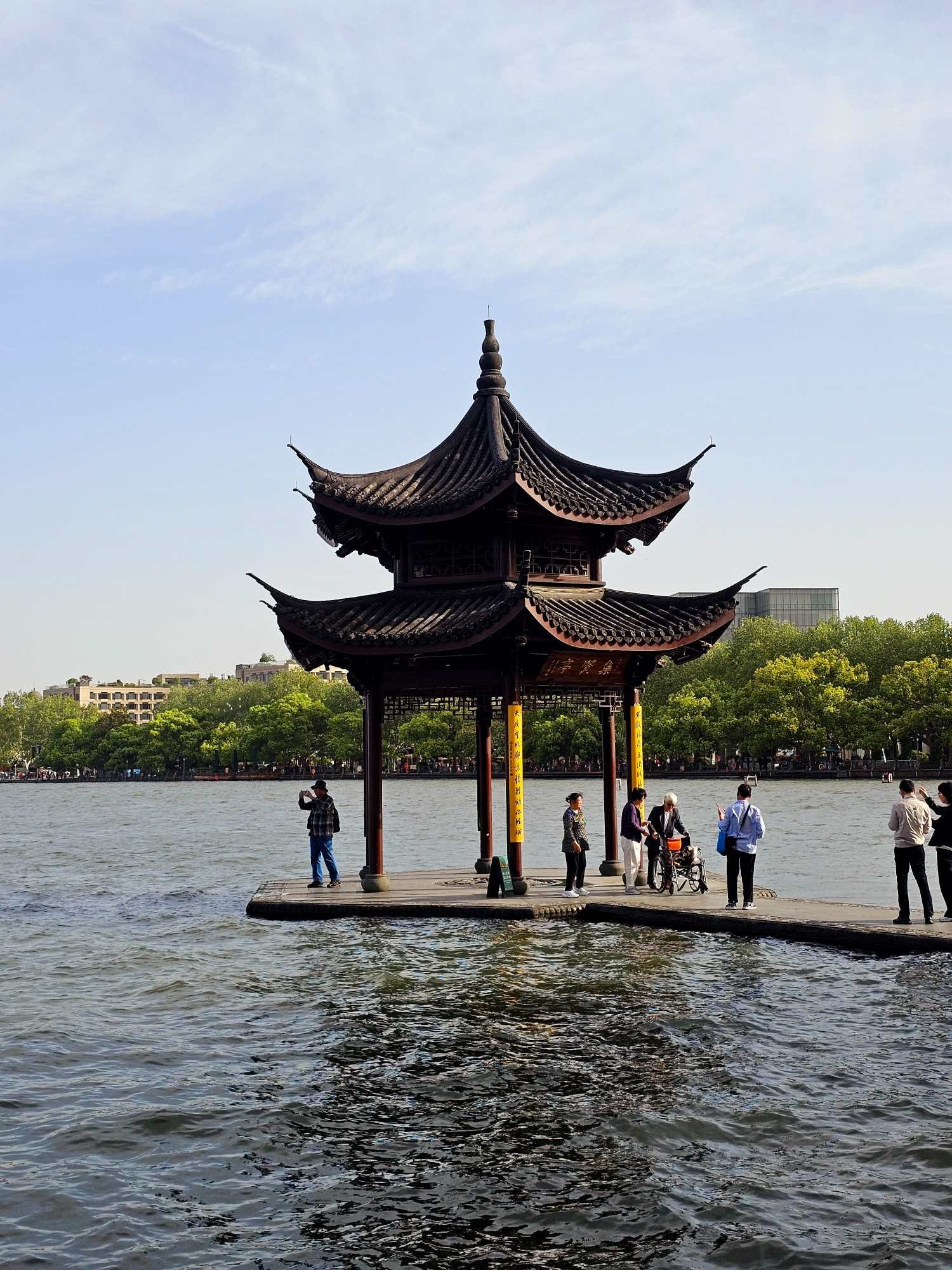

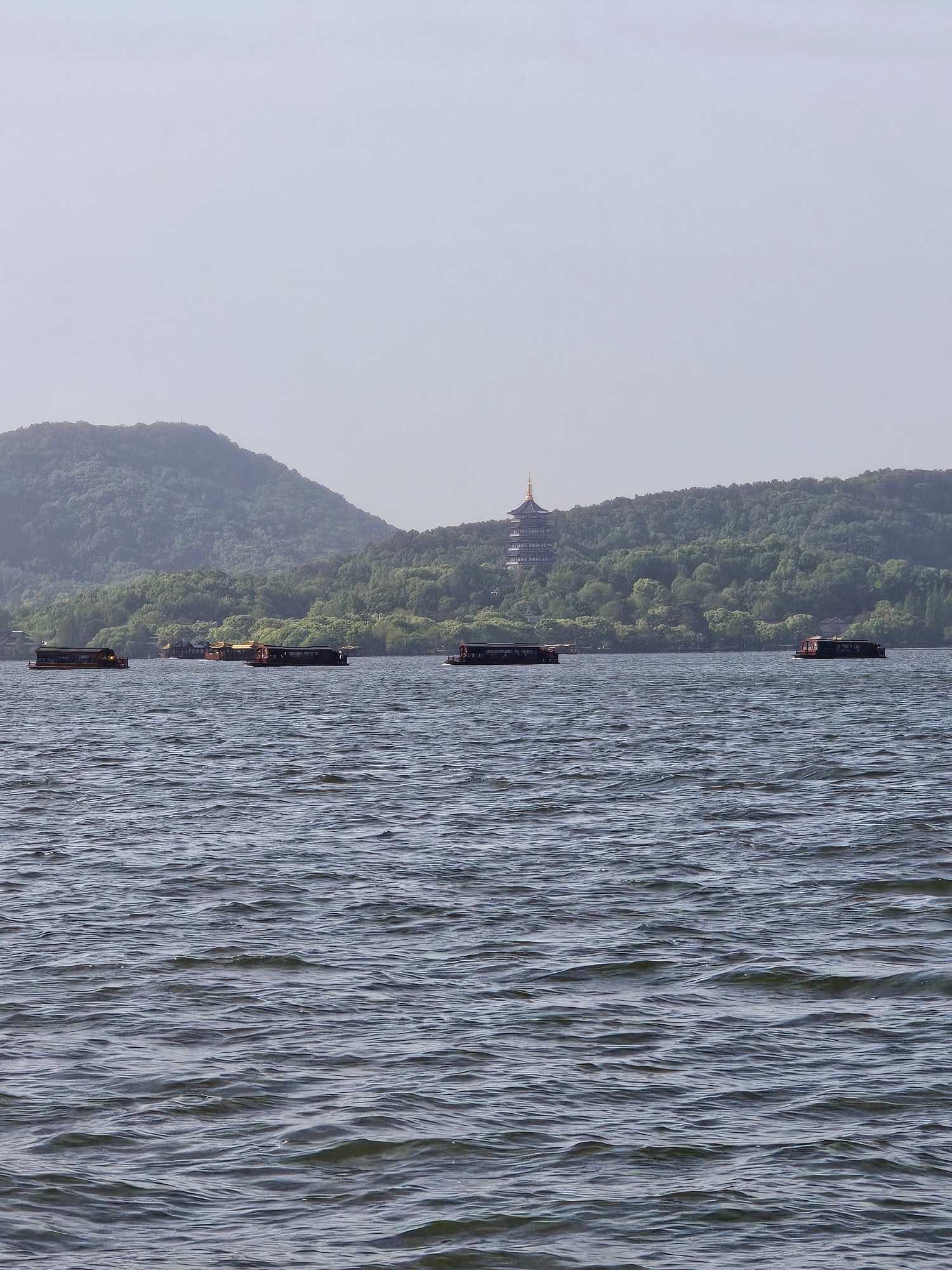
My original plan was to cover all 20km around the lake on foot, but after making a two-hour detour to Lingyin Temple complex, I changed my mind and took a bike for the last quarter of the distance.
Prvotno sam planirao pješice prijeći svih 20 km oko jezera, ali nakon dvosatnog skretanja do kompleksa hrama Lingyin predomislio sam se i zadnju četvrtinu puta odvezao biciklom.
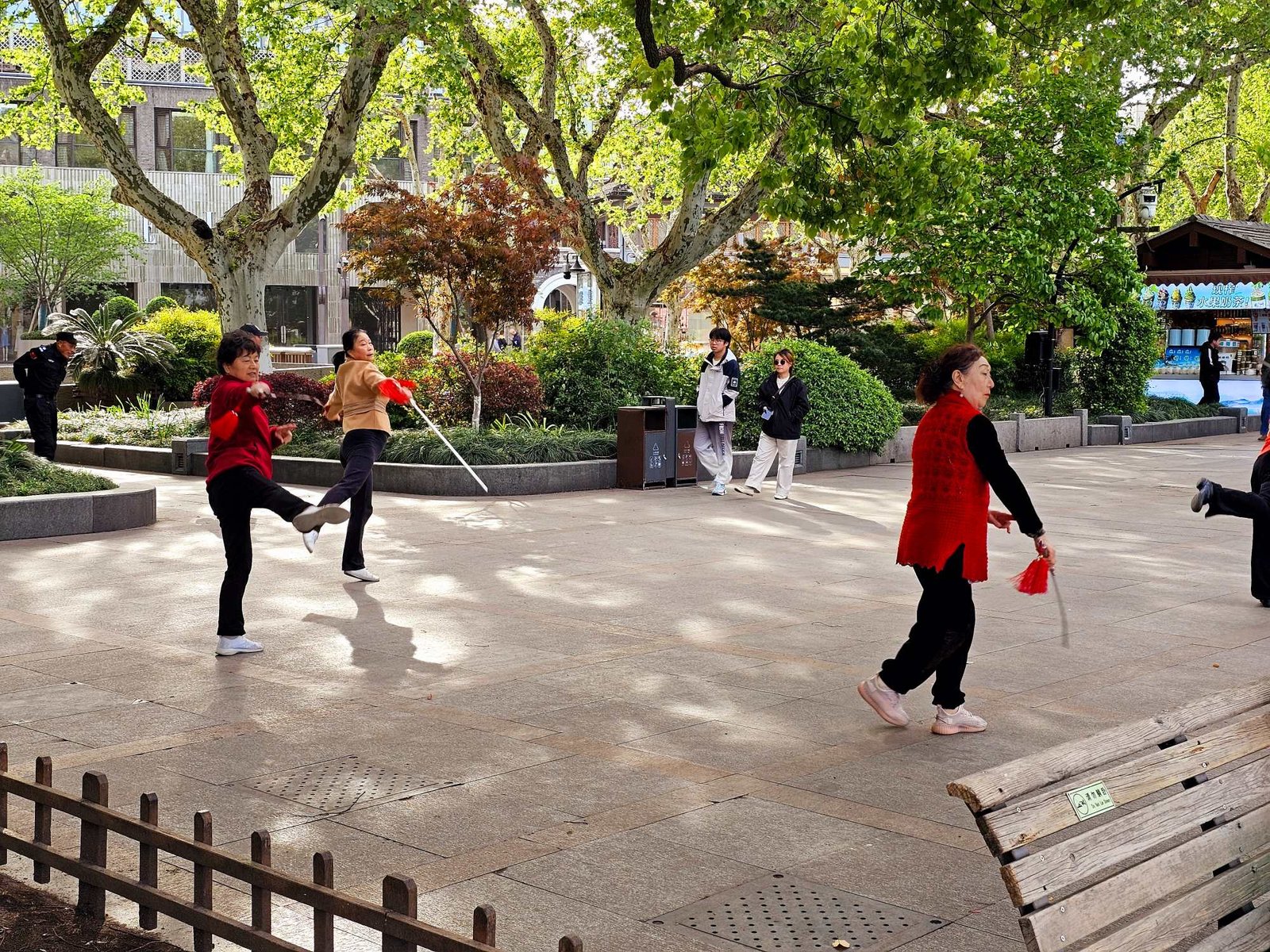
After finally getting to see XXX temple, I realized it was a good decision to postpone my visit to the temple yesterday. I have underestimated how big the temple complex is – it contains many other temples and pathways with old Buddhist stone carvings and statues. The name of the temple means Temple of the Soul’s Retreat. Its origins are from the 4th century AD and the temple is a part of Chan Buddhism. Chan Buddhism is an indigenous, Chinese version of Buddhism. I am not in any way an expert in Buddhism, but I managed to find Chan Buddhism is very close to Japanese Zen Buddhism.
Kad sam napokon vidio hram XXX, shvatio sam da je bila dobra odluka što sam jučer odgodio posjet. Podcijenio sam koliko je kompleks hrama velik – u njemu su mnogi drugi hramovi i staze sa starim budističkim kamenim reljefima i kipovima. Ime hrama znači Hram utočišta duše. Potječe iz 4. stoljeća i pripada chan budizmu. Chan budizam je domaća, kineska inačica budizma. Nisam nikakav stručnjak za budizam, ali uspio sam saznati da je chan budizam vrlo blizak japanskom zen budizmu.
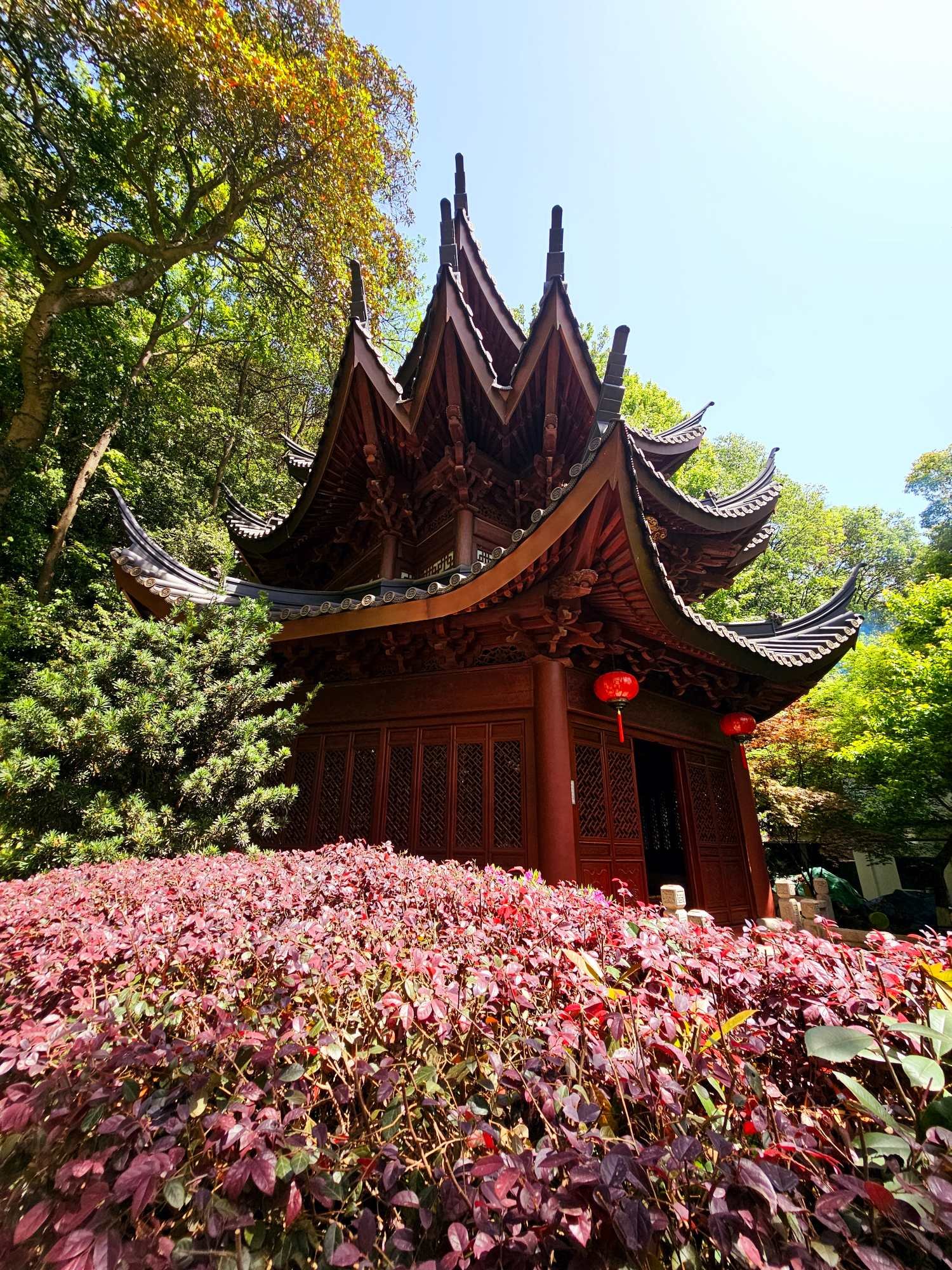
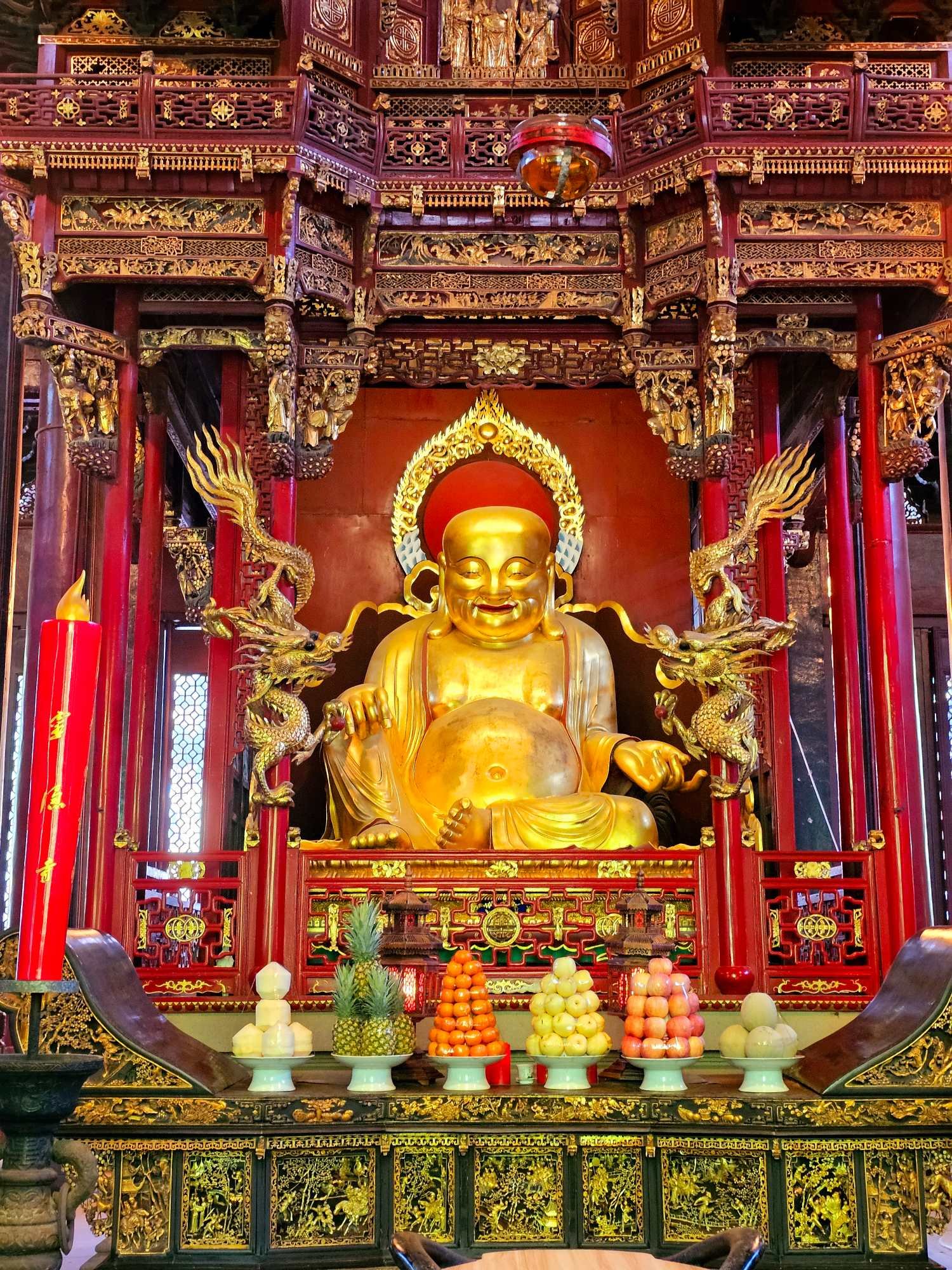

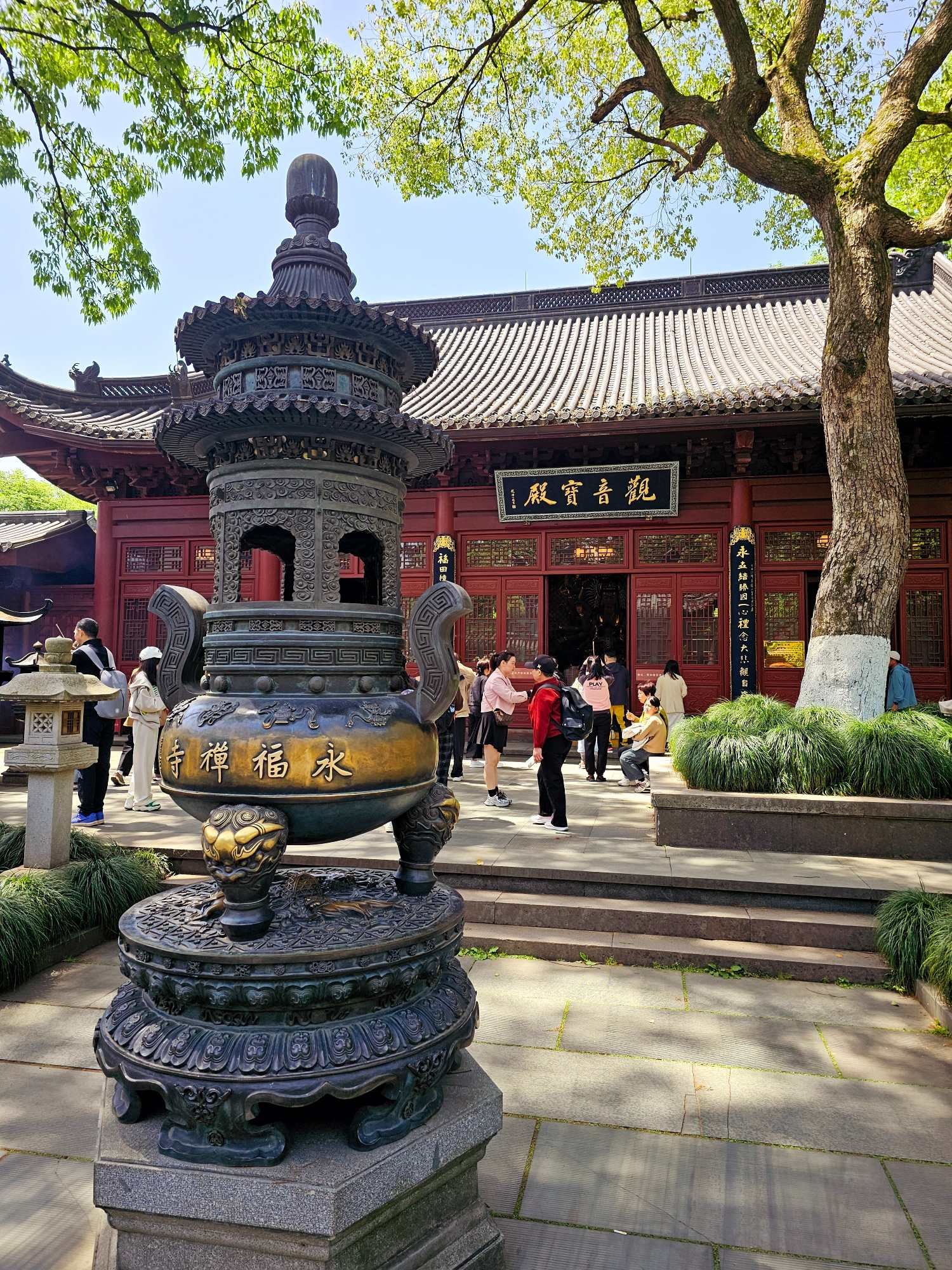
The temples in the complex are very beautiful and sufficiently different from Confucian temples that I am used to – they are yellow and brown. No red, green or blue colors that dominated Confucian temples I have visited before. The only problem is the temples were picture shy – they are either surrounded by trees of are built close together so it is very difficult to get a nice clear photo of them. The most important temple has proven the least photo-friendly.
Hramovi u kompleksu vrlo su lijepi i dovoljno drukčiji od konfucijanskih hramova na koje sam navikao – žuti su i smeđi. Nema crvene, zelene ni plave boje, koje su prevladavale u konfucijanskim hramovima koje sam dosad posjetio. Jedini je problem što se hramovi ne daju fotografirati – ili su okruženi drvećem ili su sagrađeni tik jedan do drugoga, pa ih je vrlo teško lijepo i čisto uslikati. Najvažniji hram pokazao se najtežim za fotografiranje.
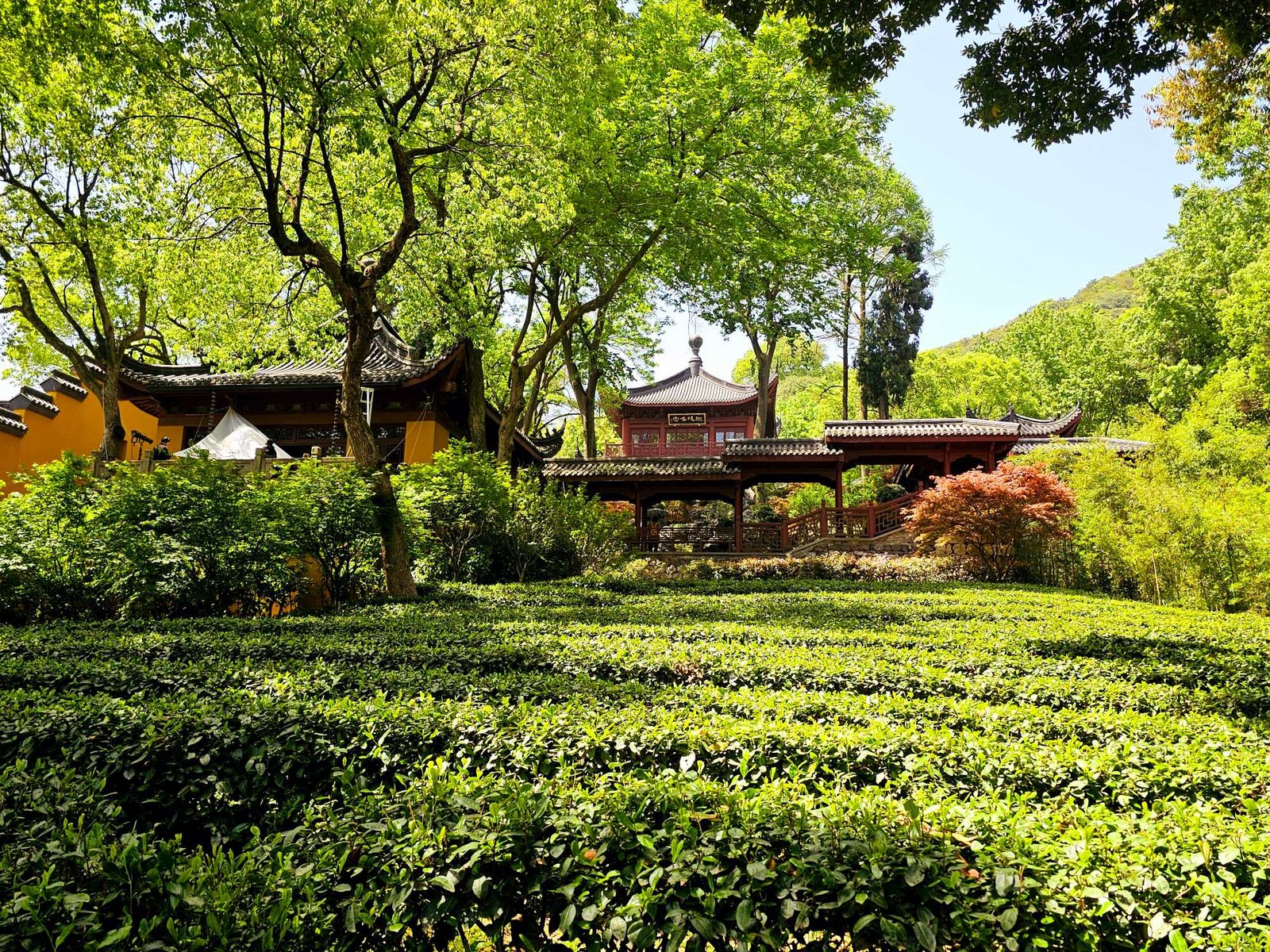

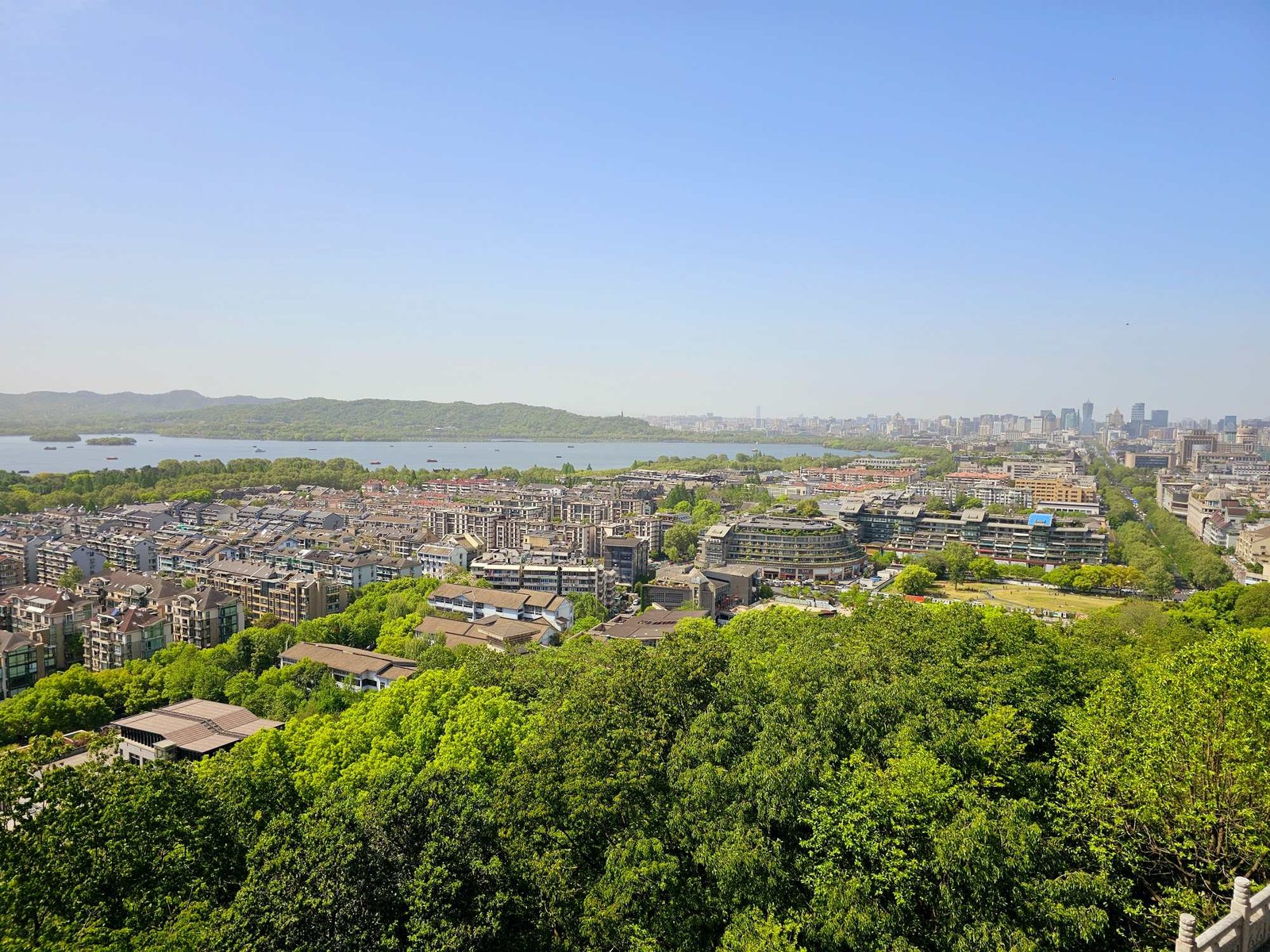
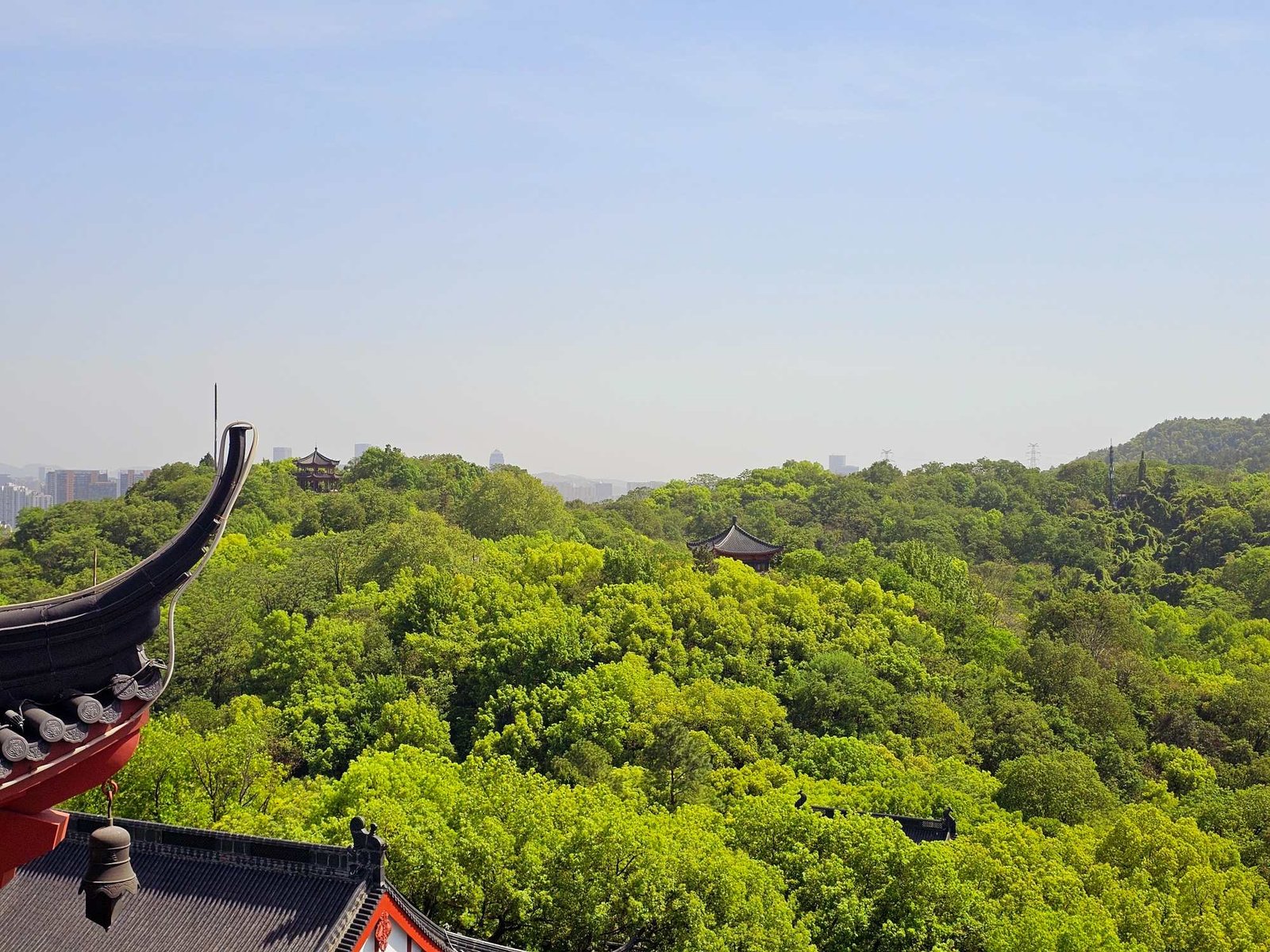
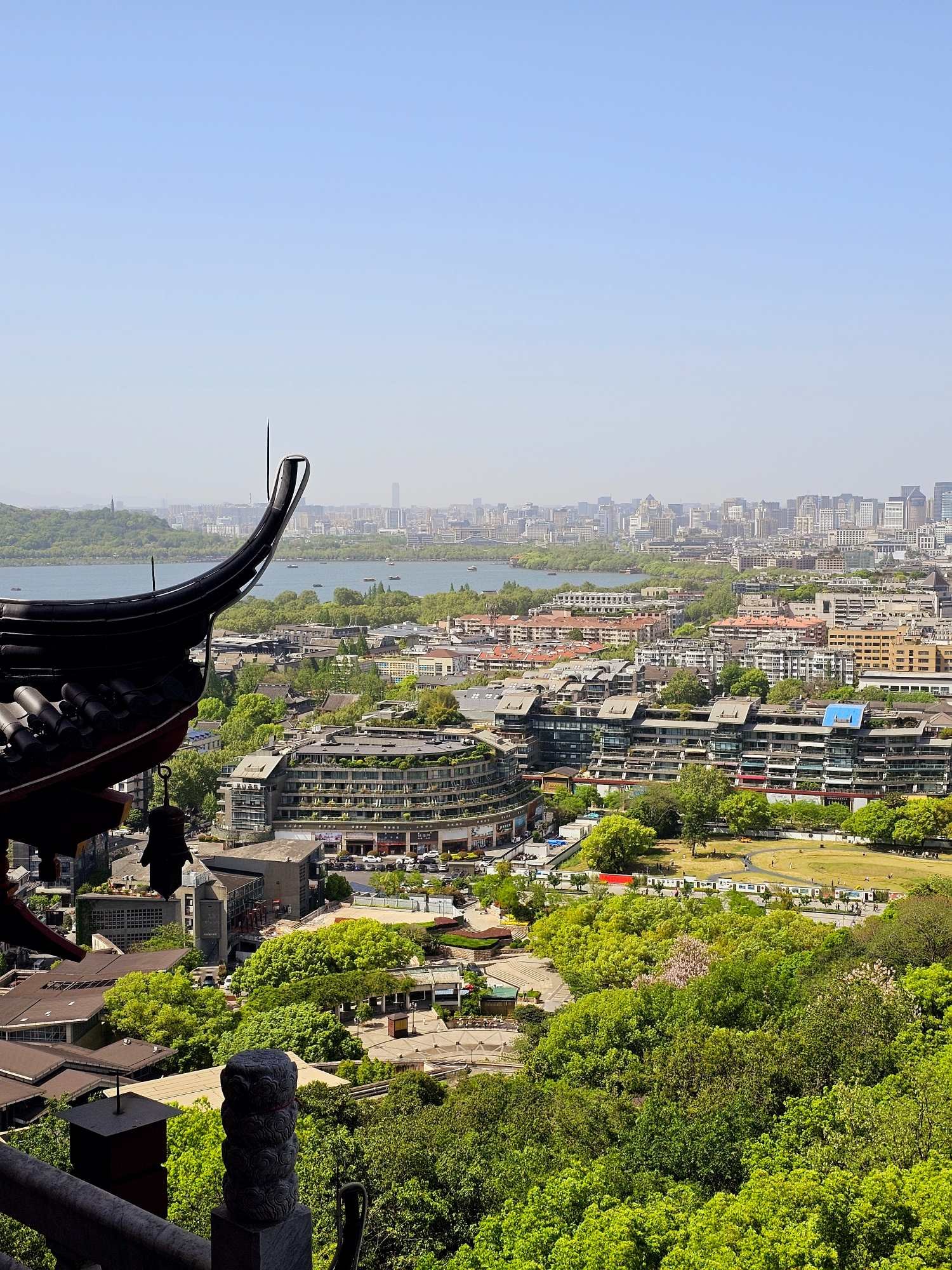
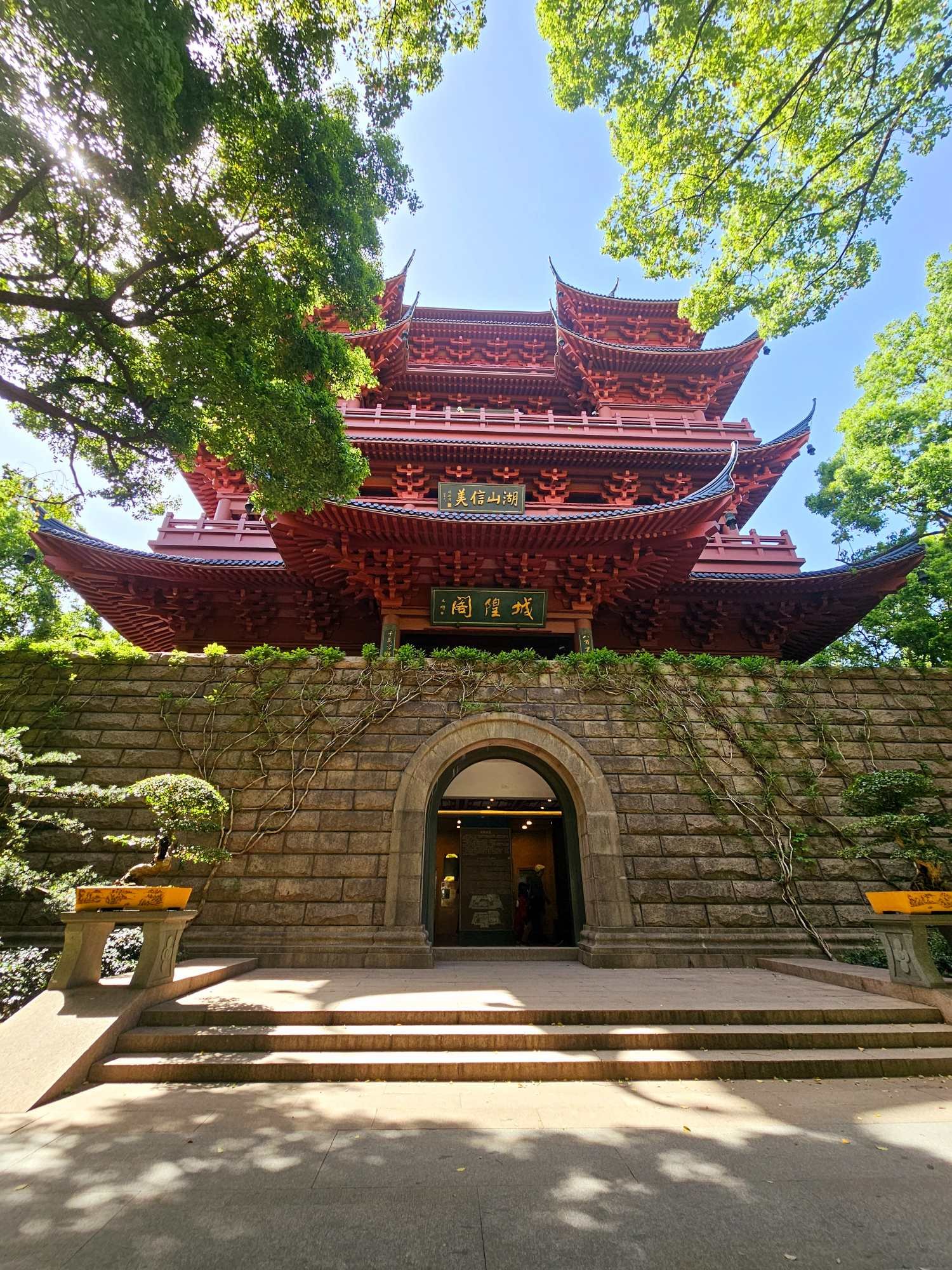
On the way back I stopped at the Leifeng Pagoda, which has the best views of the city. It is built on the hill where the imperial palace was built during the time of the Southern Song Dynasty, when Hangzhou was the capital of China. There is not much left from this imperial palace and the hill-top complex contains a number of temples but people go there primarily for the views. Leifeng Pagoda is a tower where you can climb to have amazing views of the city and the Western Lake.
Na povratku sam stao kod pagode Leifeng, s koje se pruža najbolji pogled na grad. Sagrađena je na brdu na kojem je stajala carska palača u doba dinastije Južni Song, kad je Hangzhou bio glavni grad Kine. Od te carske palače nije ostalo mnogo, a u kompleksu na vrhu brda nalazi se nekoliko hramova, no ljudi tamo idu prije svega zbog pogleda. Pagoda Leifeng je toranj na koji se možete popeti i uživati u sjajnom pogledu na grad i Zapadno jezero.
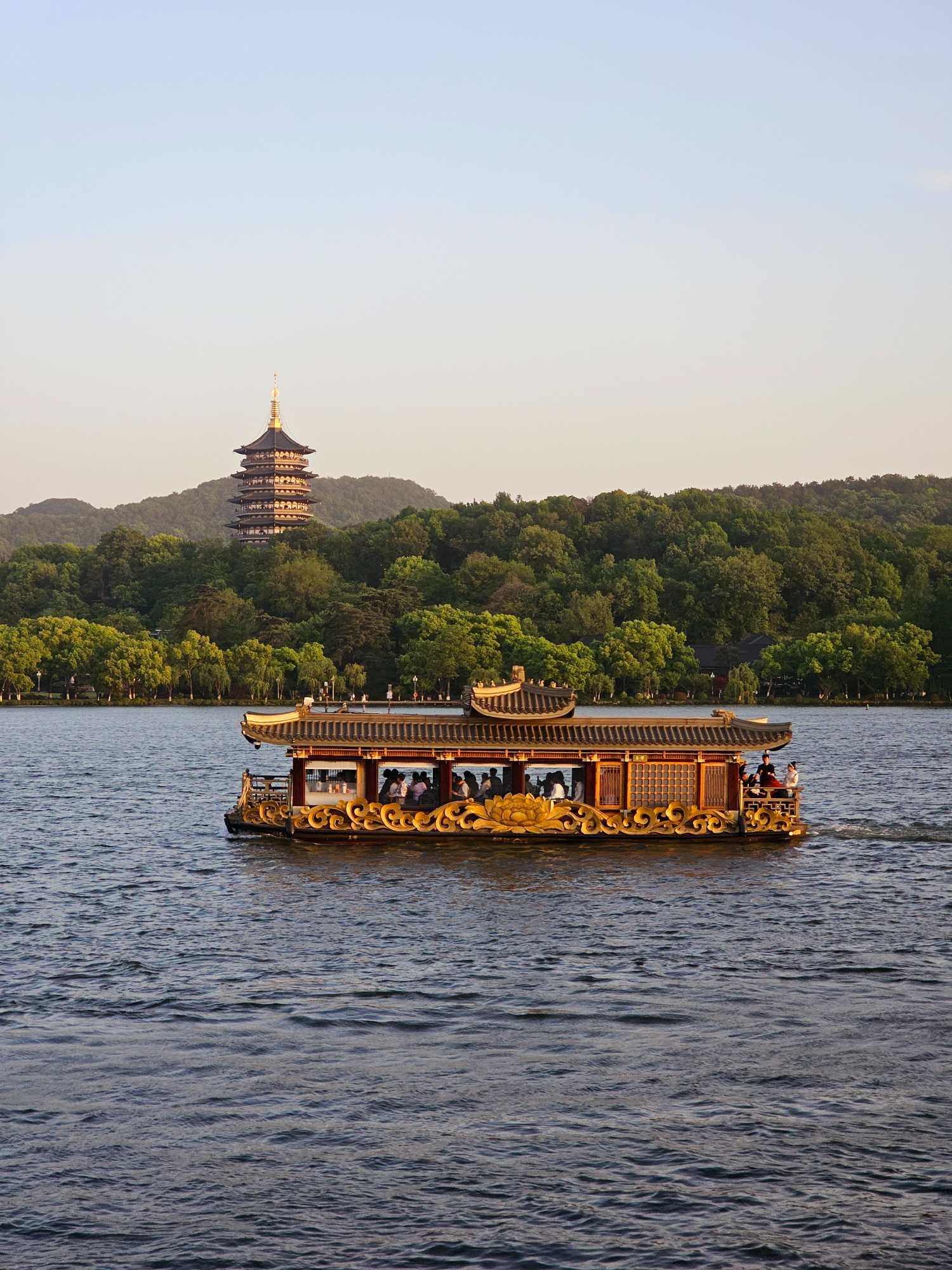
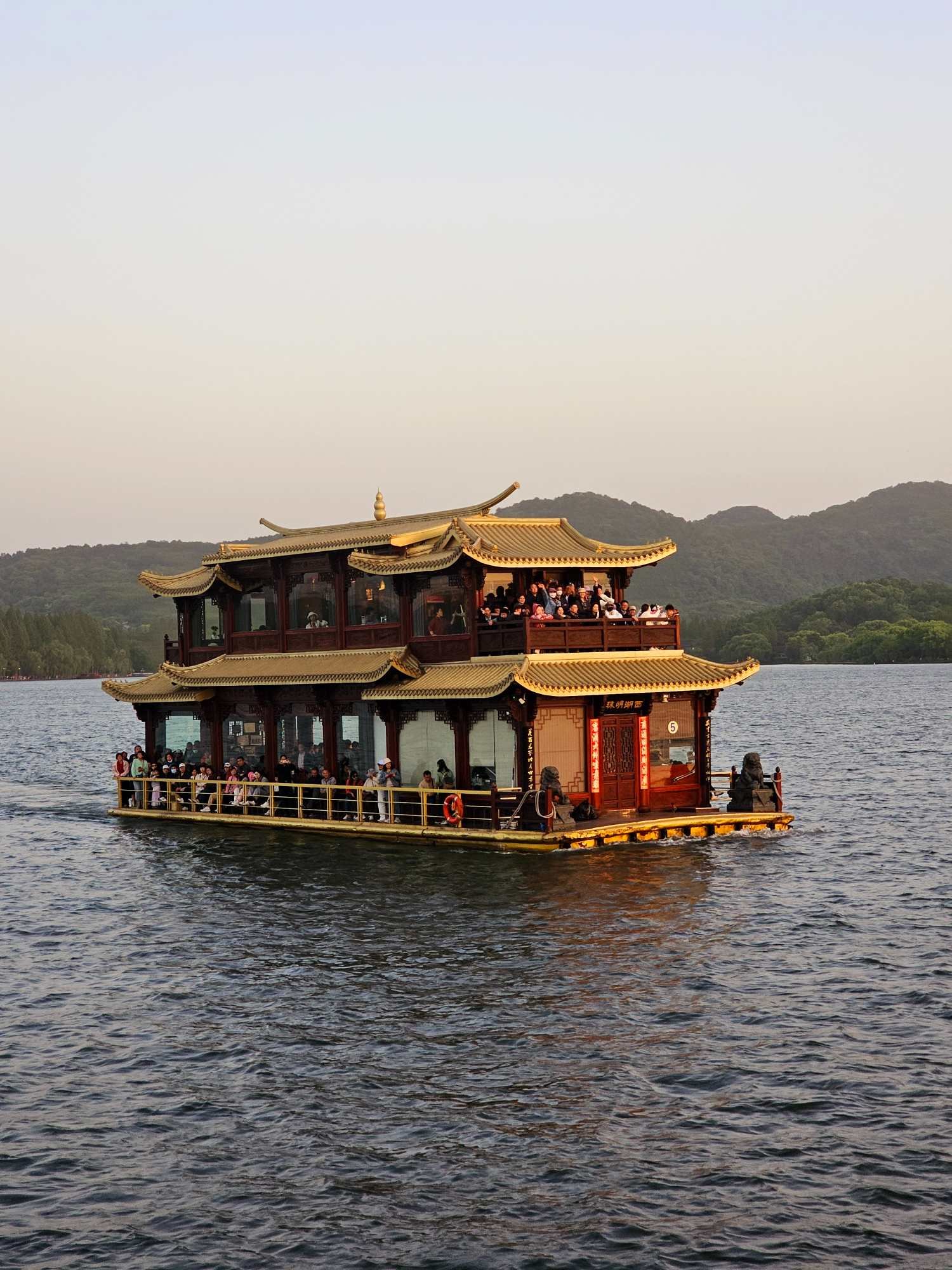
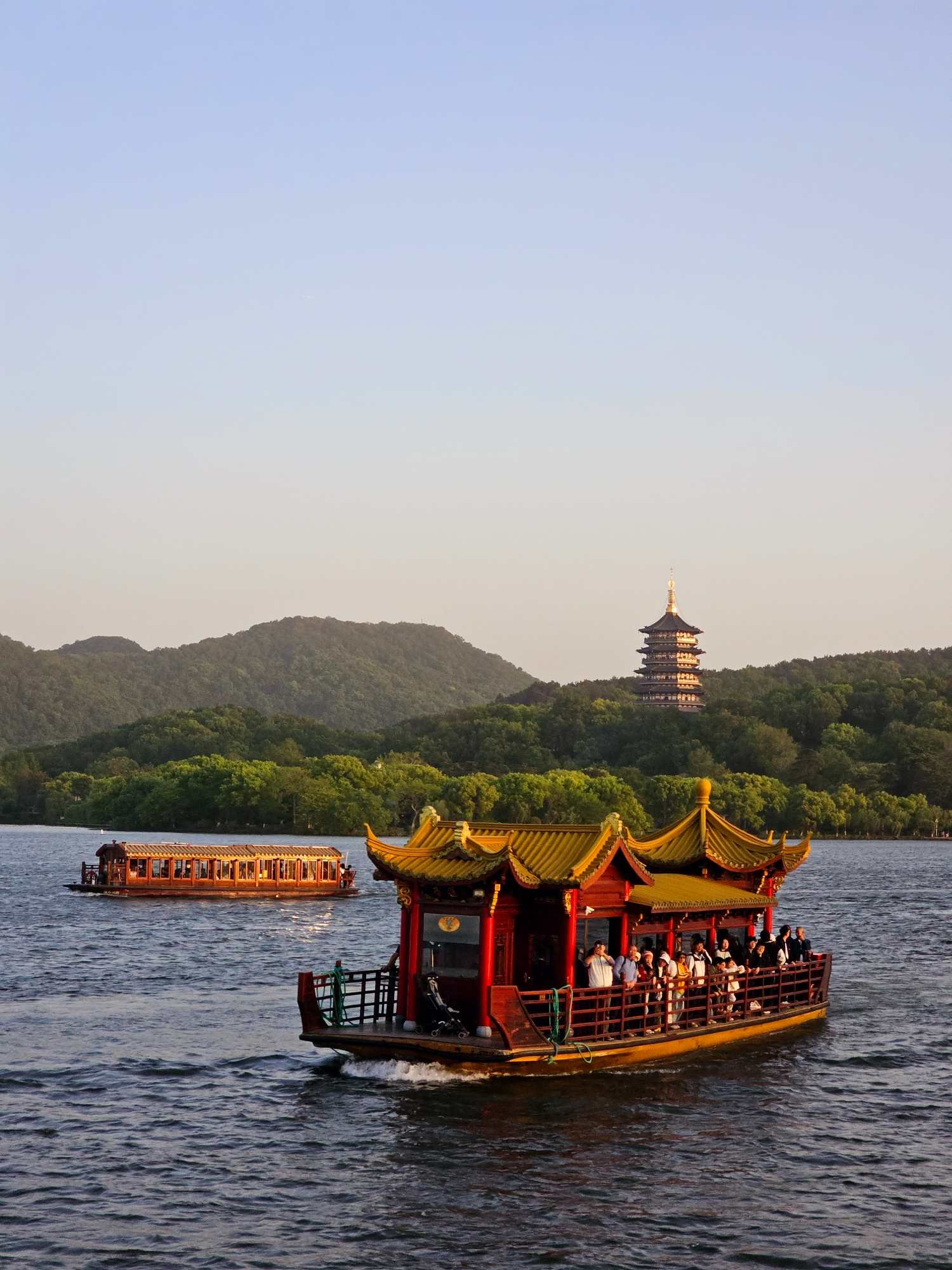
I got back to my hostel, where I had lunch in the restaurant next door and went for a short afternoon nap, before the two boat tours. First, I took a boat tour around the Western Lake. You can just walk along the coast of the lake until you find the boat you like. Boats come in all shapes and sizes but I would advise you to book the one with open deck. Some boats have closed decks, which means you are looking at the lake and the surroundings through glass windows. That is not a photo-friendly environment.
Vratio sam se u hostel, ručao u restoranu odmah do njega i nakratko odspavao poslijepodne, prije dviju vožnji brodom. Prvo sam otišao na vožnju brodom po Zapadnom jezeru. Možete jednostavno hodati uz obalu jezera dok ne nađete brod koji vam se sviđa. Brodova ima svih oblika i veličina, ali savjetujem vam da uzmete onaj s otvorenom palubom. Neki brodovi imaju zatvorene palube, što znači da jezero i okolicu gledate kroz staklene prozore. To nije dobro za fotografiranje.
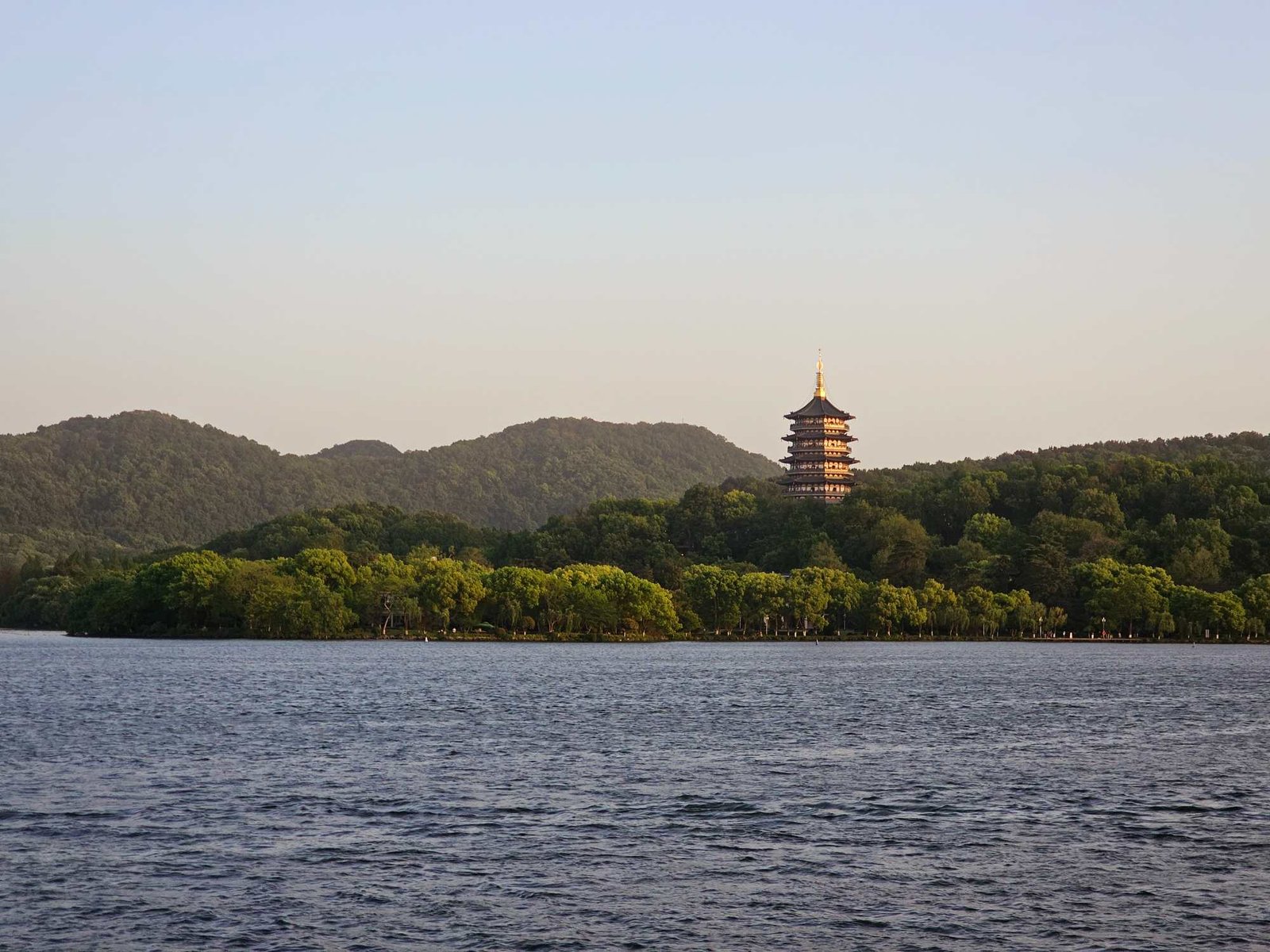
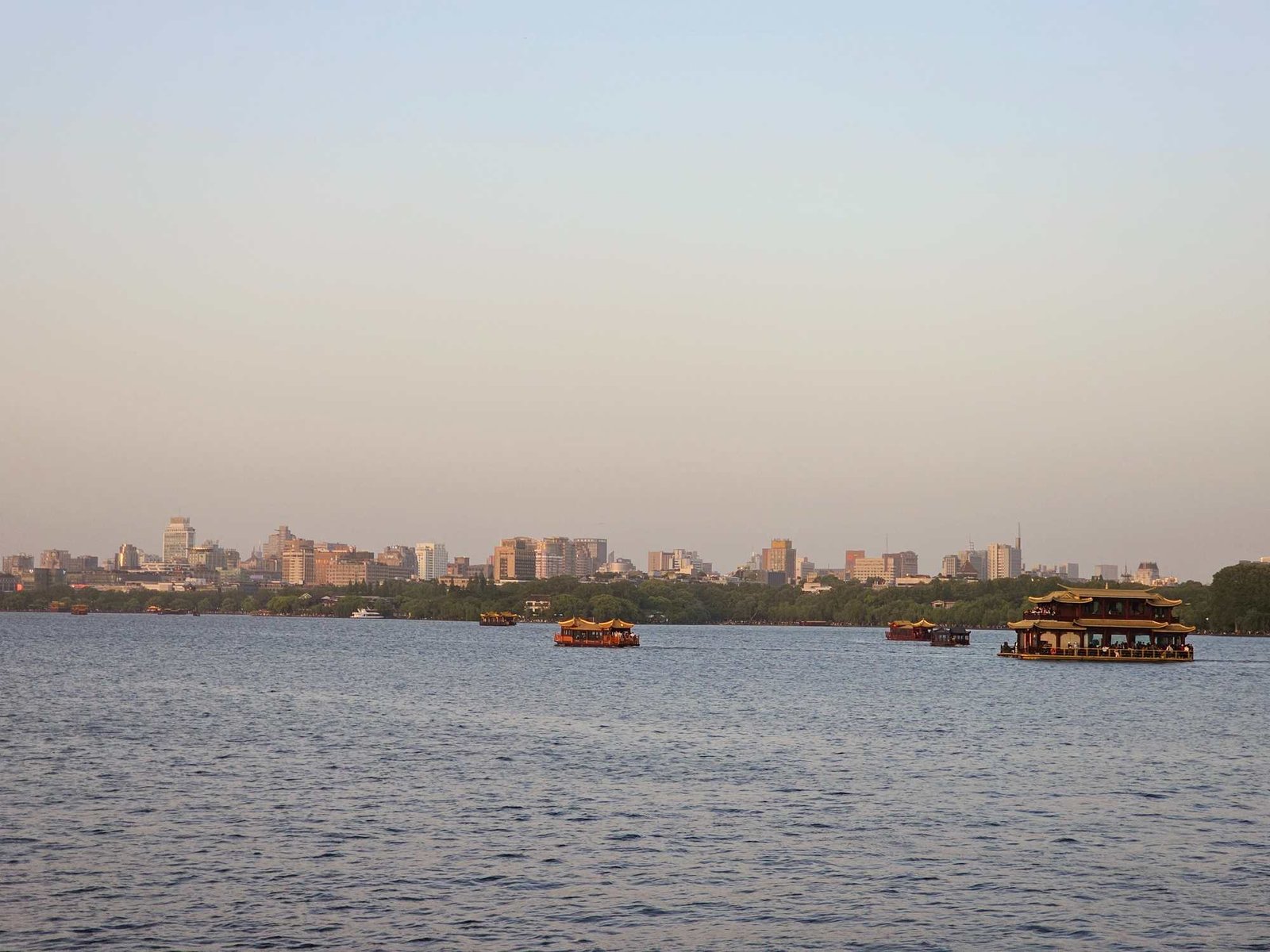
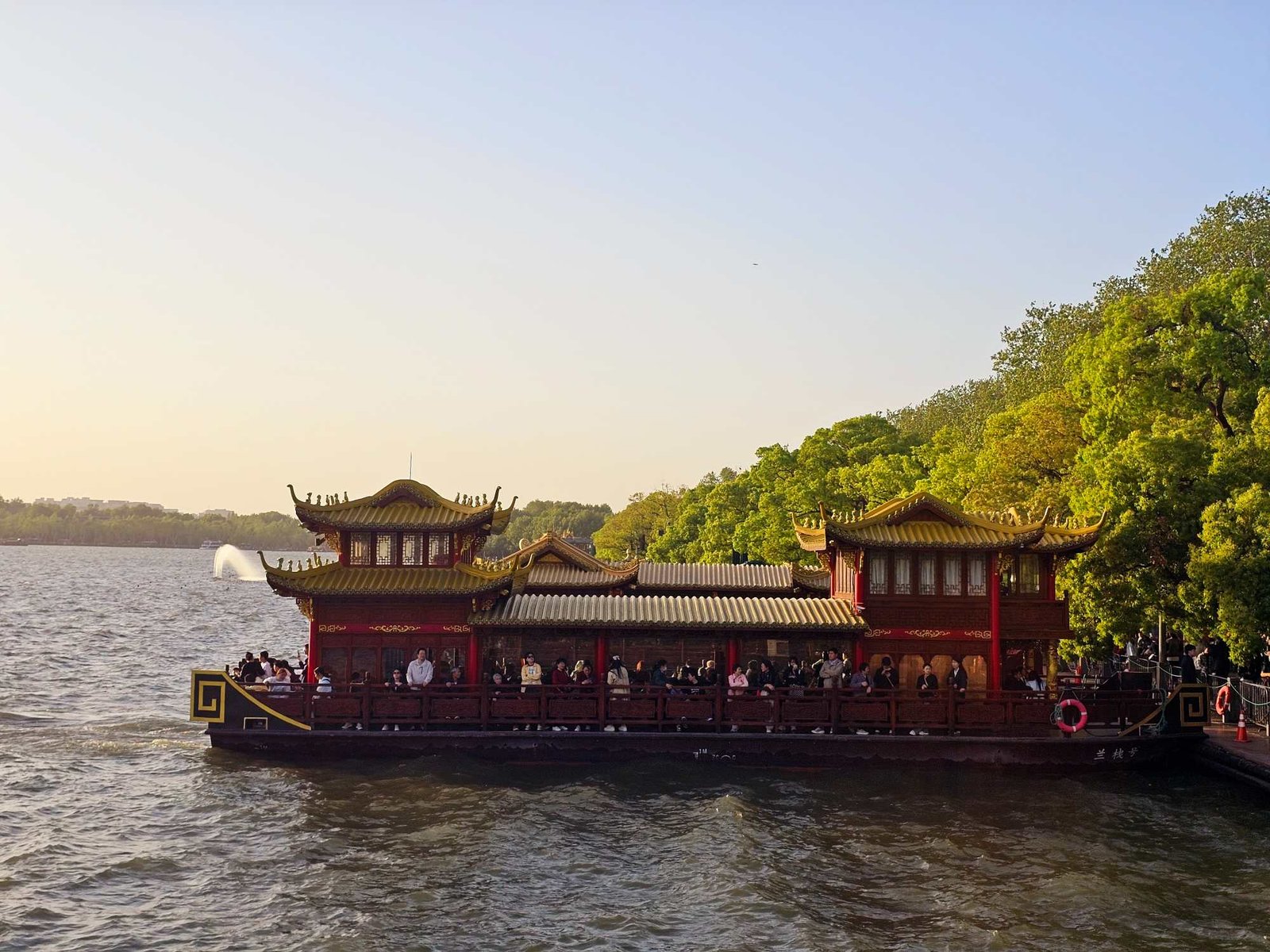
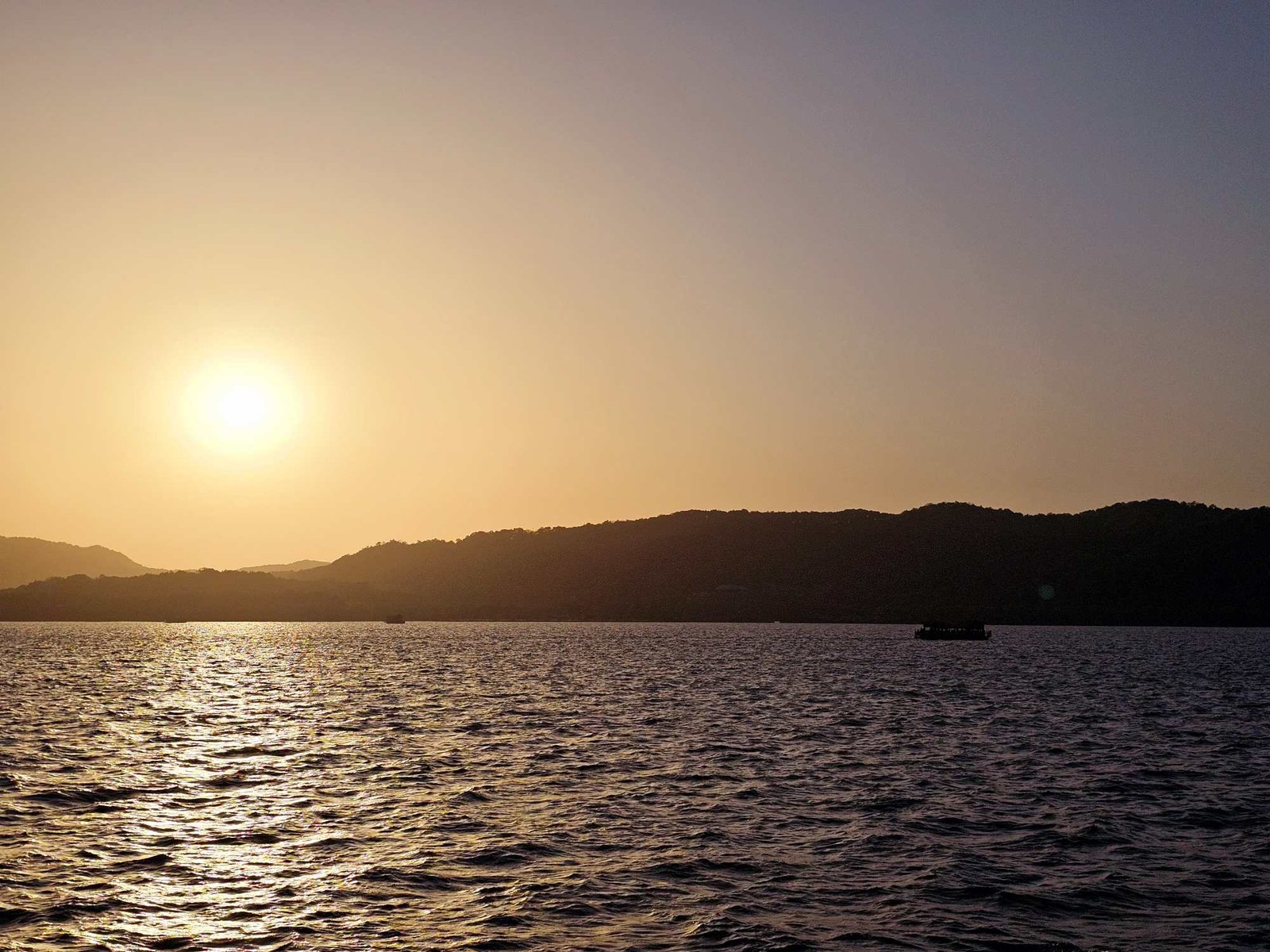
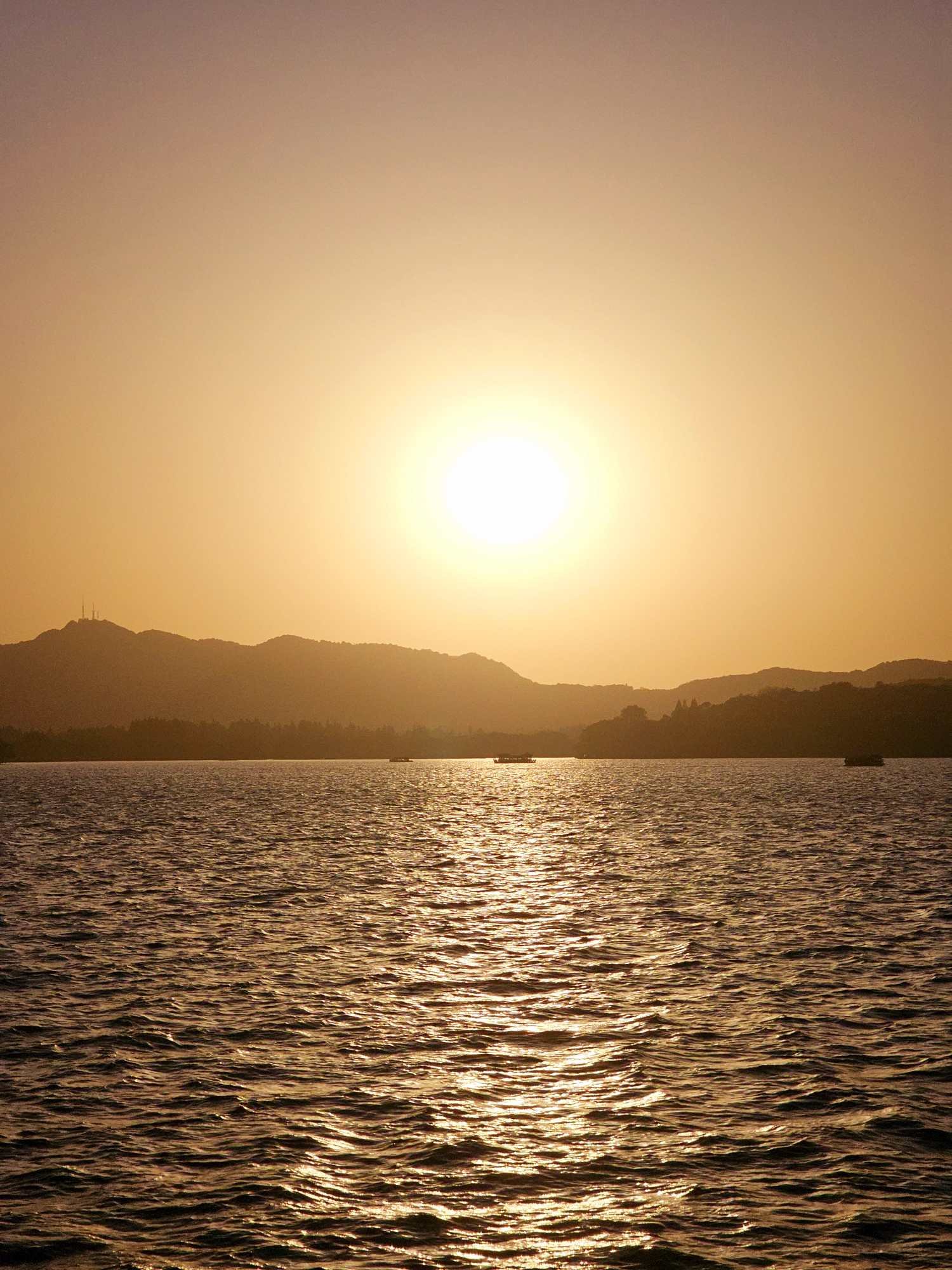
The tour lasted around 40 minutes and I would advise you to take the tour during sunset. It becomes magical.
Vožnja je trajala oko 40 minuta i savjetujem vam da na nju odete u zalazak sunca. Tada postane čarobno.
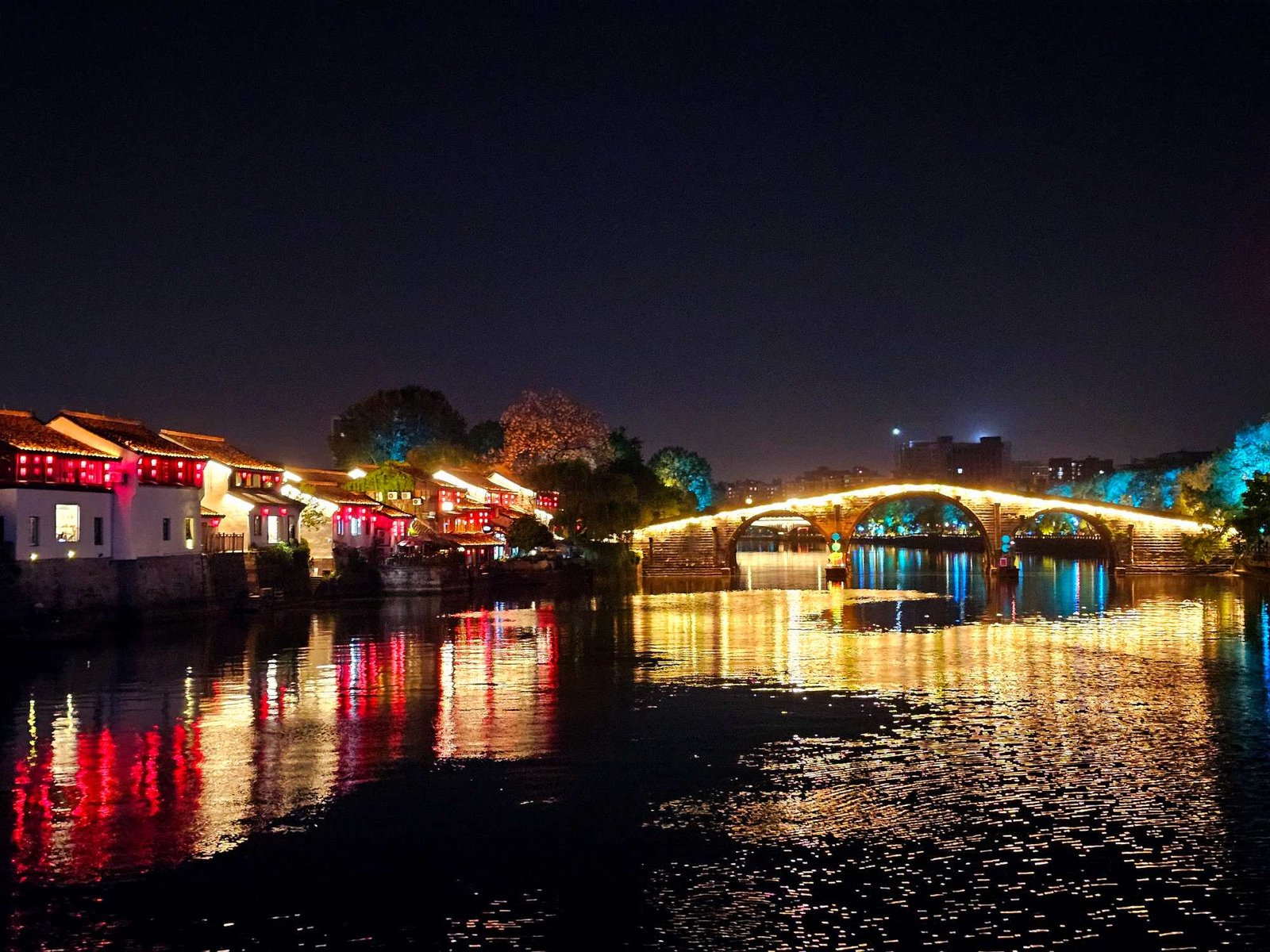
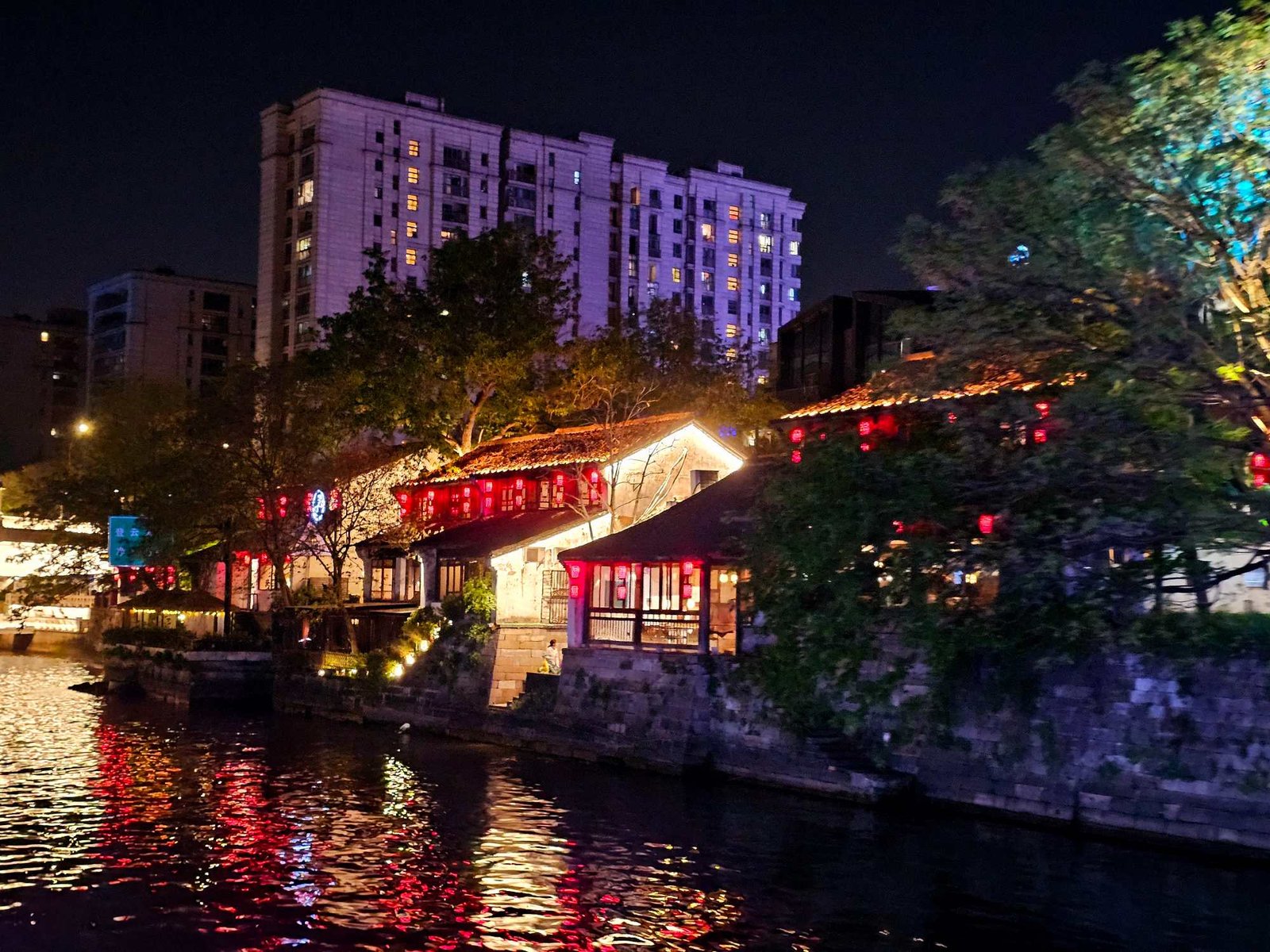
After the Xi Lake boat trip, I took a bike to the famous Grand Canal, for my night tour. Hangzhou is the beginning of the famous Grand Canal. The cradle of Chinese civilization is north of the Yellow River. However, throughout centuries the center of food production moved further and further south, around Yangze River. This meant that capitals, which were mostly north of the Yellow River, above all Beijing, had to rely on food supplies delivered from the South. The Grand Canal was built to connect Yangzee River basin with Yellow River and northern capitals. Grand Canal is 1800 km long, though not all of it is strictly canal – it encompasses rivers and lakes. Nevertheless, it is the longest man-built waterway in the world.
Nakon vožnje brodom po jezeru Xi biciklom sam otišao do slavnog Velikog kanala, na noćnu vožnju. U Hangzhouu počinje slavni Veliki kanal. Kolijevka kineske civilizacije nalazi se sjeverno od Žute rijeke. No tijekom stoljeća središte proizvodnje hrane selilo se sve dalje na jug, oko rijeke Jangce. To je značilo da su prijestolnice, koje su uglavnom bile sjeverno od Žute rijeke, prije svega Peking, ovisile o opskrbi hranom s juga. Veliki kanal sagrađen je kako bi povezao porječje Jangcea sa Žutom rijekom i sjevernim prijestolnicama. Veliki kanal dug je 1800 km, iako nije sve to kanal u strogom smislu – uključuje i rijeke i jezera. Ipak, to je najduži plovni put na svijetu koji je sagradio čovjek.
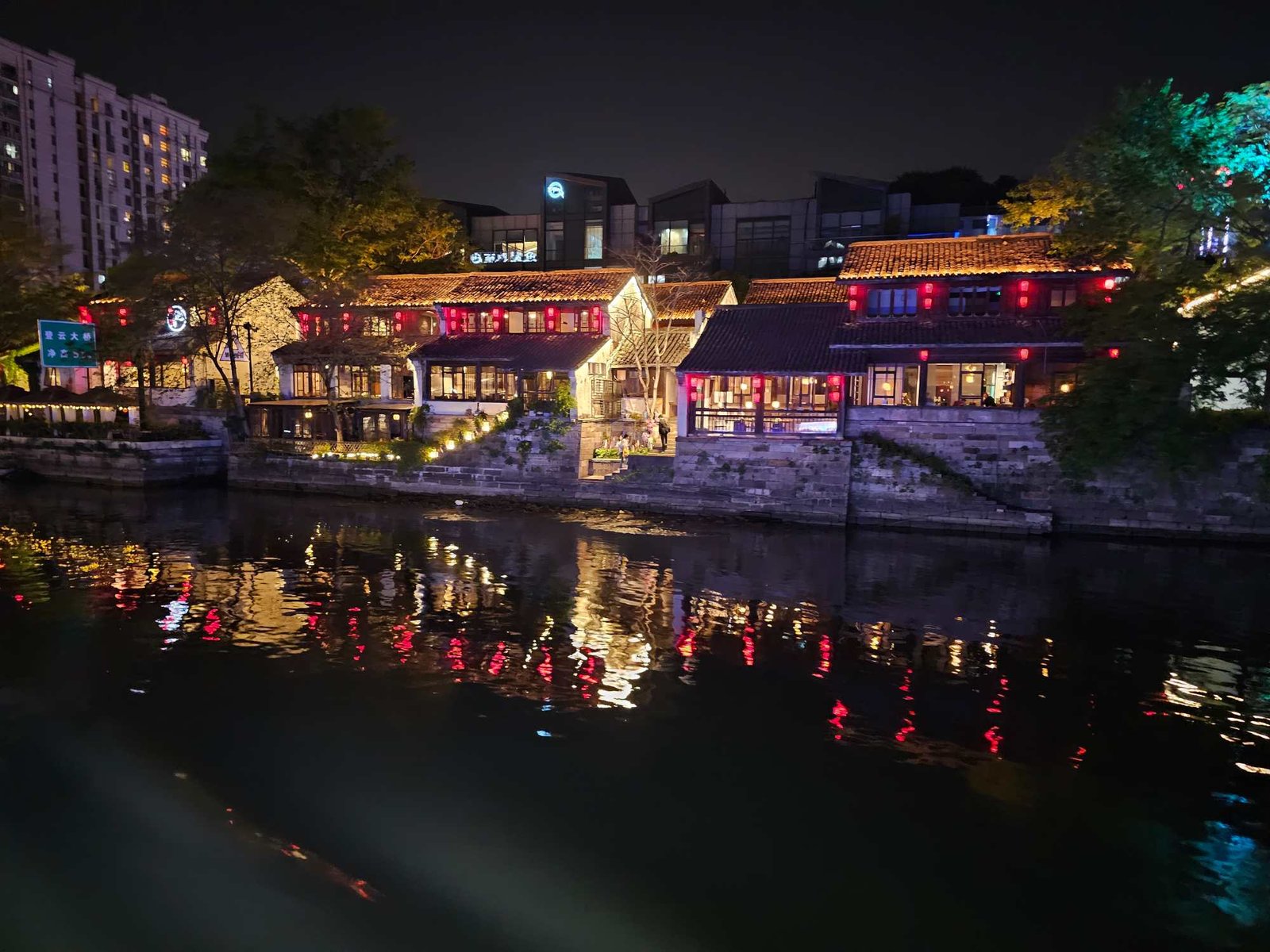
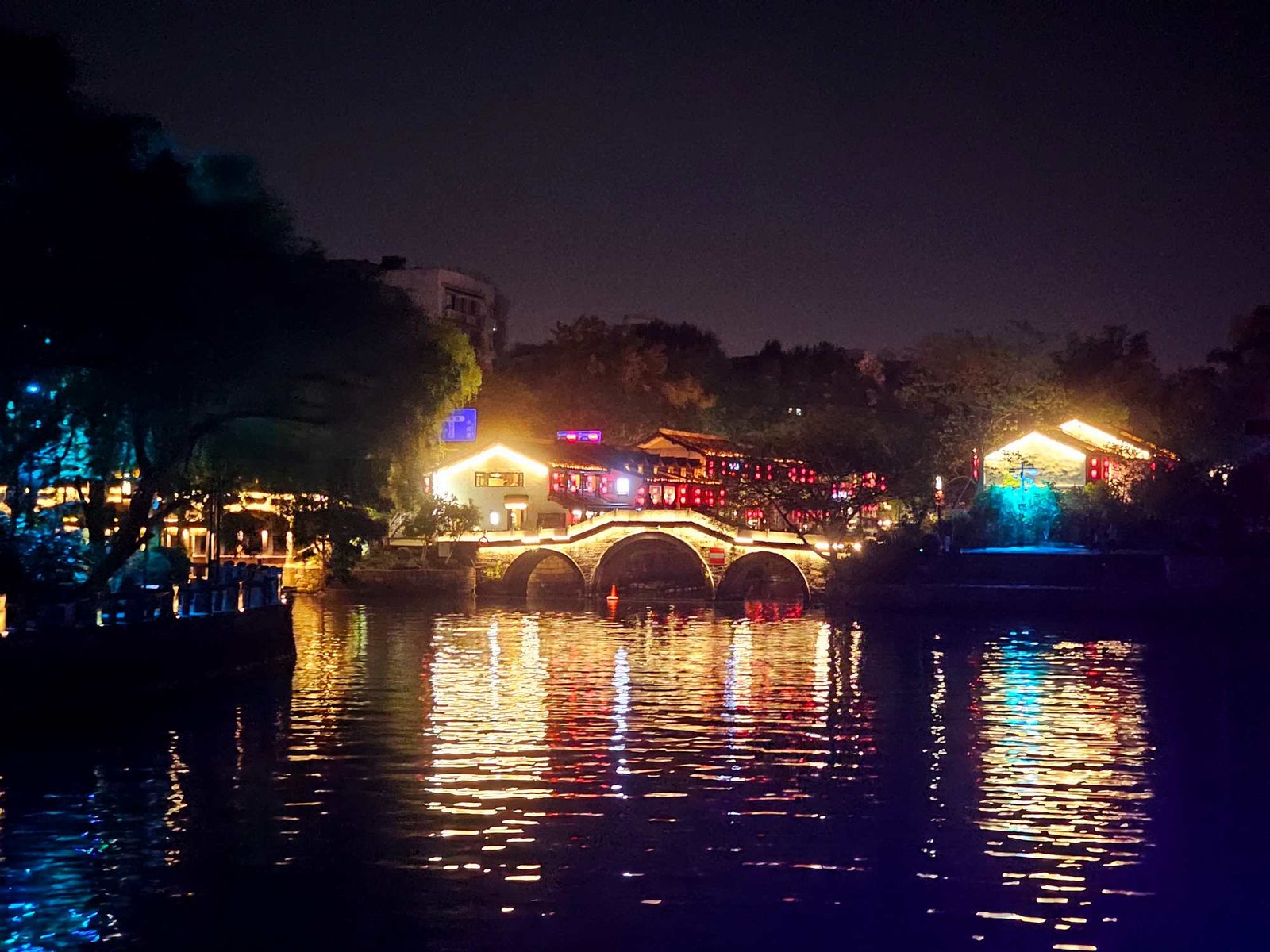
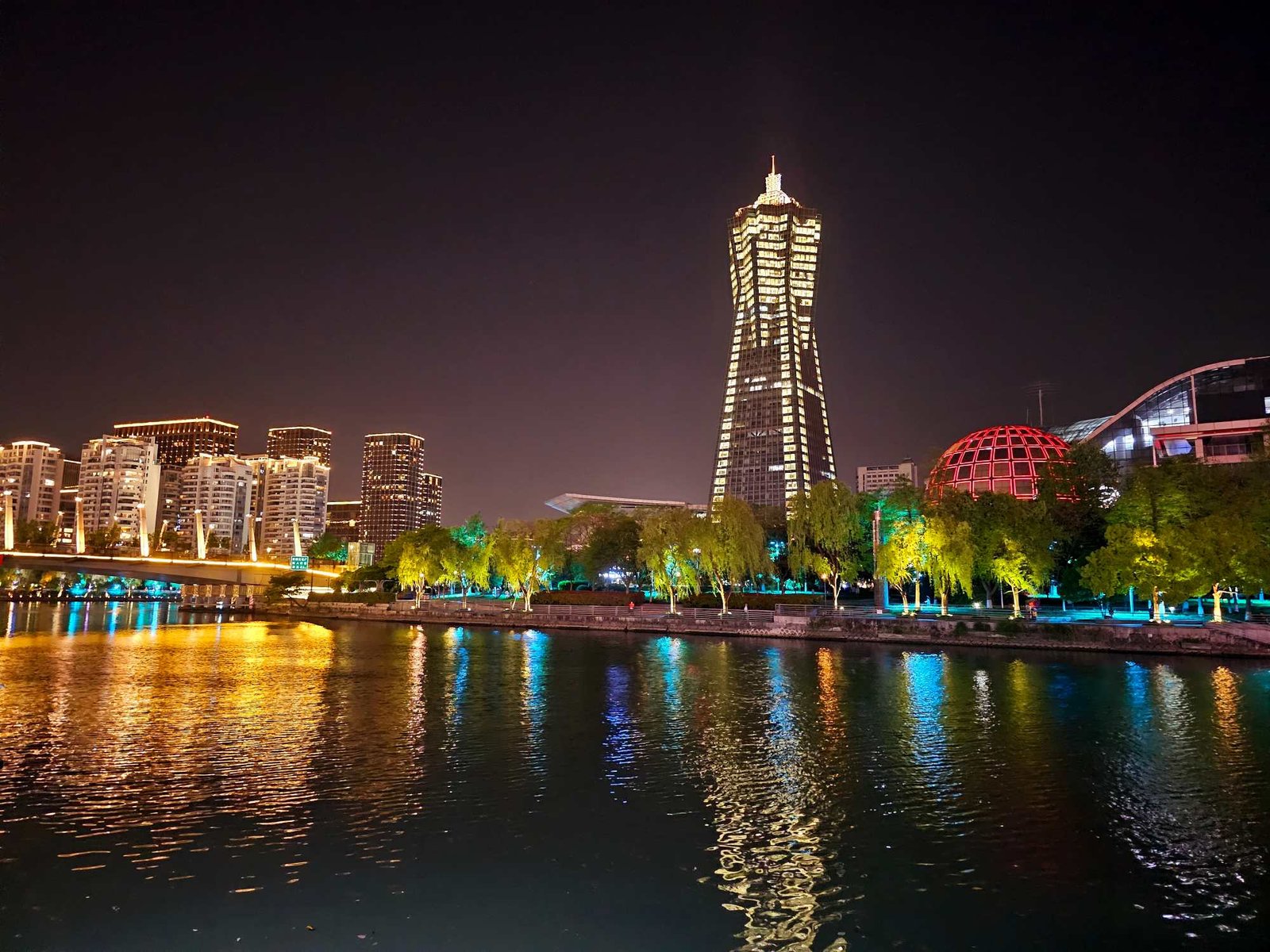
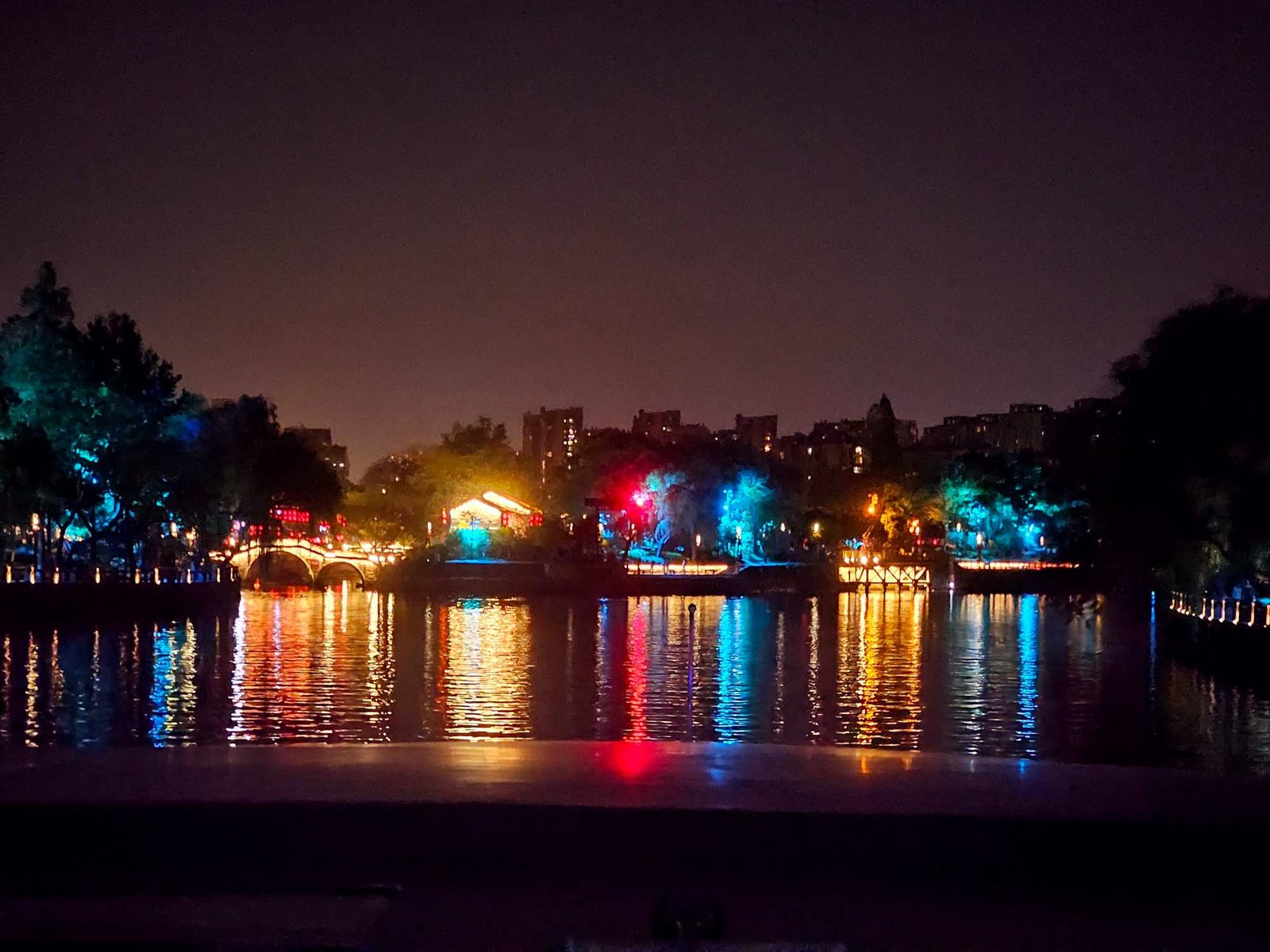
The tour started on the wrong foot as we were all forced inside the boat. Even though the boat has open deck rooftop, we were mandated to go inside and watch the city through glass windows. To make the matters worse, these glass windows were covered with big company signs and logos. That is crap, I thought to myself. Luckily, they let us outside after 15 minutes. The tour is one hour in total – 30 minutes one-way and back the same way. Hangzhou really is a beautiful modern city.
Vožnja je počela loše jer su nas sve natjerali u unutrašnjost broda. Iako brod na krovu ima otvorenu palubu, morali smo ući unutra i grad gledati kroz staklene prozore. Da stvar bude gora, ti su prozori bili prekriveni velikim natpisima i logotipima tvrtki. Koje sranje, pomislio sam. Srećom, nakon 15 minuta pustili su nas van. Vožnja traje ukupno sat vremena – 30 minuta u jednom smjeru i natrag istim putem. Hangzhou je stvarno lijep moderan grad.
The next day was reserved for a day trip to Sanqingshan. My hiker friend, who has lived in China for over ten years has described Sanqingshan as the most beautiful mountain in China. Naturally, I had to see it. The best way to see Sanqingshan is to spend the night in Yushan and then get the first bus to Sanqingshan 60-90 minutes away. Sanqingshan is a steep climb and then close to the top it turns into a circular trek. Travel blogs say you need 6-7 hours to see it. As I was on a tight schedule, I have chosen a shorter version. Instead of spending the night in Yushan, I took the first train from Hangzhou to Yushan and was there around 9. Taking local buses would take too long so I just called a Didi for 100 yuan. The drive was over an hour so by the time I bought my ticket and was ready to start my hike, it was 10:30. So I did the unthinkable and took the cable car to the top. I felt like a complete cheat all the way up. The views were nice, nonetheless.
Idući dan bio je rezerviran za jednodnevni izlet na Sanqingshan. Moj prijatelj planinar, koji u Kini živi više od deset godina, opisao je Sanqingshan kao najljepšu planinu u Kini. Naravno da sam je morao vidjeti. Sanqingshan je najbolje obići tako da prespavate u Yushanu i onda uhvatite prvi autobus za Sanqingshan, udaljen 60 do 90 minuta. Uspon na Sanqingshan je strm, a blizu vrha prelazi u kružnu stazu. Putopisni blogovi kažu da za obilazak treba 6 do 7 sati. Budući da sam imao gust raspored, odabrao sam kraću verziju. Umjesto da prespavam u Yushanu, sjeo sam na prvi vlak iz Hangzhoua za Yushan i stigao oko 9. Lokalnim autobusima trajalo bi predugo, pa sam jednostavno pozvao Didi za 100 juana. Vožnja je trajala više od sat vremena, pa je, dok sam kupio kartu i bio spreman za uspon, već bilo 10:30. Zato sam učinio nezamislivo i na vrh otišao žičarom. Cijelim putem gore osjećao sam se kao pravi varalica. Pogled je svejedno bio lijep.
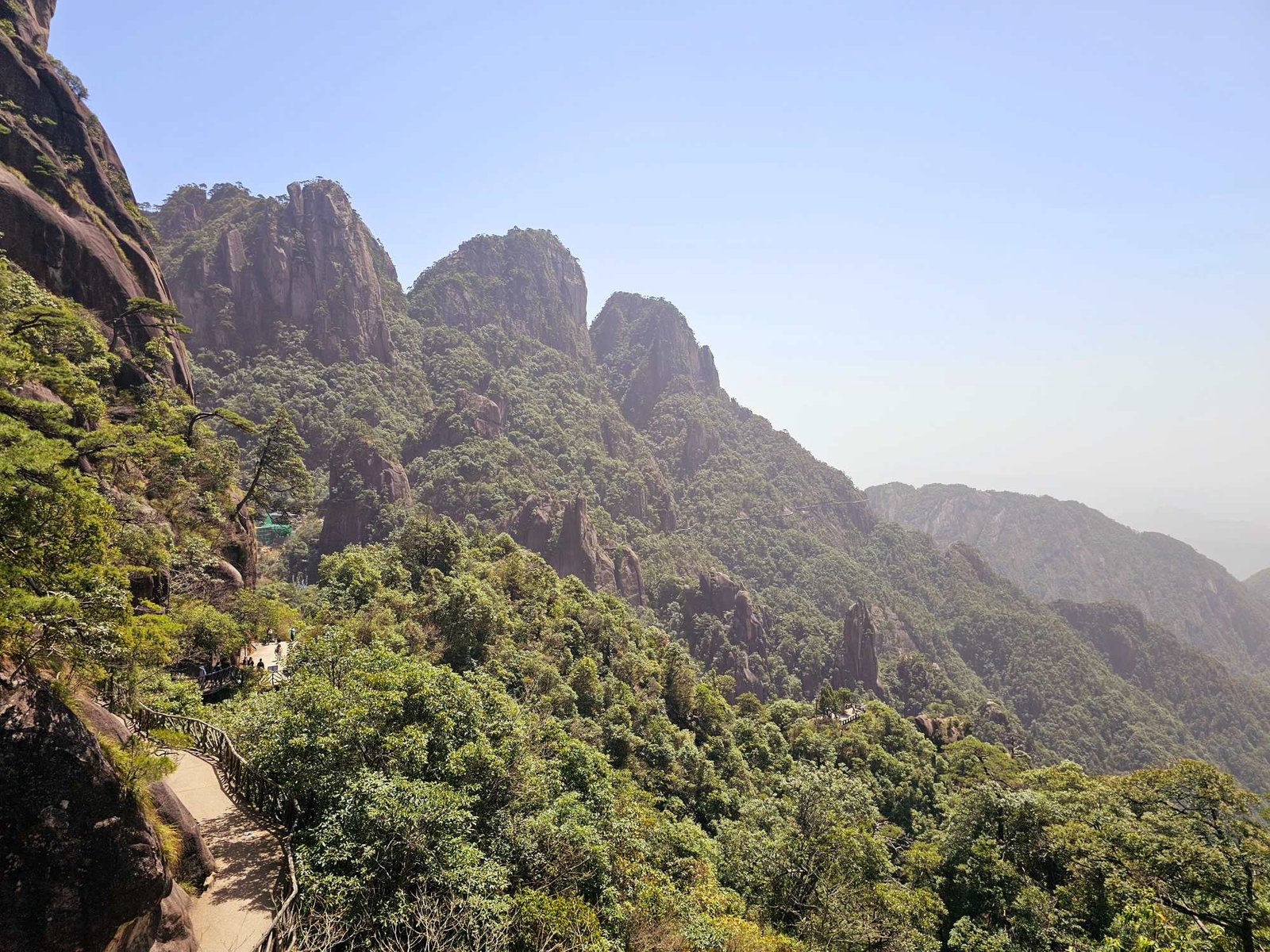
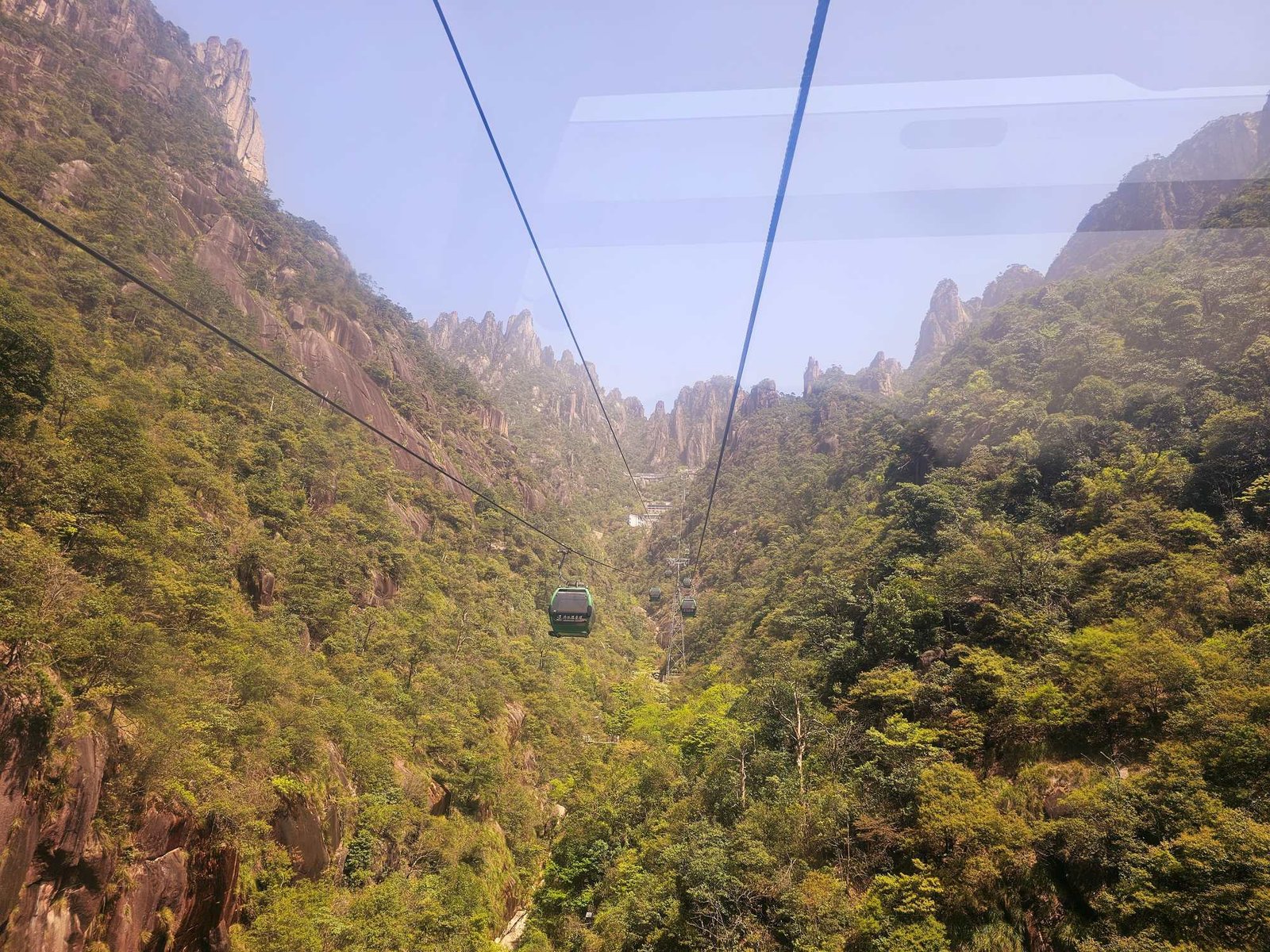
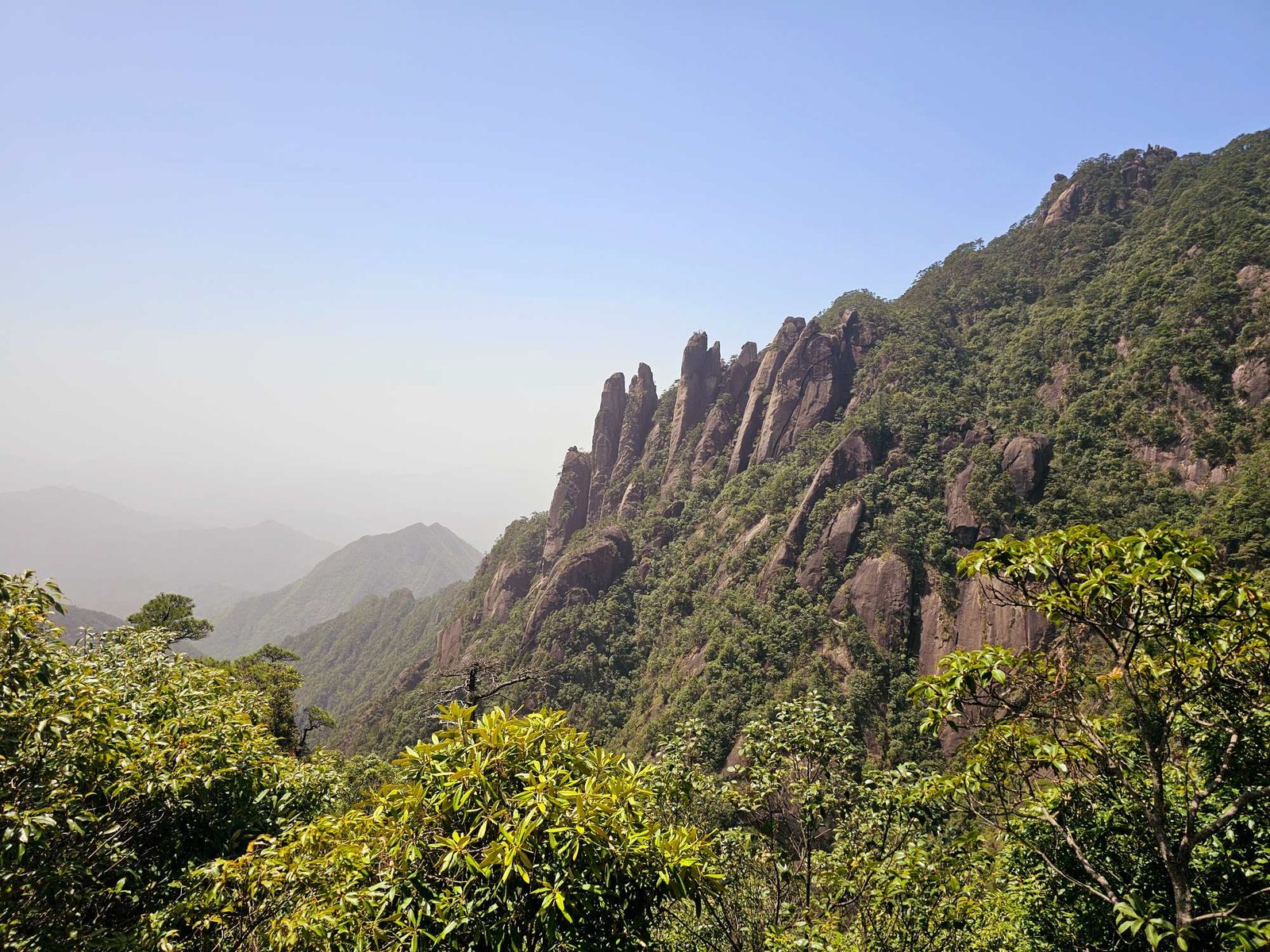
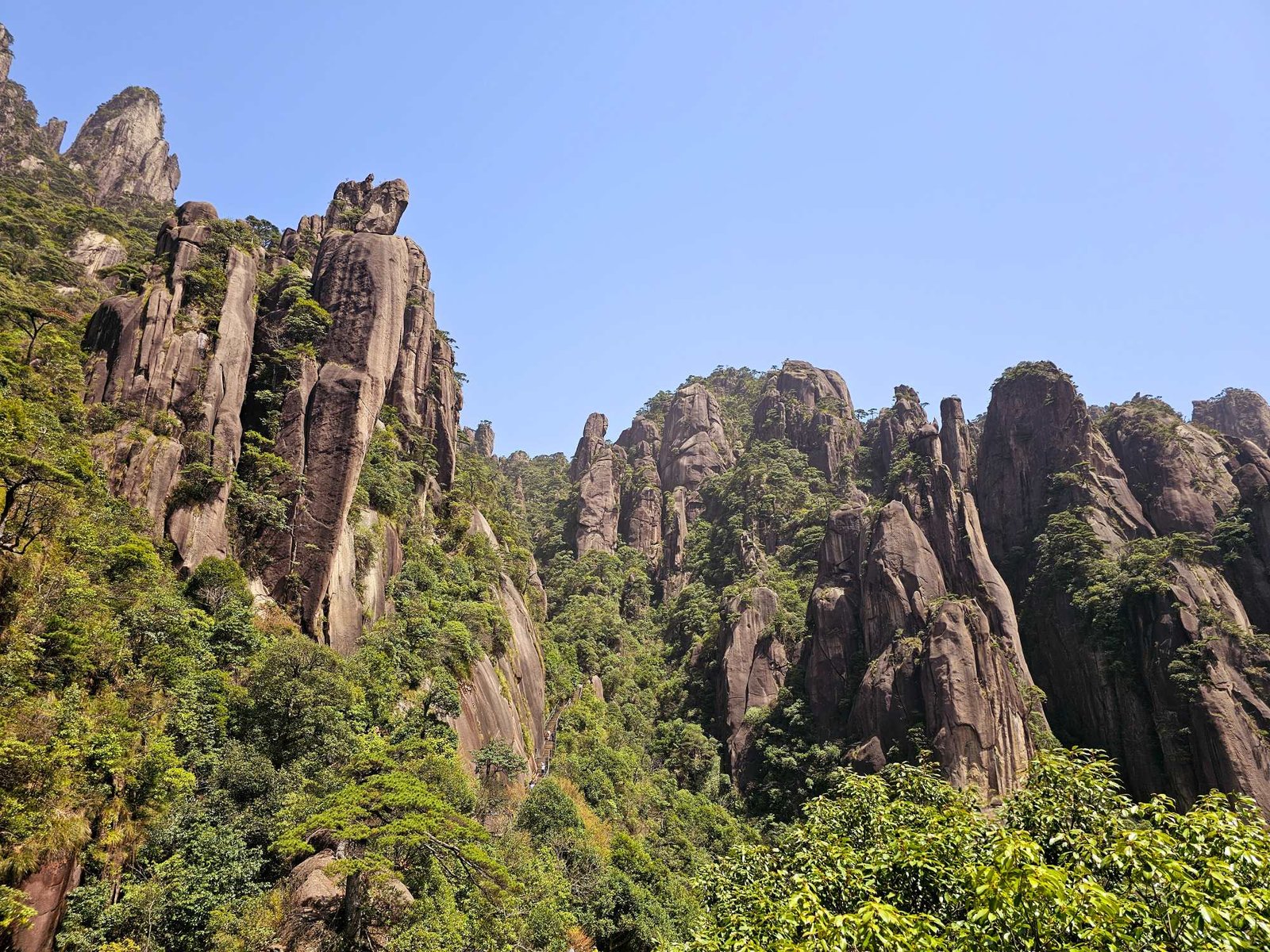
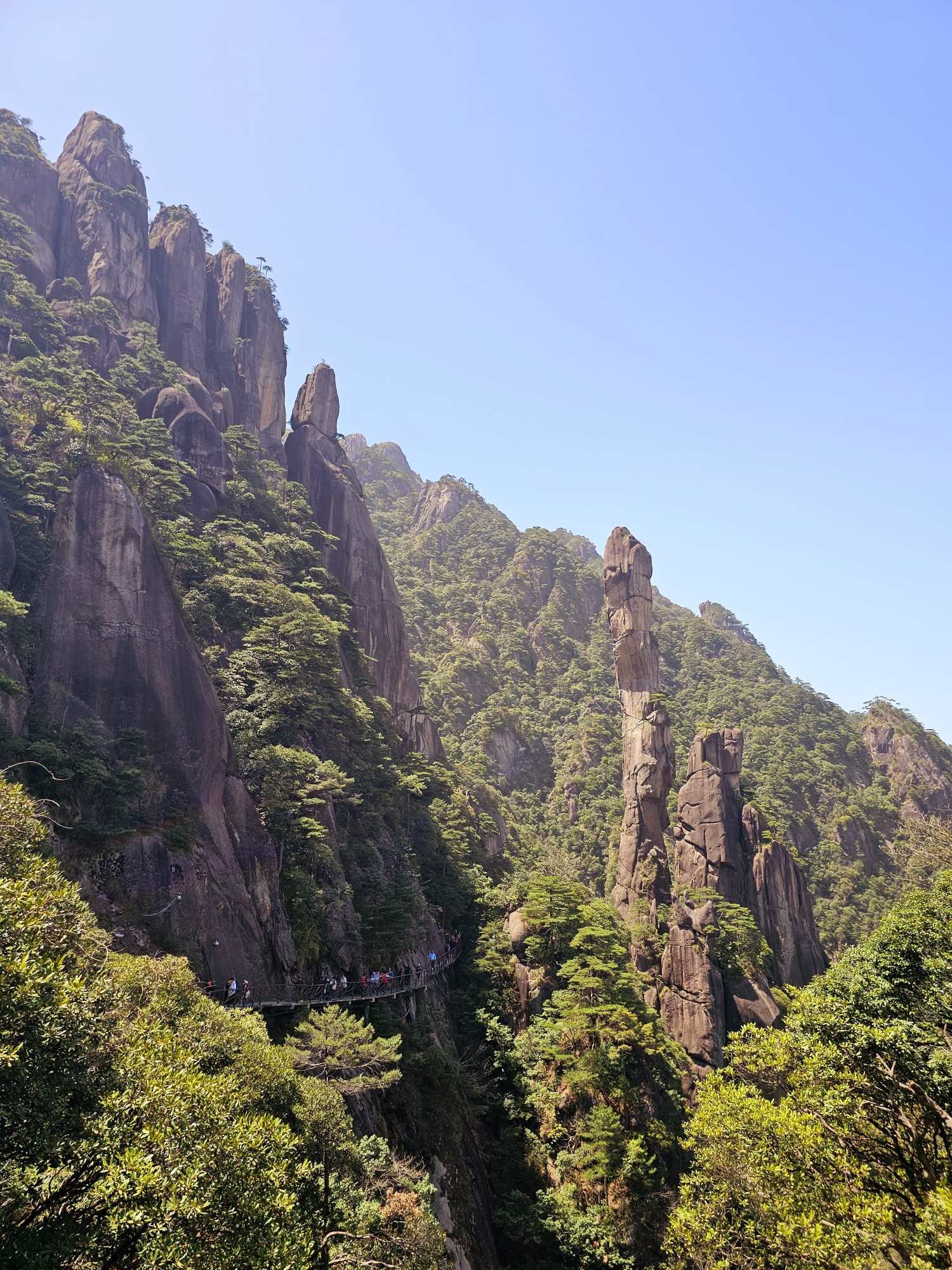
At the top I found the map and managed to orientate myself and figure out which routes I have to take. I will first take the Western route and then get back to my original point from the east. The beginning is all going up, but the scenery is amazing. Going up means, of course, you are climbing stairs. The Chinese have made their mission never to touch ground on the hikes so the entire path is covered with stone or cement. European in me does not approve. The steep climb ends halfway through the western section of the hike. From now on, your tendency will be to go downwards, thought there will still be sections where you need to go up.
Na vrhu sam našao kartu, uspio se orijentirati i shvatiti kojim stazama moram ići. Prvo ću krenuti zapadnom stazom, a onda se s istoka vratiti na početnu točku. Na početku se stalno ide uzbrdo, ali krajolik je prekrasan. Ići uzbrdo, naravno, znači penjati se stepenicama. Kinezi su si dali u zadatak da na planinarenju nikad ne dotaknu zemlju, pa je cijela staza popločena kamenom ili betonirana. Europljanin u meni to ne odobrava. Strmi uspon završava na pola zapadnog dijela staze. Odatle se uglavnom spuštate, iako će još biti dionica na kojima treba ići gore.
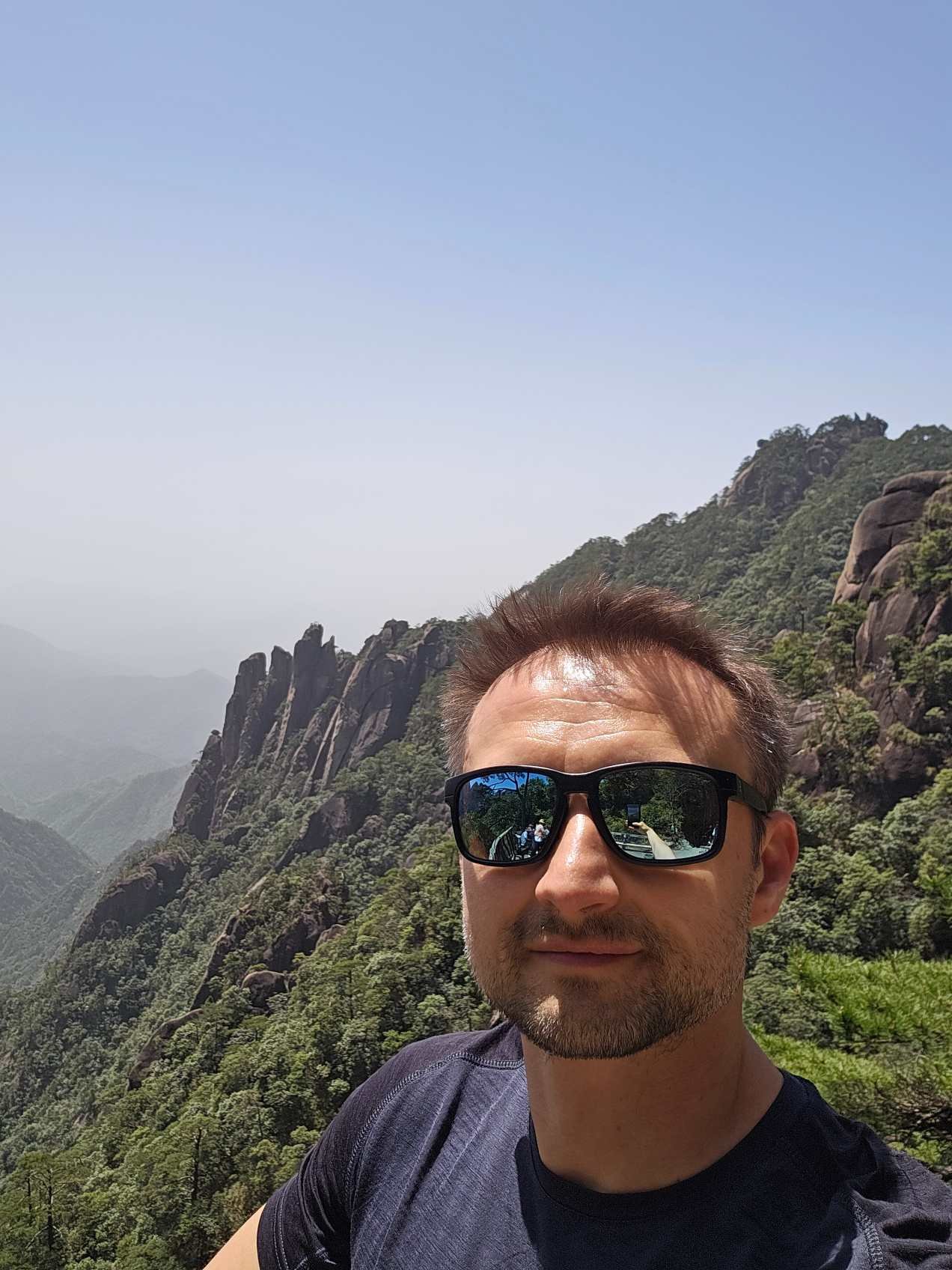
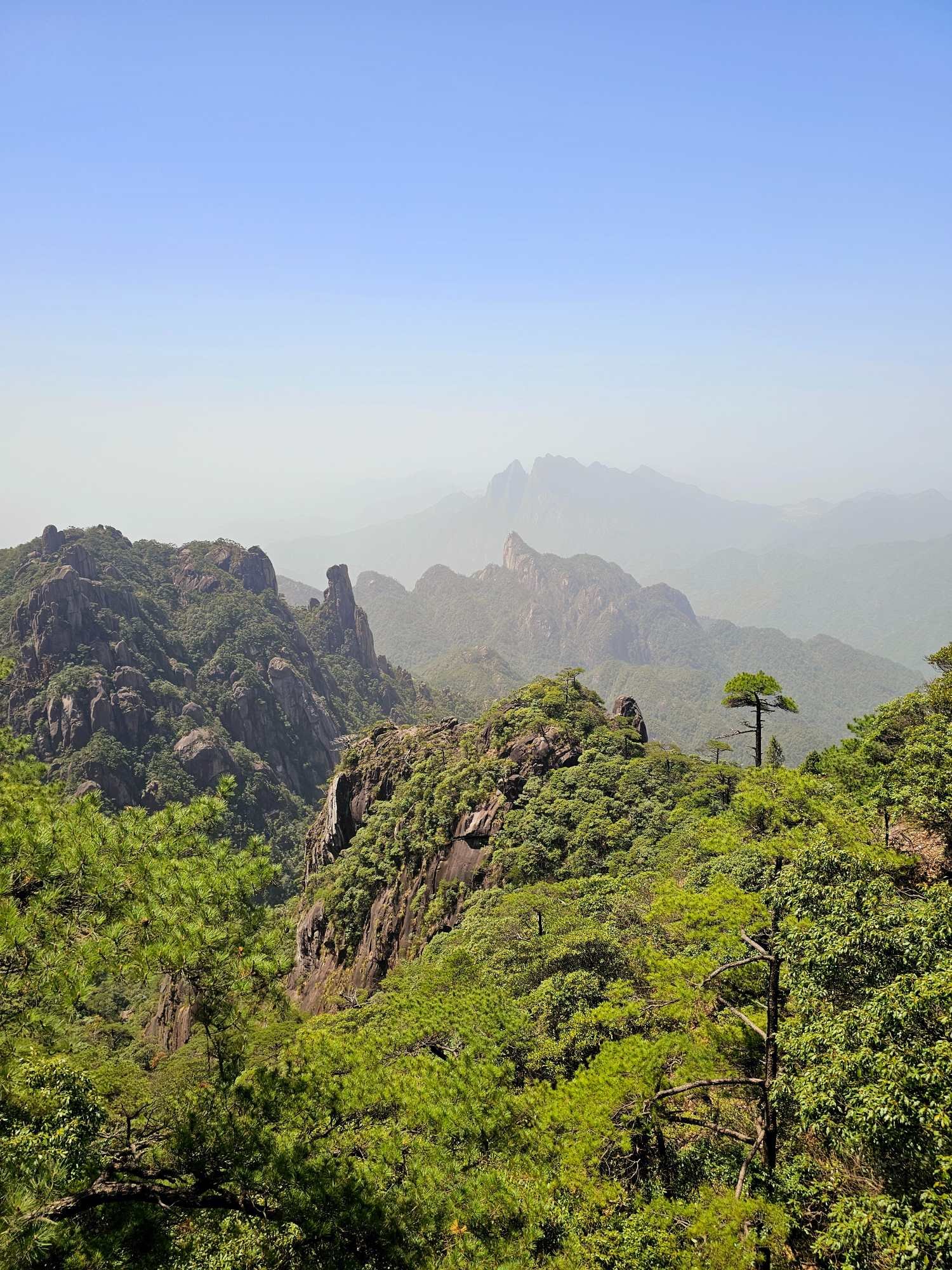
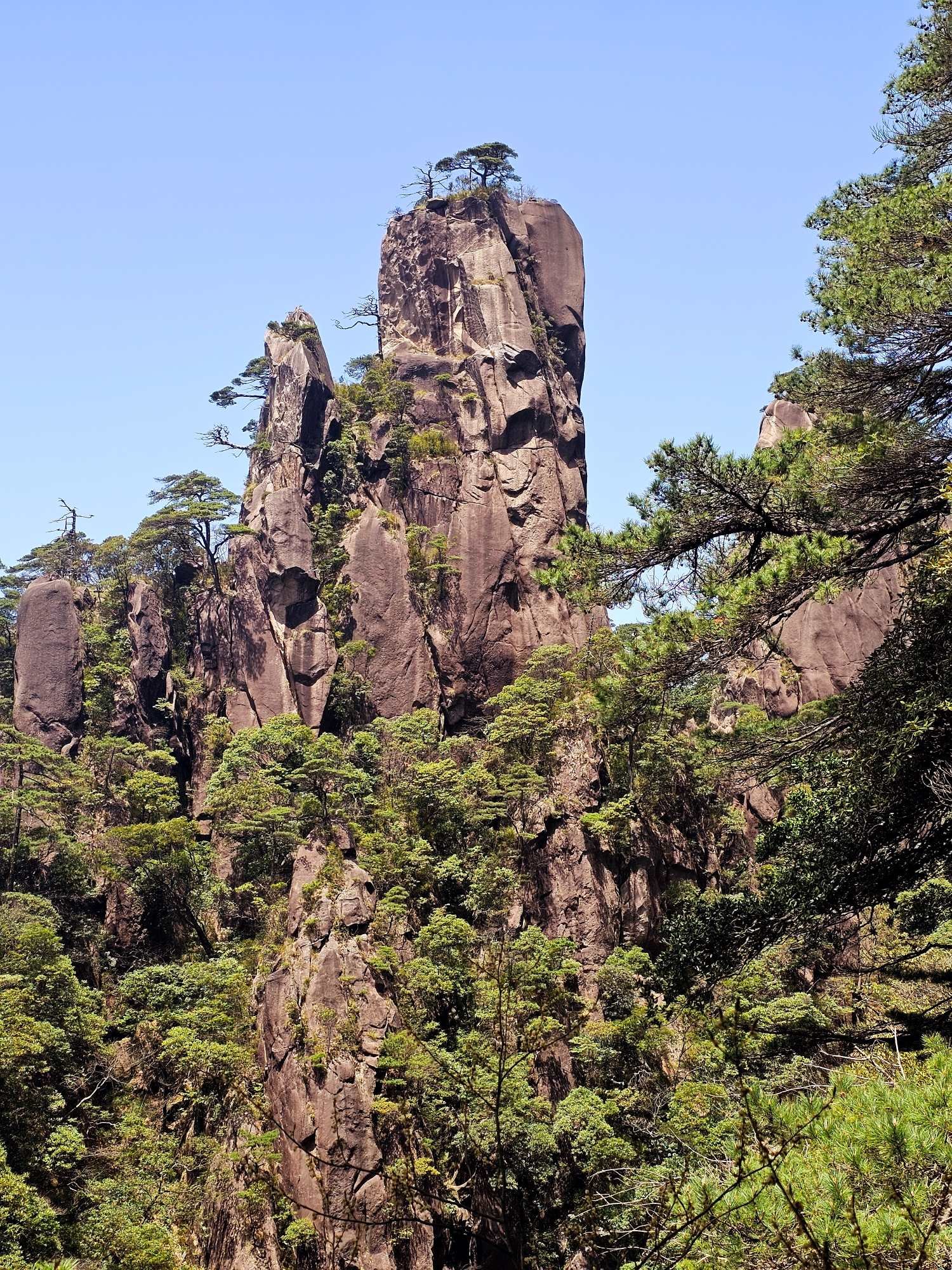
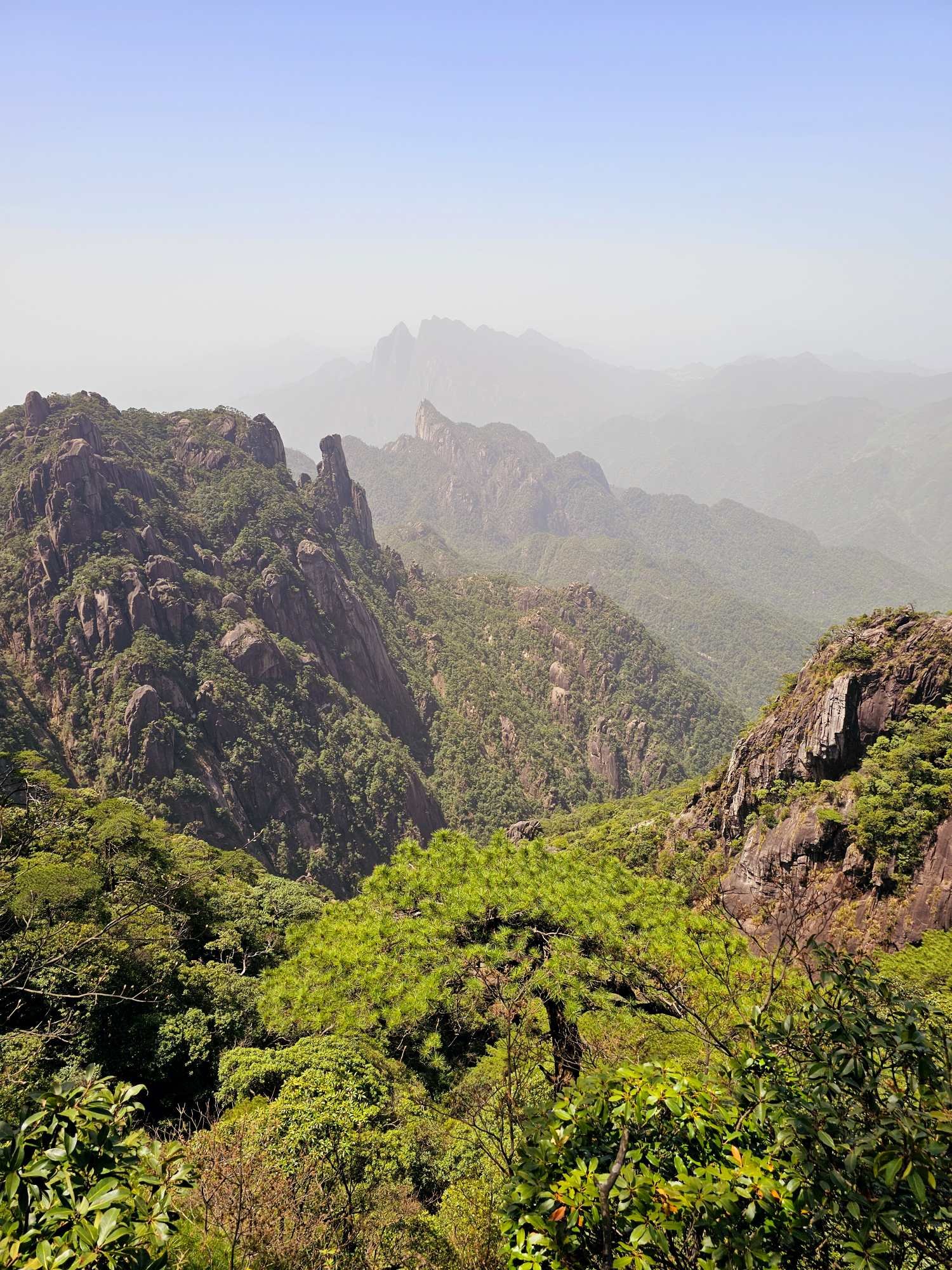
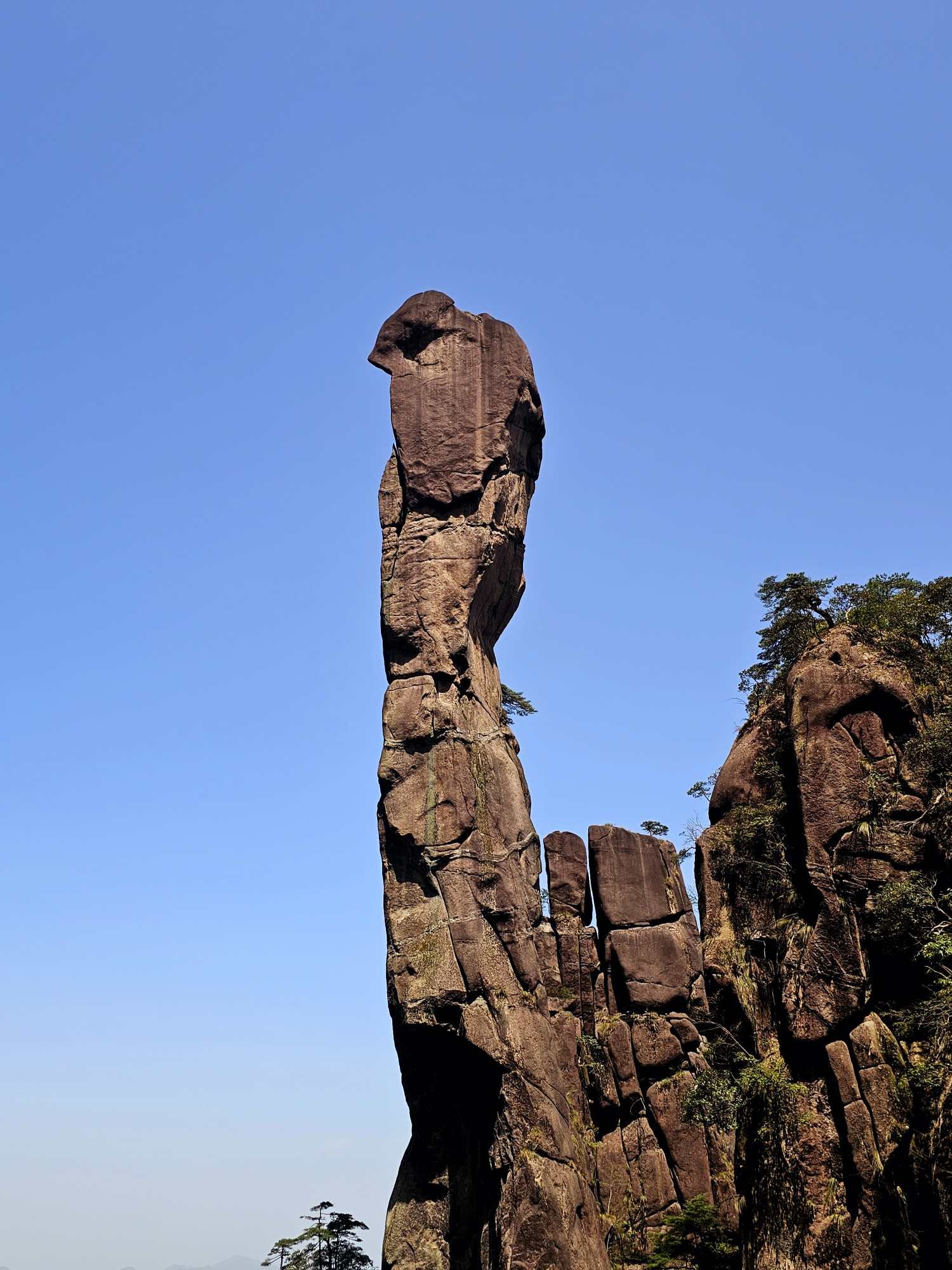
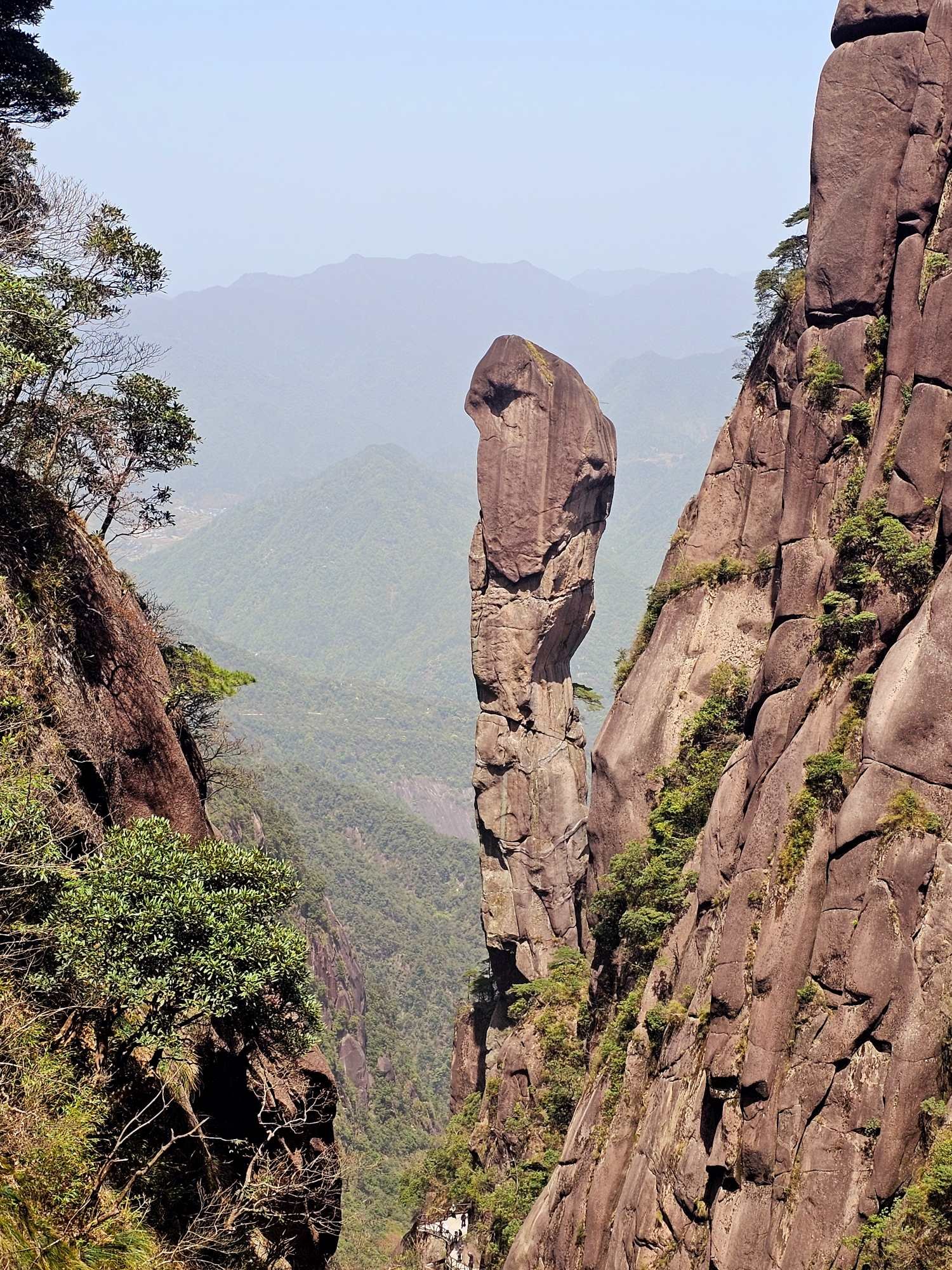
Overall the scenery on the southern side of the mountain is better, but the northern side contains the most famous rock formations – like the Cobra and the Eastern Goddess. Overall, it took me 3:30 hours to do the circle, so way under 6-7 hours I found online. I have reached a conclusion that hikers in China are much slower than me but it still annoys me because I cannot make a plan that I will finish the hike hours ahead of the information provide online. What will happen if I finally run into a travel blog written by a “quicker” hiker. I was debating if I should descend down by foot, but since I already booked a return cable-car ticket, I decided it should not go to waste. I was also getting really hungry. The food around the tourist sites tends to be heavily overpriced, so I decided to get something to eat close to the train station.
Sve u svemu, krajolik je ljepši na južnoj strani planine, ali na sjevernoj su najpoznatije stijene – poput Kobre i Istočne božice. Za cijeli krug trebalo mi je ukupno 3 i pol sata, dakle puno manje od 6 do 7 sati koje sam našao na internetu. Zaključio sam da su planinari u Kini puno sporiji od mene, ali me to i dalje živcira jer ne mogu planirati da ću turu završiti satima prije onoga što piše na internetu. Što će biti ako napokon naletim na putopisni blog koji je napisao „brži” planinar? Dvoumio sam se bih li se spustio pješice, ali kako sam već kupio povratnu kartu za žičaru, odlučio sam da ne smije propasti. Postajao sam i stvarno gladan. Hrana oko turističkih mjesta obično je jako preskupa, pa sam odlučio pojesti nešto blizu željezničkog kolodvora.

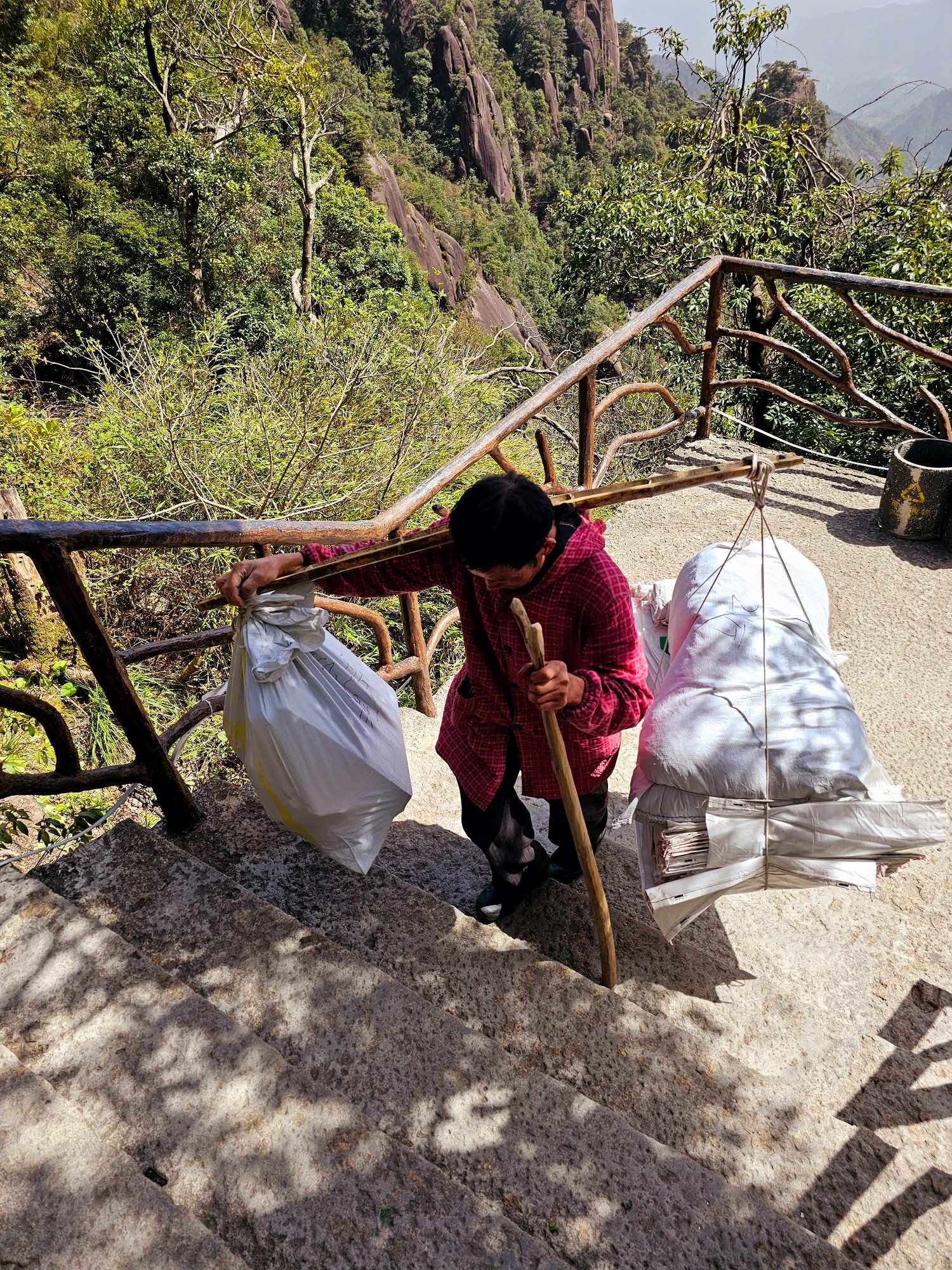
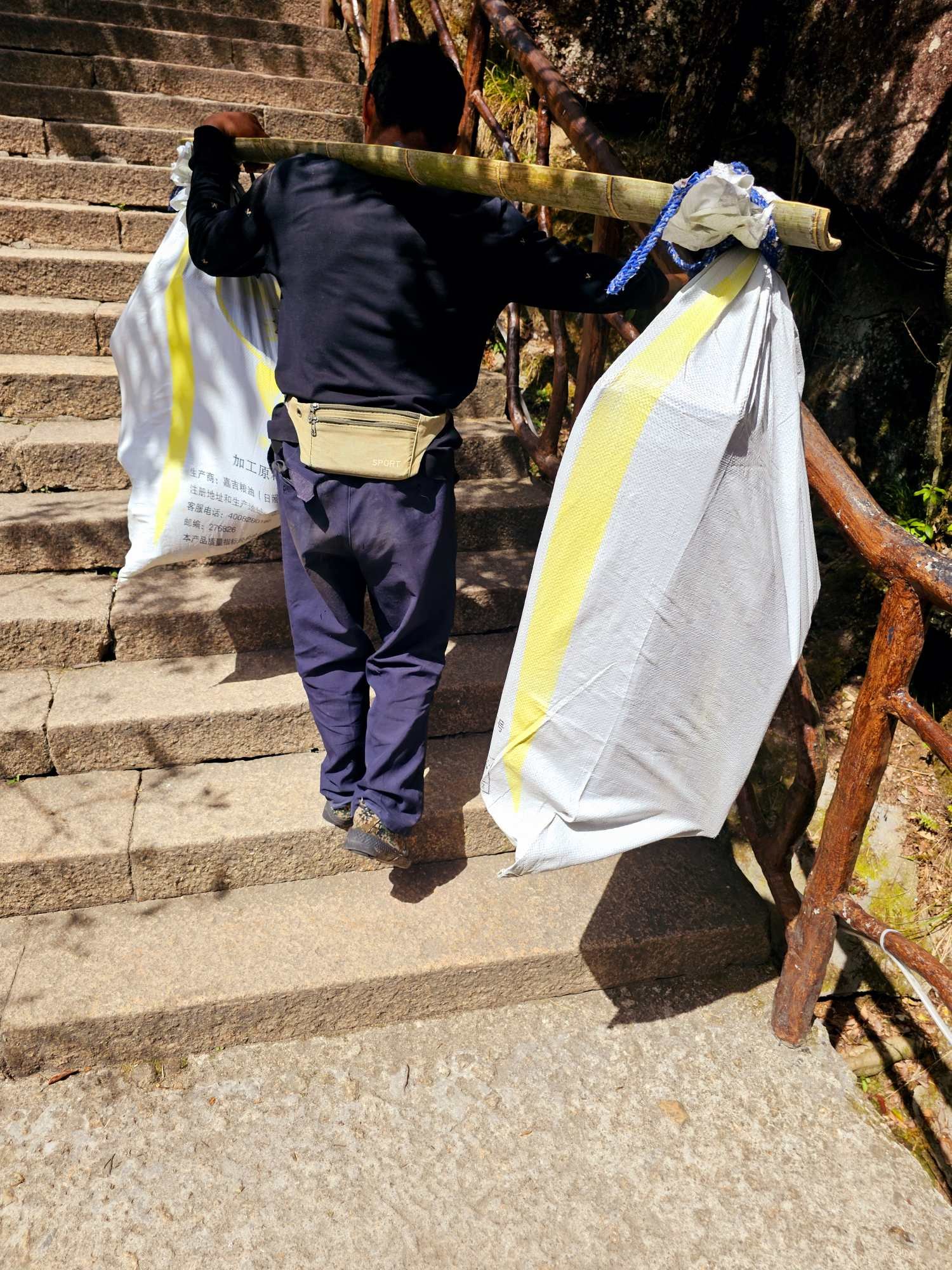
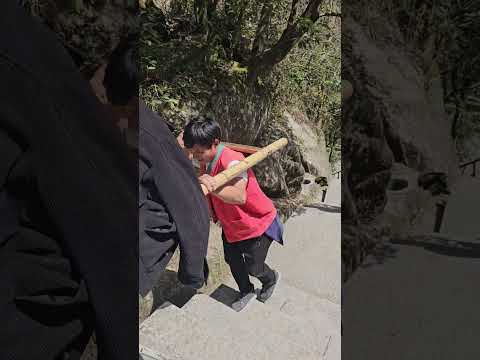
Along the way, you cannot escape the hardship of people bringing the food, drinks and materials to the top of the mountain. There is no road to the top, so everything must be carried by men. So I understand why everything is so expensive on mountain tops.
Putem ne možete ne primijetiti koliko se muče ljudi koji na vrh planine nose hranu, piće i materijal. Do vrha nema ceste, pa sve moraju nositi ljudi. Zato razumijem zašto je na planinskim vrhovima sve tako skupo.
Some of them even have to carry a lazy decadent Chinese. Hahaha
Neki od njih moraju nositi čak i lijenog dekadentnog Kineza. Hahaha
 ▶ Watch the videoPogledaj video
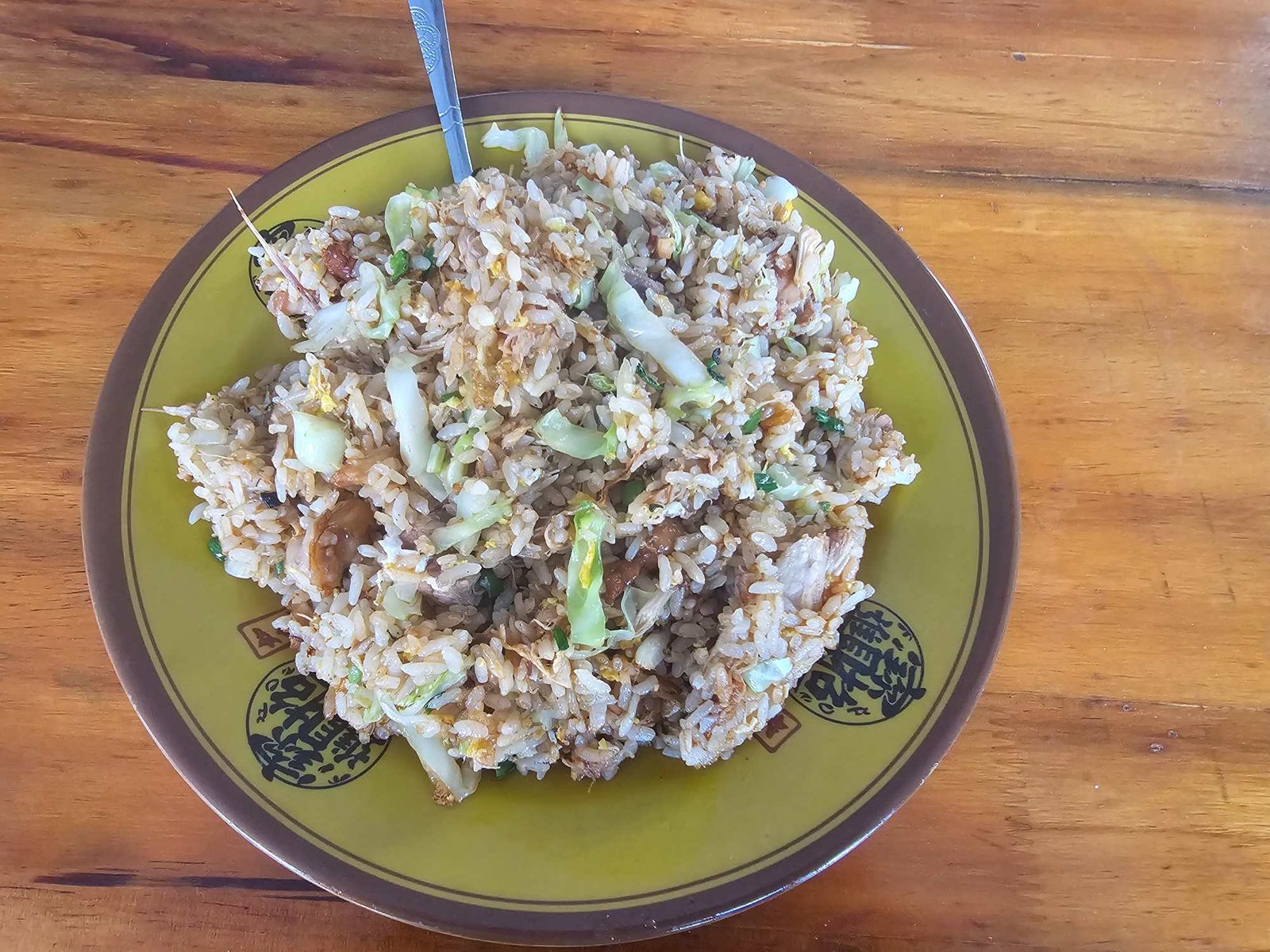
After I returned to the train station, I realized I have to wait for 90 minutes for my train back to Hangzhou. So I left the station in search of food. Oh boy, Lushan is a very small town by Chinese standards and you could see it. The high speed railway stations are always a bit further away from the city centre so there was pretty much nothing appealing to eat at the train station. I walked around a bit and chose a local restaurant where there were two Chinese people also eating. The rule of thumb is always to eat where the locals eat, and even though it was only two people eating, it was 4pm – time between lunch and dinner when very few Chinese people congregate in restaurant. The owners were really excited to see me. I guess they do not see a lot of foreigners. I ordered chicken, egg and vegetable fried rice. You get shredded chicken with chicken leg bone. I don’t understand, if they have already cleaned the meat from the chicken leg, why put the bone into the dish?!
Kad sam se vratio na željeznički kolodvor, shvatio sam da na vlak za Hangzhou moram čekati 90 minuta. Zato sam izašao s kolodvora u potrazi za hranom. O, čovječe, Lushan je za kineske pojmove vrlo mali grad i to se vidjelo. Kolodvori brze željeznice uvijek su malo dalje od središta grada, pa kod kolodvora nije bilo gotovo ničeg primamljivog za jelo. Malo sam prošetao i odabrao lokalni restoran u kojem je jelo i dvoje Kineza. Zlatno je pravilo uvijek jesti tamo gdje jedu domaći, a iako je jelo samo dvoje ljudi, bilo je 16 sati – vrijeme između ručka i večere, kad se u restoranima okuplja vrlo malo Kineza. Vlasnici su bili stvarno uzbuđeni što me vide. Valjda ne viđaju puno stranaca. Naručio sam prženu rižu s piletinom, jajetom i povrćem. Dobijete natrganu piletinu s kosti od batka. Ne razumijem, ako su već skinuli meso s batka, zašto stavljati kost u jelo?!
I still had some time to kill after my lunch so I walked around and even managed to find a fruit store. Most of Chinese dishes come with meat and one vegetable so I am trying to eat more fruit to get my vitamins.
Nakon ručka još sam imao vremena za ubiti, pa sam prošetao i čak uspio naći voćarnicu. Većina kineskih jela dolazi s mesom i jednom vrstom povrća, pa se trudim jesti više voća da dobijem vitamine.
I finally arrived back to my hotel around 8pm and went straight to bed. Tomorrow is a long trip to Kaifeng.
U hotel sam se napokon vratio oko 20 sati i otišao ravno u krevet. Sutra me čeka dug put do Kaifenga.